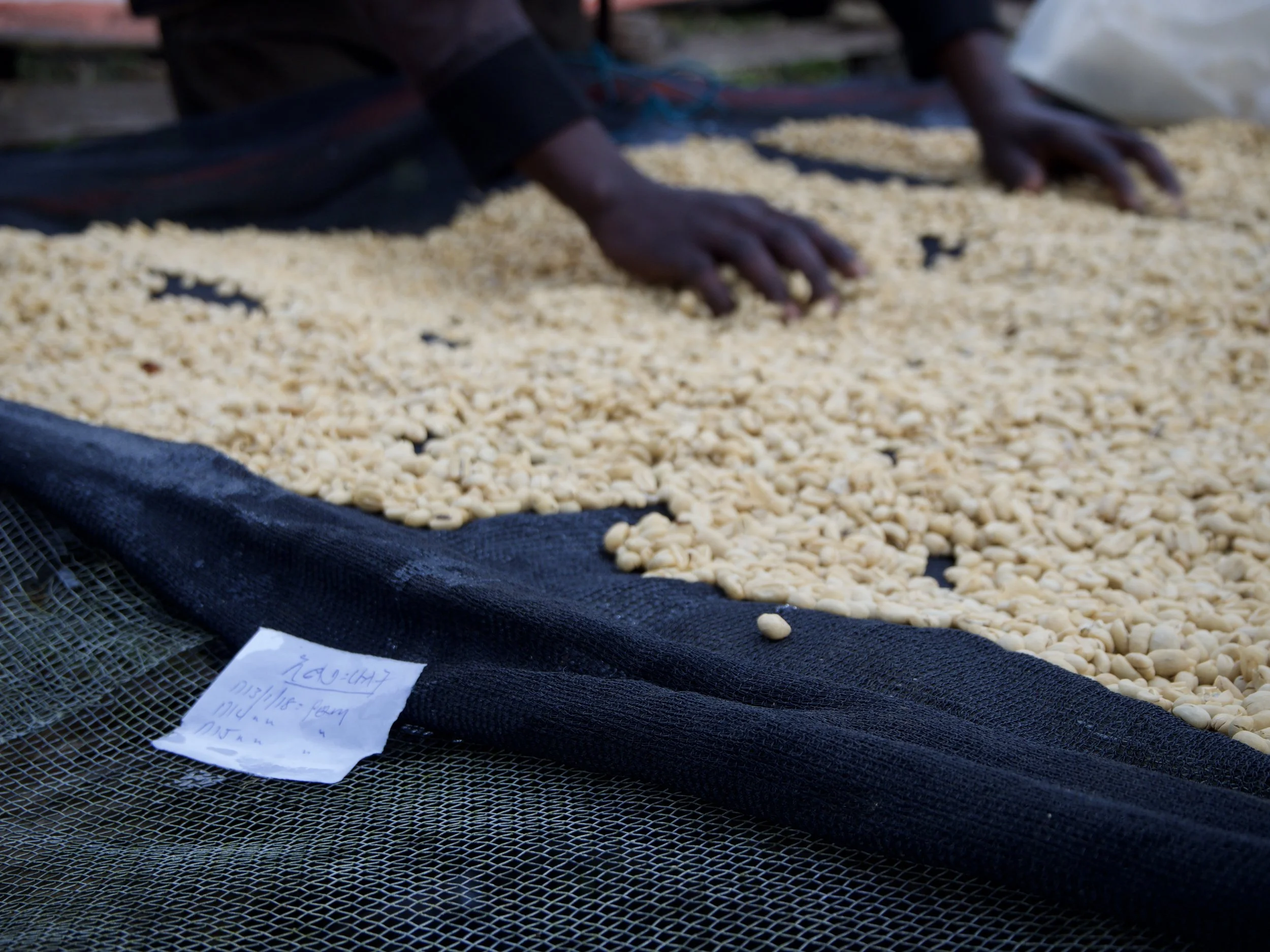
HOE WE ALS GELIJKWAARDIGE PARTNERS WERKEN
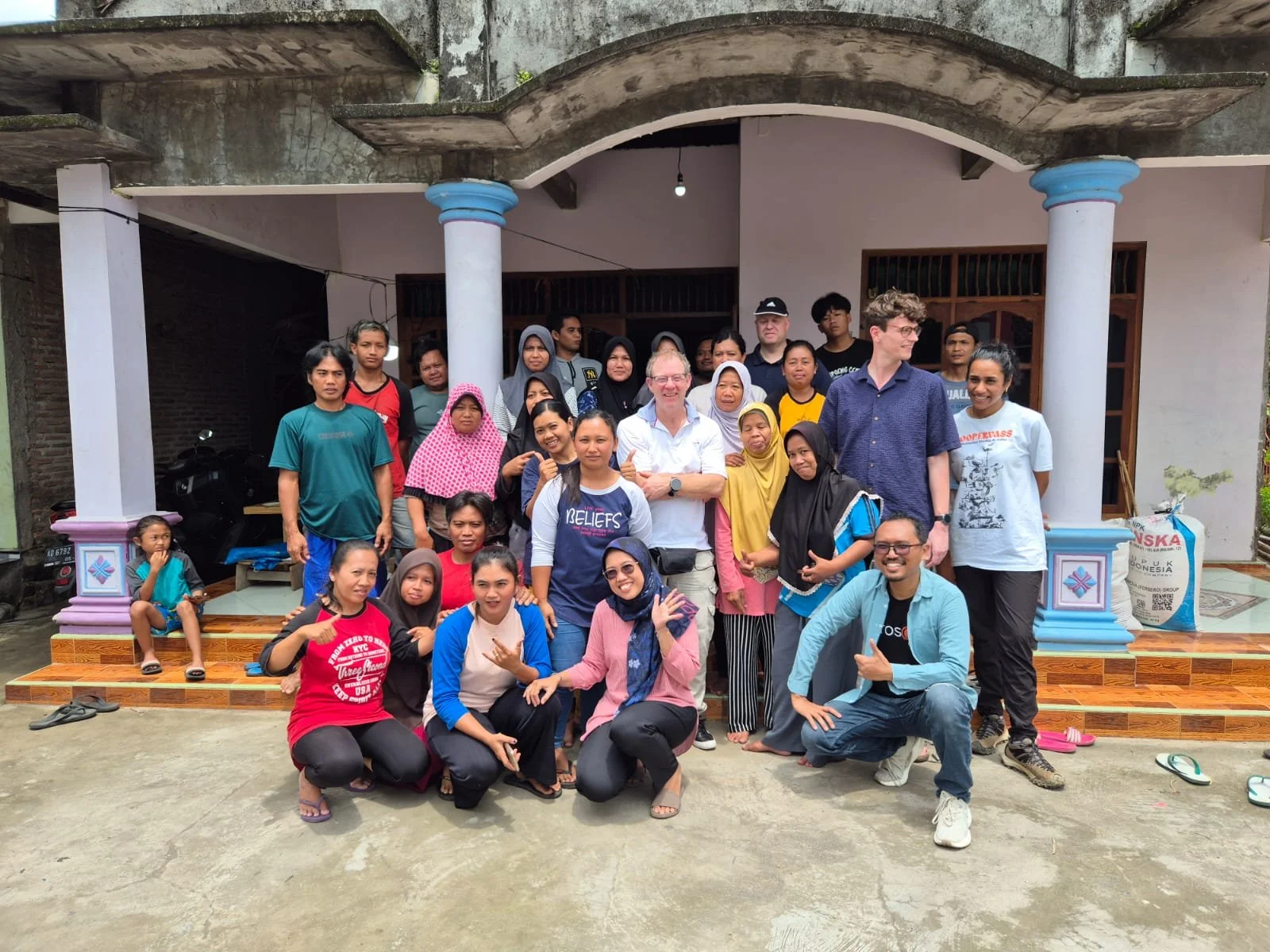
Wij komen als mens, niet alleen als ondernemer
Het unieke aan ons netwerk van koffiebranders en contractmanagers is dat ze zich durven te binden. Het is echter wel belangrijk dat zij erop kunnen vertrouwen dat de volumes en de kwaliteit constant blijven. De boeren committeren zich op hun beurt wanneer zij een eerlijke waarde ontvangen voor hun werk. Beide partijen kiezen voor elkaar omdat het voor beide partijen werkt: het doel is dat iedereen lachend wegloopt bij het sluiten van een deal.
De prijs als dialoog. Wij komen tot een prijs door middel van gesprek. Dit begint bij vertrouwen dat over jaren is opgebouwd en een omgeving waarin iedereen zijn behoeften durft uit te spreken. Het betekent dan ook dat de prijs die de boeren ons offreren hun kosten dekt en in hun levensonderhoud voorziet. We weten uit ervaring dat onze boeren zowel kwantitatieve als kwalitatieve argumenten hebben voor dat bedrag en dat dit cijfer elk jaar meebeweegt. Onze rol is om te luisteren en dit te respecteren, niet om te controleren hoe dat geld wordt besteed, net zoals boeren niet bepalen hoe wij als inkopers ons inkomen uitgeven.
Een brug naar de toekomst. Door samen met de boeren prijzen vast te stellen en elk jaar terug te keren, creëren we een markt voor hoogwaardige koffie die zowel bruikbaar als betaalbaar is. We fungeren zo als een brug naar langetermijnverbintenissen. This Side Up streeft naar consistentie in onze werkwijze en in onze relaties; dat is het fundament om samen uitdagingen te overwinnen. Helaas merken we dat we hier nog vaak alleen in zijn in de industrie, maar we hopen een voorbeeld te zijn voor allen!
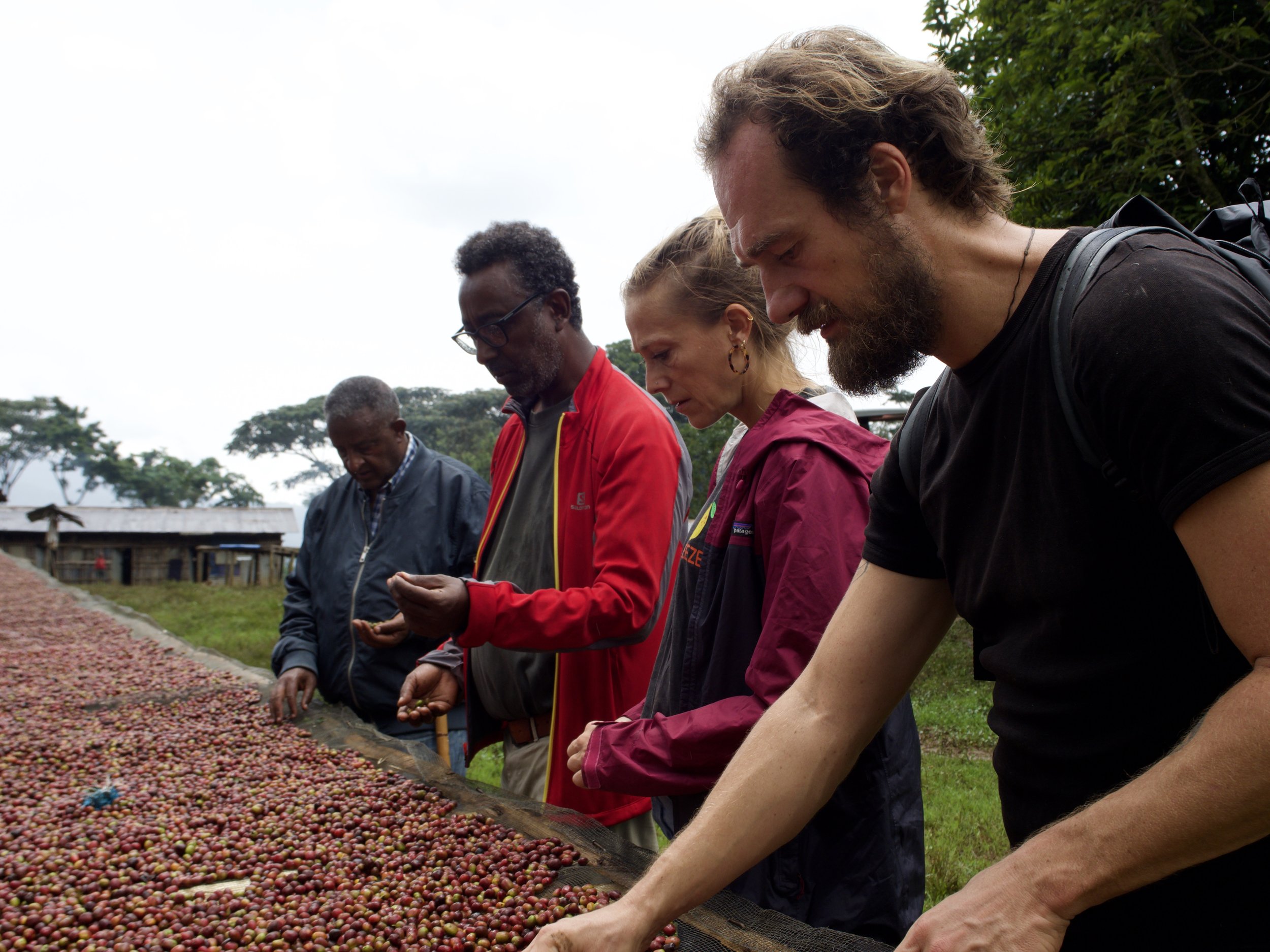
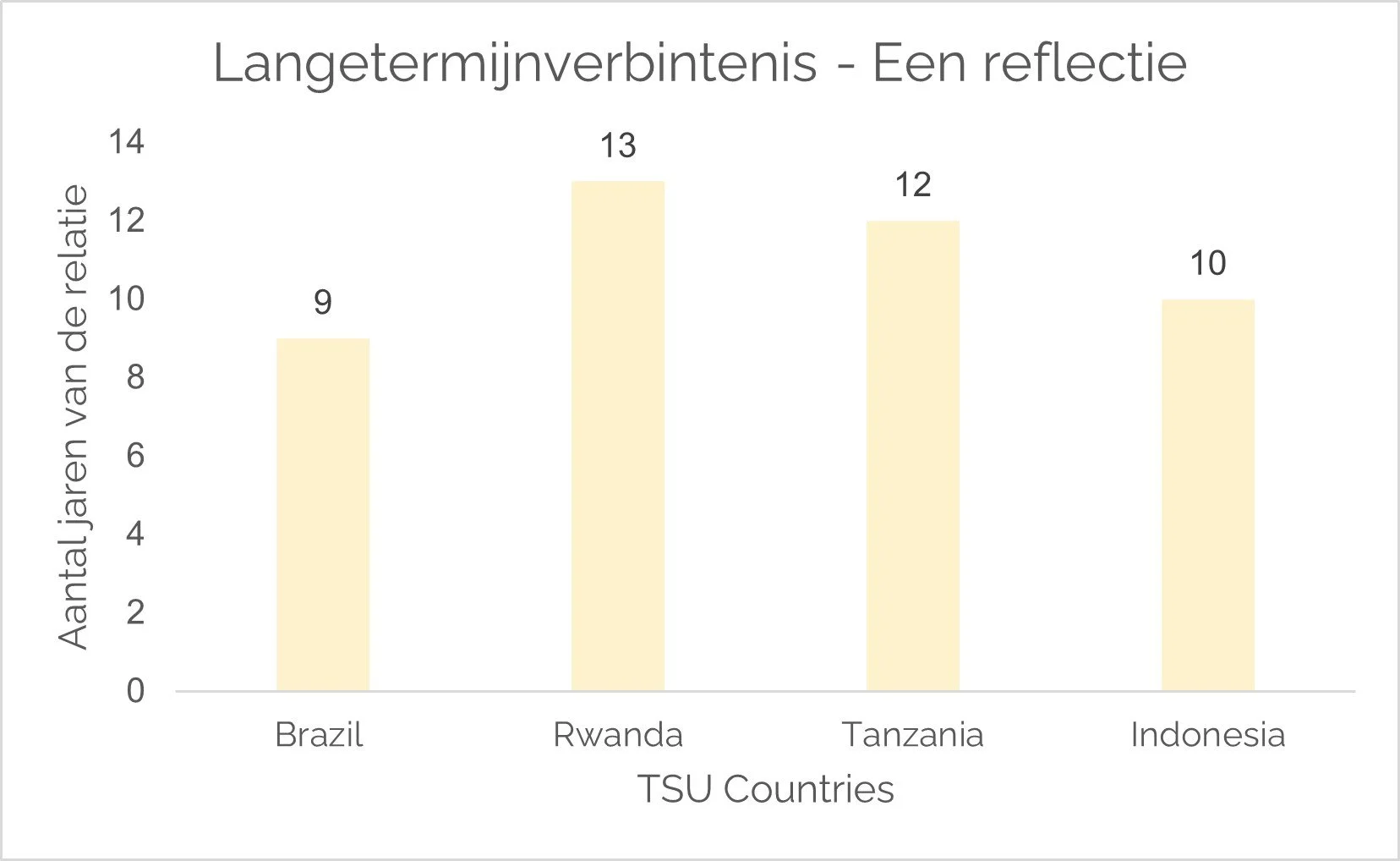
Sinds 2013
Wij handelen in koffie op antikoloniale wijze
Vertrouwen vormt de kern van ons model. Onze lokale partners - of “local heroes” zoals we ze noemen - in deze veertien landen fungeren als verbindingspersonen van dat vertrouwen. In plaats van dat This Side Up kantoren ver weg heeft, werken we met lokale mensen die sociale en duurzame doelen hebben voor hun gemeenschappen, zij kennen deze immers het beste. Wij vertrouwen hen, en zij vertrouwen hun mensen - zo stroomt vertrouwen door een netwerk van relaties die zijn gebouwd op gedeelde verantwoordelijkheid. Dit is niet abstract; het werkt, en het is zeer schaalbaar gebleken.
Een bewuste koers. Koffie is een koloniaal gewas. De manier waarop er vandaag de dag nog steeds in wordt gehandeld, is een reflectie van die geschiedenis: het bepaalt wie de macht heeft, wie de waarde opstrijkt en wie de risico's draagt.
Op systemisch niveau is onze aanpak inherent antikoniaal. Als Nederlands bedrijf dat werkzaam is in diverse landen van herkomst, blijven wij ons bewust van de erfenis van de koloniale handel. Ons doel is om te werken als gelijken — als ondernemers, partners en vrienden. Wanneer je weet met wie je werkt, wordt externe validatie minder noodzakelijk. Als armoede structureel in het systeem is ingebakken, dan moet waardigheid structureel worden verankerd in hoe wij werken. Dat is de reden dat we blijven terugkeren. Een systeem van honderden jaren is niet binnen een decennium veranderd.