

Een “deep dive” in the koffies die de Branie en Mokum blends maken

Onze partner Capricornio Coffees werkt nauw samen met boeren in Brazilië door hen het hele jaar door agronomische ondersteuning te bieden. Dit creëert een opwaartse spiraal: betere kwaliteit leidt tot betere marktprijzen, wat weer ruimte geeft voor nieuwe investeringen in de boerderij. Via hun "Four Seasons"-programma bieden ze technische assistentie die zelfs gericht is op gedragsverandering bij de boeren, het geeft een kalender welke activiteiten je het beste in welke maand dient te doen, om zo het beste resultaat te bereiken. Het is de eerste stap om boeren te helpen de overstap te maken van bulkproductie (commodity) naar de hoogwaardige specialty coffee.
Trots en veerkracht. De verschuiving naar beter betaalde specialty coffee brengt niet alleen meer inkomen, maar ook een gevoel van trots. Hierdoor ontstaat er bij boeren mentale ruimte om zorg te dragen voor de aarde en de gemeenschap, in plaats van enkel bezig te zijn met overleven.
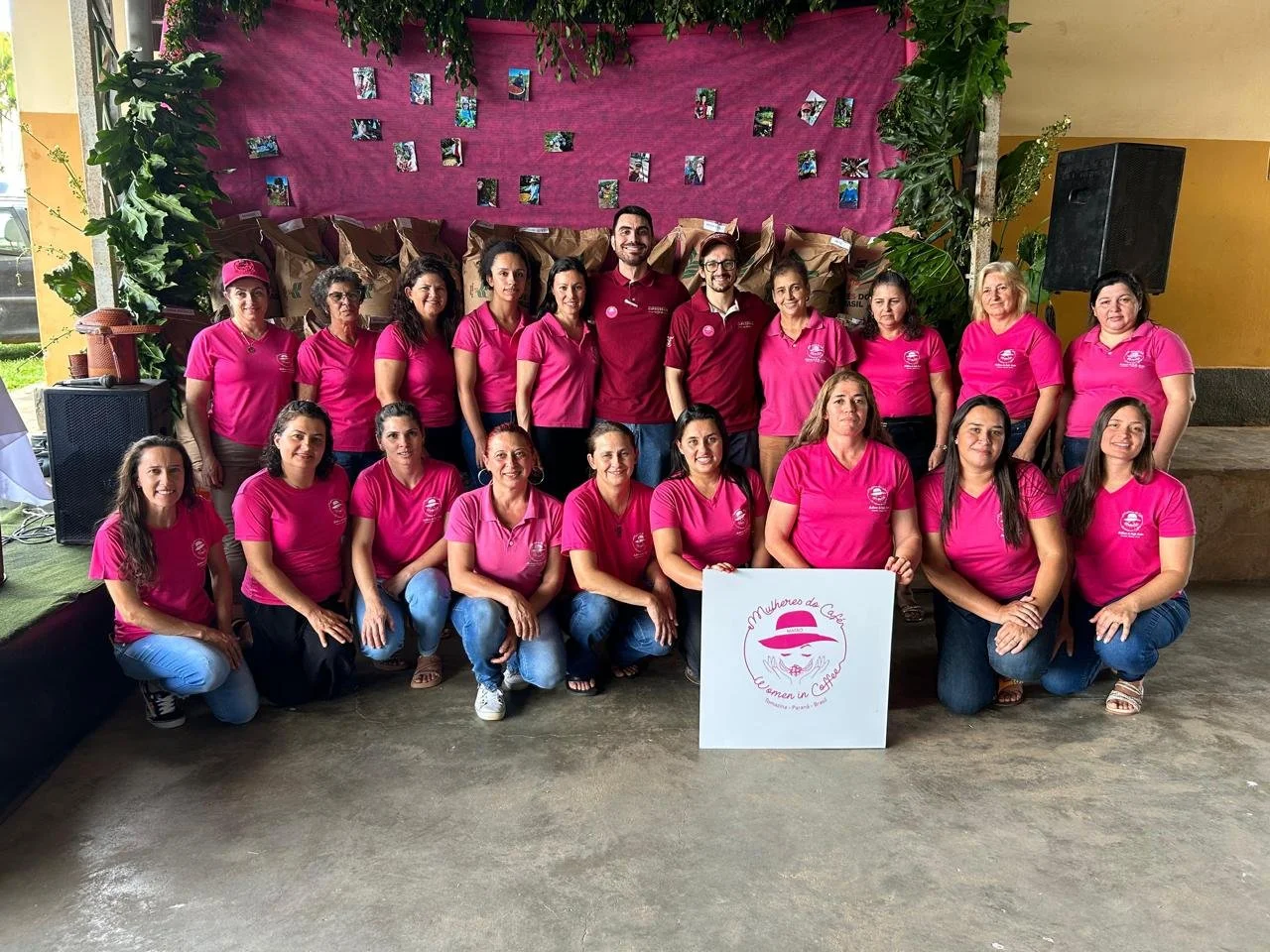
Capricornio zet zich daarnaast in voor diverse sociale projecten om groepen te versterken die kwetsbaar zijn voor klimaatverandering. Een prachtig voorbeeld is het Women in Coffee (WIC)-project, dat ook door This Side Up wordt ondersteund. Vrouwen van 69 kleine boerderijen worden door Capricornio versterkt met kennis, vakmanschap en marktverbindingen. This Side Up helpt deze vrouwen bij het opbouwen van directe relaties met branders voor langdurige contracten. BYBO, de brander van de Amsterdam-blend, is een van deze vaste partners.
Regeneratie en de Amsterdam-blend. Een speerpunt van Capricornio is regeneratieve landbouw. Zo ontwikkelen zij natuurlijke oplossingen tegen plagen zoals de koffiebessenkever (borer). De Braziliaanse koffie in de Amsterdam-blend is afkomstig van de vrouwen van de Mulheres de Matão-groep en van Fazenda California. De blend heet “Mokinha” wat de lokale naam is voor de ronde boontjes, waarop deze blend wordt uitgesorteerd.
2025 samenvatting
Wat ging er goed?
Wesley, de agronoom bij Capricornio, heeft dit jaar nauw samengewerkt met onze partnerboeren aan een reeks regeneratieve praktijken, met de focus op een gezonde bodem. Als onderdeel van het "Four Seasons"-programma legt hij uit: “In deze gebieden is een mix van bodembedekkers geplant — zes verschillende plantensoorten die tegelijkertijd groeien, elk met een eigen biologische functie. Samen ondersteunen ze de bodem en de micro-organismen die erin leven. Op nieuwe percelen fungeren ze bovendien als windbarrières, wat helpt om de verspreiding van plagen en ziekten te verminderen.”
Omdat Braziliaanse koffie de ruggengraat van onze portfolio vormt, zijn we in staat geweest om een regeneratieve premie van € 0,06 per kilo in deze volumes te verwerken en deze direct bij de bron te herinvesteren.
Tot nu toe heeft dit geleid tot een bedrag van bijna € 30.000, waarmee Capricornio en onze partnerboerderijen deze duurzame praktijken kunnen ontwikkelen en opschalen. Dit is een doorlopend project; ieder jaar gaan we hier weer een stapje verder.
Wat ging er niet goed?
Zelfs na jarenlange samenwerking en talloze bezoeken aan de boerderijen kunnen er nog steeds misverstanden ontstaan. Wij waren ervan overtuigd dat een systeem waarbij boer en koper samen de prijs bepalen — gebaseerd op de productiekosten en vroege betalingen — de beste oplossing zou zijn voor elke koffieboer. Maar het bleek dat ook hier geldt: context is king. De Braziliaanse boeren wilden dit systeem niet.
De boeren in Brazilië hebben het gevoel dat hun lokale realiteit al goed wordt weerspiegeld op de internationale markt. En tot op zekere hoogte is dat waar: als Brazilië niest, krijgt de wereldwijde koffiemarkt koude rillingen vanwege hun enorme marktaandeel. Boeren ervaren dat de internationale markt hun schommelingen in het weer en neerslag goed representeert. Daarnaast gebruiken zij de markt op een manier die hun eigen liquiditeit dient: ze verkopen delen van hun oogst gedurende het jaar via een mix van dagprijzen en termijncontracten (futures). Dit stelt hen in staat om op de dag dat zij het nodig hebben, te verkopen tegen een prijs die zij acceptabel vinden.
Voor ons was dit een kleine "schok", maar we realiseerden ons al snel dat we als partner de boeren hierin moeten steunen. Voor onze Braziliaanse contracten maken we nu gebruik van de termijnmarkt; we leggen de prijs vooraf vast en laten "de markt" het verschil tussen onze prijs en de prijs van de boer verrekenen.