Making coffee work for rural India

Indian coffee has been on our wish list for a very long time because of an incredible mix of properties we saw at some estates: advanced processing knowledge, a history of developing not only specialty arabica but robusta as well - combined with high ethics and business efficiency. You find yourself wondering how this country is not top of mind for more coffee roasters out there.

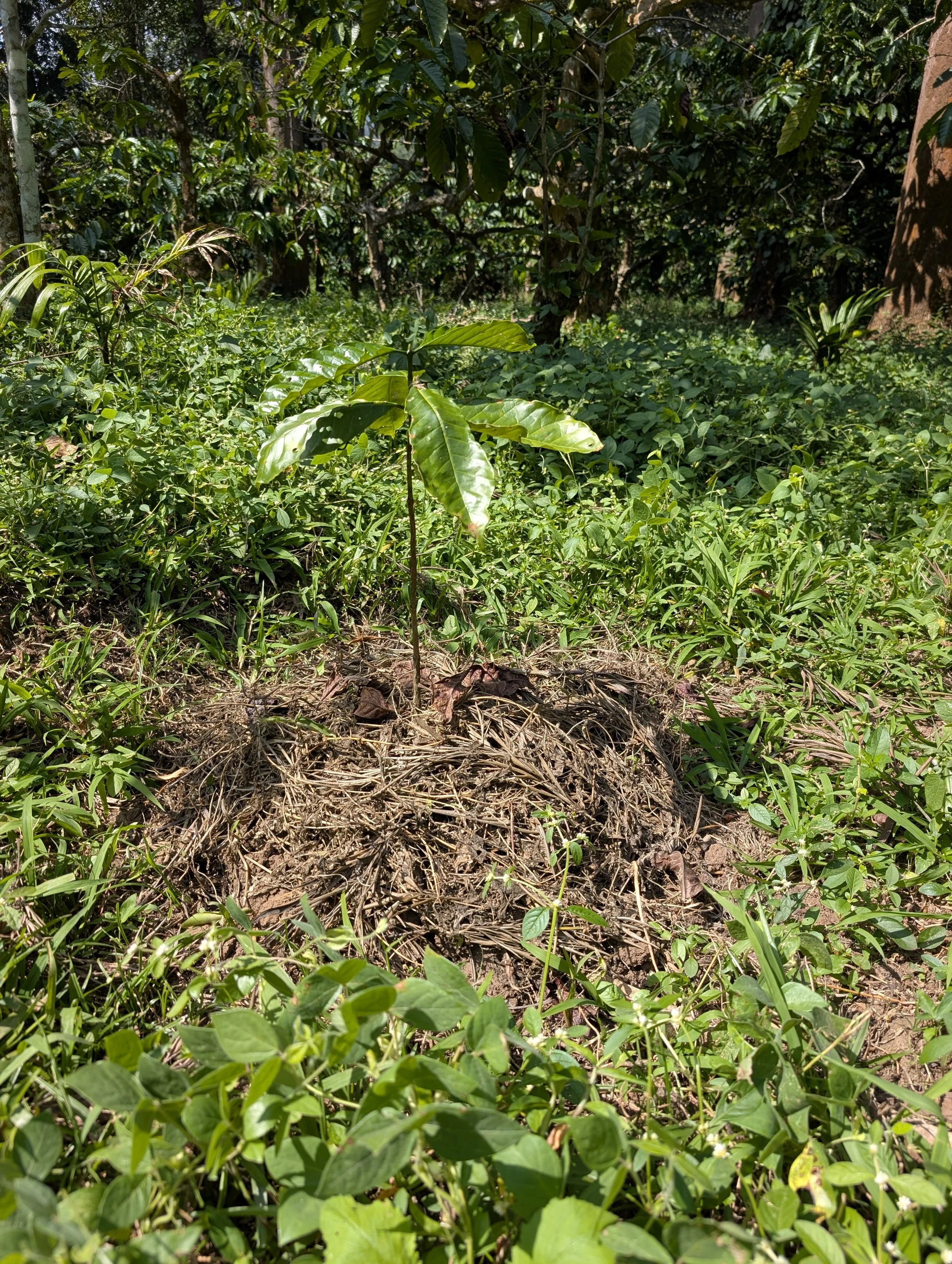
We admire our partners Komal and Akshay’s resolve to make coffee a viable way of living for themselves and the region. After their time in the UK, Komal and Akshay came back to Akshay’s family farm in India to restore it and seek alliances with a wide range of very diverse growers in the region. "We were not only looking for partners," says Komal "we were looking for passionate coffee growers that understand the complexities involved in this trade." With low prices and people leaving farms to work in cities, their proposition has to be based on higher prices and innovations: both technological as in terms of (regenerative) agriculture). Through hard work and a firm resolve they are proving that through coffee, a better future is possible for the people in their region and for the environment.


These are our partners in India working directly with SICC

More than anything, Komal and Akshay work with like-minded individuals whose produce they are proud to promote internationally.
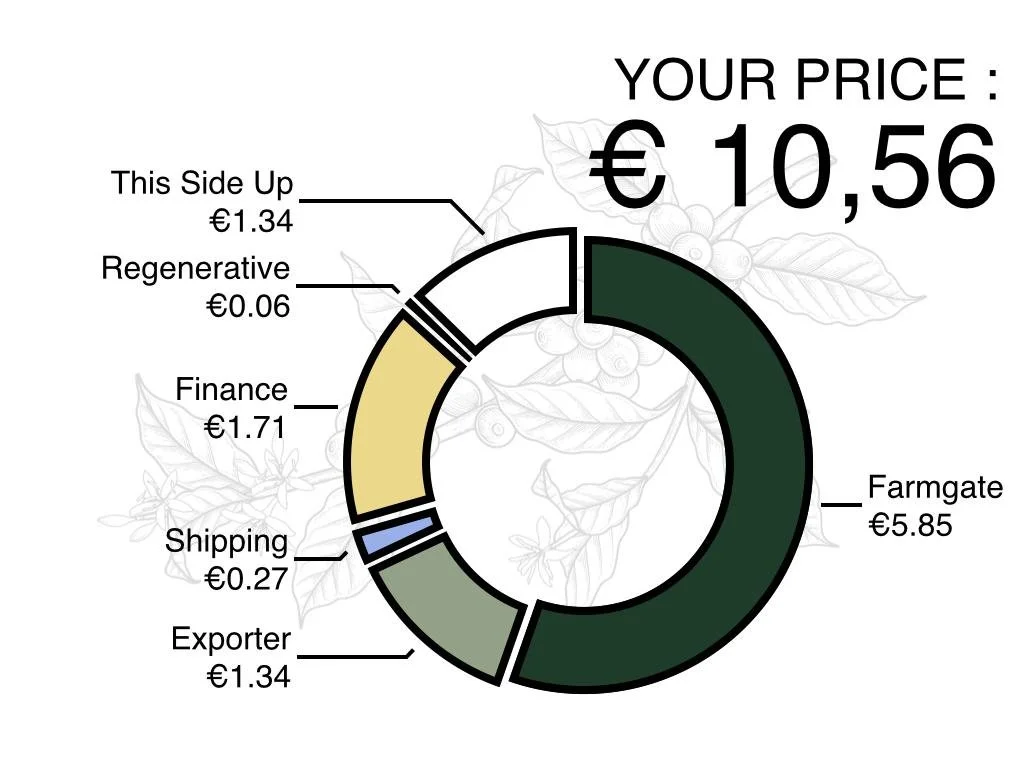
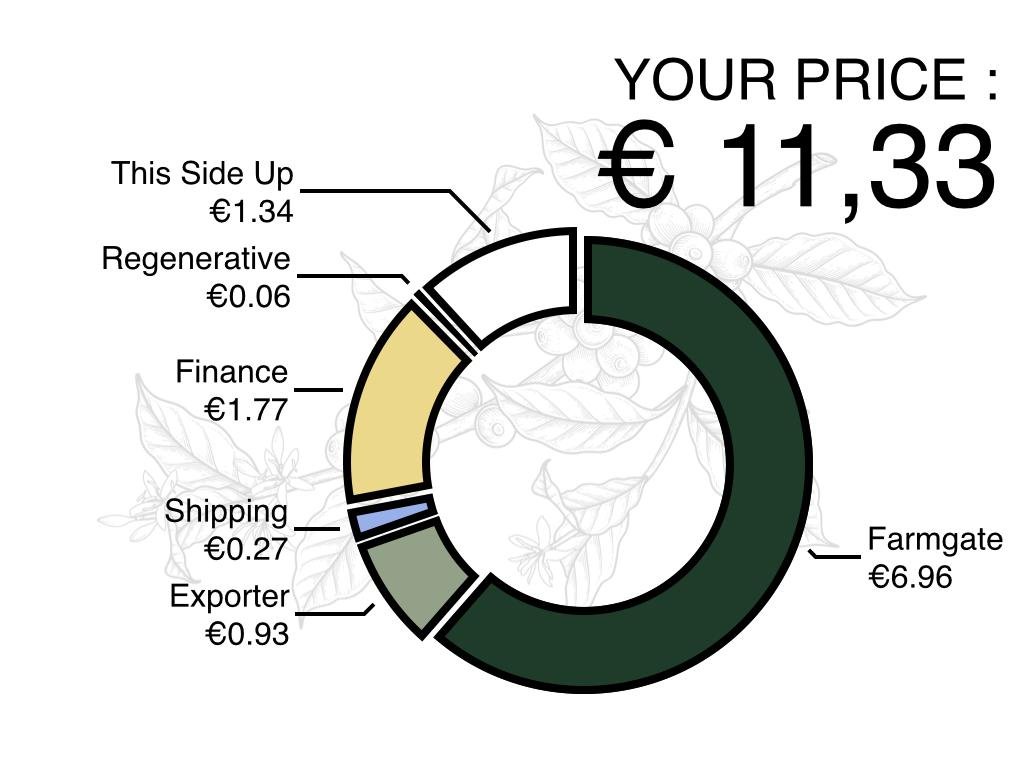
Their goal is to help their partners achieve consistent prices year on year, so they can invest back in the fields.


MOOLEH MANAY GHATTAHADALLY

acres: 75
trees: 50.000
workers: 7
seasonal workers: 40-74

(70% women)

VENKIDS VALLEY

acres: 170
trees: 127.500
workers: 8
seasonal workers:

(60% women)

CRAIGMORE KATTIMATTU

acres: 52 (42 cultivated)
trees: 28.000
workers: 23
seasonal workers: 12

(75% women)

SRIRANGALLI COMMUNITY

acres: 1-8 acres per farmer
farmer families: 8
trees: 7.000
workers:

community and SICC workers
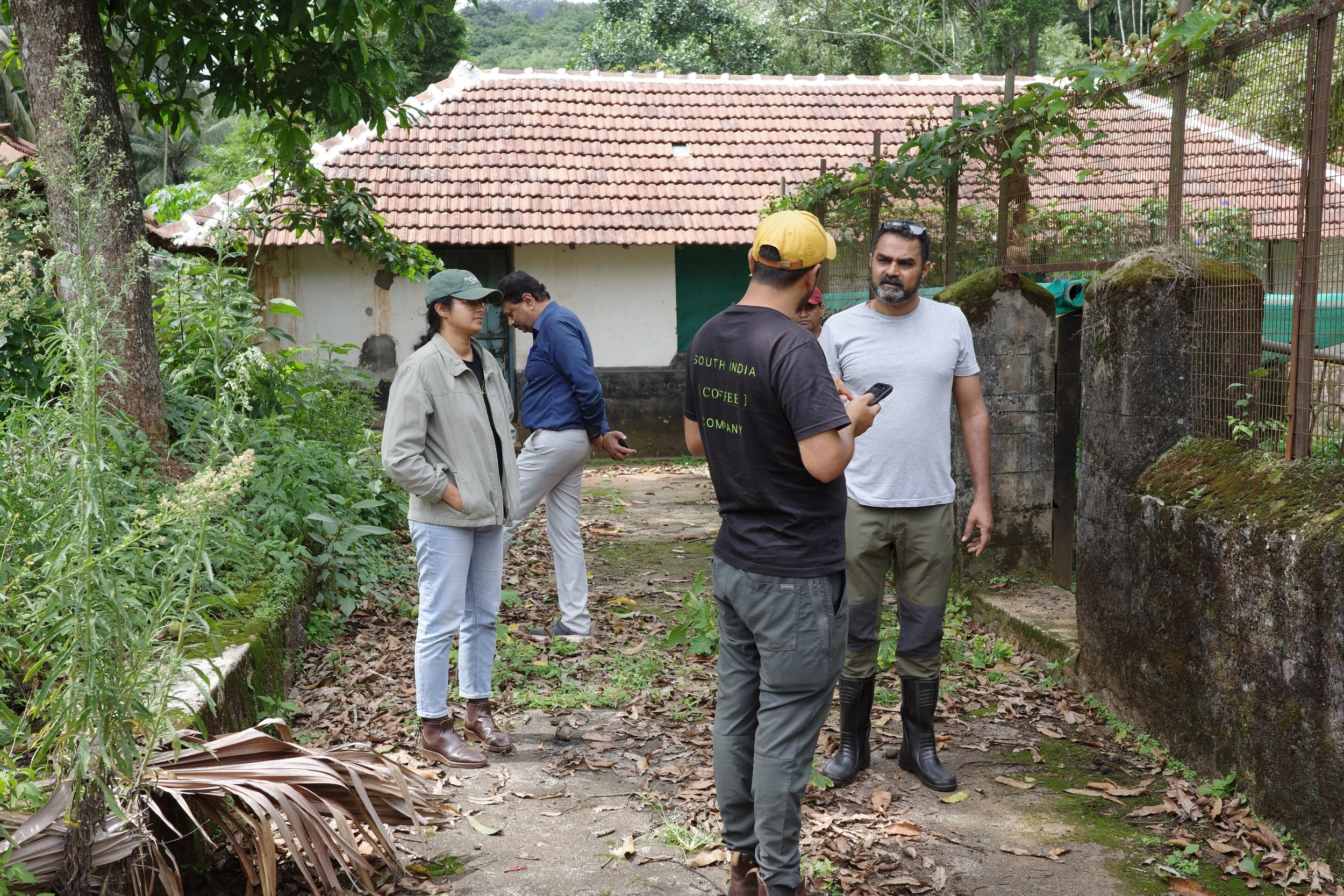
NARMADA ESTATE

acres: 240
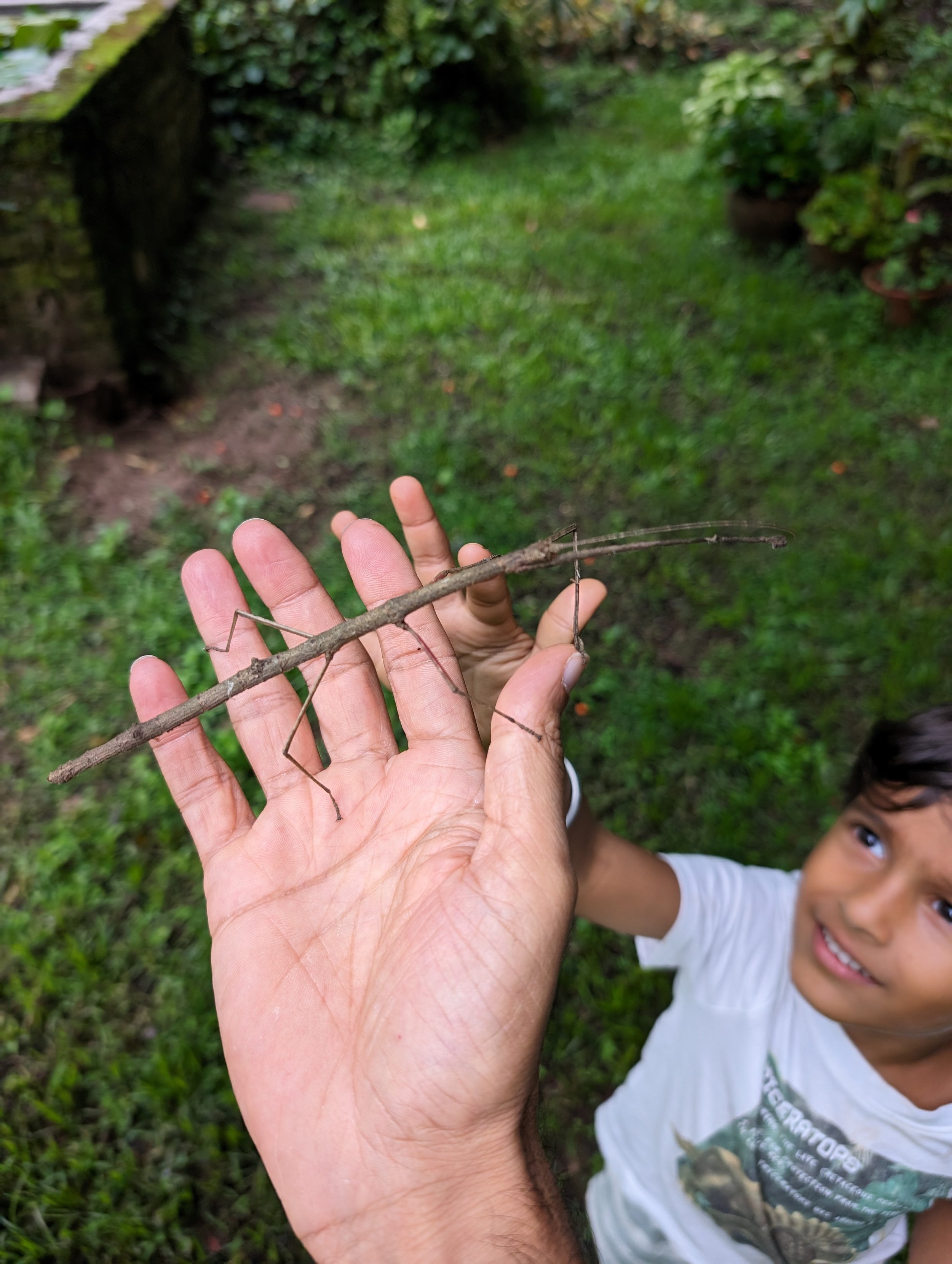
CRAIGMORE TINY SPOT

acres : 30 (with coffee block)

GHATTAHADALLY ESTATE

acres: 200


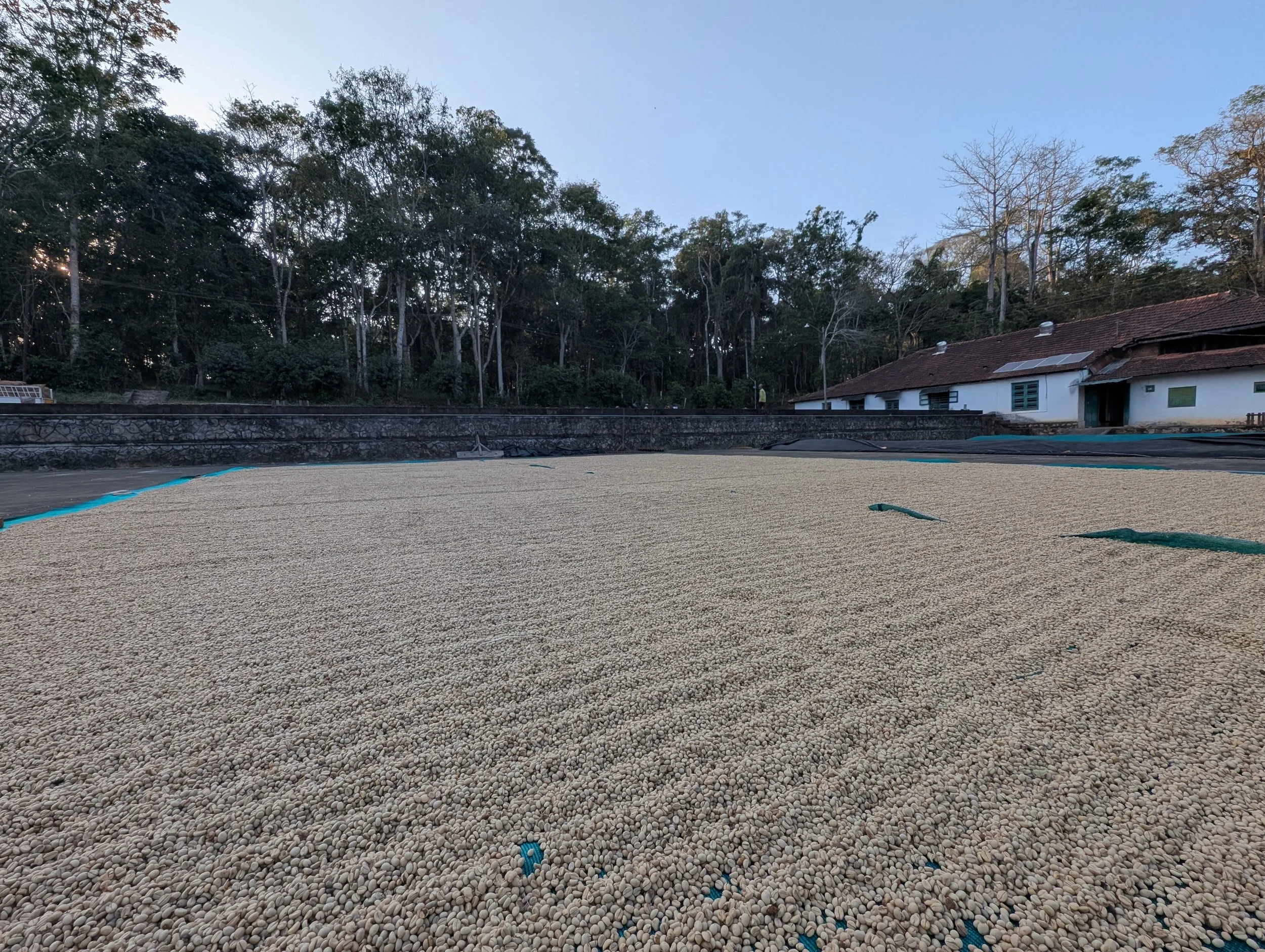
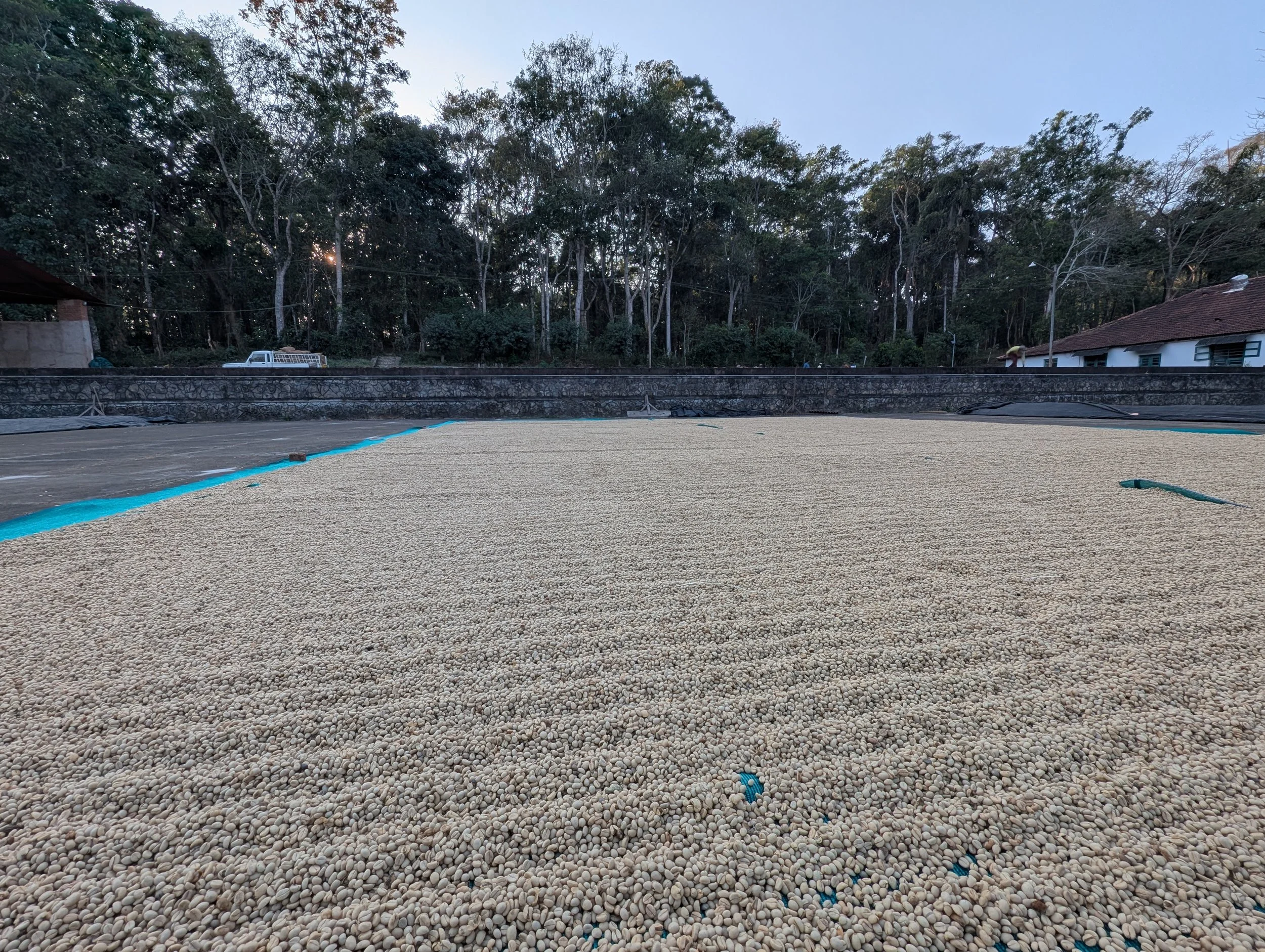
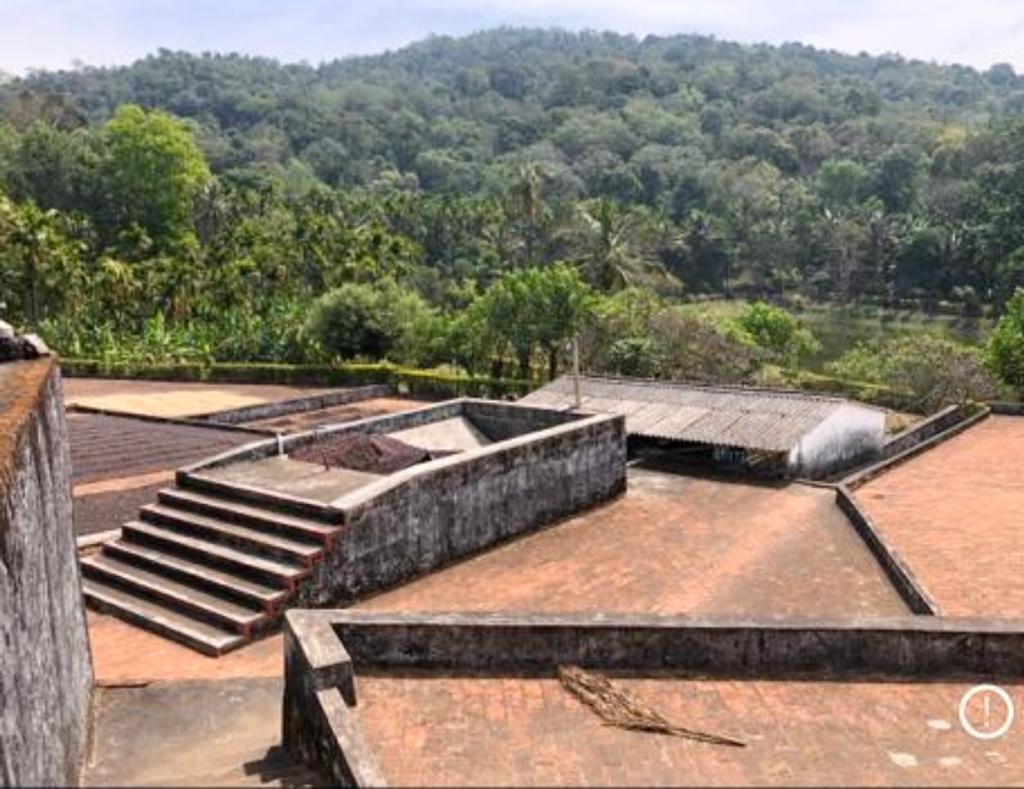
Venkids, Craigmore and Kanbile, like many estates, have their own wet milling and drying capacity, and our parter SICC (also estate owners) grade, mill and export this coffee. Srilangalli is community coffee, so many of the growers do not have their own drying yards- SICC processes and dries their coffees.


Traceability

You can find all the signed contracts and shipping documents that we made with South India Coffee Company since 2022 below (Google Drive).


2020 : Met Komal and Akshay via Instagram, at the very start of the pandemic after Lennart’s return from Chikmagalur. First import late in the season to account for our need for more specialty robusta.

2021 :.import of Venkids Valley and some small lots from Mooleh Manay. SICC are redefining what the European market can do with high quality robusta, and talks start about importing high quality arabica and excelsa.

2022 : Massively updated and expanded portfolio, including single farmer and community lots. People are astounded by the arabica’s produced by SICC’s partners, Craigmore is used in the Dutch Brewer’s Cup.

2023: Five new producers join our project through SICC. This means widening our vision and shared purpose with like-minded individuals who are already doing so much to fight global warming, increase farmers' livelihoods, and offer great coffee to the world. South India Coffee Company is becoming a pioneer in sustainable technology, standing at the forefront of soil analysis, installing a huge solar irrigation system, a bee project, and an ambitious economic viability program with profitability per acre compared to profitability per crop.


Our QC’s Impressions

India is diverse! Still somewhat of a “terra nova” on the specialty map, this country produces very special coffees. Indian arabicas tend to have bold flavours. Where the honeys are more delicate and floral with notes of berries and tropical fruits, the anaerobics tend to have pronounced concord grape and watermelon flavours. We noticed that the average washed Indian profile has a hard time finding its fans, but you can expect a good caramel sweetness, notes of black tea, cinnamon and stone fruits with a creamy mouthfeel.

The flavours and texture of excelsa are like eating creamy vanilla ice cream with almost overwhelming liquorice sweetness, some notes of papaya and raspberry and caramel aftertaste.

What stands out in our Indian specialty robustas is its cleanness. Sweet, chocolaty with warm spices, very full body and some hints of stone fruits if you roast it light.

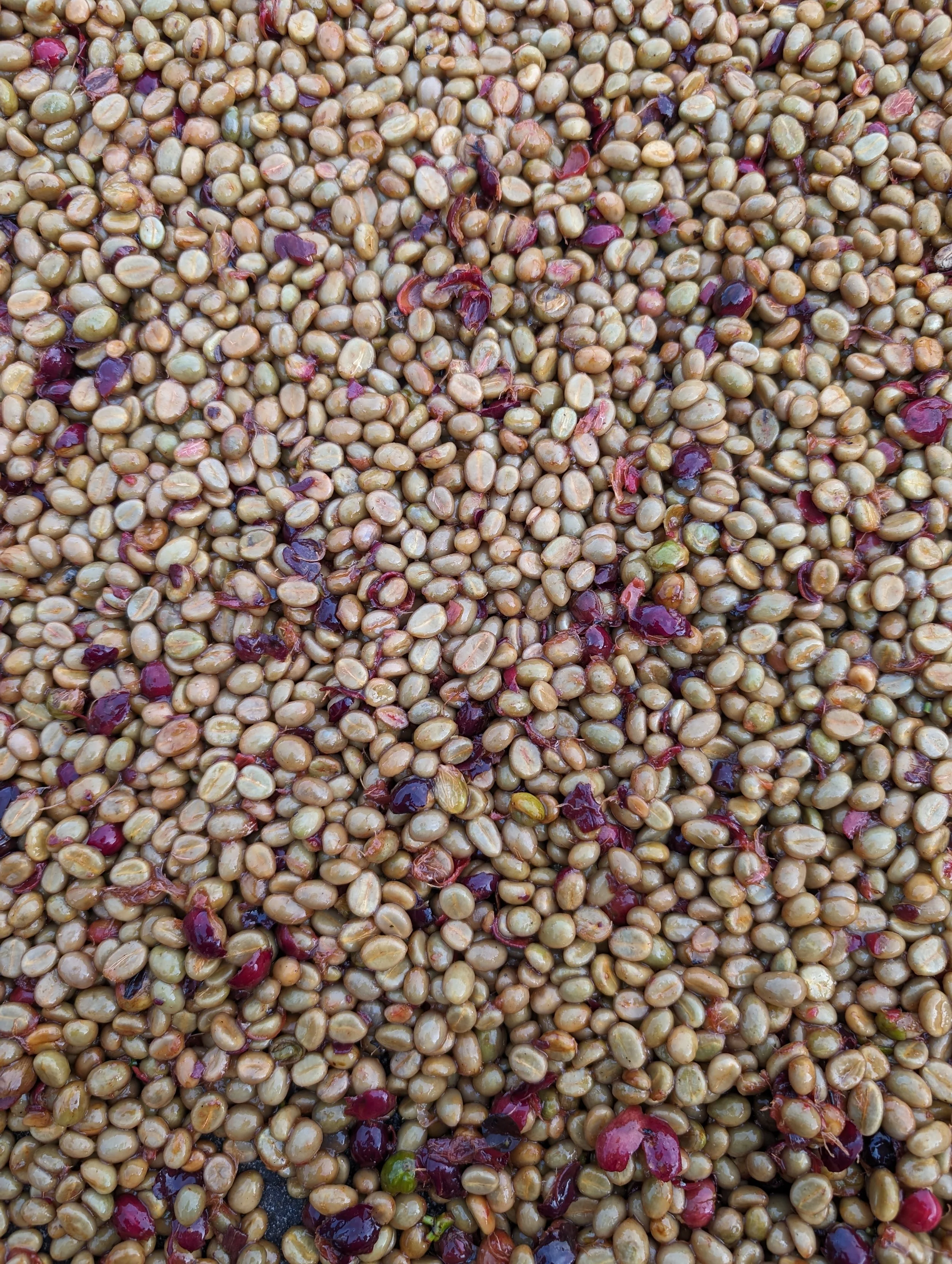
Mooleh Manay Natural Yeast Fermented (2024)

Roasting Advice

None of the Indian varieties seem to be easy to roast at first…This origin definitely needs some time and attention from a roaster to find the way to tame it. As a rule of thumb stretching “yellow” or Maillard phase will help a lot in bringing up both sugars and acidity (in arabicas) in these coffees. For excelsa, keeping your development time around 16% lets you not being fooled by its light colour and thus develop it fully.
At the moment we use a few profiles for different varieties and processes: Natural, Honey, Washed Asia, Robusta and Excelsa. You can use them freely, however pay attention to the Excelsa profile as it’s meant to be manual, so you will need to mark the first crack and press the drop button at 15-16% DT.


Komal and Akshay Dashrath

Komal and Akshay are very keen to meet roasters and all lovers of their coffee and regularly feature them on their beautiful instagram channel. Get in touch with Komal for any inquiries about any of the estates and communities they work with.
 

Email: komal@sicc.coffee
Phone: +91 99701 98003


Nakur Shirangala, Coorg, Karnataka, India


reviving coffee with data and other species


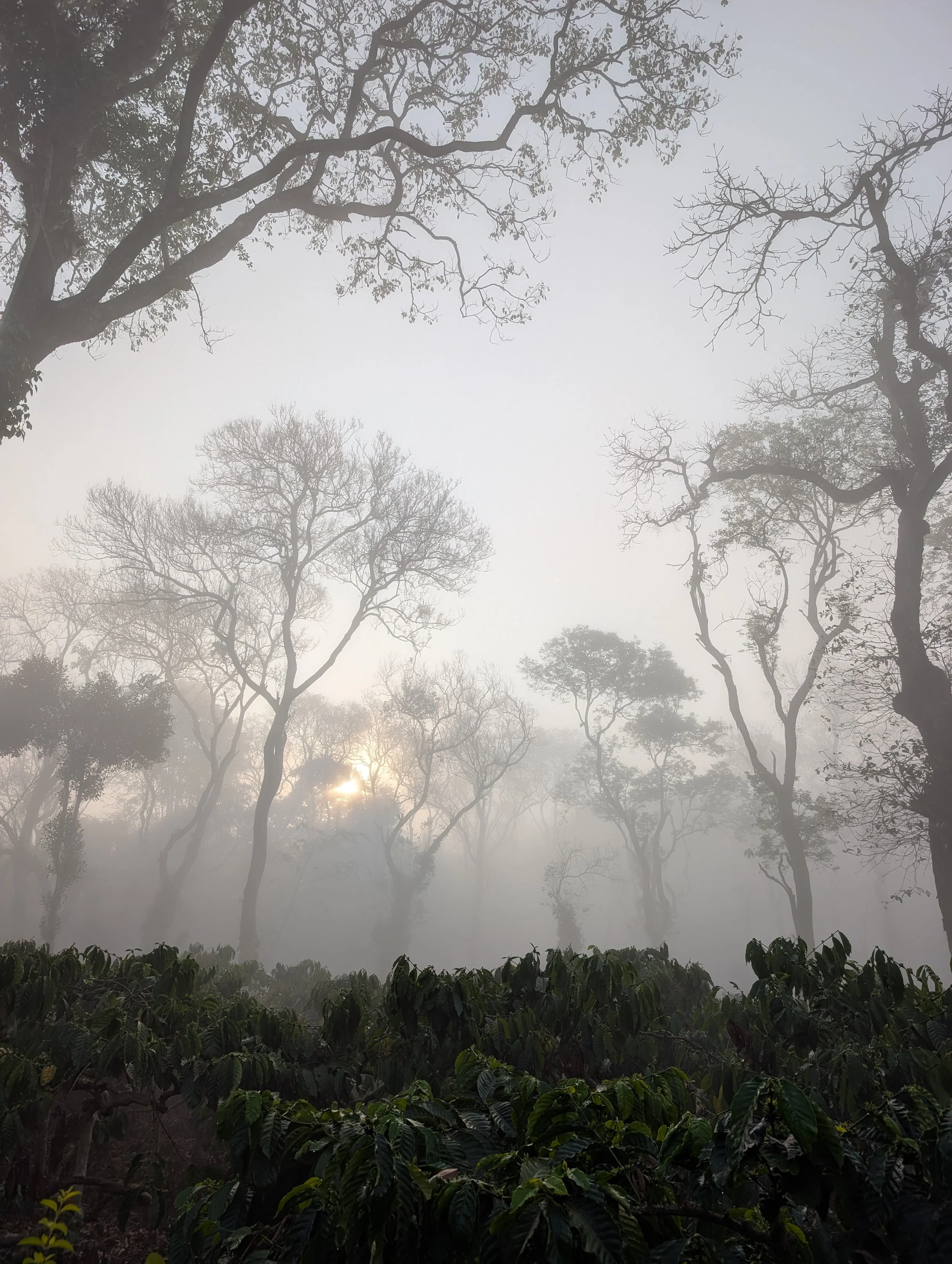
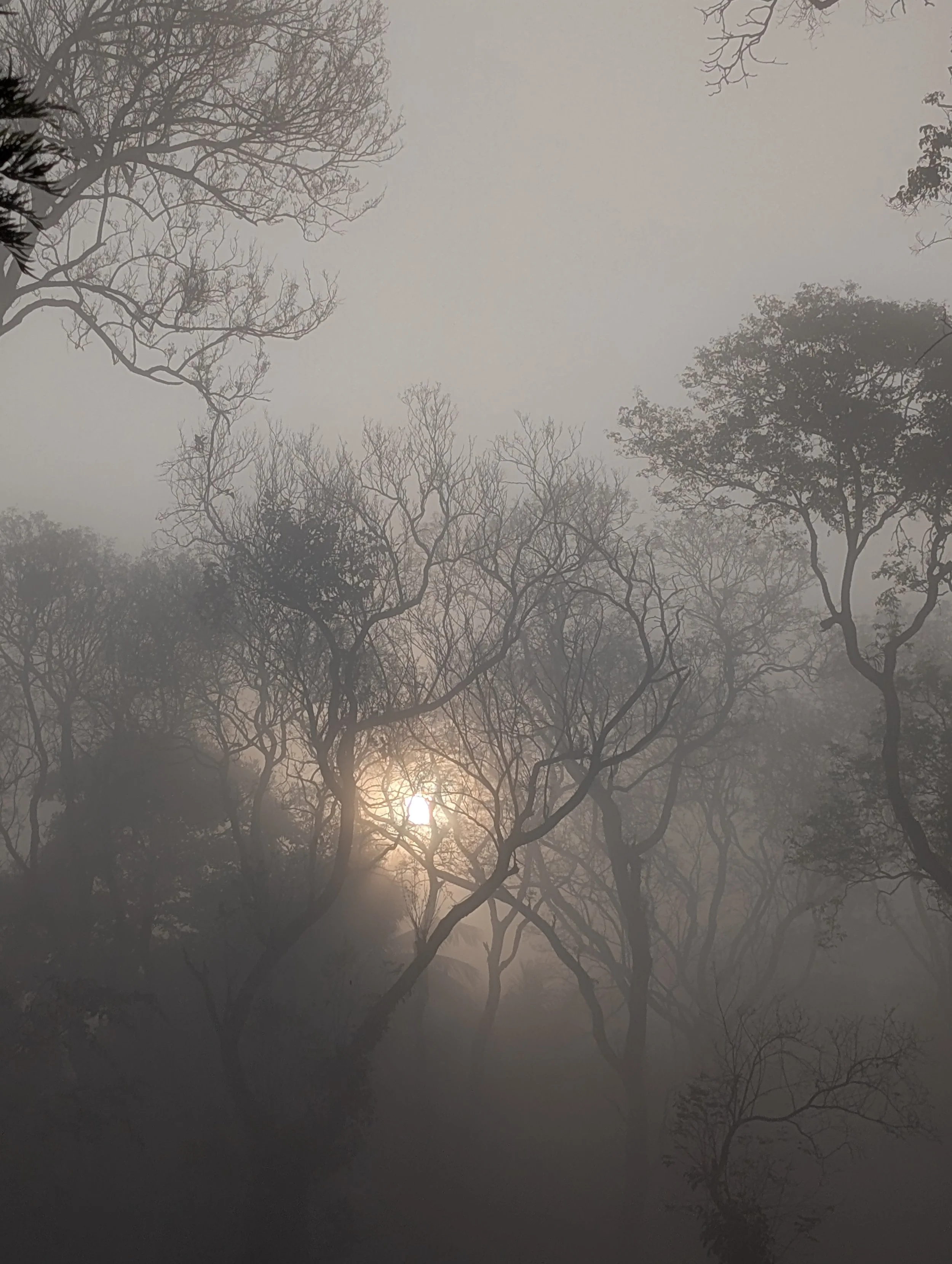
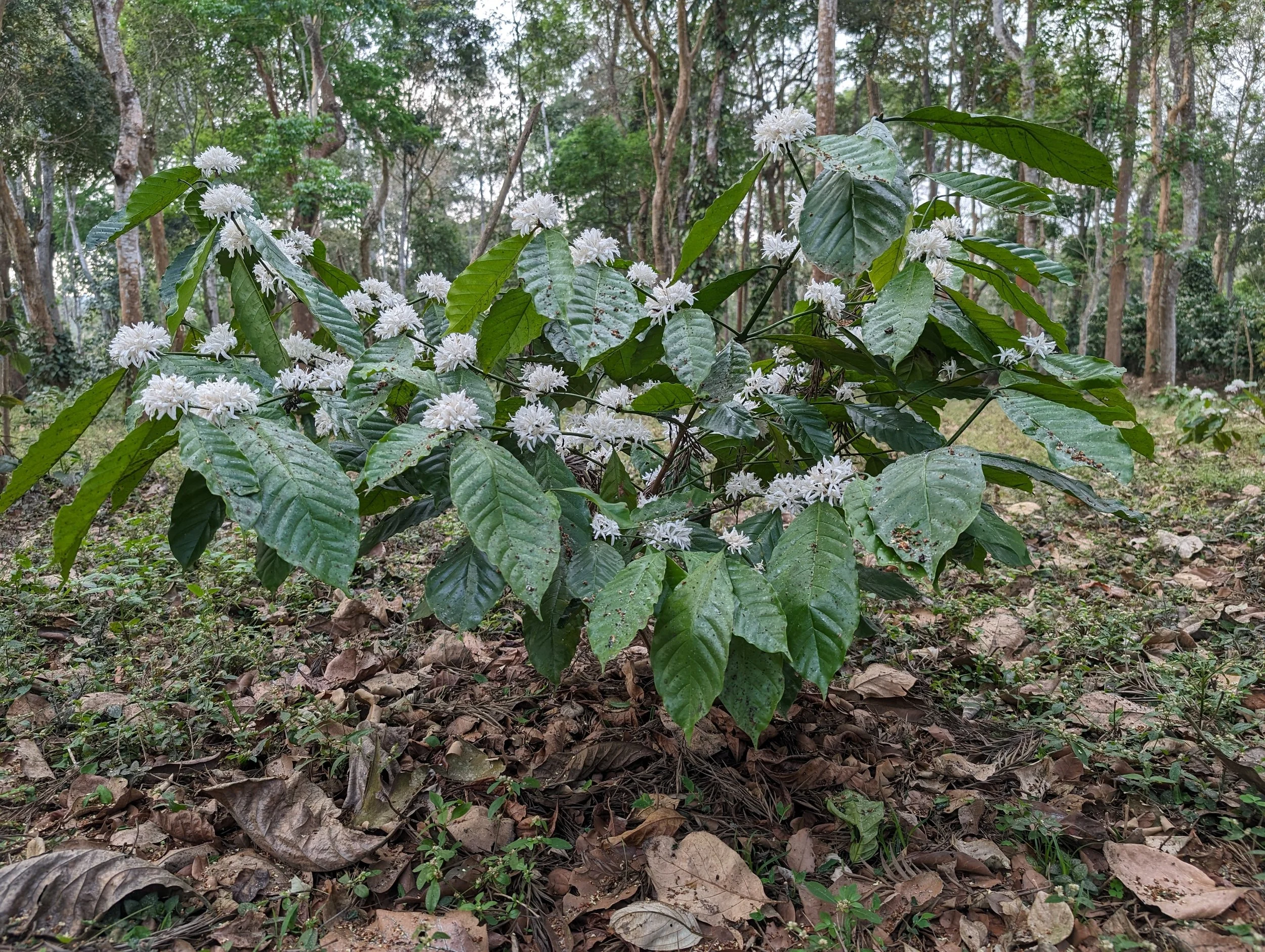
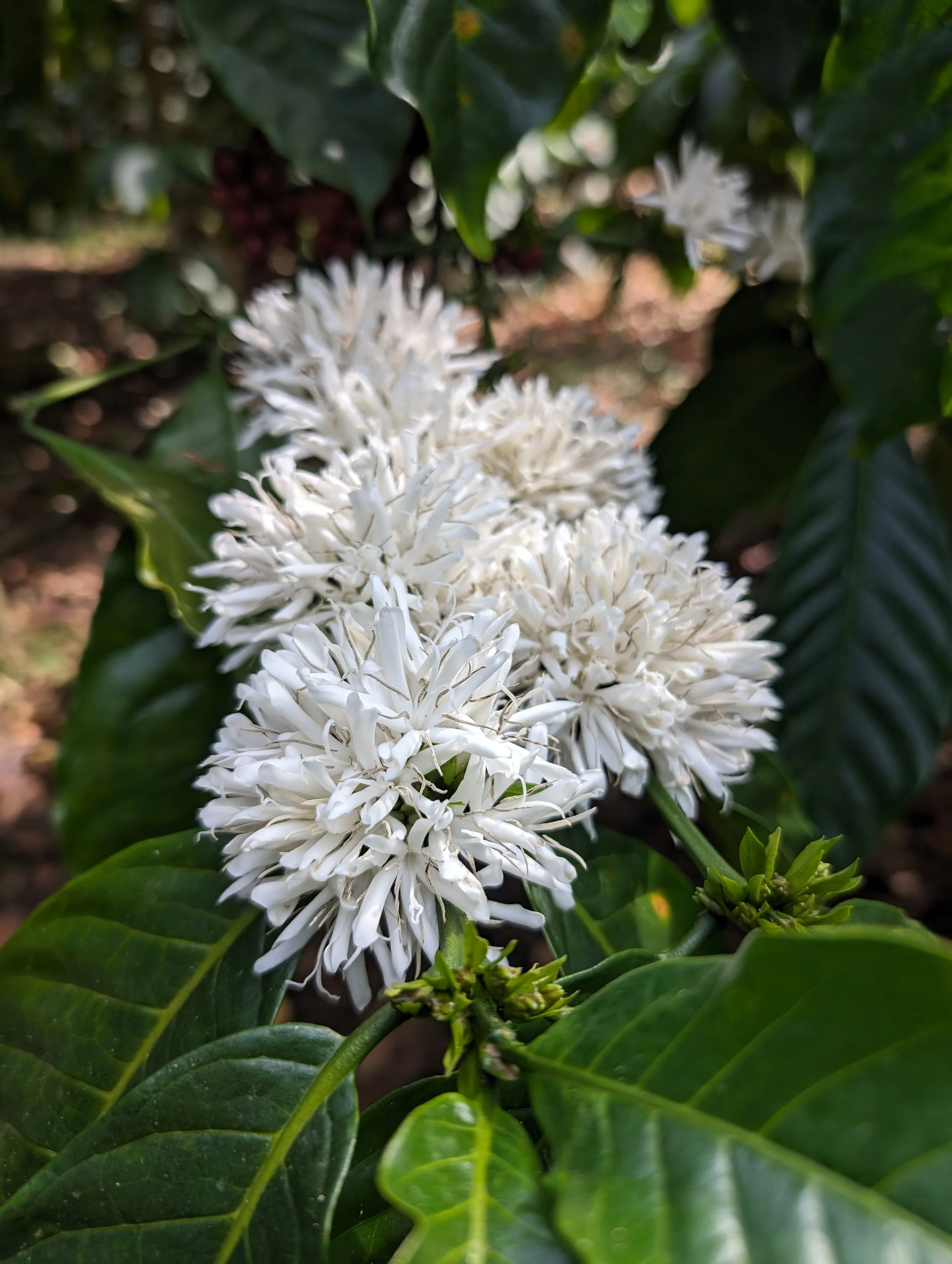
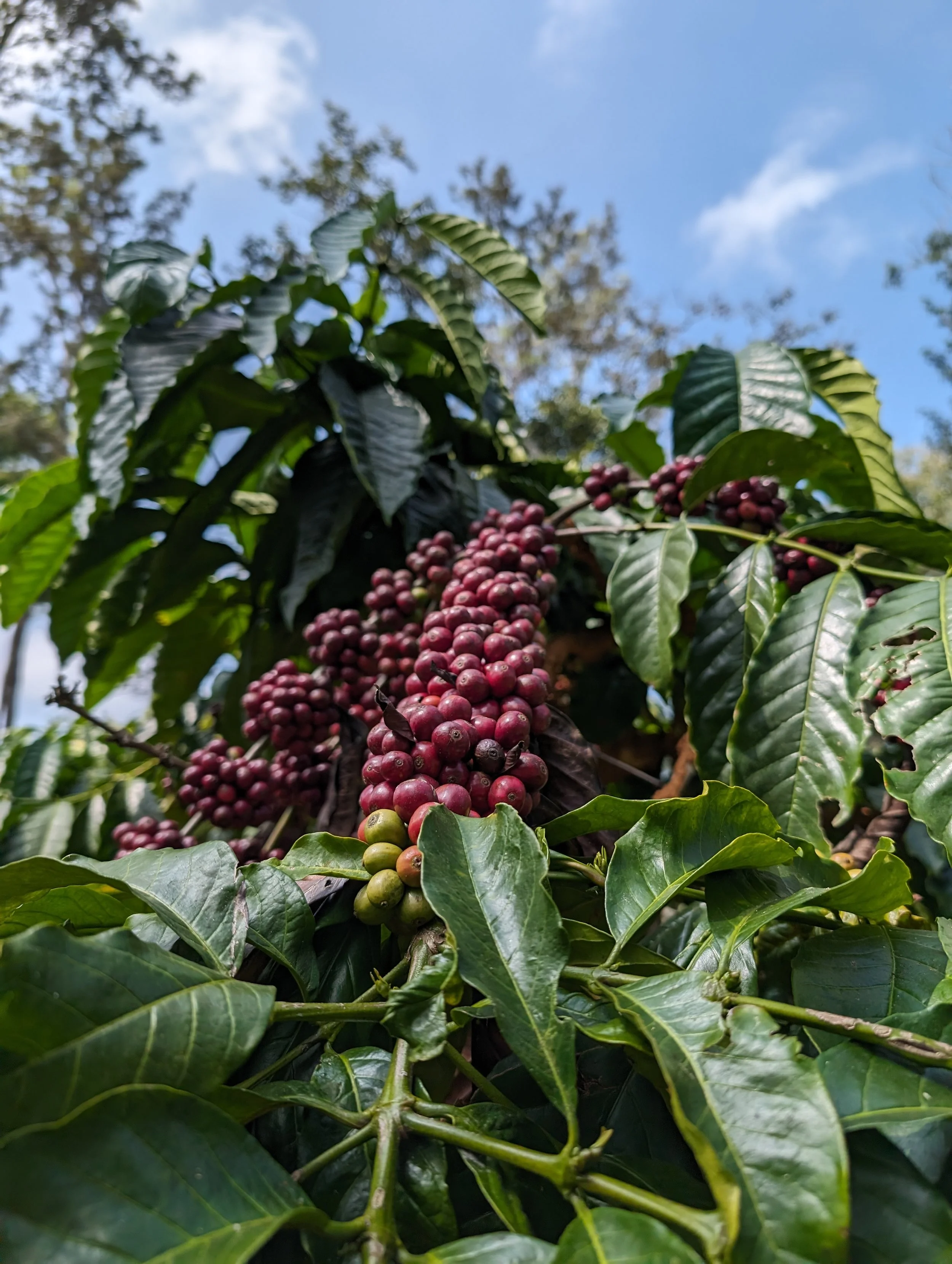
Mooleh Manay Estate is managed by Komal and Akshay, taken over from 4th generation coffee planter, Ms. G.G. Padmashree. Mooleh Manay estate is located near the beautiful backwaters of the Harangi Reservoir in Coorg, Karnataka. The producers take a data-driven approach to farming and coffee processing, believing that data is essential for optimizing agricultural practices and ensuring the highest quality coffee production. The farm uses meticulous processing methods and is not afraid to experiment to bring out the best the coffee has to offer.

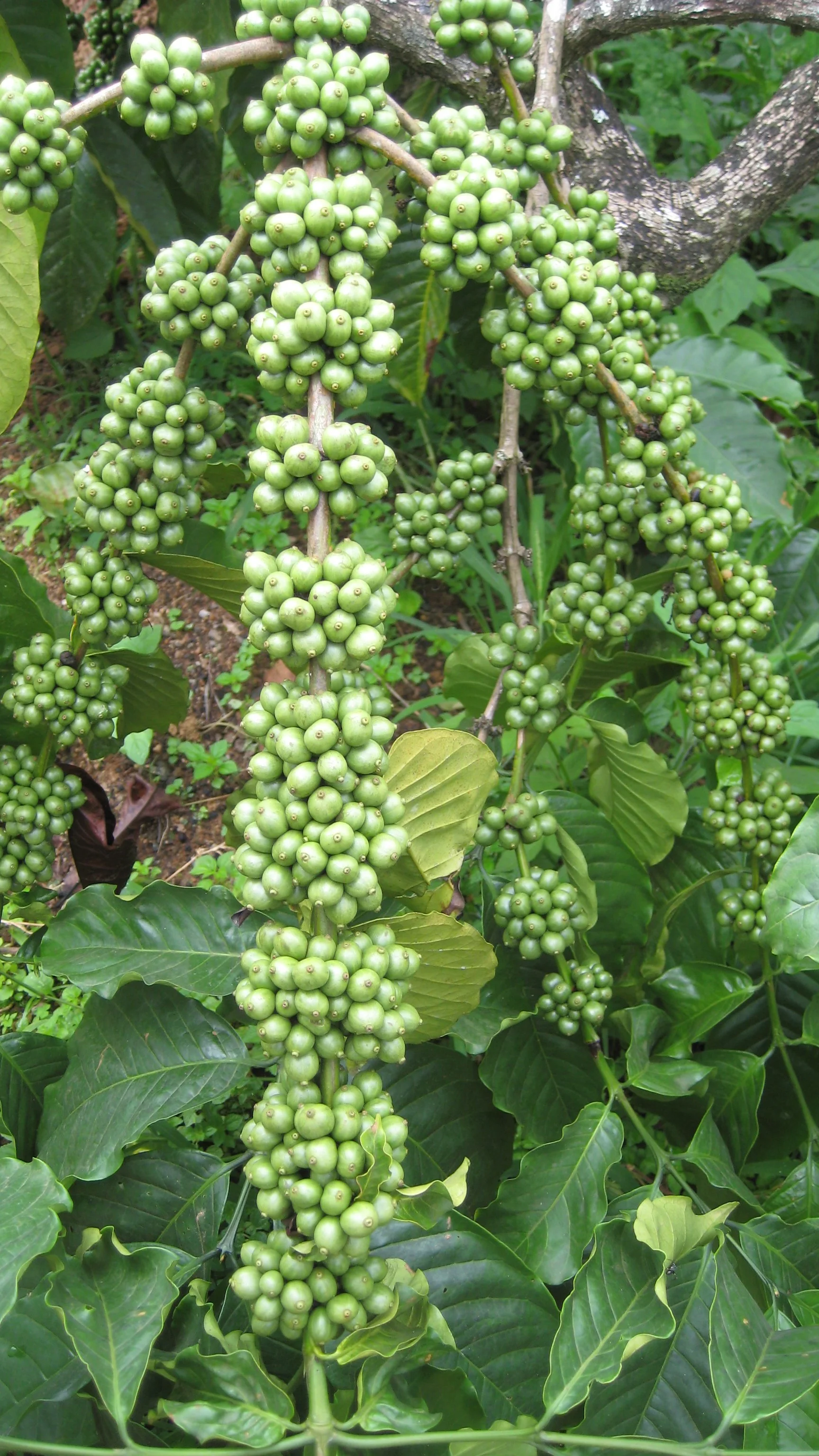
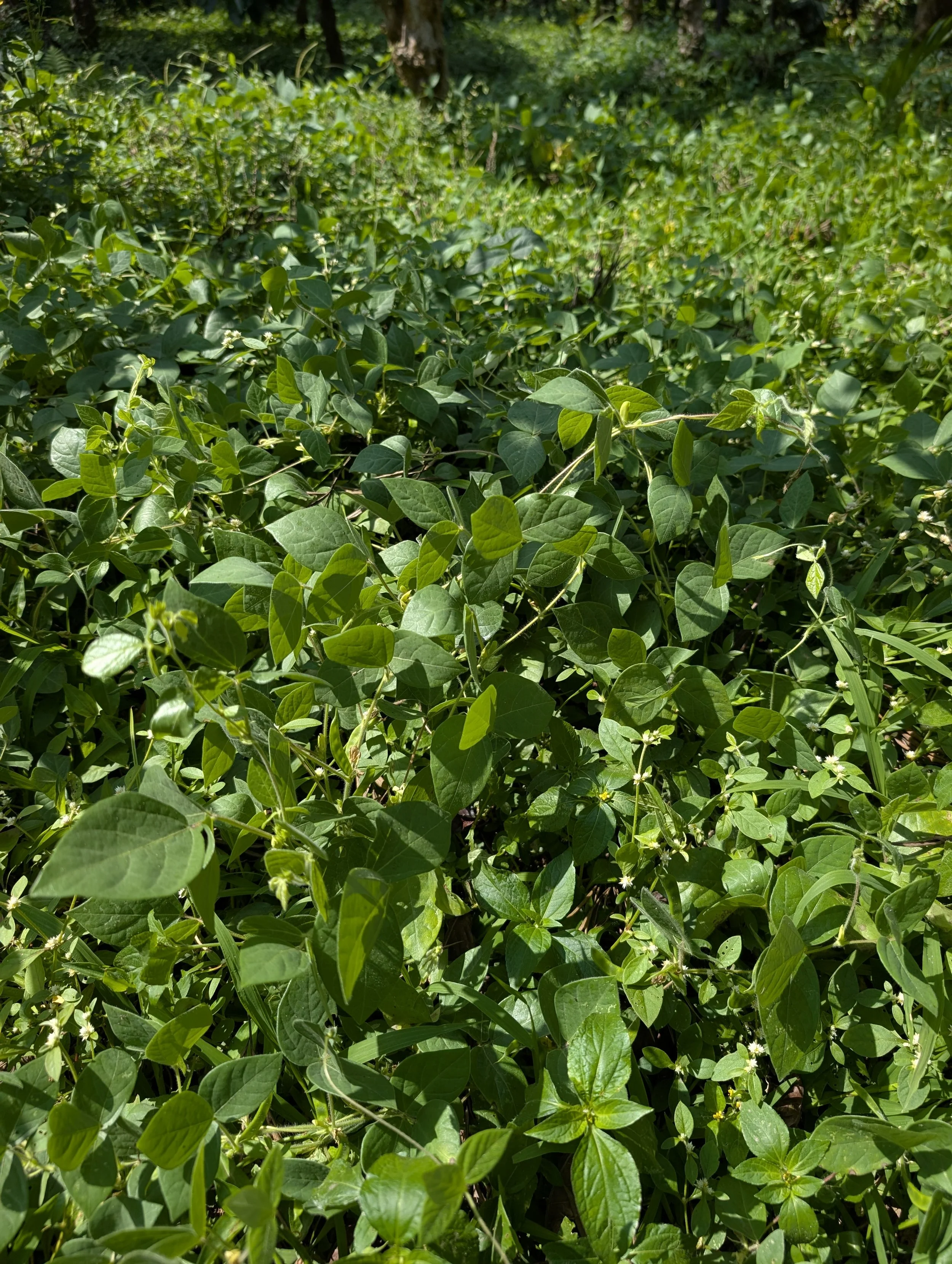
Excitingly, they are becoming known for their species innovation: by rediscovering native species, introducing other lesser known species and grafting different species onto each other, this farm has a very unique and important role in making coffee climate resilient - for themselves, their community and possibly the world.


CULTIVARS

arabica - Chandragiri,
robusta - CxR and Old Peradeniya and
Excelsa


elevation

900 - 1200 meters


NOTABLE

Most farms across Coorg have been growing Excelsa across the boundaries of the farms. This year the Excelsa community naturals were sourced from 4 different farms across Coorg,that included the Srirangalli community.


Available lots:


Photo gallery

You may use these images freely to promote Mooleh Manay’s coffee amongst your customers.


where innovation and regeneration meet

Pavan and Shilpa are both third generation coffee growers with their roots coorg, India. Pavan learnt all that he needed from his father about traditional production and farm practices. Shilpa who was born and brought up in Bangalore studied business and English literature. She is also a Bharatnatyam dancer who has many accolades to her name. At Venkids valley estate, she handles management and marketing of their brand: Papakuchi Coffee.

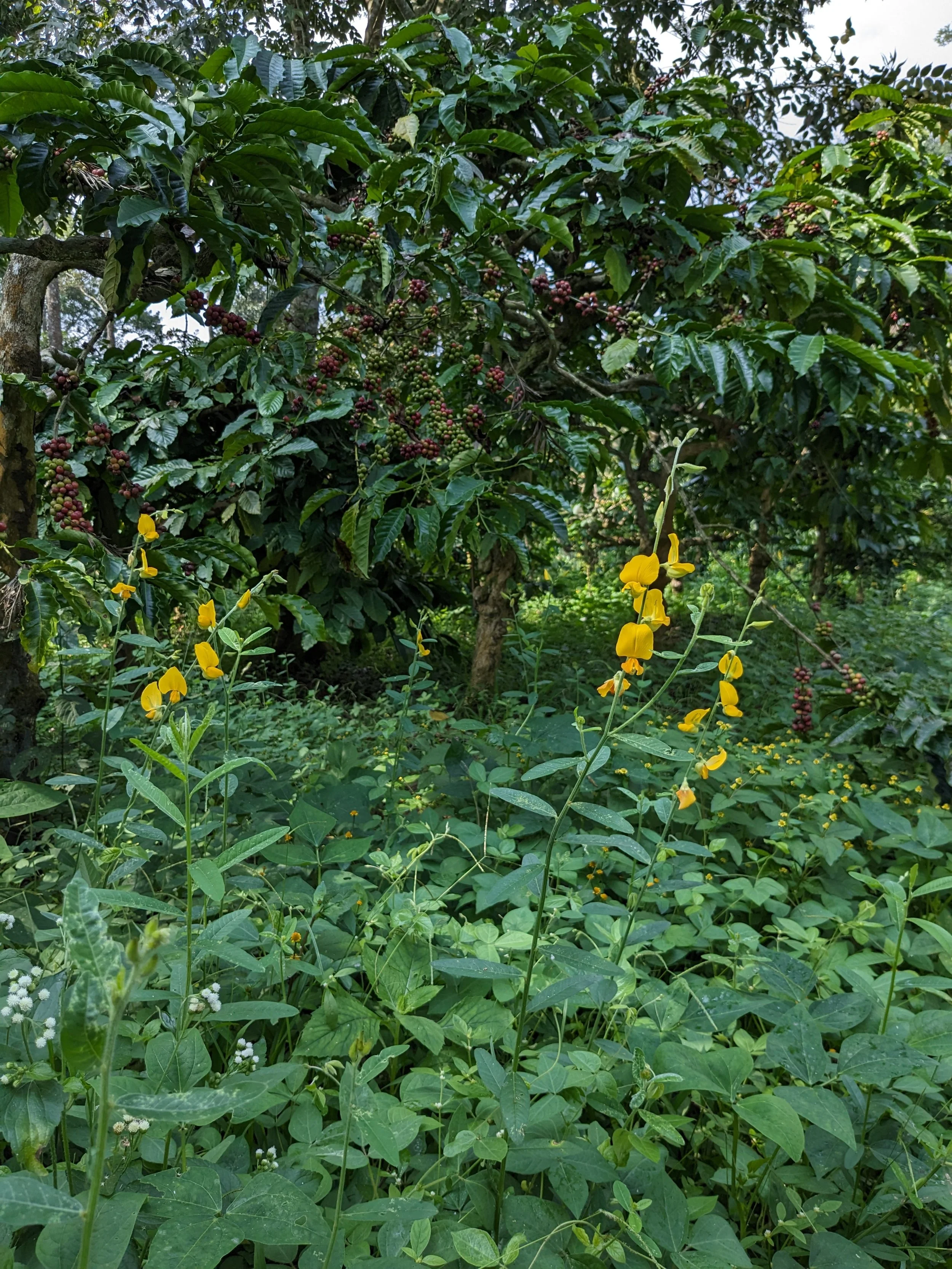
They grow both arabica and robusta which are planted in blocks based on their varietals. This planning facilitates traceability. Pavan's team at the farm bring this alive through their hard work and dedication to support his vision in great detail. Located at Kandankolli village in Coorg, Venkids Valley estate spans over 170 acres coffee is intercropped with avocado, sapota, mangosteen, bitter lime, garcinia, oranges and mangoes. Innovation is at the heart of his operations. Reduced water use, organic manure, mechanical drying etc are some of the important initiatives at Venkids Valley estate.

Pavan, Shilpa and their two kids and two dogs (one of whom is Zorro who is a gentle hunk!) live in Venkids Valley.


CULTIVARS

robusta - CxR

elevation

1100 MASL 

NOTABLE

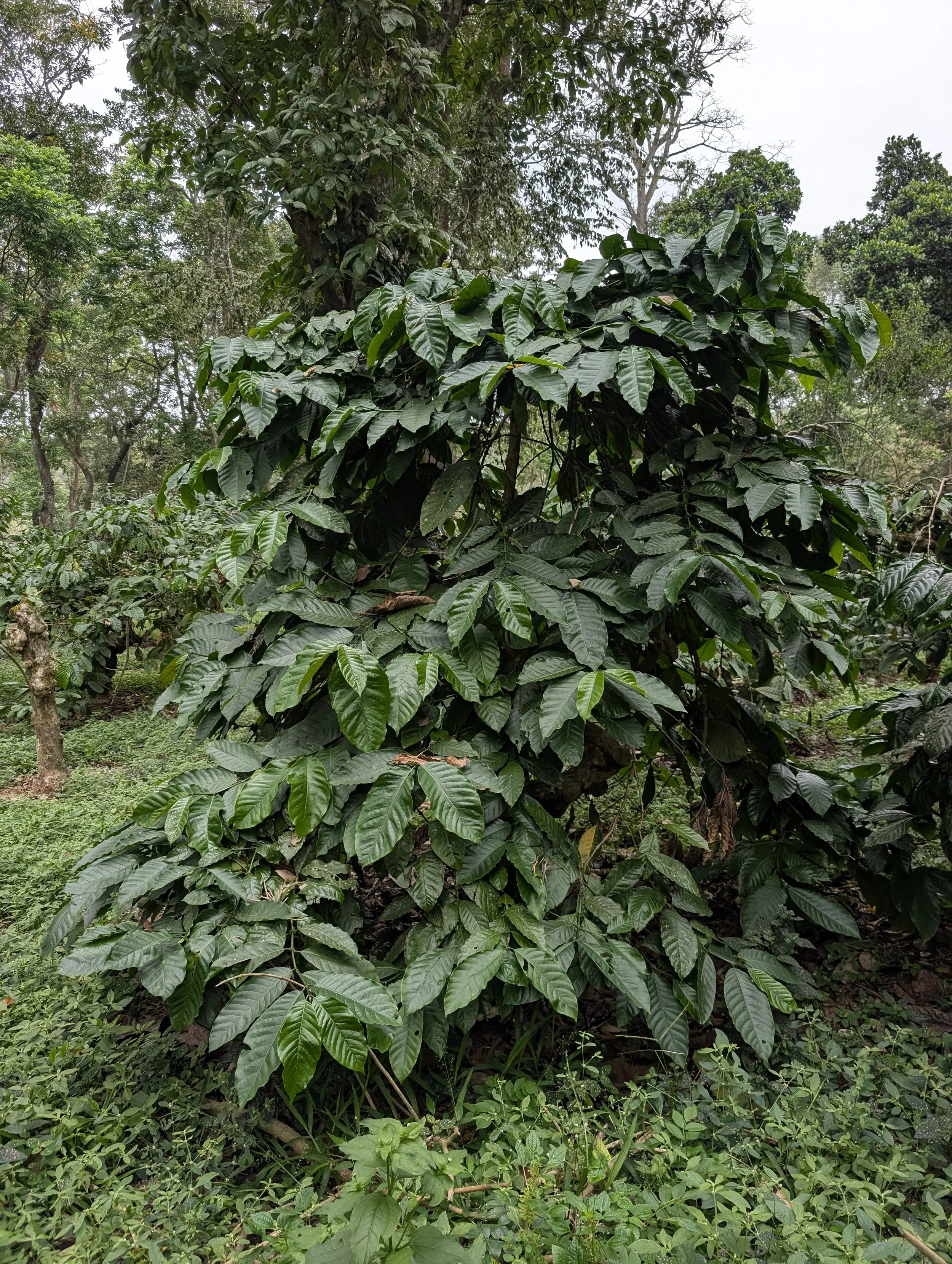
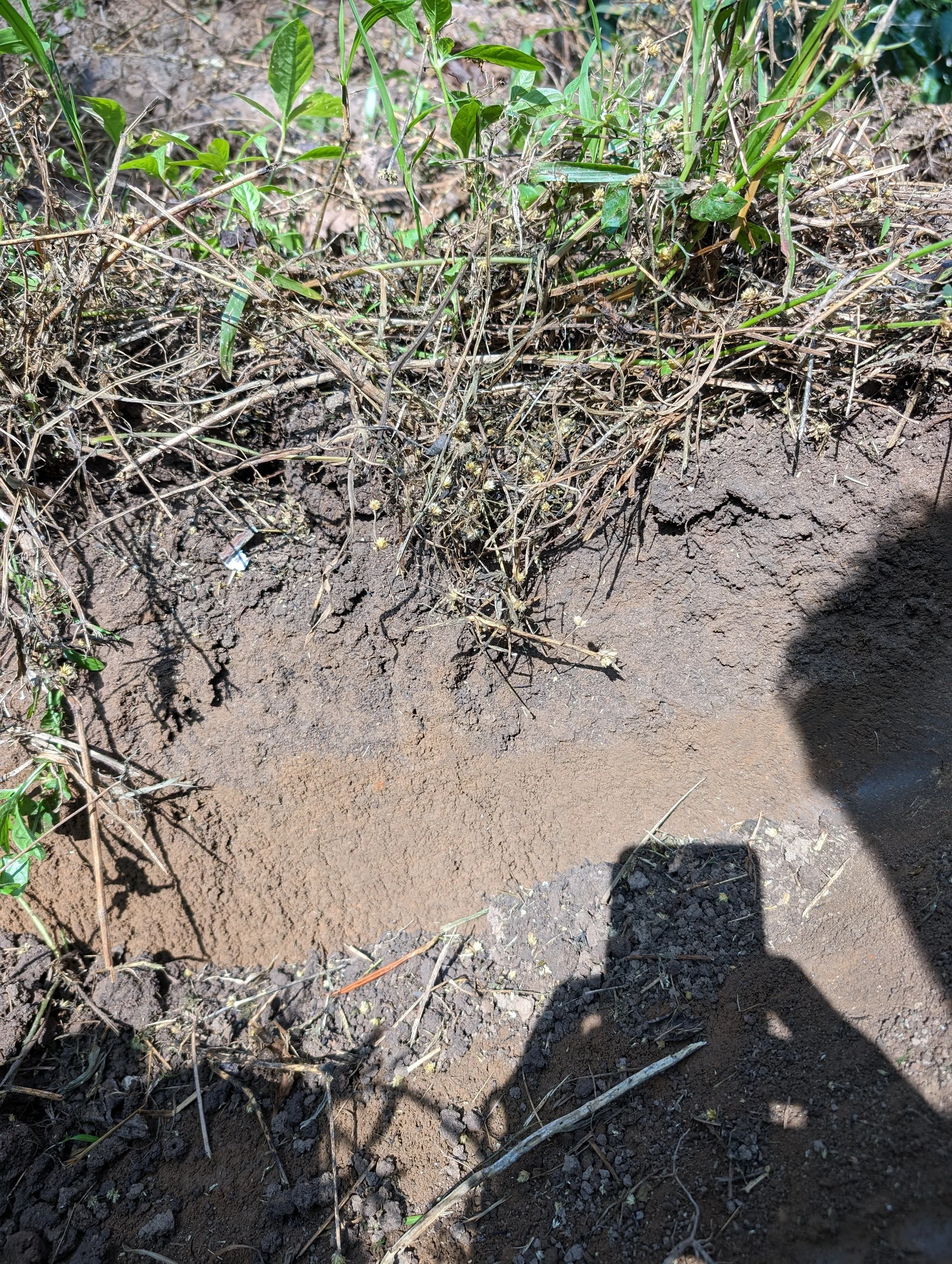
In 2023, Papakuchi coffee innovated to bring the water used per kg of coffee from 5 liters to 800 ml through efficient recycling. The effluent water and coffee husks are treated with bio enzymes and fed back into the soil as manure as well as irrigation. Coffee is shade grown (2 tier for Arabica and 1 tier for Robusta) and management is done every 2-3 years. Home to over 60 species of jungle trees, several species of migratory birds and wildlife year around.


PROCESSING

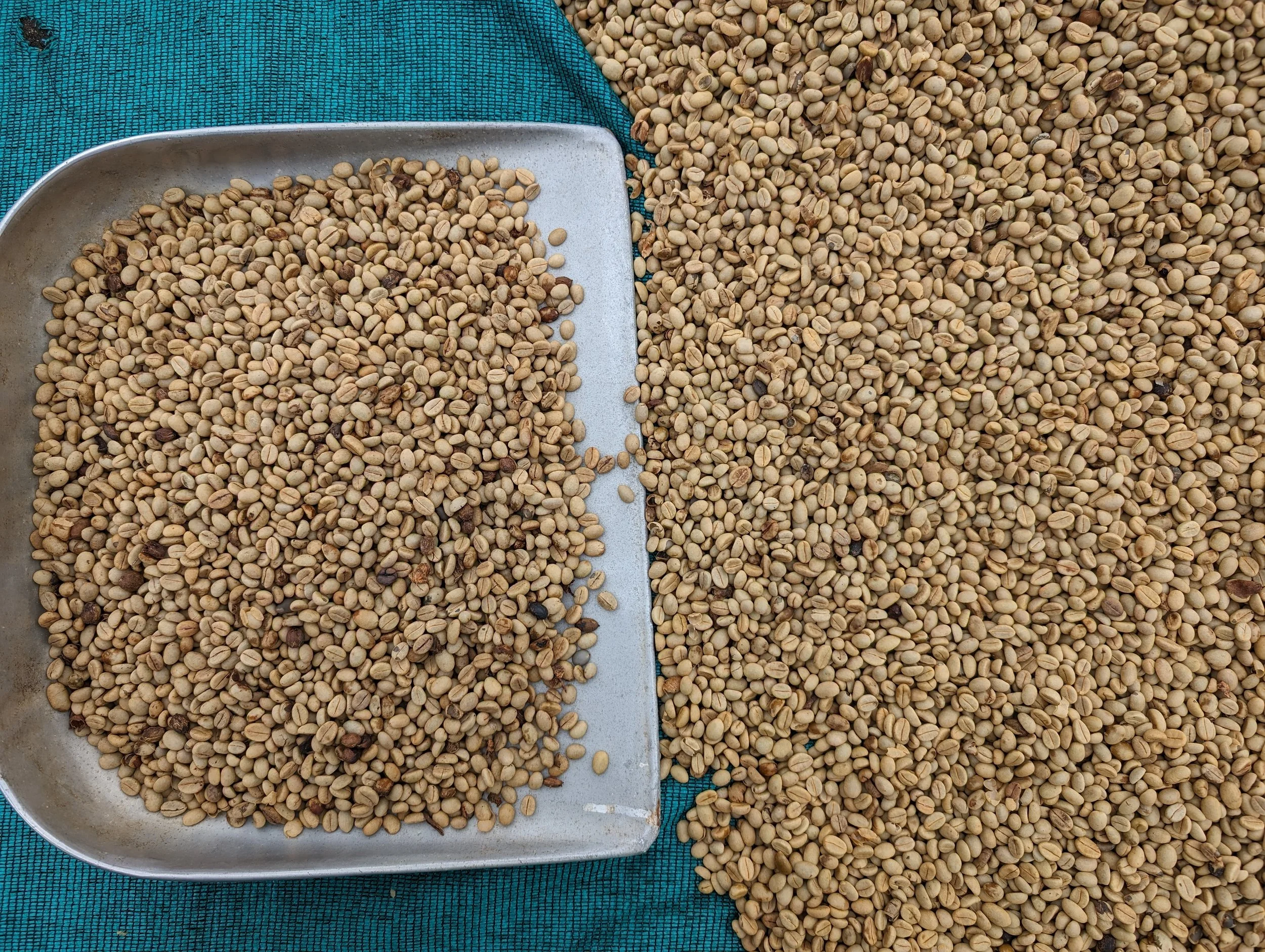
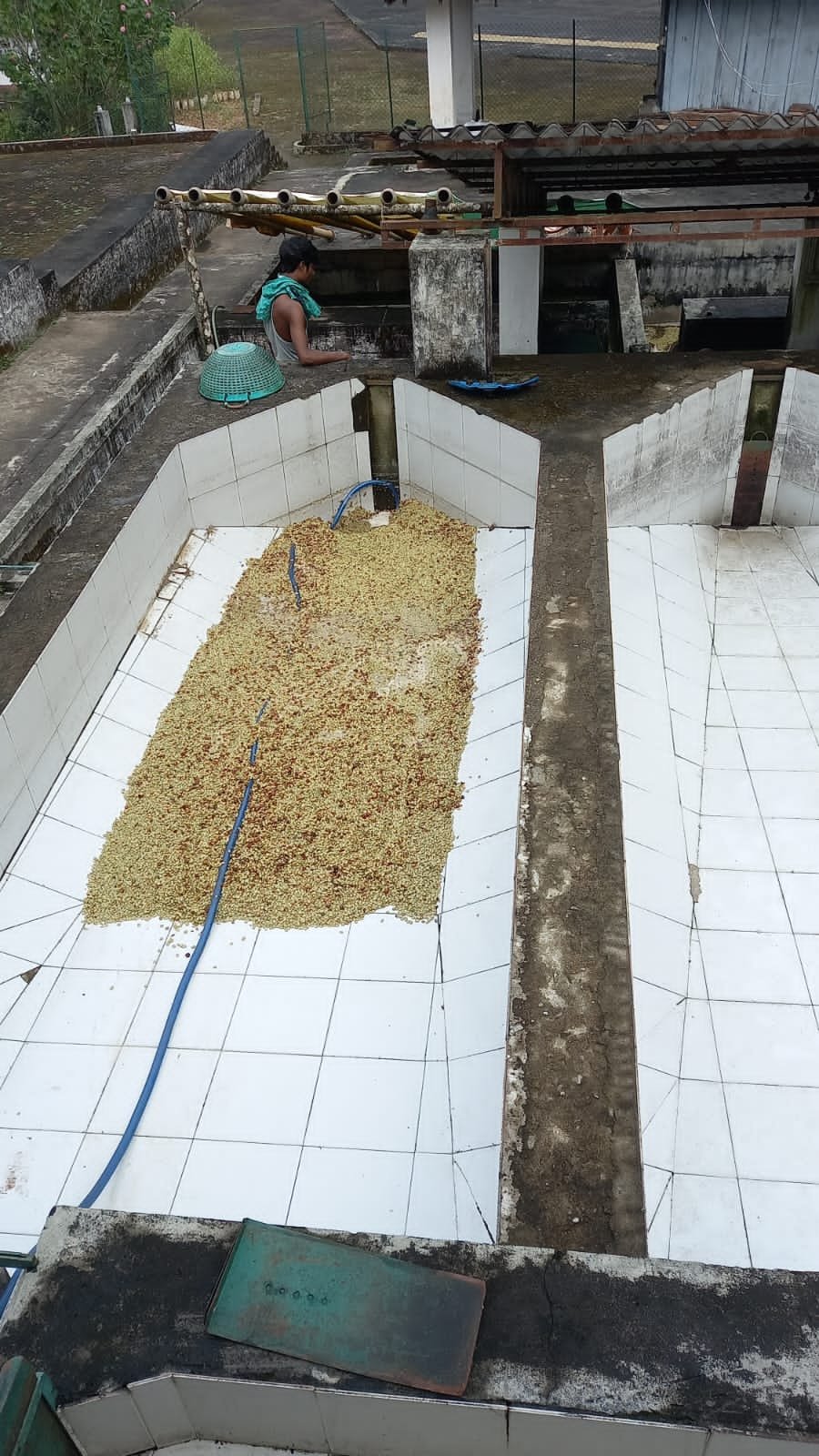
Washed : Coffee cherries are hand picked, pulped on the same day. Following a fermentation, the coffee is washed meticulously and spread out on patios to be sun dried. Even raking throughout this time helps meet the desired moisture levels. After which they are ready for bagging.

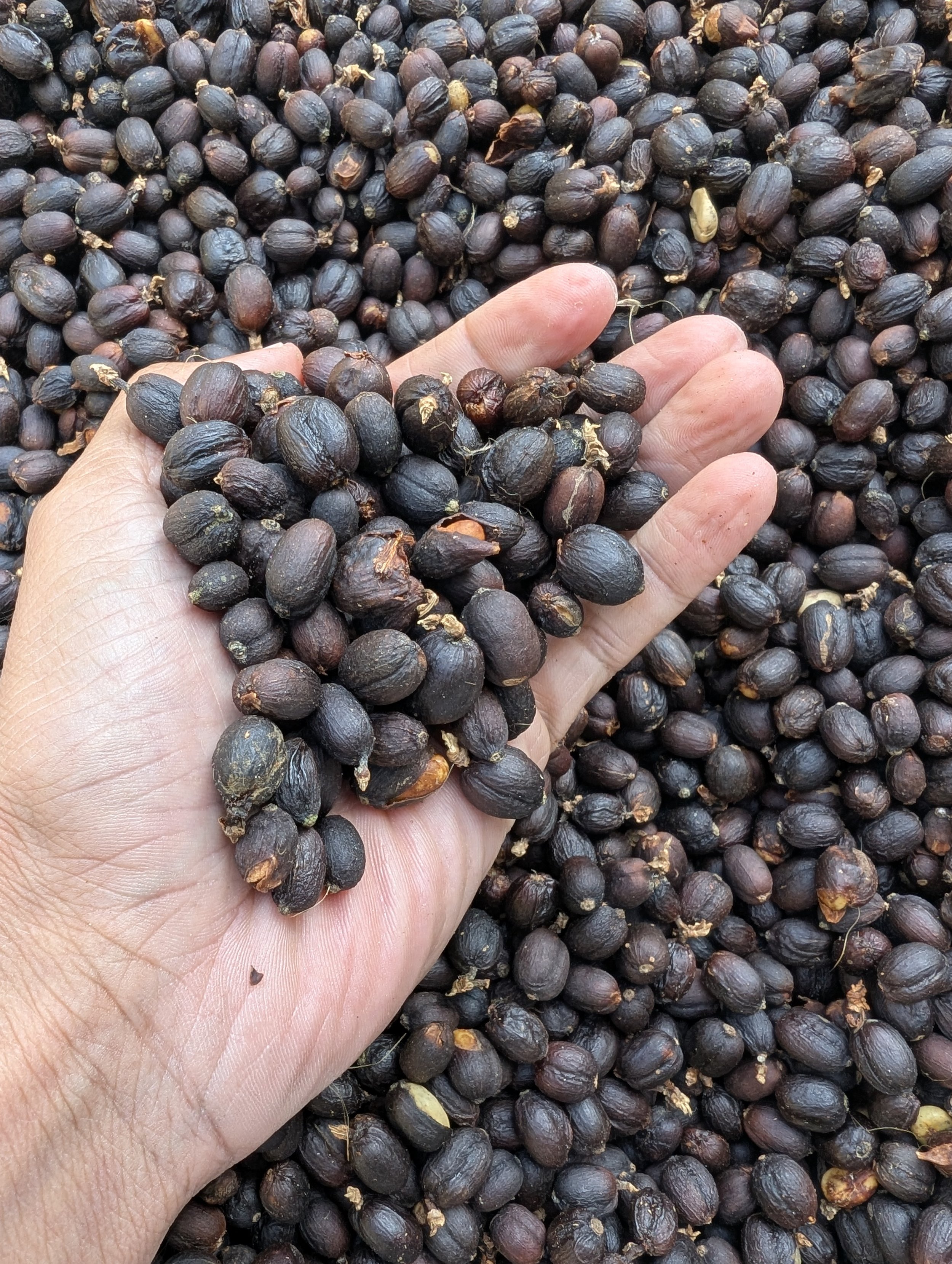
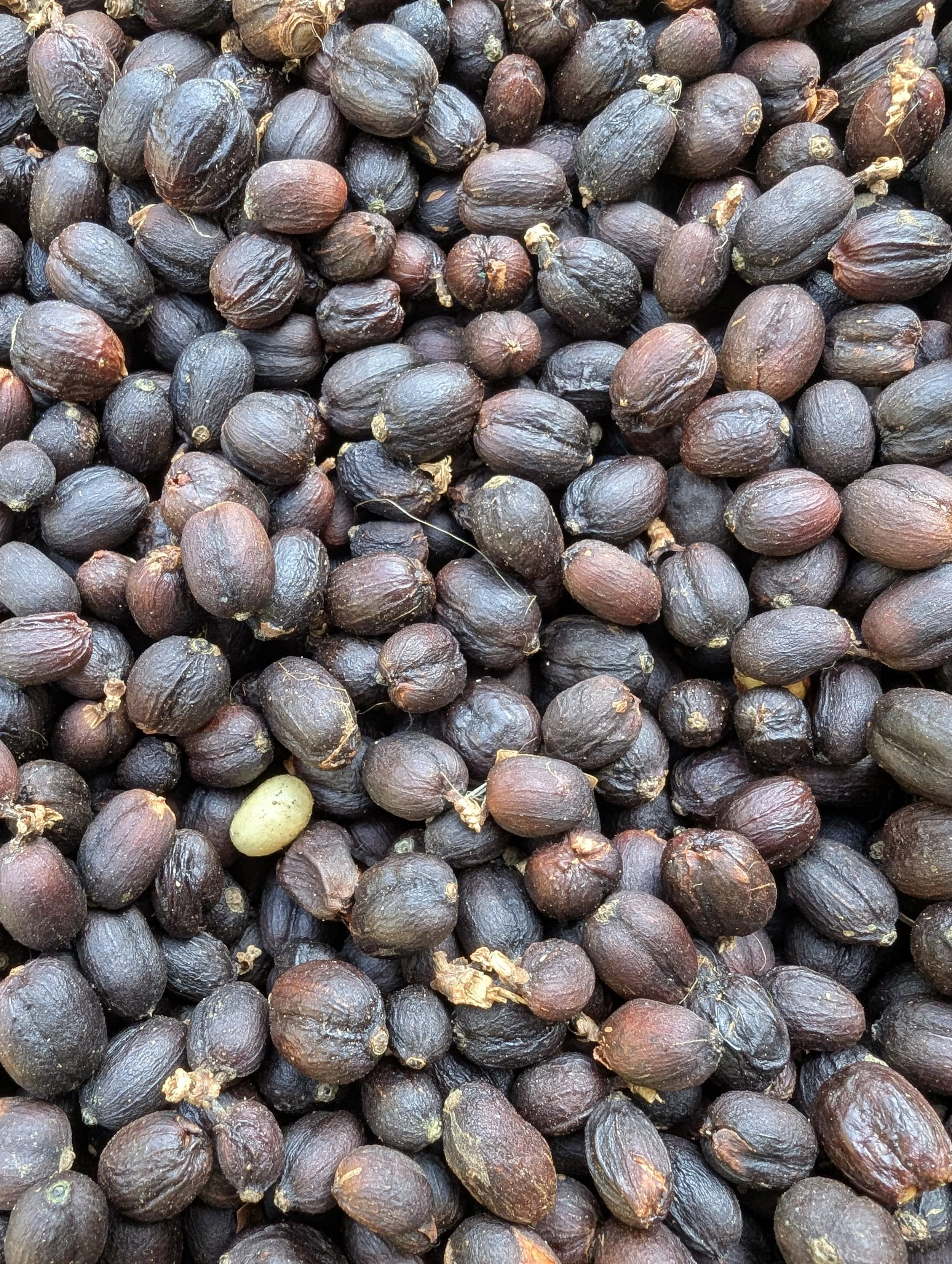
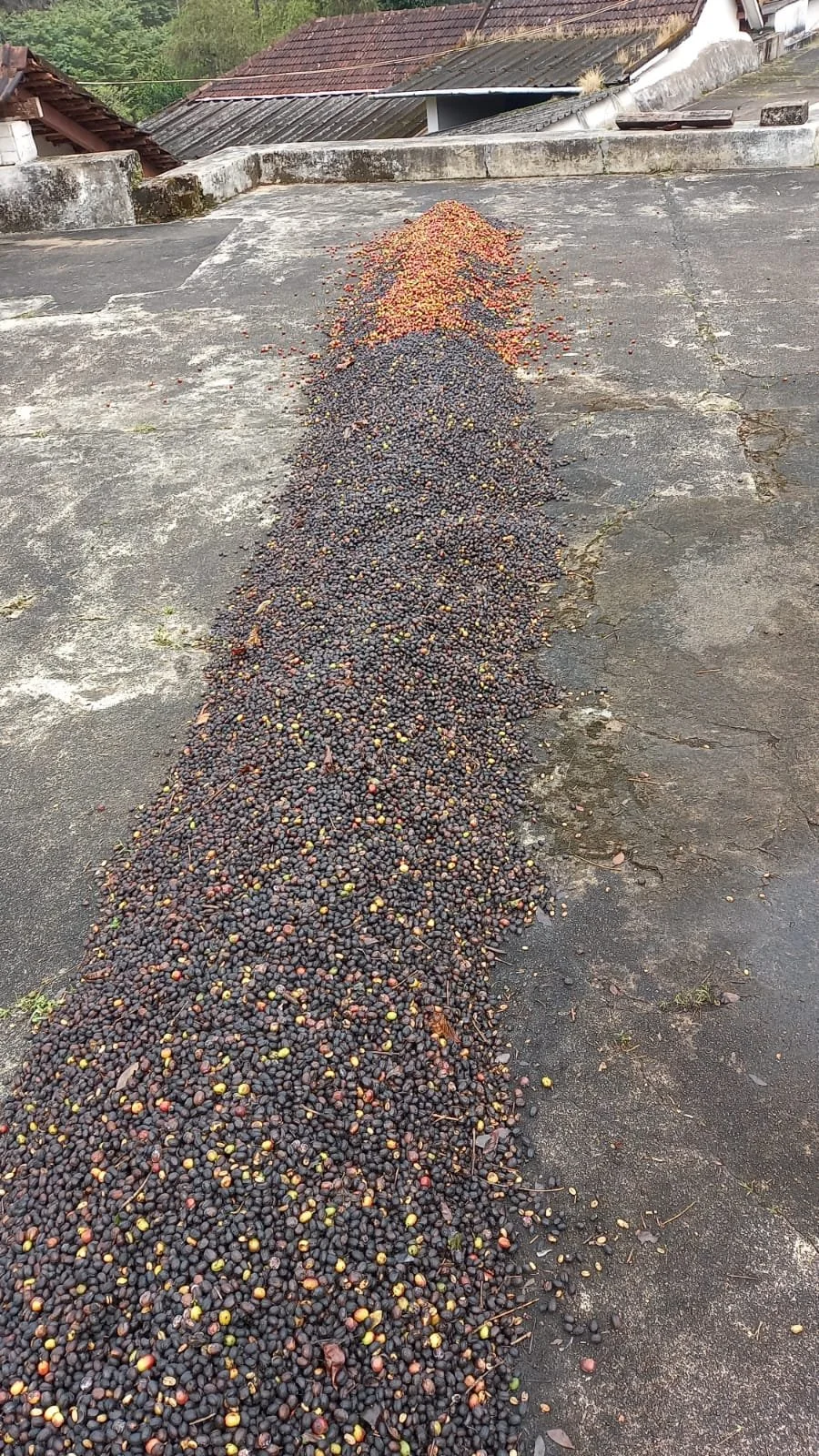
Natural : Ripe cherries are hand picked and using a siphon tank the ripe and floats are separated. The entire coffee cherry is left intact to dry on drying patios and spread evenly. It is exposed to sunlight between 2- 4 weeks causing natural fermentation. Once ideal moisture levels are reached between 11-12%, they are ready to be bagged.

TASTIFY™ CUPPING NOTES

2025 PSS

SICC -Venkids Valley - Robusta - Washed.

SICC- Venkids Valley - Robusta - Naturals


Contact PAPAKUCHI COFFEE

Pavan and Shilpa are fluent in English and will be happy to host visitors in coorg. They can be easily reached via WhatsApp for communication purposes.

TEL : 91 984 5074906

EMAIL : papakuchicoffee@gmail.com

WEBSITE | INSTAGRAM


Photo gallery

You may use these images freely to promote Venkids Valley’s coffee amongst your customers.


An Experimental Organic paradise


Farokh Anklesaria is a third generation coffee farmer from Kodagu (colloquial way of saying Coorg) region in Karnataka. Kattimuttu, which translates to “bison” after their occasional visit to this farm was added to Craigmore, a name given by the British planters. Now called Craigmore Kattimuttu, it is a family owned farm that has been in the family for generations. He used to be a navy merchant before he became a coffee farmer. Farokh’s core focus with the estate is on soil health and regeneration. Vermicomposting, incorporating native trees, organic composting are some of the important initiatives that foster good soil health. Experimenting with grafting and several organic practices, this model farm is a great example of sustainable agriculture aiming to create stewards of the land who will contribute towards a positive legacy for the future generation.


CULTIVARS

robusta - Natural

elevation

900 MASL

NOTABLE

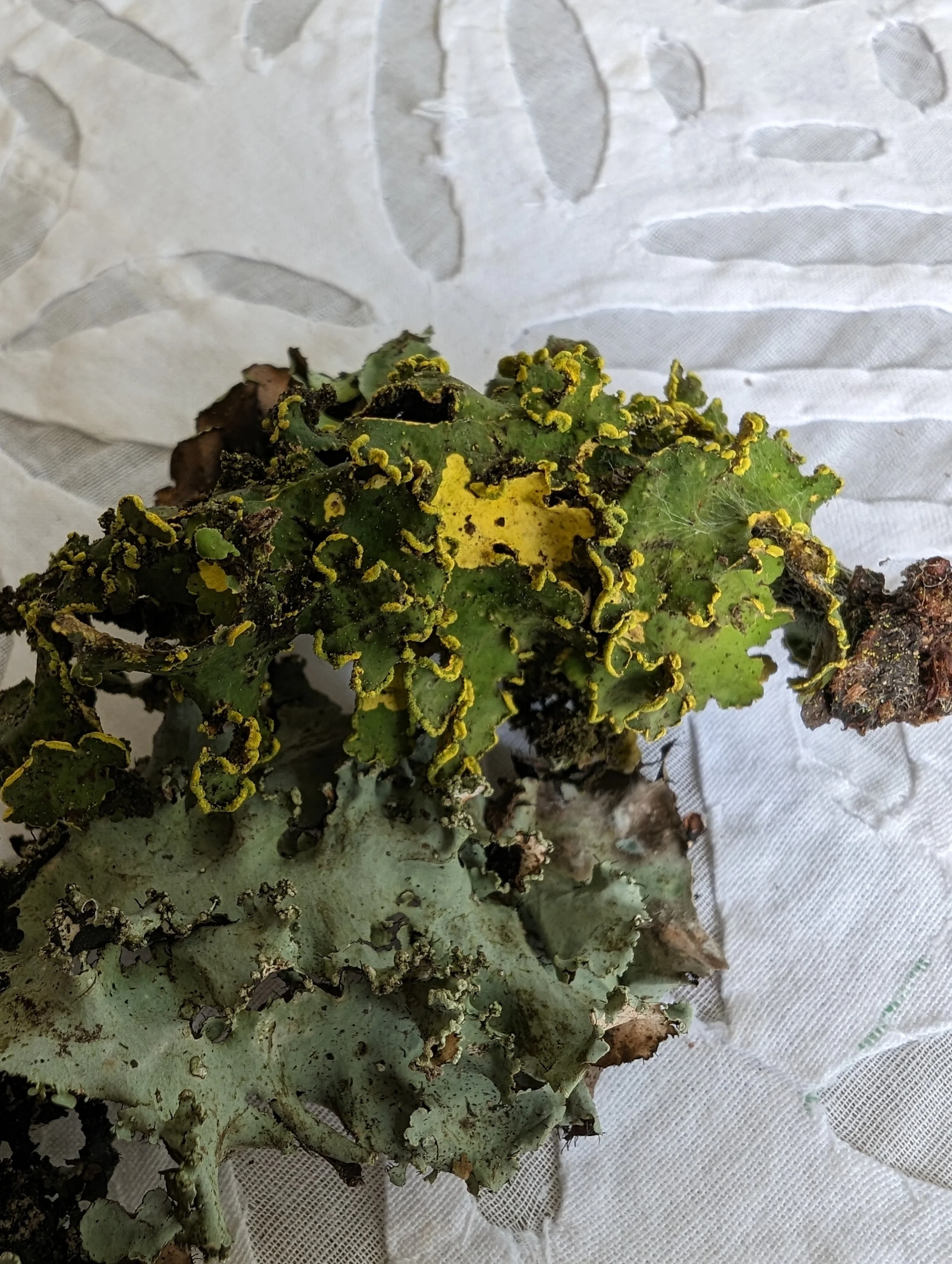
Farokh intercrops coffee with pepper, Avocadoes, Arecanut . In 2017, Farokh began incorporating over 700 native tree species into the farm, which has helped improve soil health and attract wildlife.


PROCESSING

Natural : Ripe coffee cherries are selectively hand picked to ensure quality. A siphon tank is used to separate ripe from floats. The whole fruit is spread out in a thin layer on riased beds in polyhouses to allow for even air circulation. Between 2-4 weeks, cherries are left to dry in the polyhouse facilitating a natural fermentation.

TASTIFY™ CUPPING NOTES

2025 PSS

SICC- Craigmore Kattimuttu - Robusta Natural


Photo gallery

You may use these images freely to promote Craigmore’s coffee amongst your customers.


A COMMUNAL BOUNTY


The Sirangalli Community Project is a sustainable coffee farming initiative by the South India Coffee Company (SICC) that works with small coffee farmers in the Pushpagiri Range of Karnataka, India.The project started with 5 farms in the Pushpagiri Range, which produce Arabica and Robusta coffee. The Pushpagiri or Subramanya Hills (also referred as Kumaraparvatha) is the second-highest peak of Kodagu, and fourth highest peak in Karnataka. This range is located in the Western Ghats which is  one of the world's top biodiversity hotspots with over 5,000 flowering plants, 139 mammals, 508 birds and 179 amphibian species. At least 325 globally threatened species occur here. The range covers 60,000 square kilometers and forms the catchment area for a complex of river systems that drain almost 40% of India. Over the years, the project has increased the number of farms it works with. The farms range from 1 to 10 acres. Most of the farmers are working on the farm along with their families.


CULTIVARS

robusta - Old Peridinia & CxR
arabica - SLN 6, SLN 9, Chandragiri

elevation

1,500 meters

NOTABLE

 The coffee is shade grown in an agroforestry setting. The farms have a 1st shade tier made of  jungle trees, native tree species and  fruit trees. The range covers 60,000km2and forms the catchment area for a complex of river systems that drain almost 40% of India.


PROCESSING

Robusta Washed : Robusta cherries are hand picked and depulped after harvest. The coffee beans are thoroughly washed with clean water and spread in thin layers on patios to dry under the sun. The drying can take several days until the beans reach optimal moisture content suitable for storage and further processing.

96 hours yeast inoculated Honey Sundried :Ripe coffee cherries are hand picked and using a flotation tank, lower density coffees are separated. It is fermented for 60 hours in anaerobic fermentation tanks where they are introduced to a custom yeast culture. The cherries then undergo a meticulous eco pulping process and then are again returned to the tanks. Here it is introduced to a custom yeast culture for another 36 hours. The coffee is transferred to a polyhouse for drying. With consistent raking, after the coffee reaches 11-12%, carefully bagged, allowed to rest for 2 months for flavours to mature, develop.

TASTIFY™ CUPPING NOTES

2025 PSS

SICC - Srirangalli community - arabica - washed

SICC- Sirangalli community - arabica - carbonic macerated natural


Photo gallery

You may use these images freely to promote Sirangalli’s coffee amongst your customers.


Tinyspot, Big Ecosystem


Nestled in the foothills of the Western Ghats, Craigmore Tinyspot is a family-run coffee plantation located in the rolling hills of Coorg, Karnataka. With three generations of farming experience, the estate is committed to producing sustainable coffee grown under the heavy natural shade of native jungle trees found in the Western Ghats.

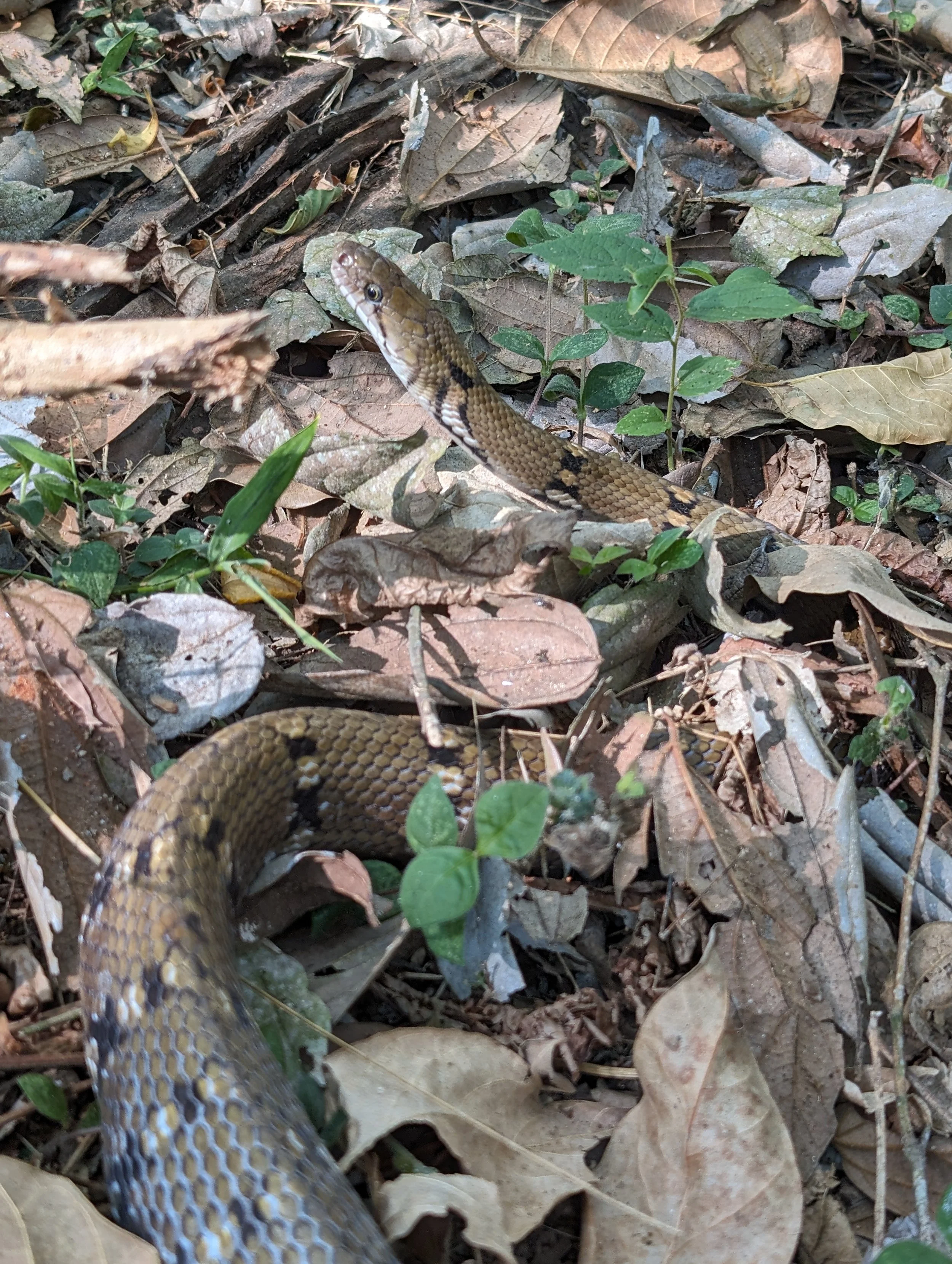
The biodiversity on the farm is a testament to these sustainable practices. The estate is home to over 135 recorded species of birds, along with a wide range of insects, wild elephants, civet cats, Malabar squirrels, wild boars, spotted deer, and the occasional wild cat.

Robusta coffees at Craigmore Tinyspot are grown at an elevation of 1,000 meters, with an average annual rainfall of around 60 inches. The entire estate is completely free from pesticides, herbicides, and weedicides. Over recent years, the farm has transitioned toward regenerative agricultural practices, focusing on protecting soil health and increasing carbon sequestration. This approach fosters beneficial bacteria and fungi in the soil, which are essential for sustaining plant health and long-term productivity.


CULTIVARS

robusta - Old Peridinia


elevation

1,000 meters


NOTABLE

Bharath follows in his mother’s footsteps who adopted biodynamic farming more than twenty years ago, but has since updated those methods to fit his reality. A shortage of labour especially has forced him to research new and more efficient regenerative methods that are still in line with his philosophy.


PROCESSING


TASTIFY™ CUPPING NOTES

2025 LANDED

SICC - Craigmore Tinyspot - washed robusta


Photo gallery

You may use these images freely to promote Bharath’s coffee amongst your customers.


Coffee versus wildlife


 Narmada estate, situated in Chikmagalur, spans over 240 acres of land cultivating both arabica and robusta. It features over 50 varieties of jungle trees and abundant wildlife, including Indian Gaur, spotted deer, barking deer boar, Malabar Giant squirrel, and crested serpent eagle.

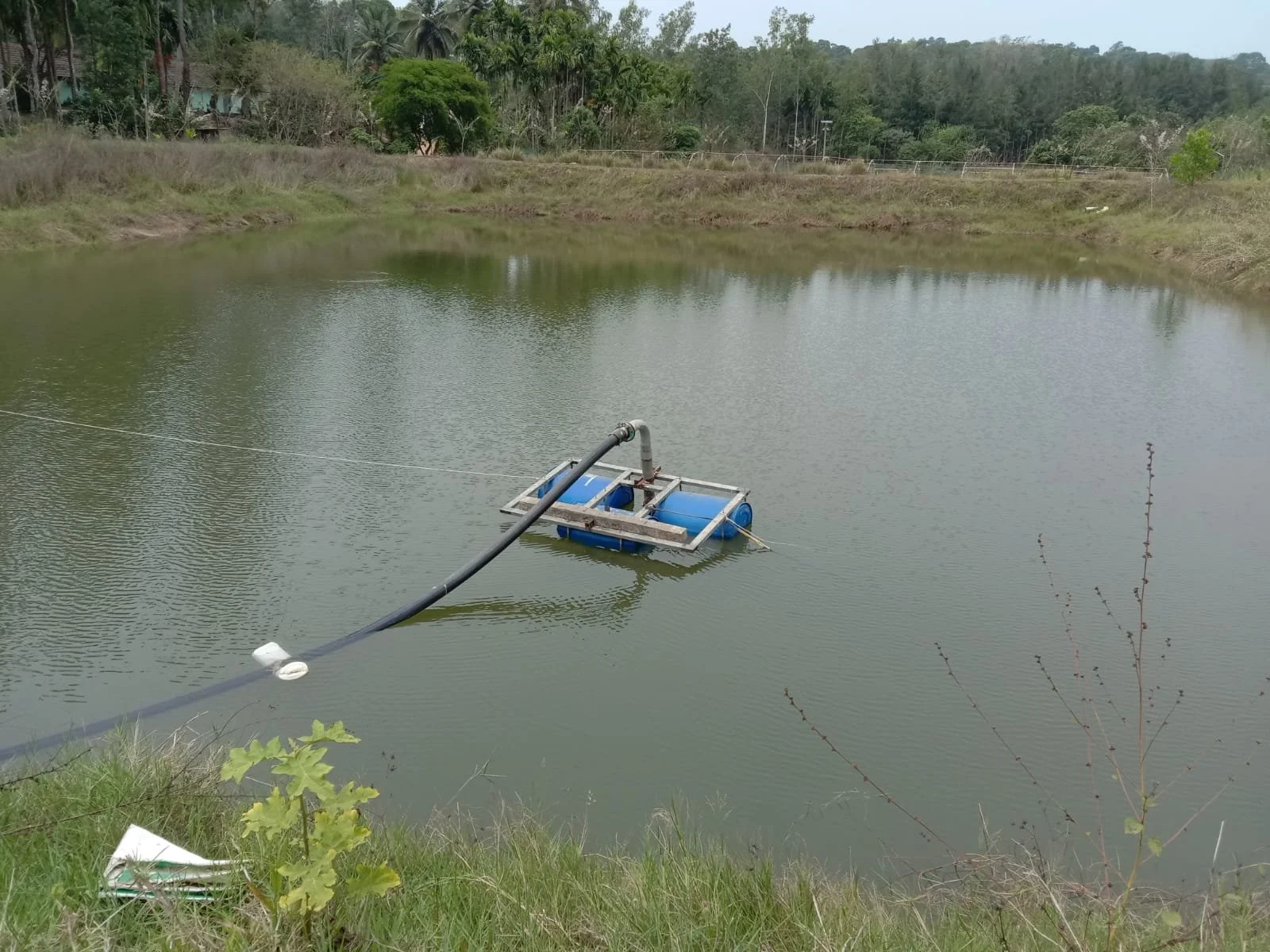
The estate is run by Manohar Shetty, who has successfully transitioned to organic practices and increased vermicompost production. He has established water harvesting ponds and produces both washed as well as natural coffees. Workers at this estate are encouraged to accept the crop damage by wildlife, a practice not common in India but which Manohar is adamant about.


CULTIVARS

arabica - Chandragiri

elevation

1,200 meters

NOTABLE

They have established water harvesting ponds and produce both washed as well as naturals. Workers at this estate are encouraged to accept the crop damage by wildlife, a common sighting in this region.
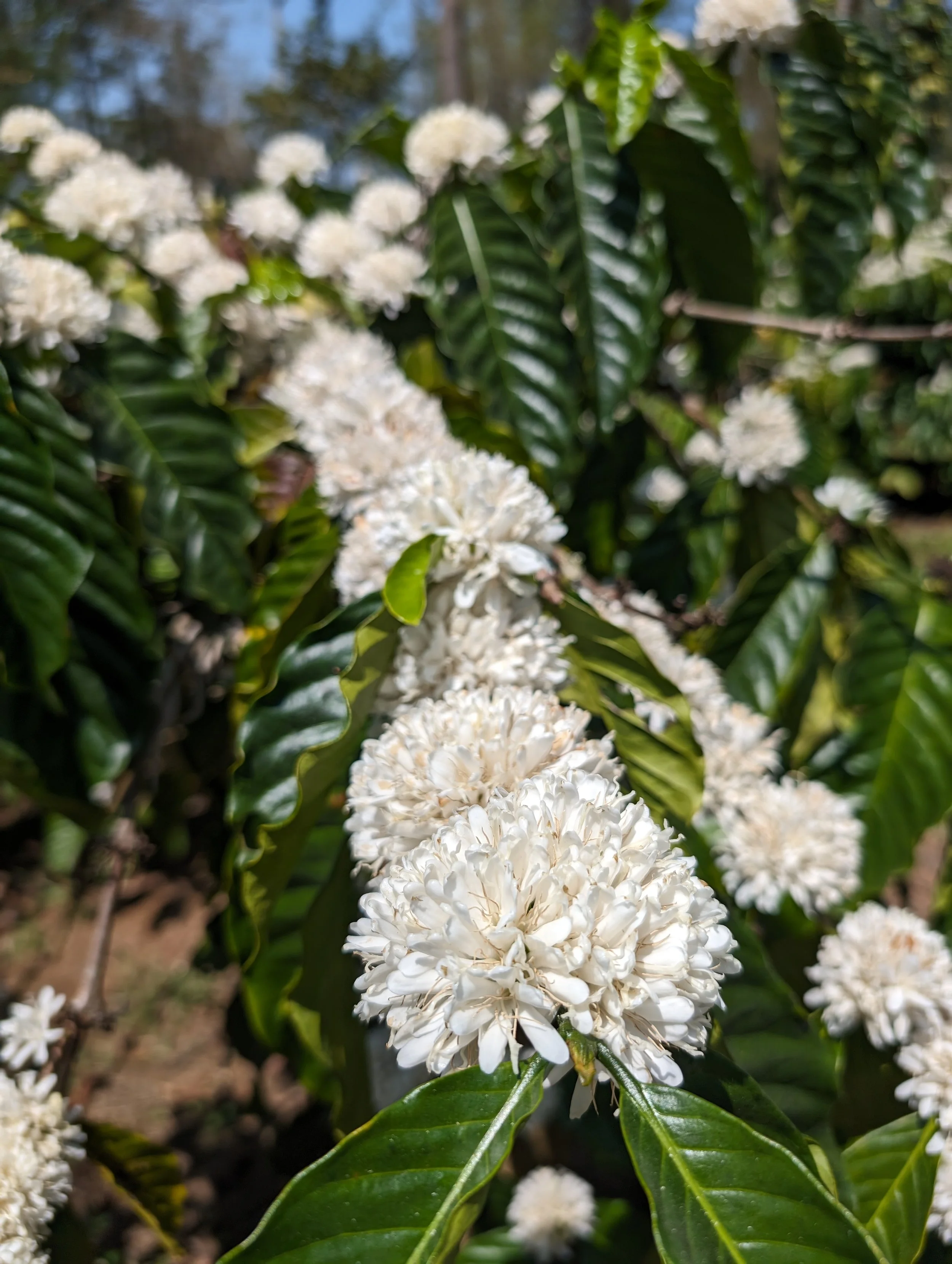
 

PROCESSING

Washed : Ripe coffee cherries are hand picked and floats/sinks are separated in a syphon tank. The coffee cherries are pulped and placed in fermentation tanks with water for 24 hours. The beans are then thoroughly washed with clean water to remove any remaining mucilage/debris. They are spread out in thin layers on patios and consistently turning until moisture is reduced is 11-12%

TASTIFY™ CUPPING NOTES

2024 PSS

SICC - Narmada - Arabica - Washed


Photo gallery

You may use these images freely to promote Narmada’s coffee amongst your customers.


A RE-GENERATIONAL GIFT


Gatadahally is a 170 acre coffee estate located in Chikmagalur in Karnataka. Run by Ms.Swaroop Balakrisha Uday, this estate has been in the Uday family for over 200 years. It prides itself for being a biodiversity hotspot and is home to high quality Arabica as well as Robusta. Surrounded and shaded by jungle trees, hand picked coffee this estate avoids using herbicide and pesticides all in an attempt to foster eco friendly practices and preserve the ecosystem. The estate's forest-like canopy of ancient native trees supports diverse flora and fauna, promoting biodiversity conservation.


CULTIVARS

arabica - Chandragiri

elevation

906 MASL

NOTABLE

Gatadahally is a woman run farm and is now being run by a 7th generation of the Uday family.

PROCESSING

Washed : Ripe cherries are hand picked and in a siphon tank, separation between ripe and floats are done. After the cherries are pulped to remove the skin and most of the fruit flesh, coffee is pulped in tanks with water to be fermented. After pulping, the beans are thoroughly washed with clean water to remove any remaining mucilage and debris. Beans are spread thin in patios, exposed to sunlight until 11-12% moisture is reached. This coffee is then milled for the parchment layer and silverskin to be removed.

TASTIFY™ CUPPING NOTES

2024 PSS

SICC- Gatadahally -Arabica-washed


Photo gallery

You may use these images freely to promote Gatadahally’s coffee amongst your customers.