Een “deep dive” in the koffies die de Rijkswaterstraat blend maken
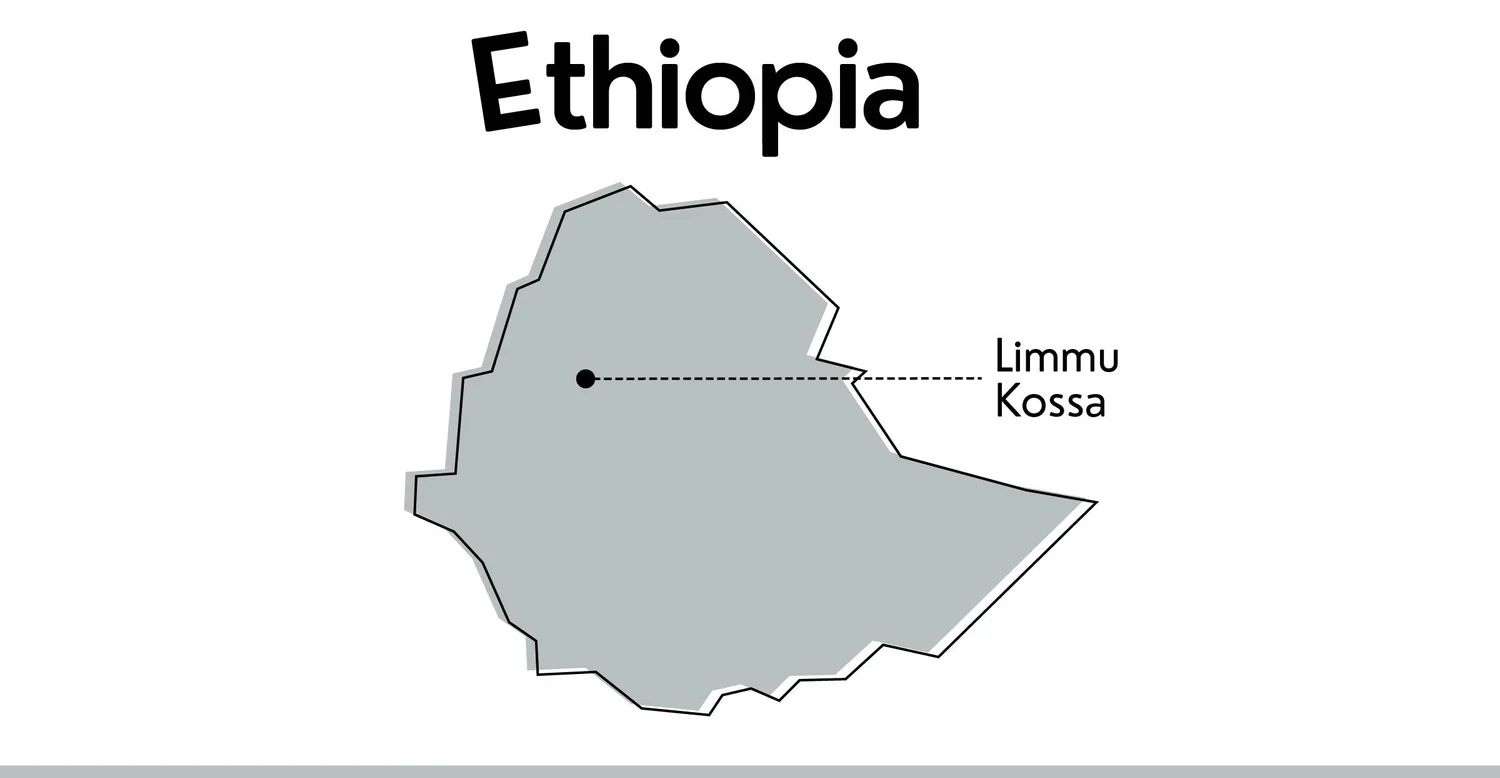
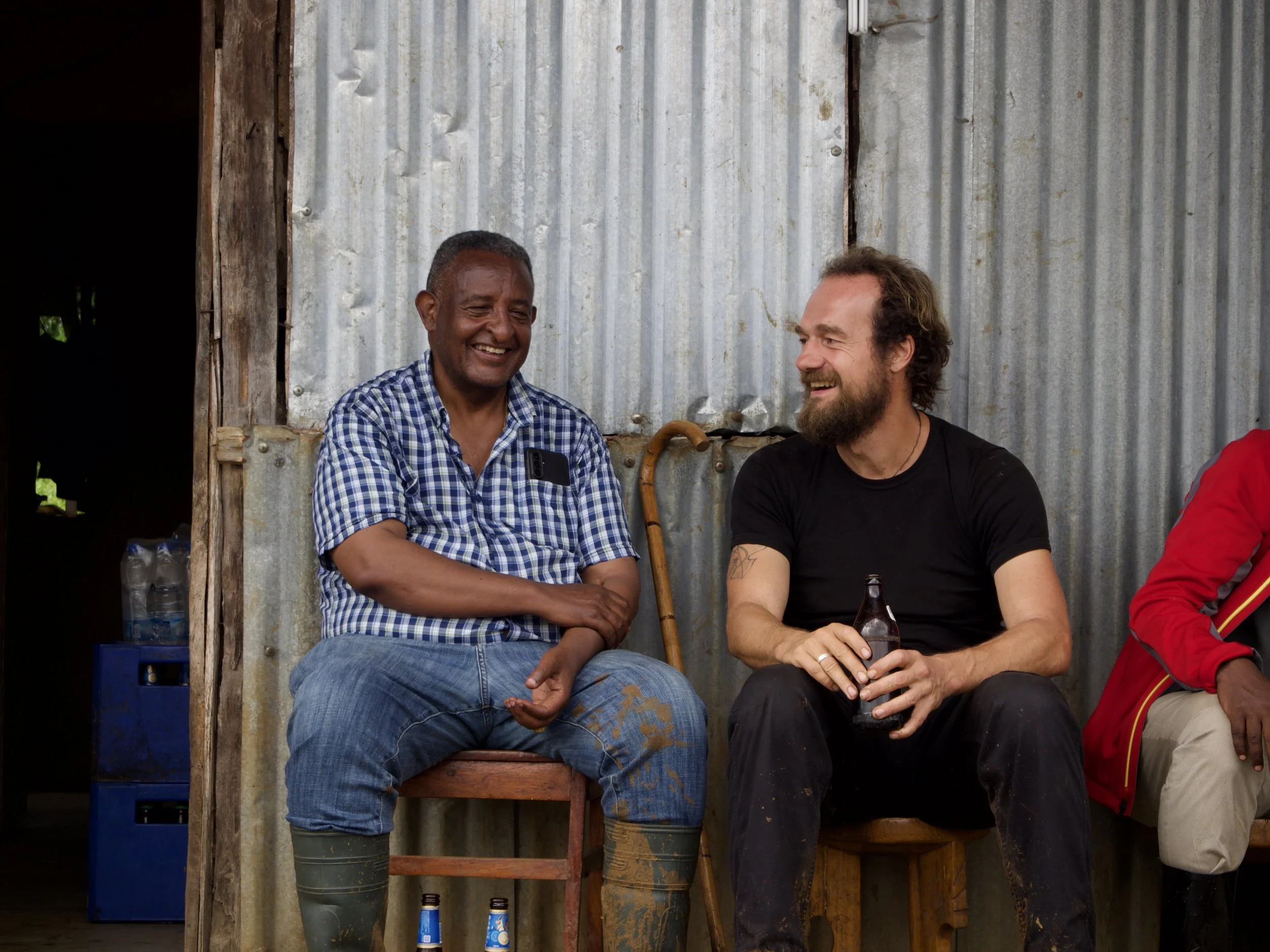
Limmu Kossa was founded by Giday Berhe, who started his coffee career as a trader in 1993 in Jimma. He then opened a wet and dry mill station with the aim to supply the central coffee market with quality coffee. In the early 2000s, he decided to establish his own farm in the village of Galeh in Jimma and from the outset establish meaningful relationships with neighbouring smallholder producers. Not only does he spend much of his profit on health care and schooling for the community, he actively teaches the farmers to upgrade their farms and techniques to eventually be able to process and export their coffee for high premiums as well.
Here was the hybrid we were looking for, a private estate with the heart of a producer cooperative. His commitment to produce quality coffee while at the same time supporting his local community has even granted him the title of "Abba Ollie" or “he who uplifts”. It then dawned on us that we had heard similar titles for some of our other parters: Limu Kossa in fact resembles the structures we’re developing in Colombia and Nicaragua. All are private and well-organised support, milling and export entities that exist to uplift the lives of smallholder farmers.
Limmu Kossa is an established played in Jimma and known for both quality and commitment to social programs to improve livelihoods in the community. However, they have been struggling with marketing their coffee consistently to specialty buyers. Like us, they were looking for a partner who is willing to support them in their long-term plans to establish links with surrounding farmers and to allow them to export their coffee too.
“We need to show that an estate can have the heart and the drive to change coffee in Ethiopia.
— Abiy Ashenafi
When we visited the Limmu Kossa Estate they finished the microregion lot program (divided into Betella, Suki and Suromo - parts of the form), met the three first outgrowers whose coffee we will separate and offer as distinct lots from now on. They also created a cascara protocol and fine-tuned the natural drying process. The level of professionalism with which the farm is set up and maintained from an agro-forestry point of view became evident to us. It was also quite evident that the respect the locals have for Abba Ollie goes deep: the kind of community cooperation model we aim to see grow: people flock to the estate for work not just for the higher prices they receive, but for the good working and temporary living conditions at the farm. Lastly and most excitingly, on that trip, we made plans to create an on-site cupping lab, maintained by local teens who will receive sponsored Q-grading training.
None of this would have been possible without the ongoing support from Rijkswaterstaat. It has contributed steadily to our order from Limmu Kossa, so that we now are able to import many different grades of coffee from the estate. The Rijkswaterstaat coffee is a Grade 4 coffee, which is the result of milling coffee less intensively, but allows a higher price for more coffee to be obtained by the estate.