A natural community

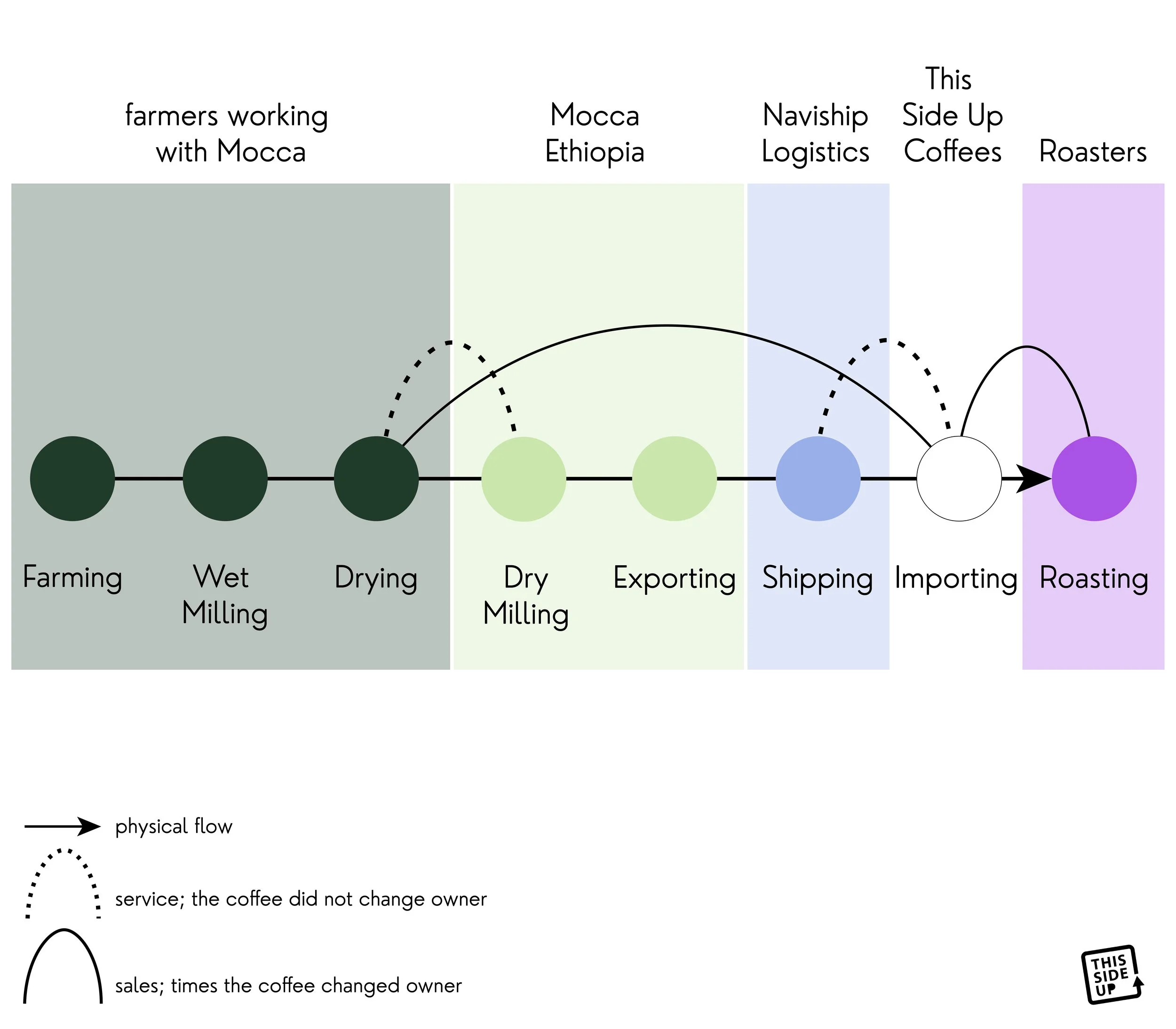
Puns aside,our natural coffees now come exclusively from Yirgacheffe and Guji, sourced through Tsedenia and Altayen of Mocca.Run by Tsedenia and Altayen,who come from a family that has been in the coffee trade since the 1990s.Mocca builds on deep-rooted experience of both their own family and the producers it works with.Before starting Mocca, Tsedenia specialised in coffee processing and export for over five years, while Altayen brings over 15 years of experience running a coffee shop.

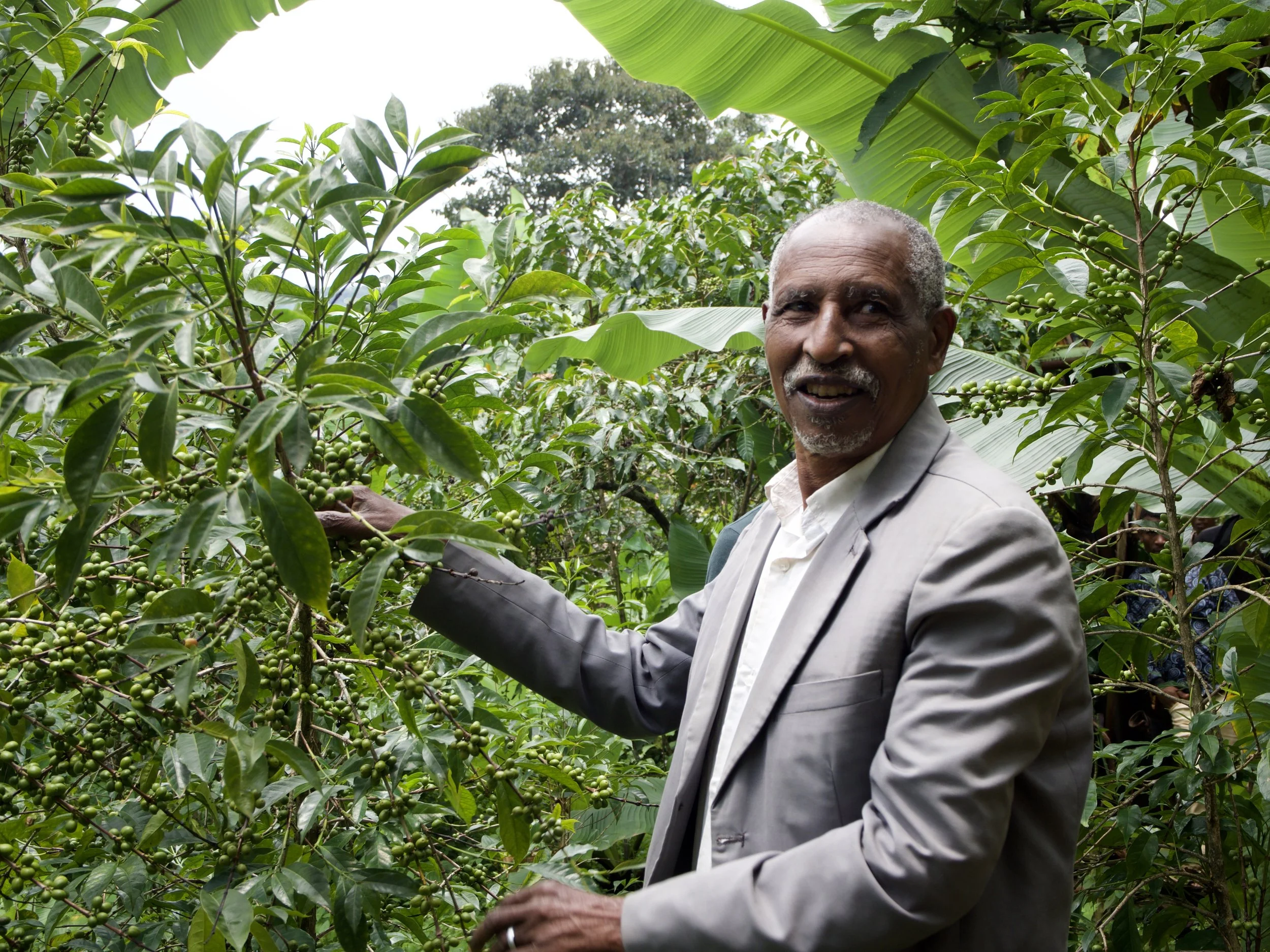
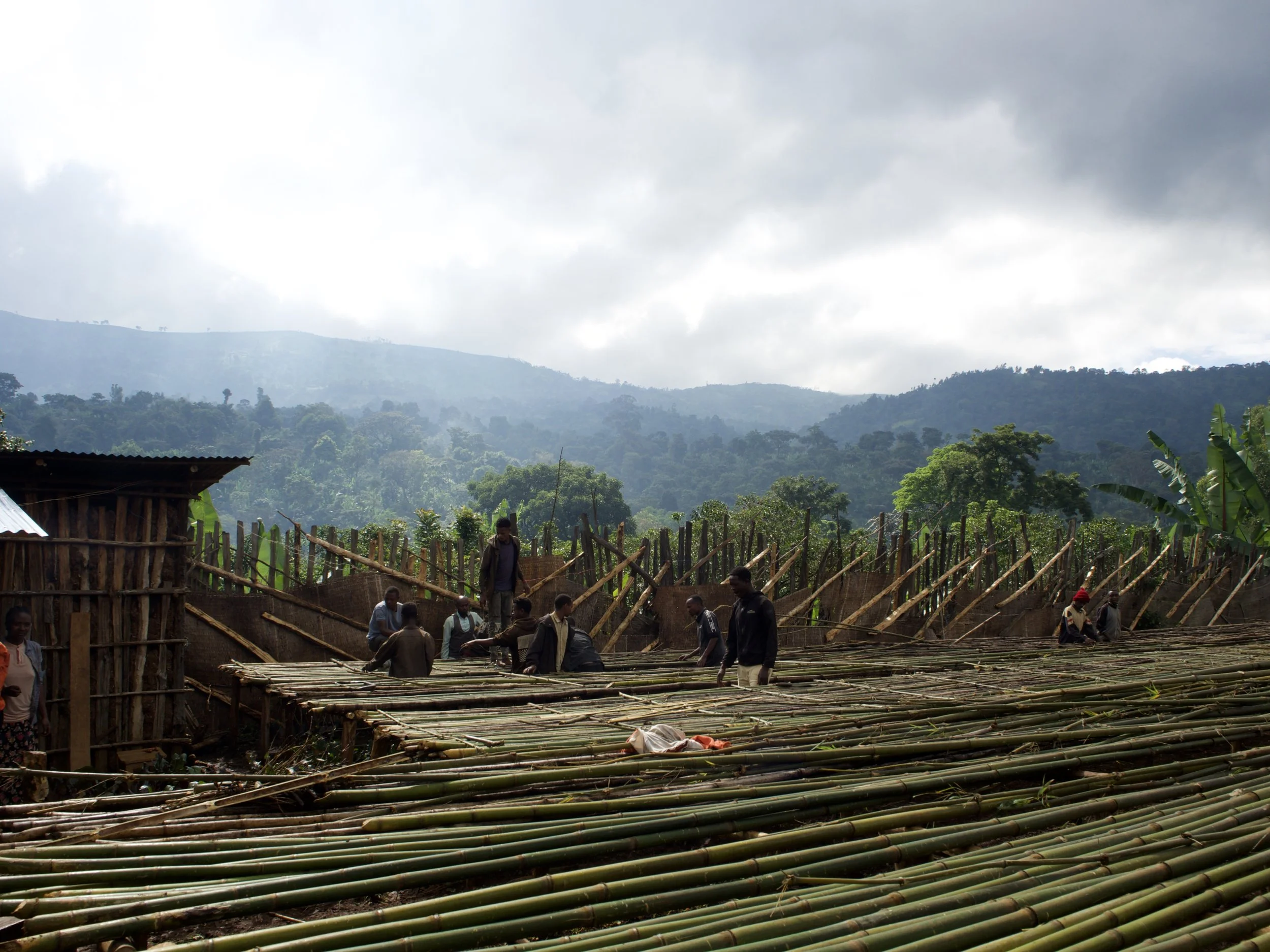
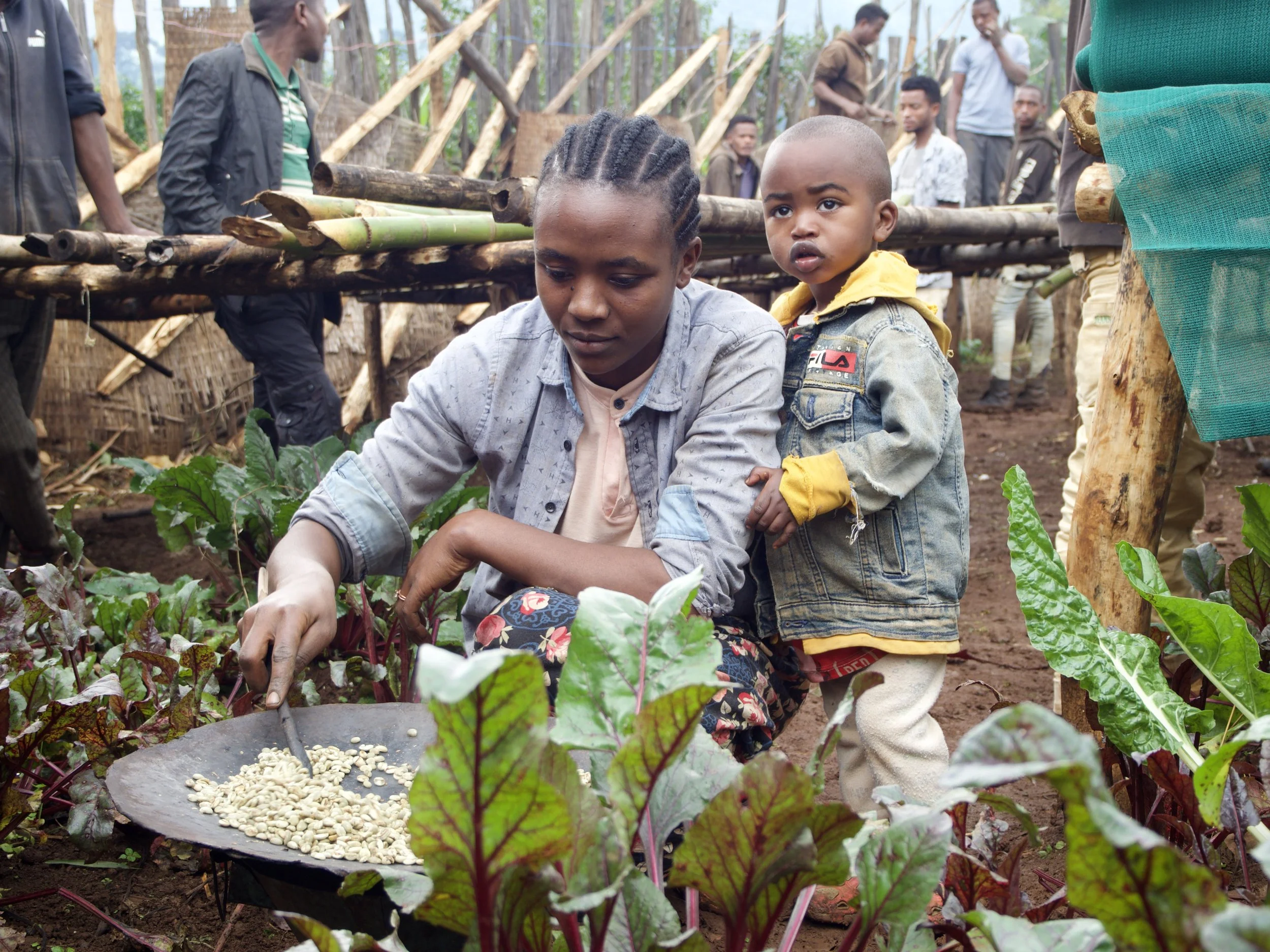
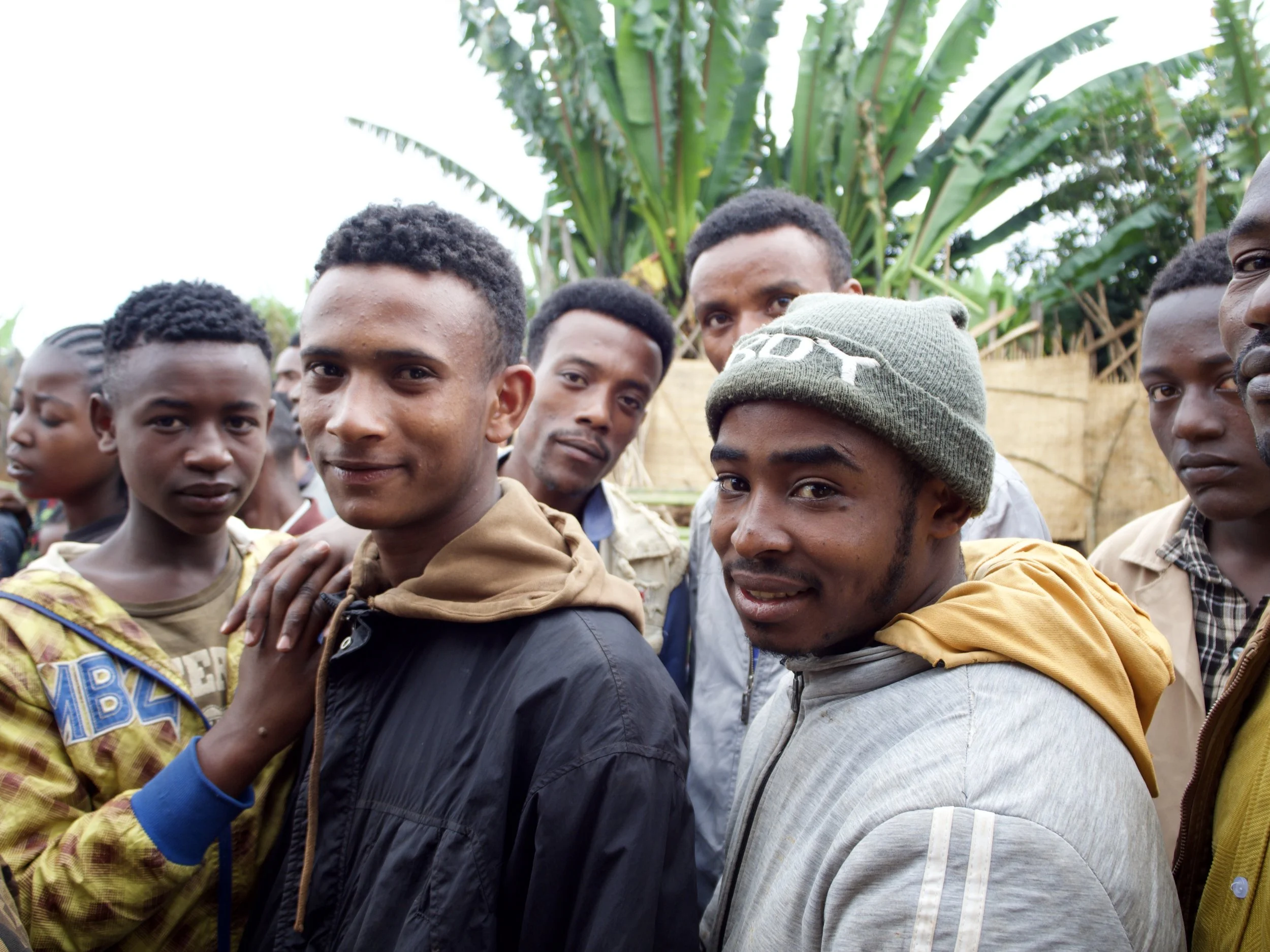
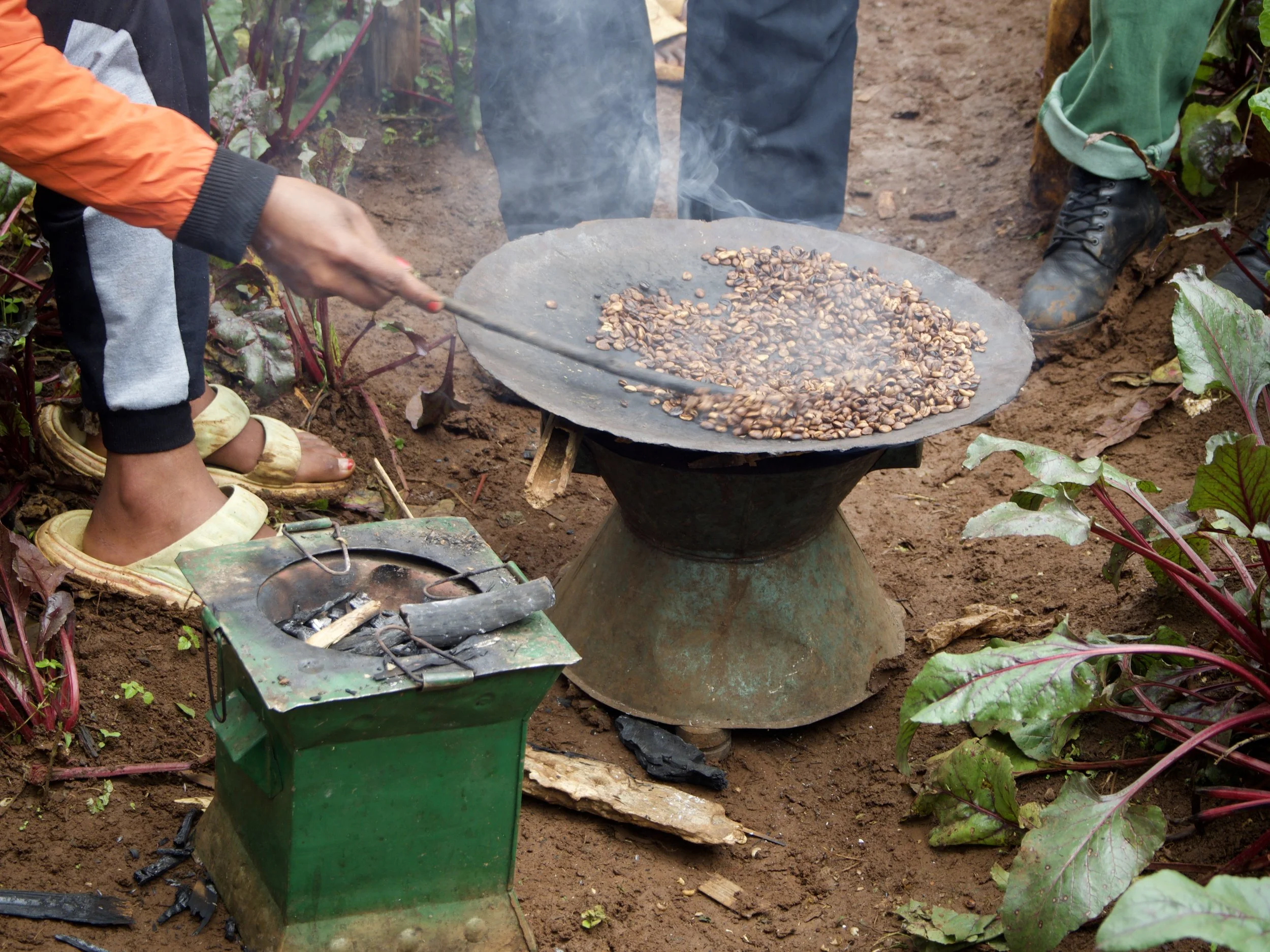
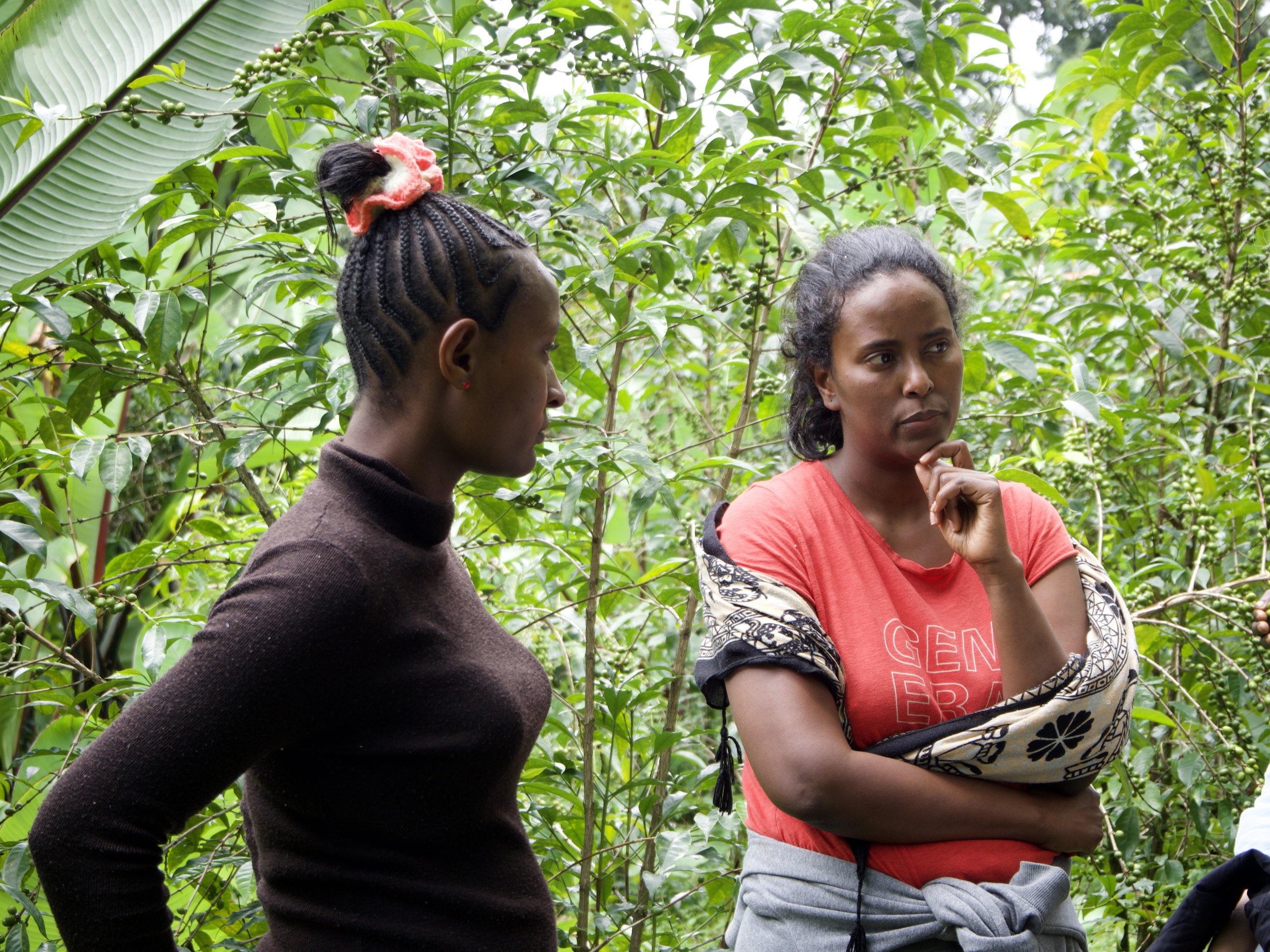
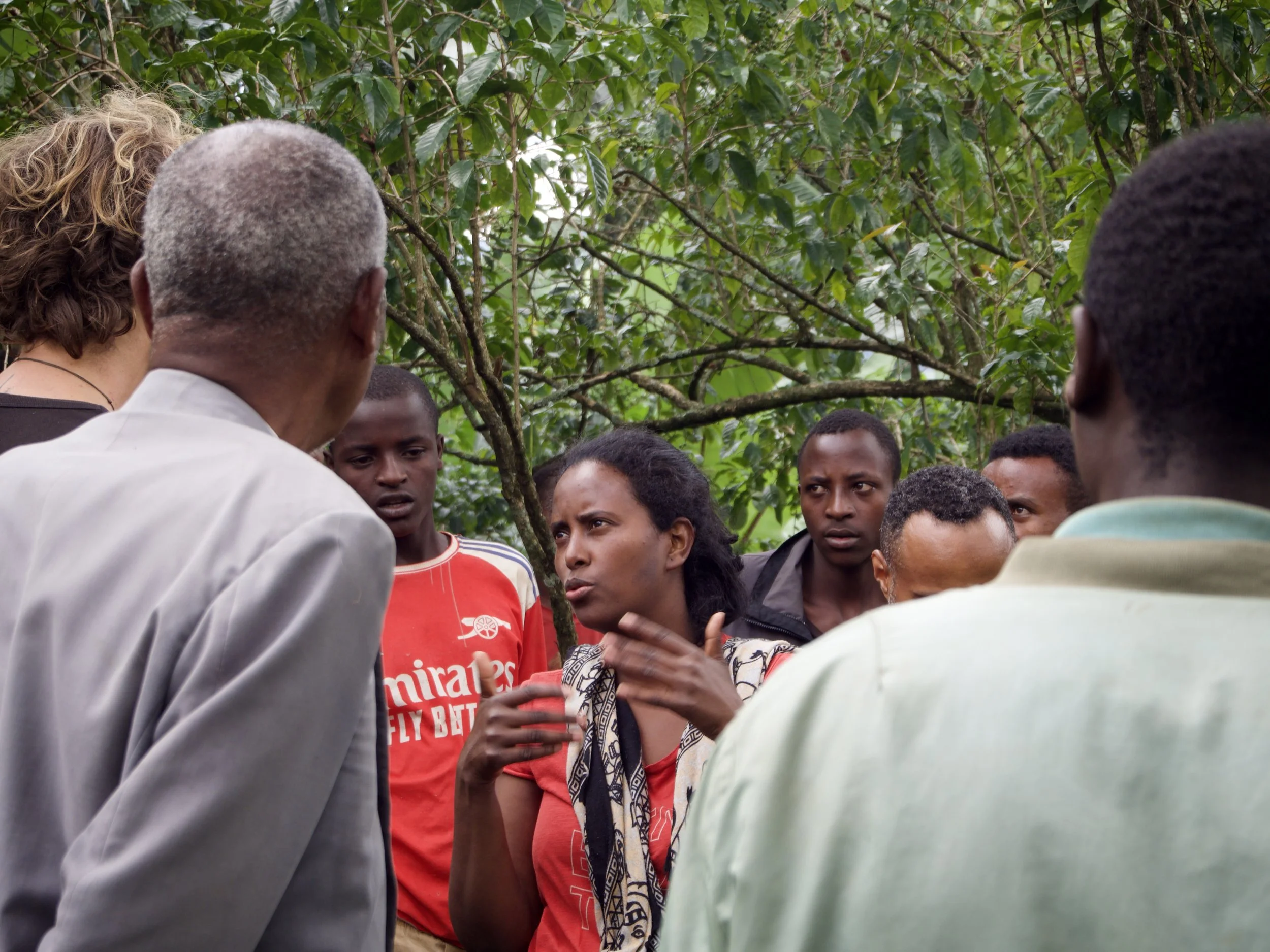
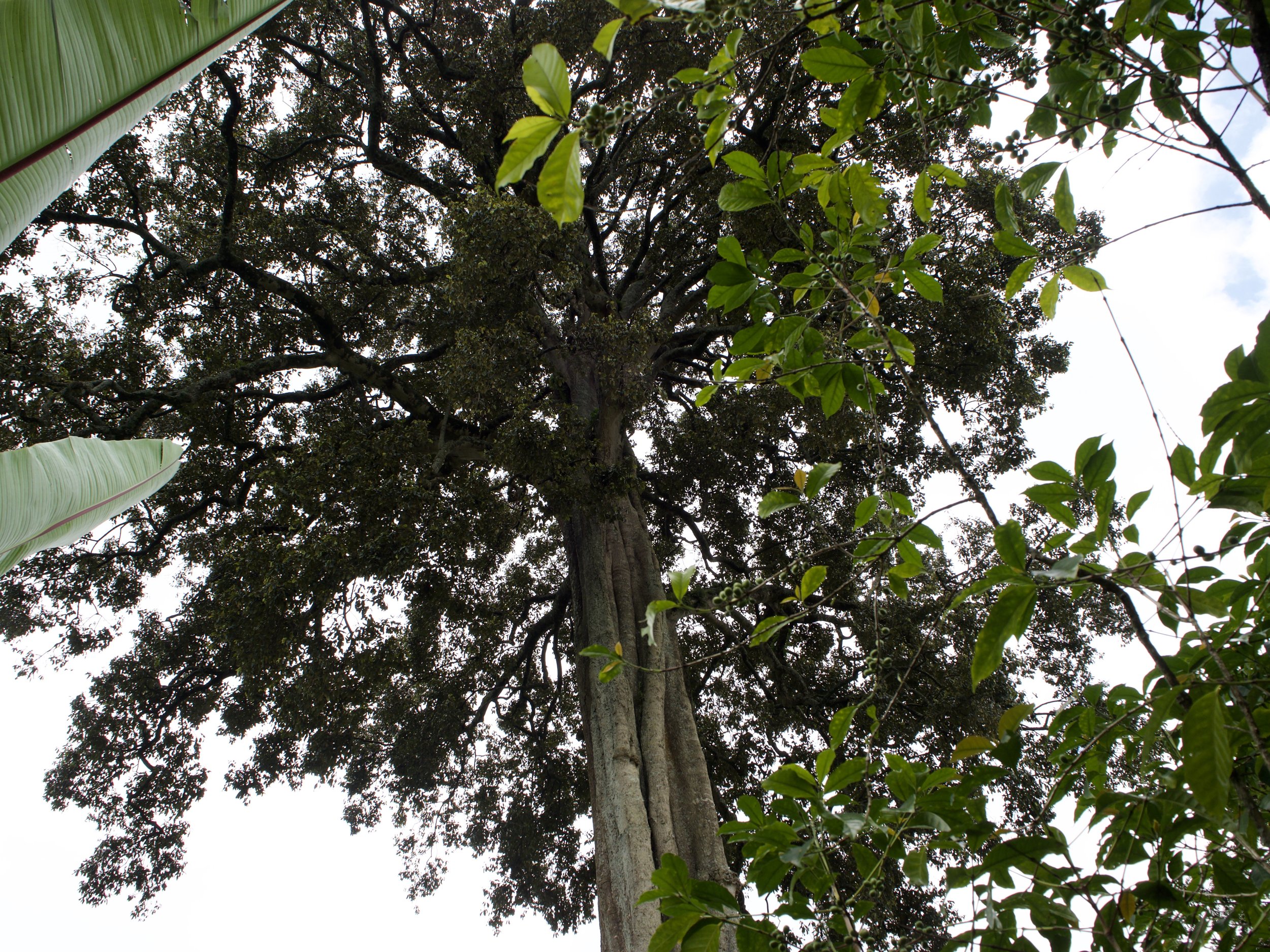
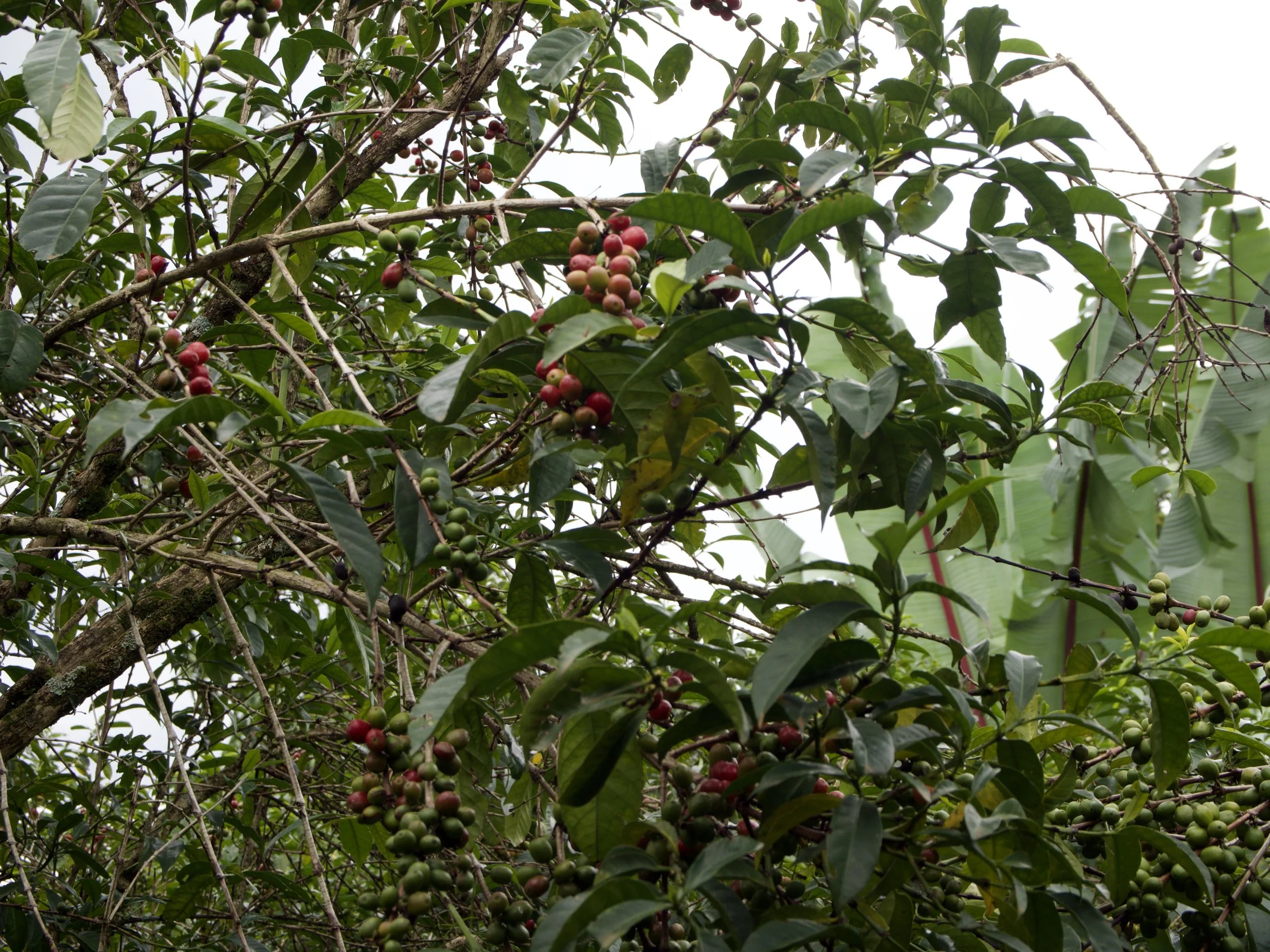
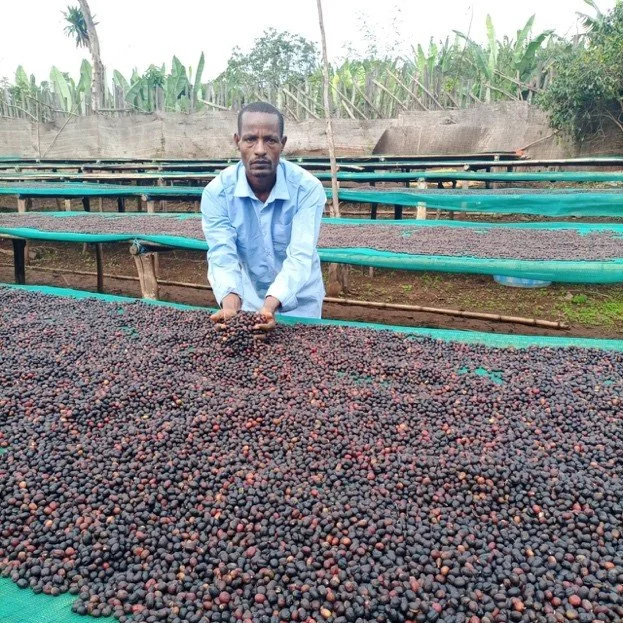
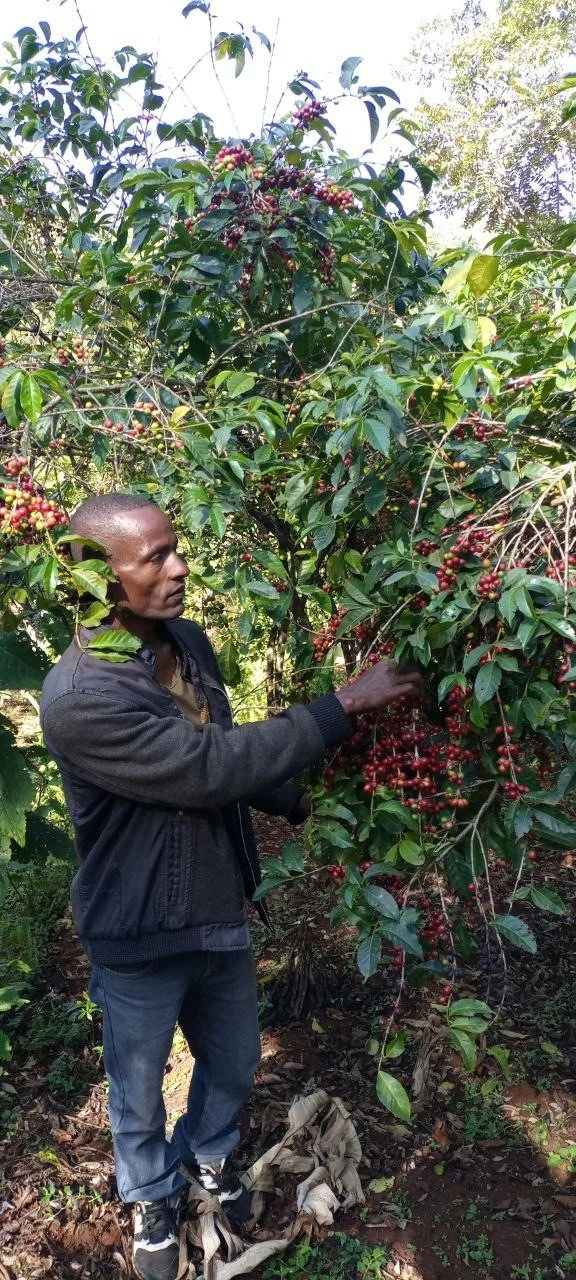
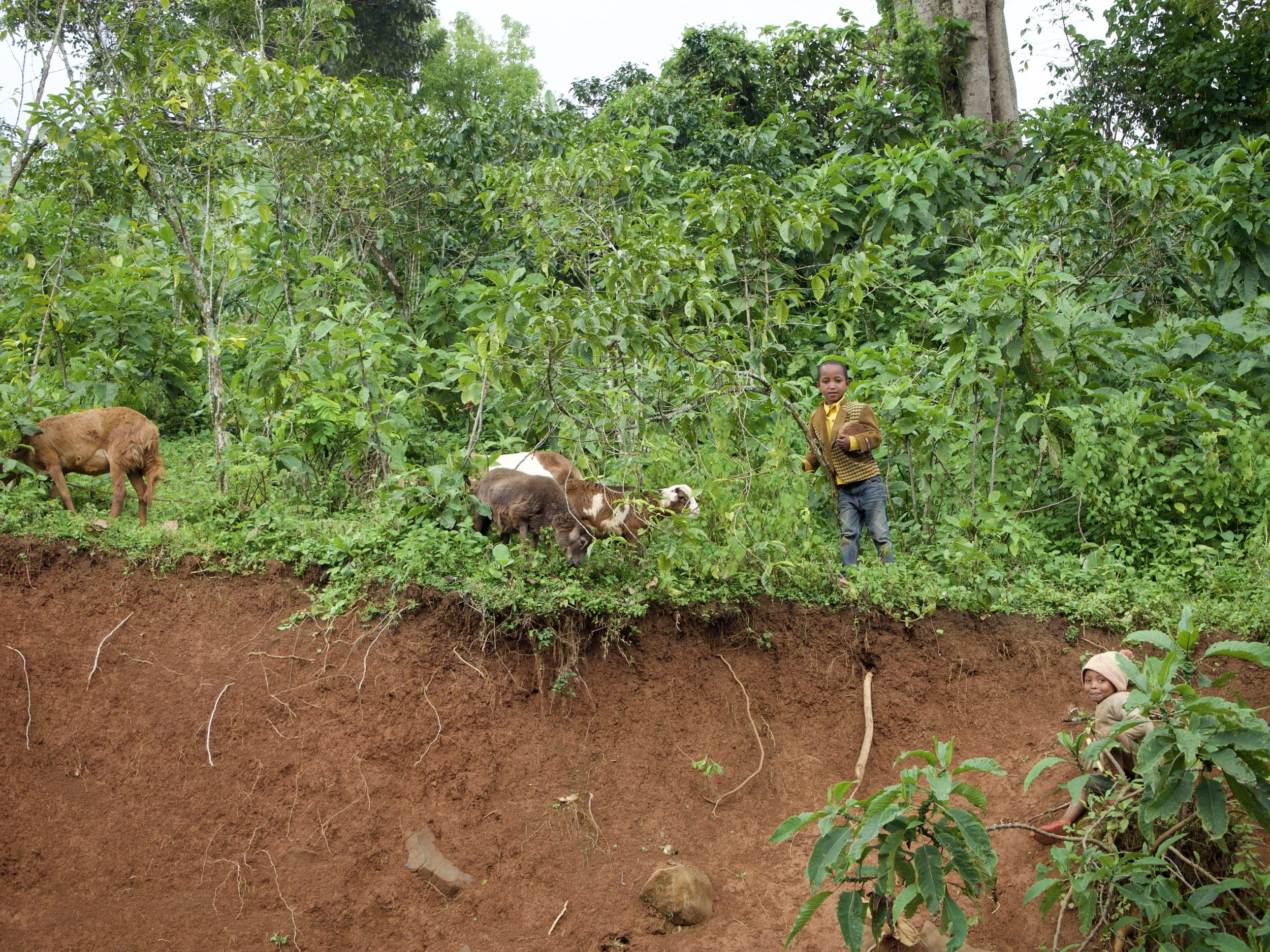
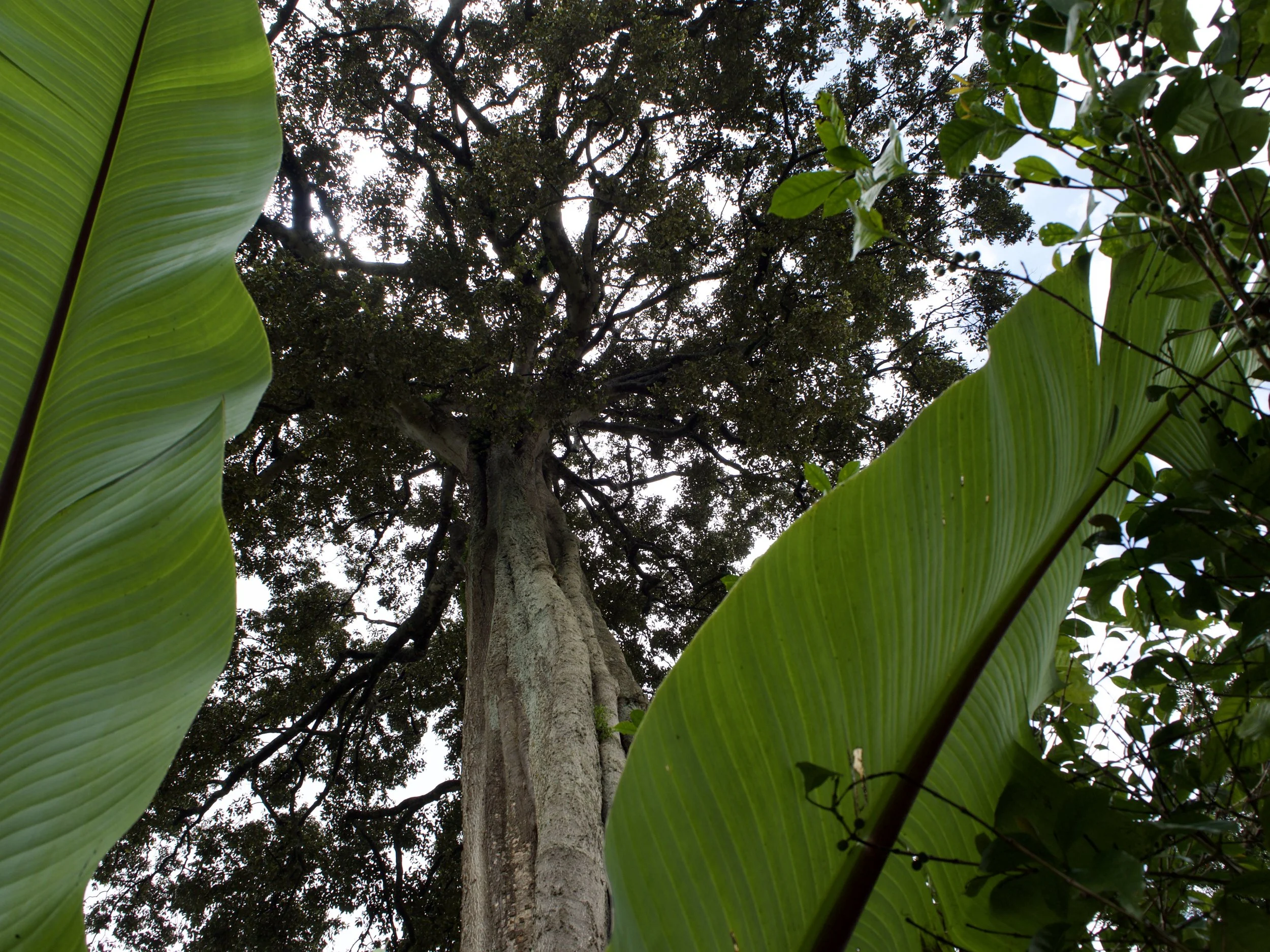
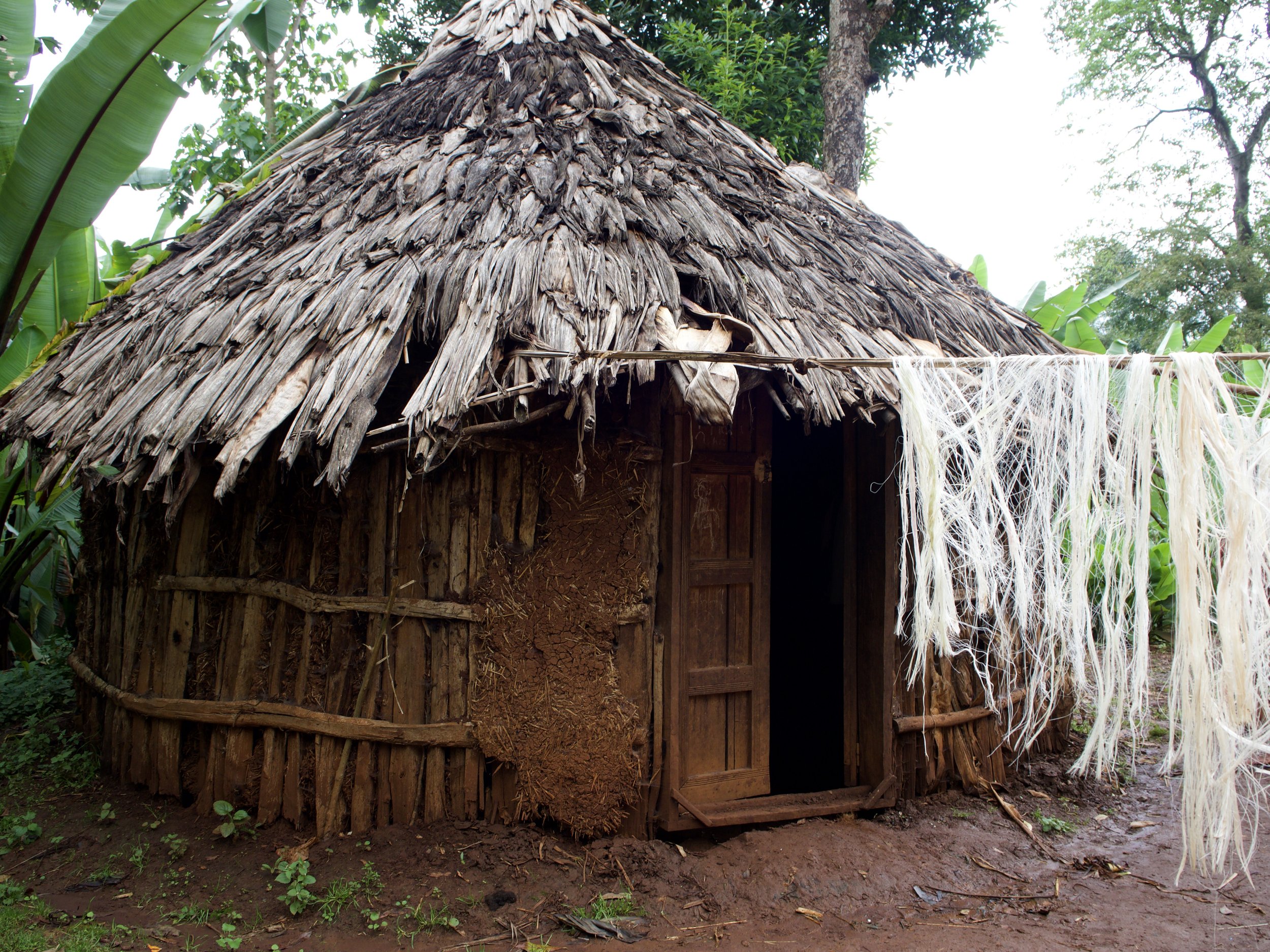
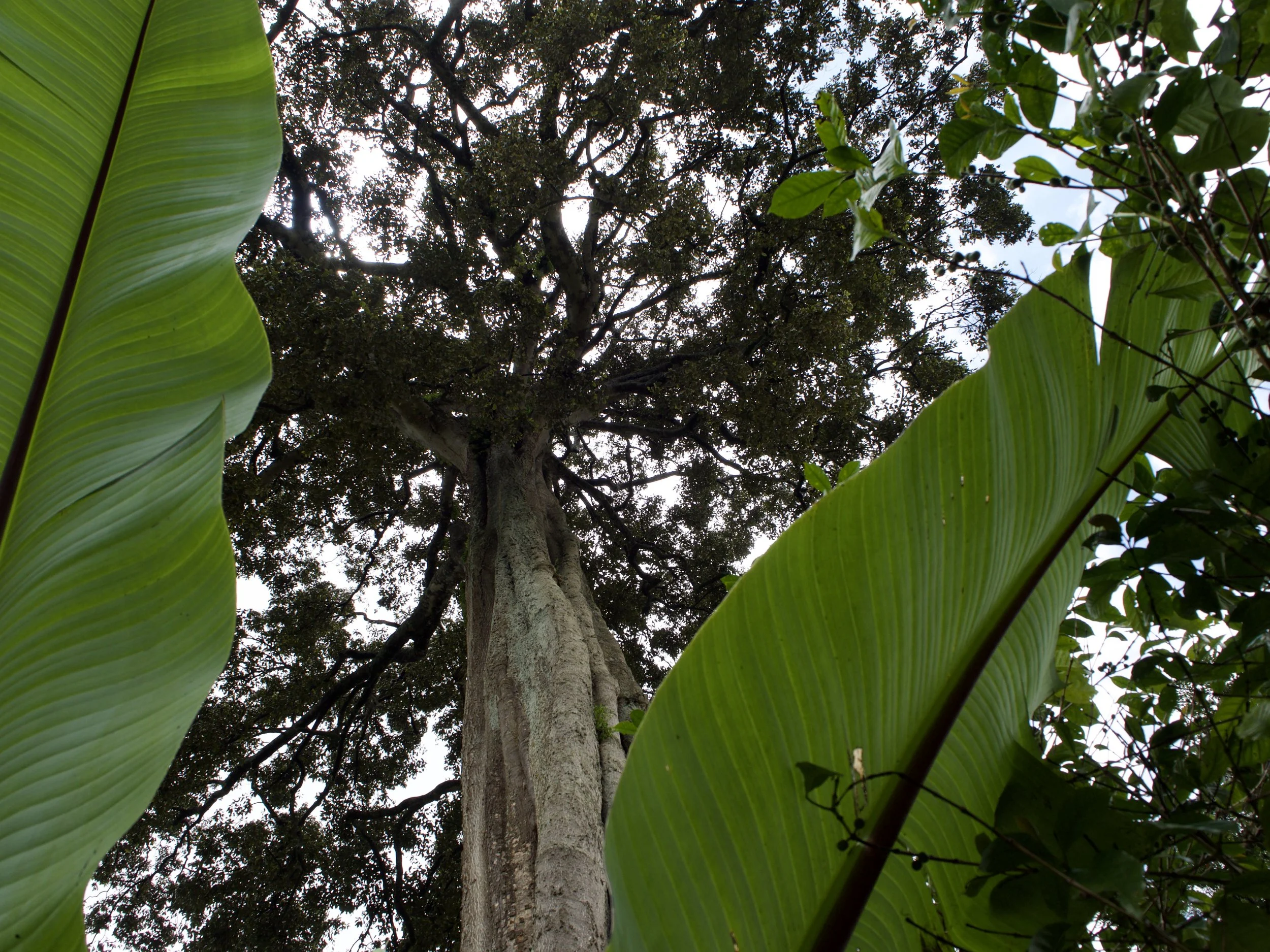
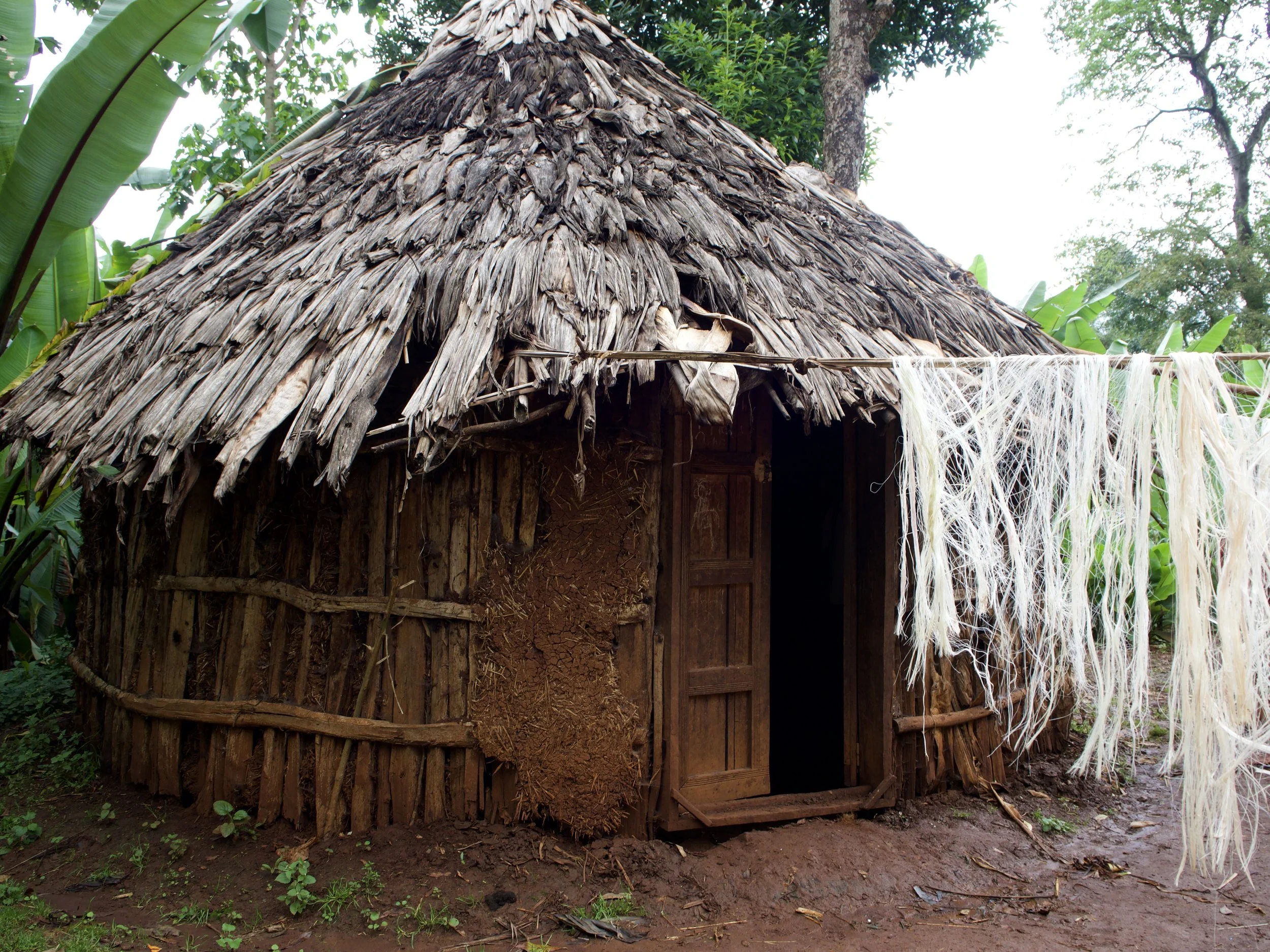
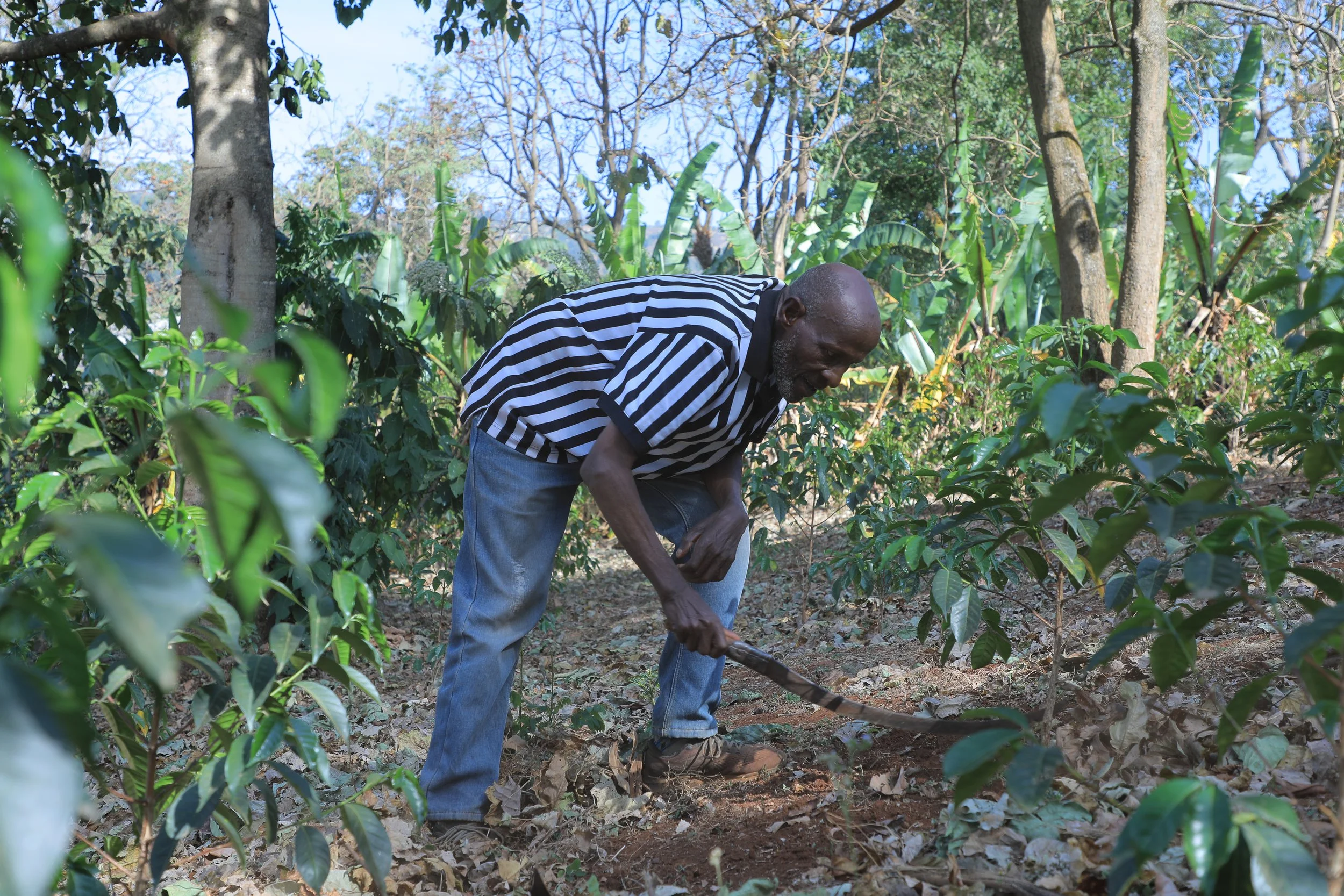
They work closely with smallholder farmers making each lot fully traceable and who carry generations of knowledge, where coffee and nature go hand in hand and remains a ceremonial drink for many who grow and consume it. Farmers cultivate coffee under agroforestry systems, and through Mocca’s dry and wet mills in Guji and Yirgacheffe, different processing methods are used to bring out the depth and diversity of Ethiopian flavours.

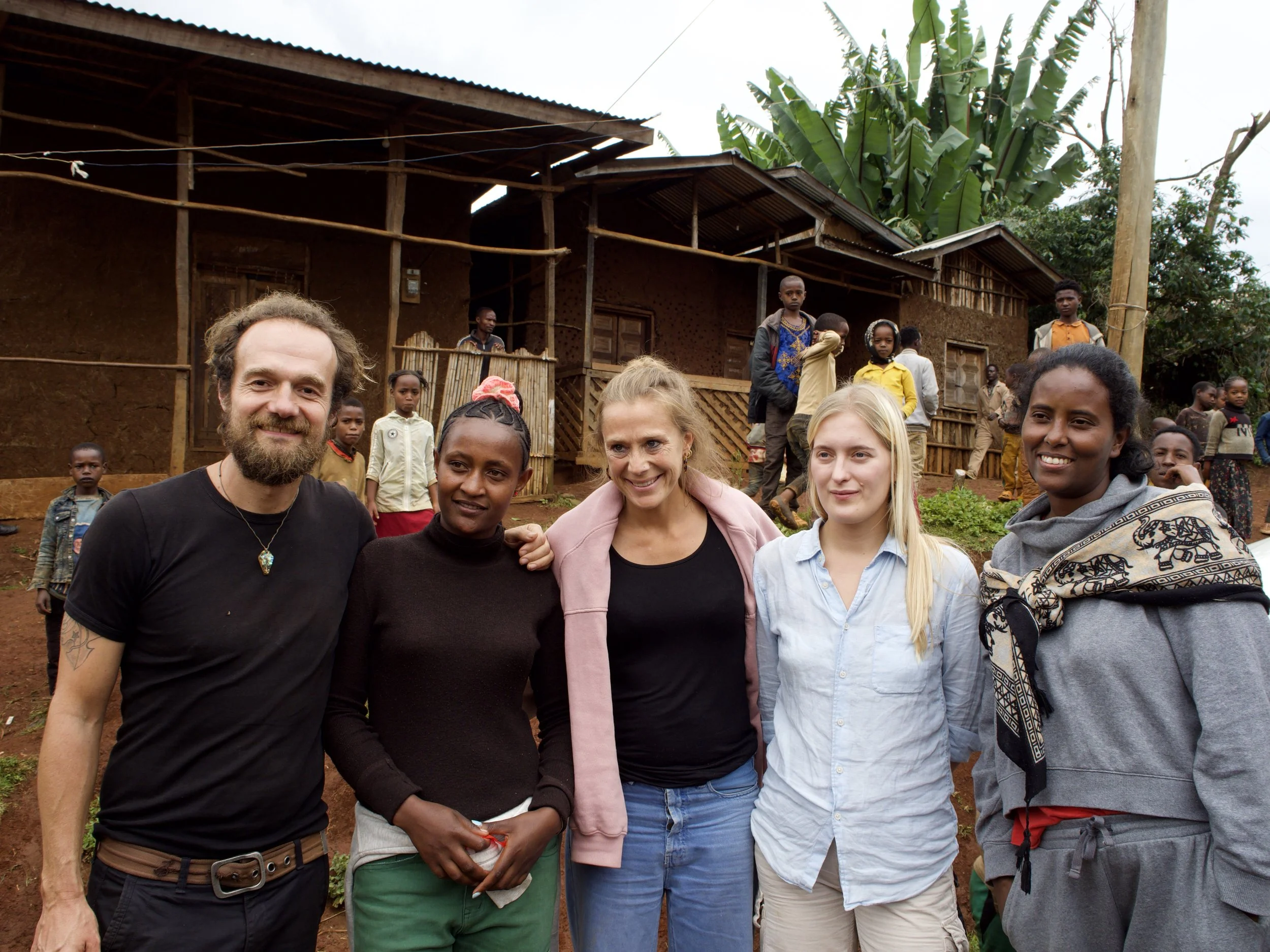
By returning year after year, she builds long-term relationships that add real value to farmers’ lives, mirroring our role and values on the other side of the chain. Through this continuity, she helps shape both single-farmer and community lots that can command premium prices—working with producers she trusts not only for their coffee, but for how they reinvest those premiums to improve quality of life within their communities.


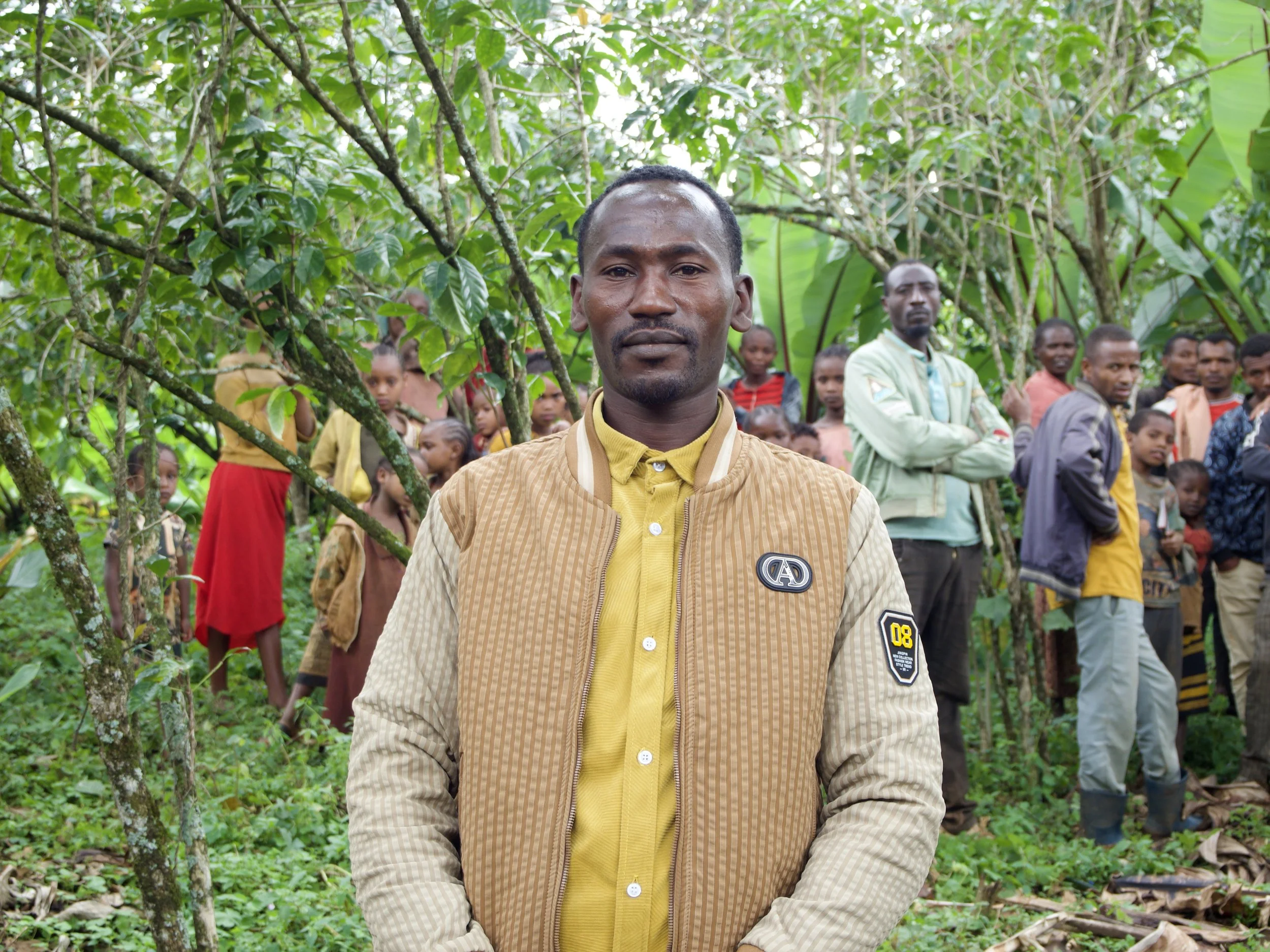
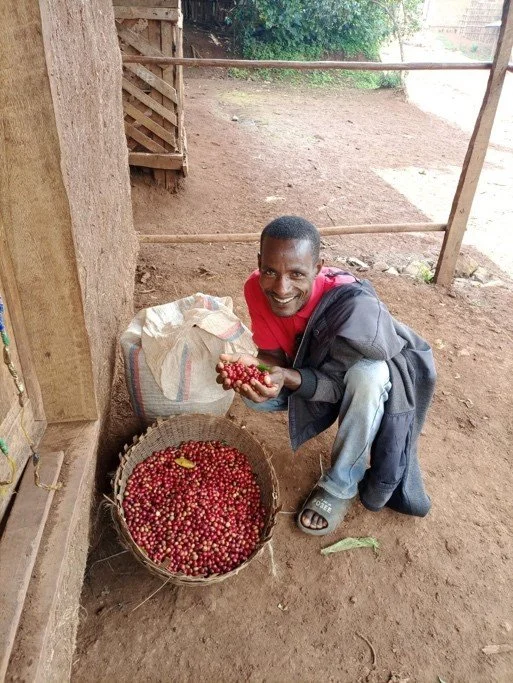
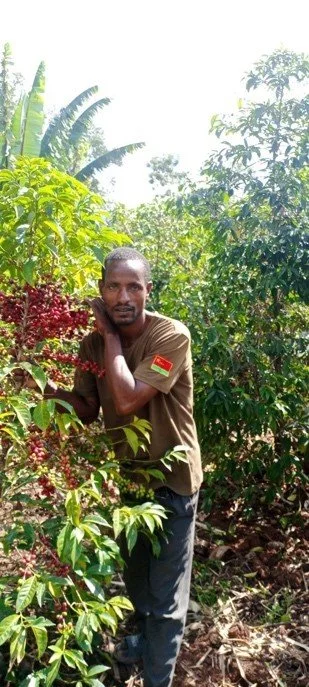
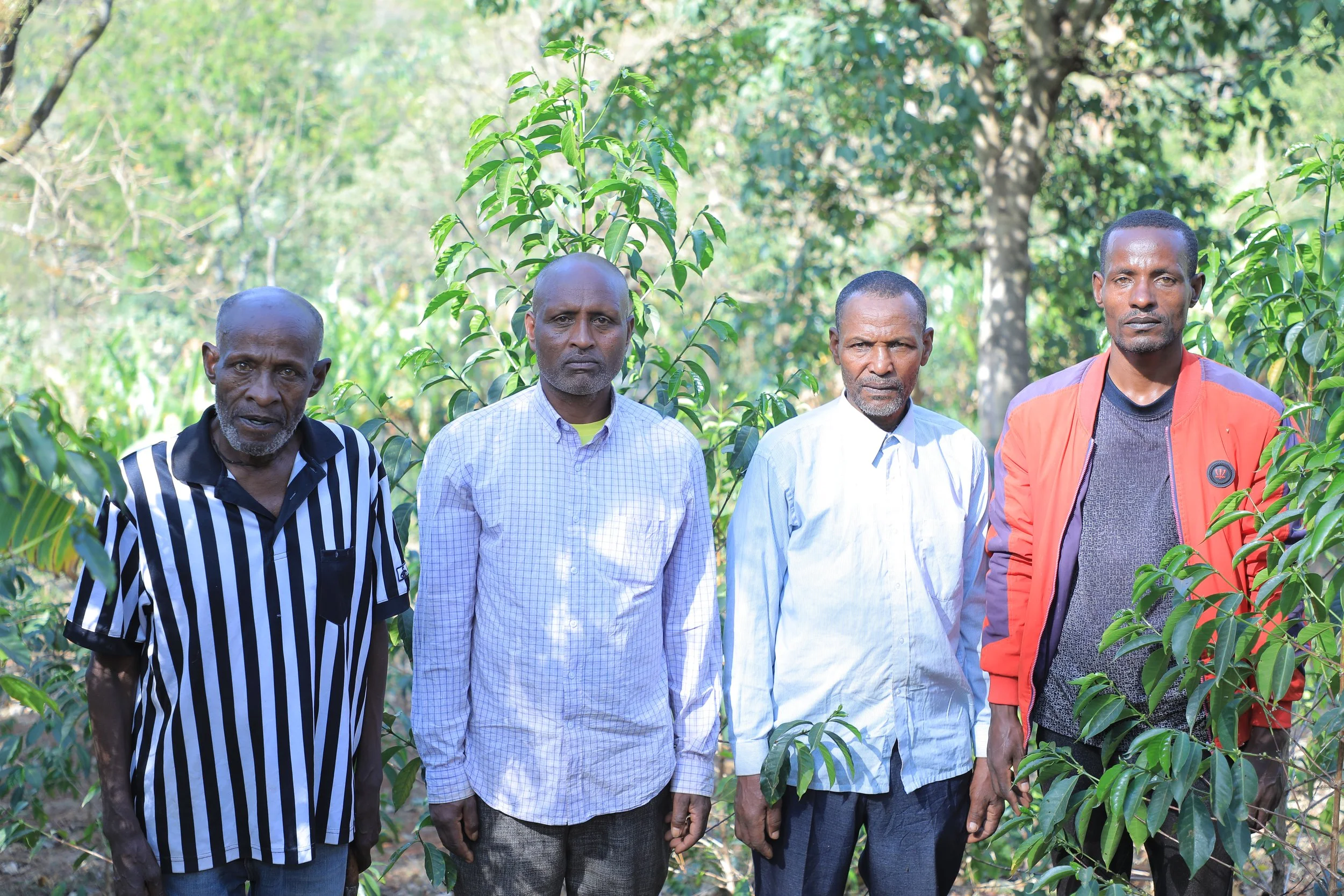
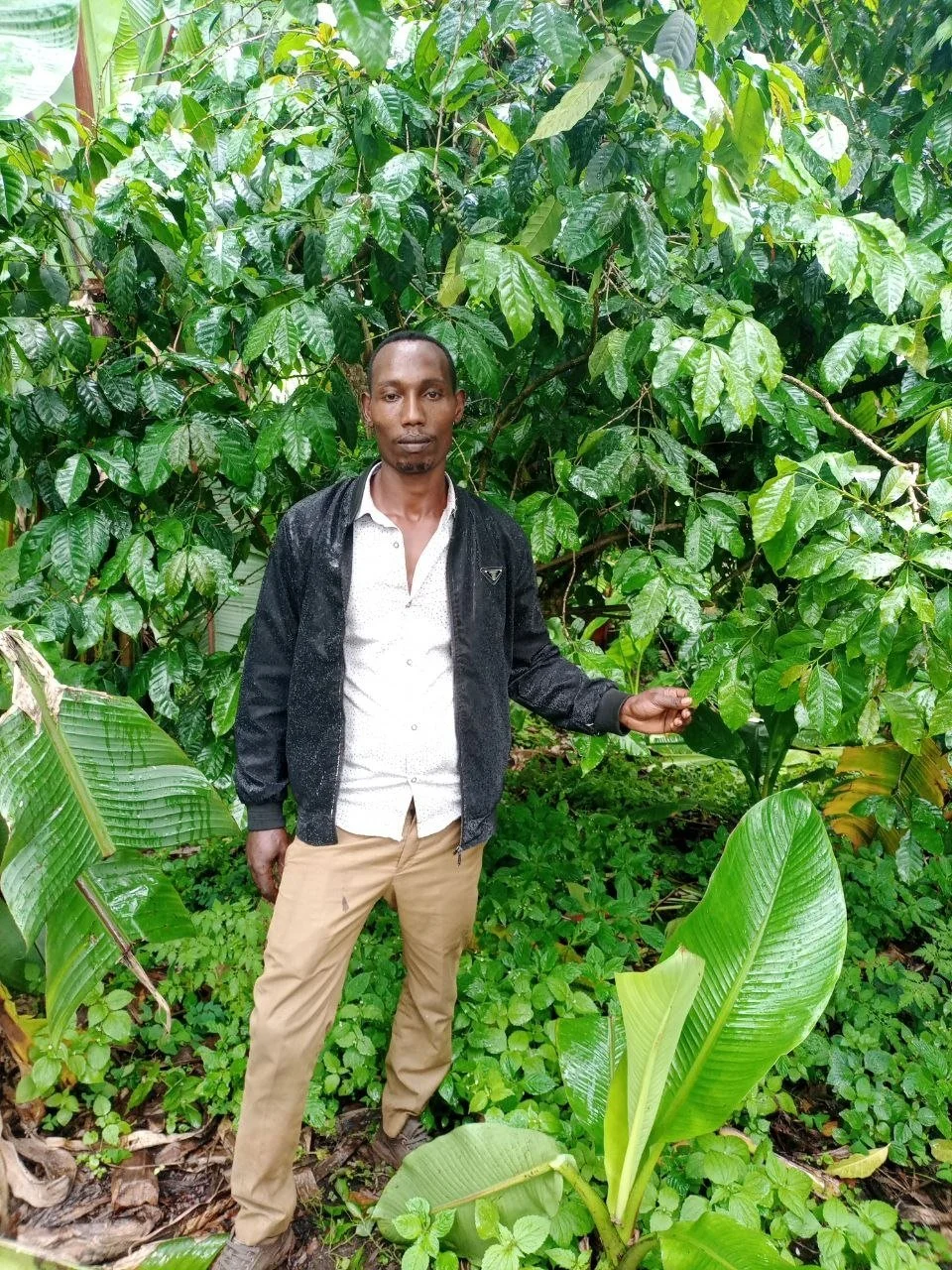
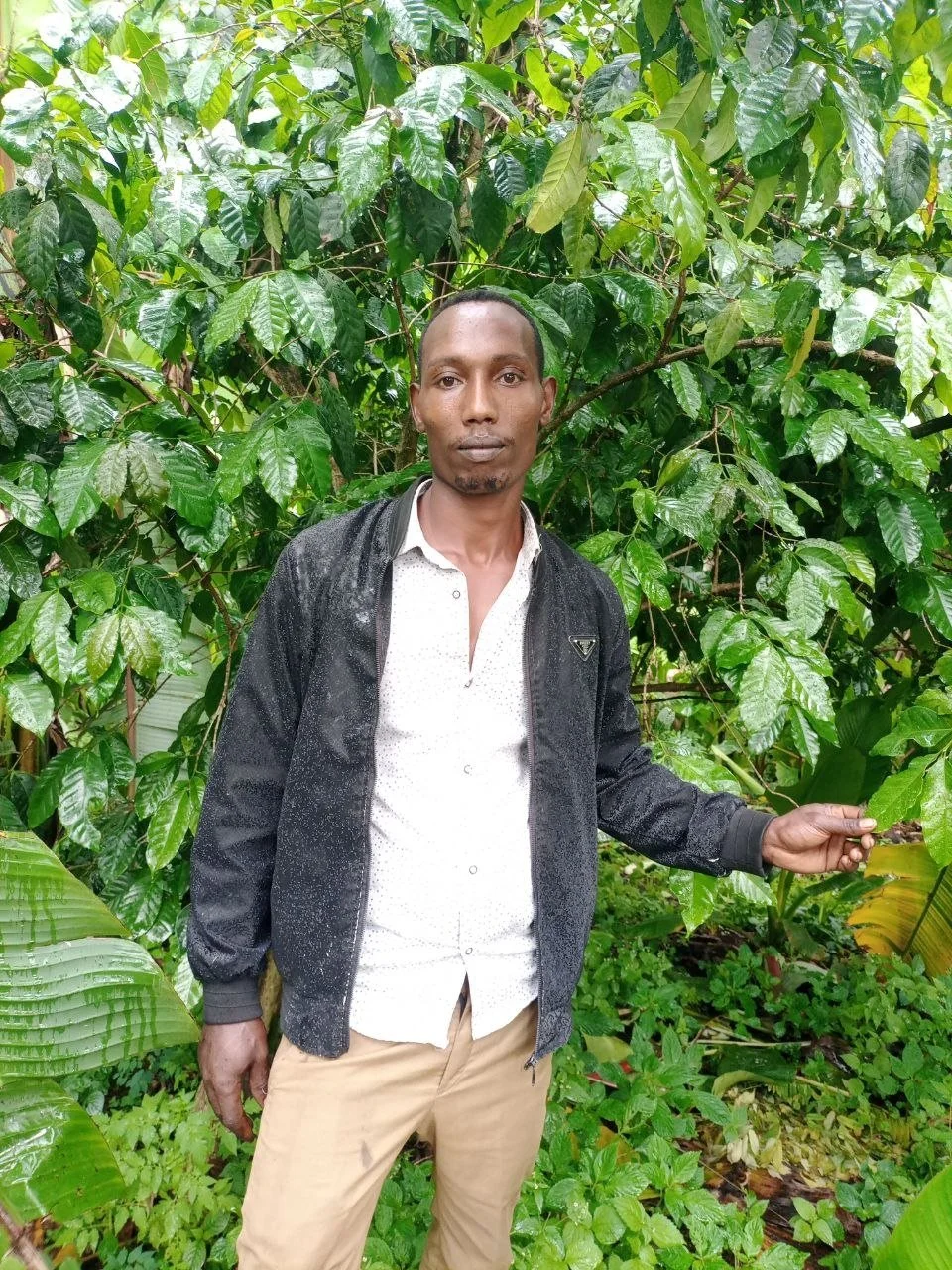
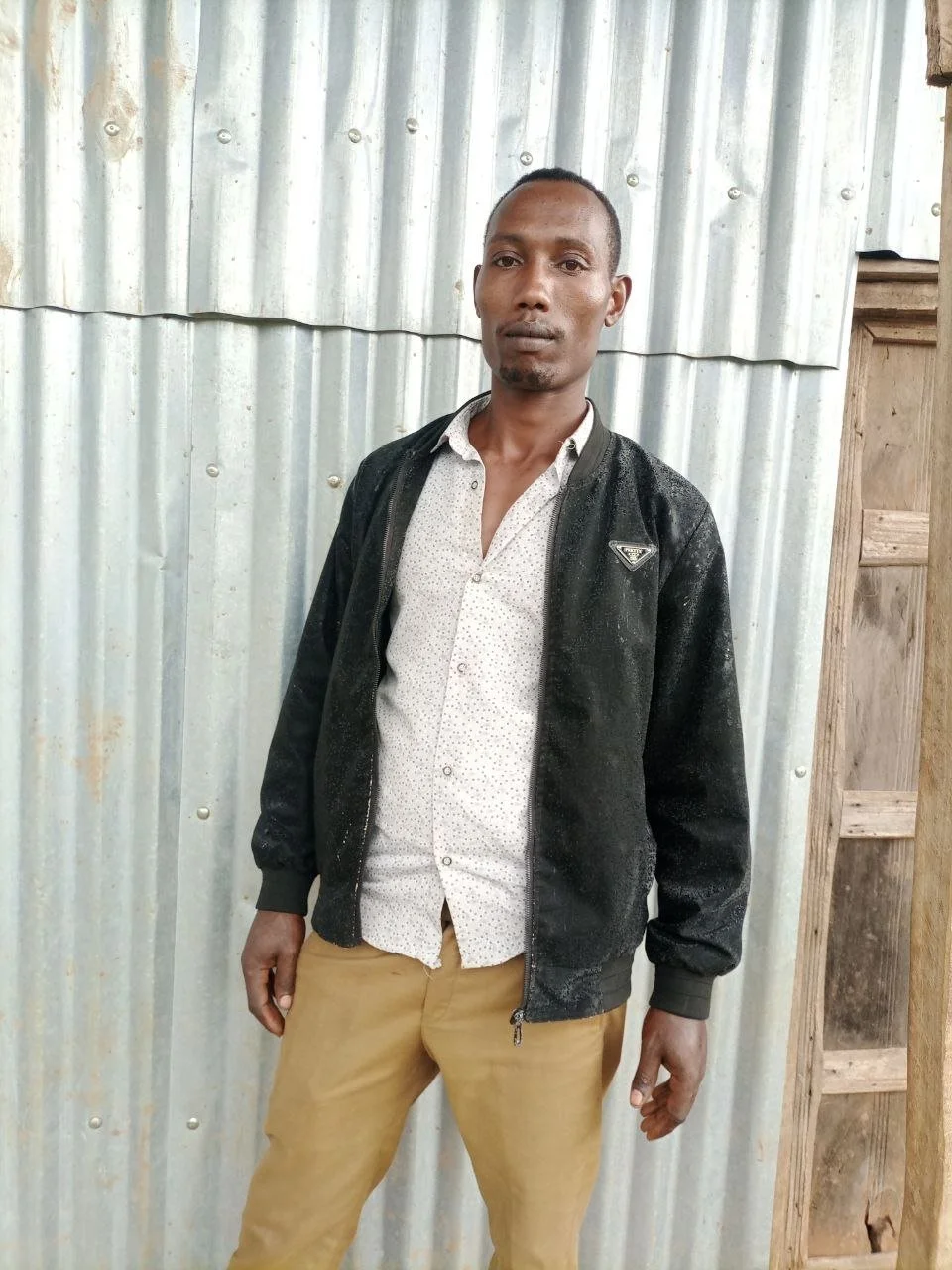
These are our partner farmers for Single farmer lots in Yigarcheffe and Guji


Tsedenia works closely with the same group of farmers each year, building long-term relationships and knowing them personally.
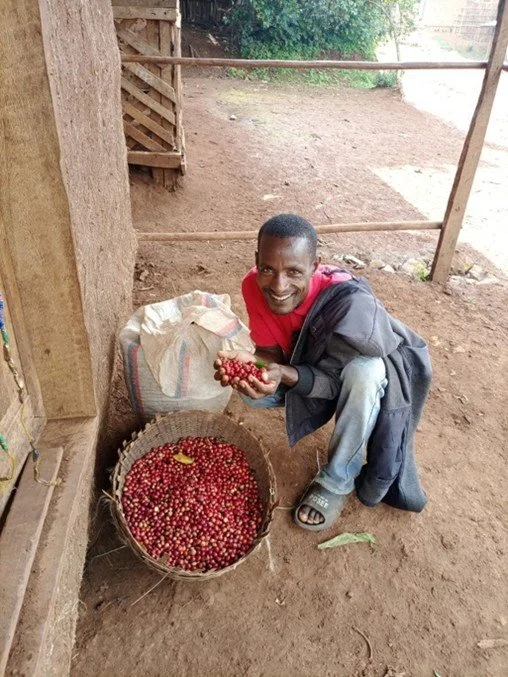


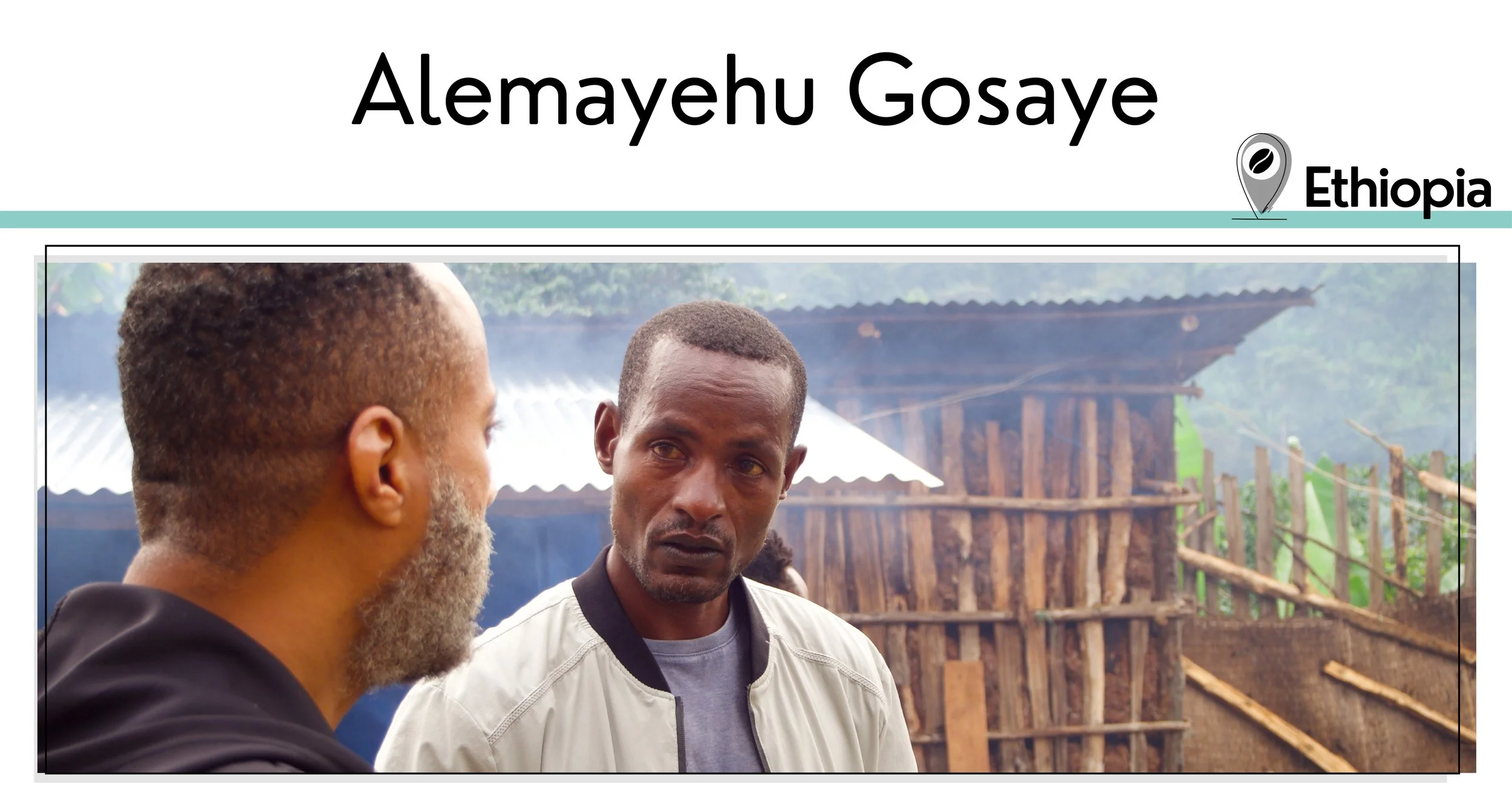
Alemayehu Gosaye

hectares: 2.78
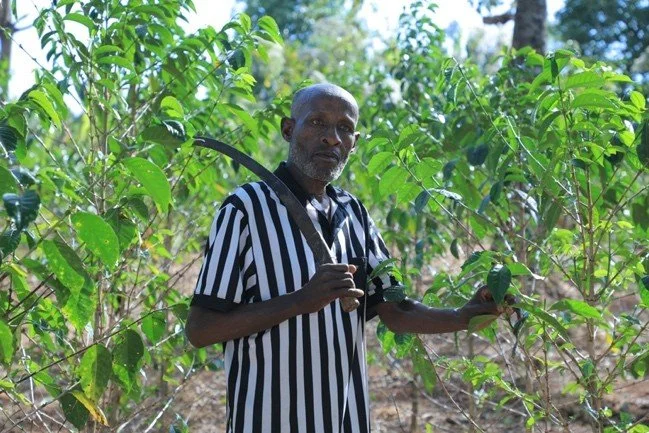
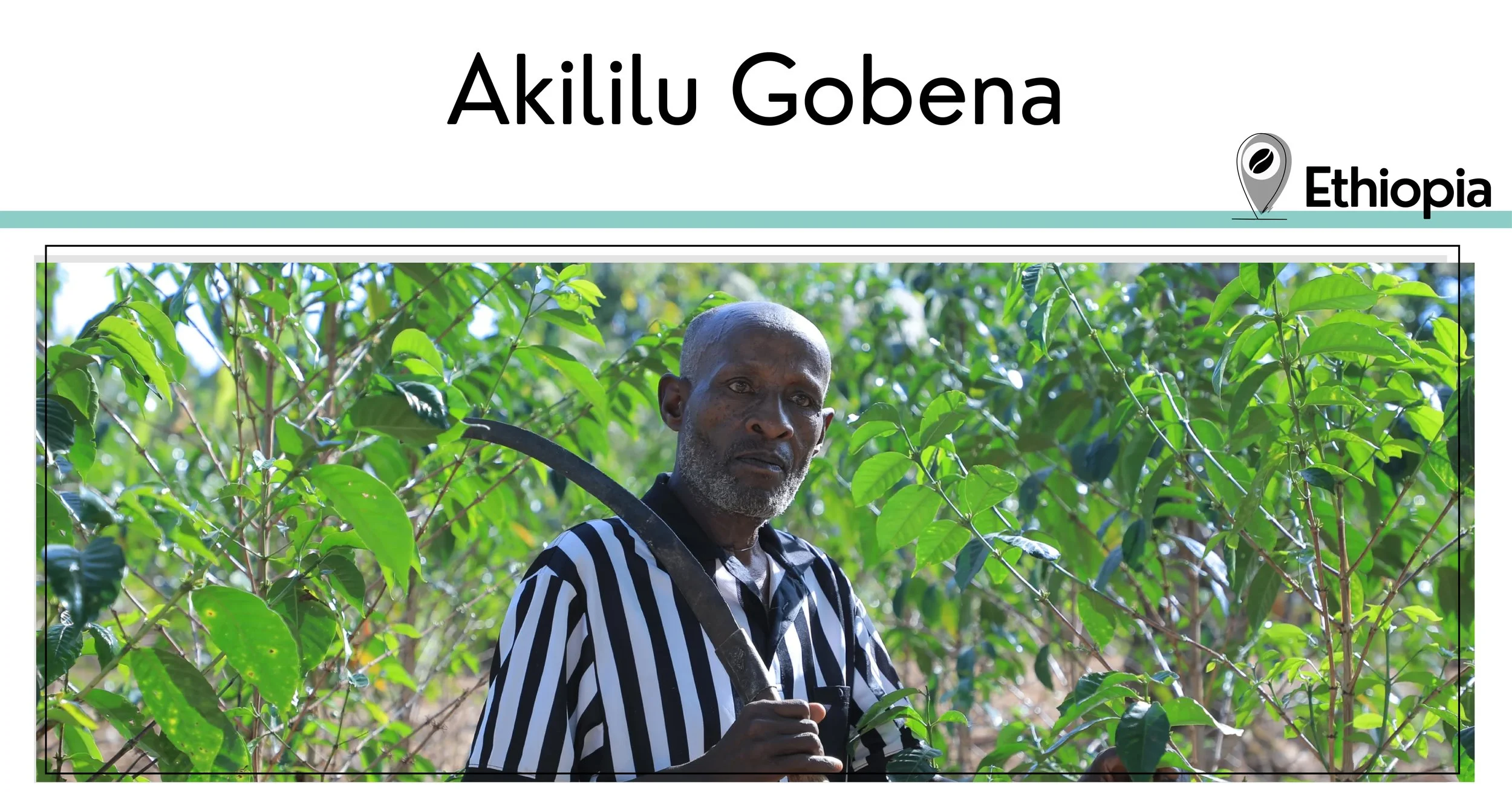
Akililu Gobena

hectares: 2.45
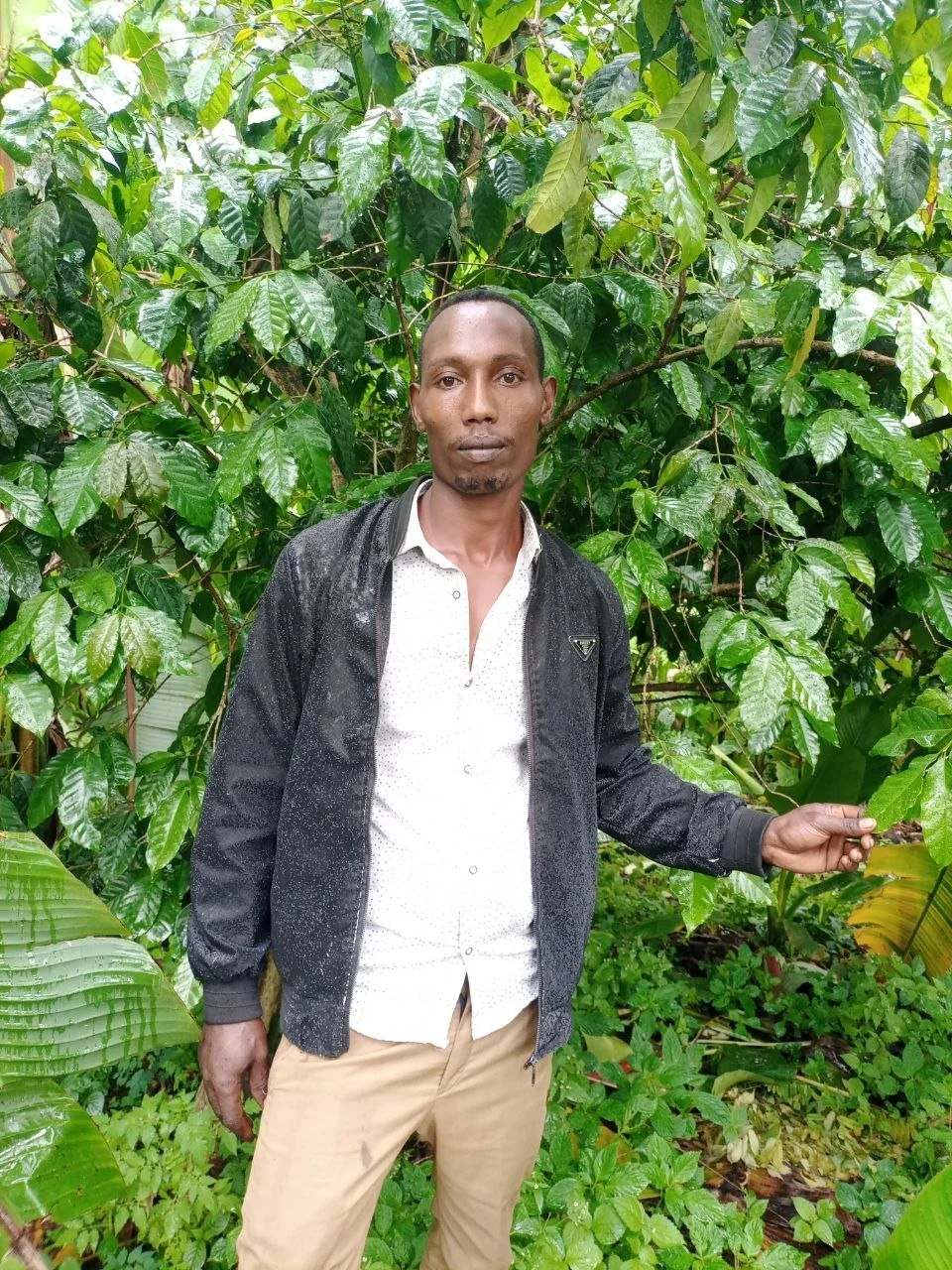
Mitiku Kebede Kurse

hectares: 3


We assure you that the average Ethiopian coffee value chain does not look so simple. The fact that Mocca buys the cherries from farmers and also is working towards empowering them by adding more value through processing as well as exporting it to international markets warrants an unprecedented amount of transparency for this notoriously opaque coffee origin.


Traceability

You can find all the signed contracts and shipping documents that we made with Mocca since 2026 below (Google Drive).


2025: Our team visited Tsedenia in Yirgacheffe to explore the possibility of working together. Following those conversations, This Side Up committed to purchasing a selection of single-farmer lots and community lots, marking the beginning of our partnership.

2026: We are importing our first container from Mocca Ethiopia, bringing the first coffees from this partnership to our customers and taking the next step in building a long-term relationship.


Our QC’s Flavour impressions

We don’t want to shy away from saying that the Mocca coffees have turned out marvelous. It’s truly humbling to work with coffees of such character.

From Dimtu, a coffee that embodies the quintessence of natural Ethiopian coffee, layering jasmine florals over vibrant notes of mandarin and strawberry, to the single-farmer lots, each with its own distinct personality. One reveals reveals deeper blueberry character with bright grapefruit acidity, while another brings to mind vanilla ice cream with ripe peach sweetness.

The Grade 4, while perhaps less striking, carries both fruity and sweet almond notes, making it a versatile option for both espresso or as part of a blend.
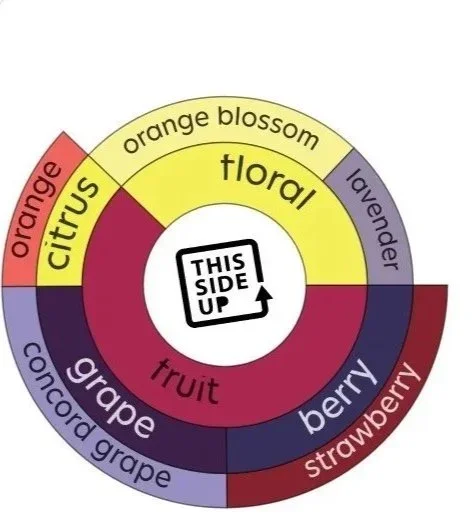
Mocca - Akililu Gobena - natural grade 1

roasting advice

To fully open up our Ethiopia, we've created separate washed and natural profiles for this origin. Even though we use the same profiles for the rest of Africa, Ethiopian coffees still tend to require more heat.

This also applies to the production roast: these beans need a high starting temperature and will absorb a lot of heat during first crack. Don’t be afraid of a higher drop either- done right, the full Ethiopian palette will shine through. As for decaf, we’ve seen ourselves and heard from other roasters, that the your washed Ethiopian profile is a great starting point and sometimes won’t even require any adjustments
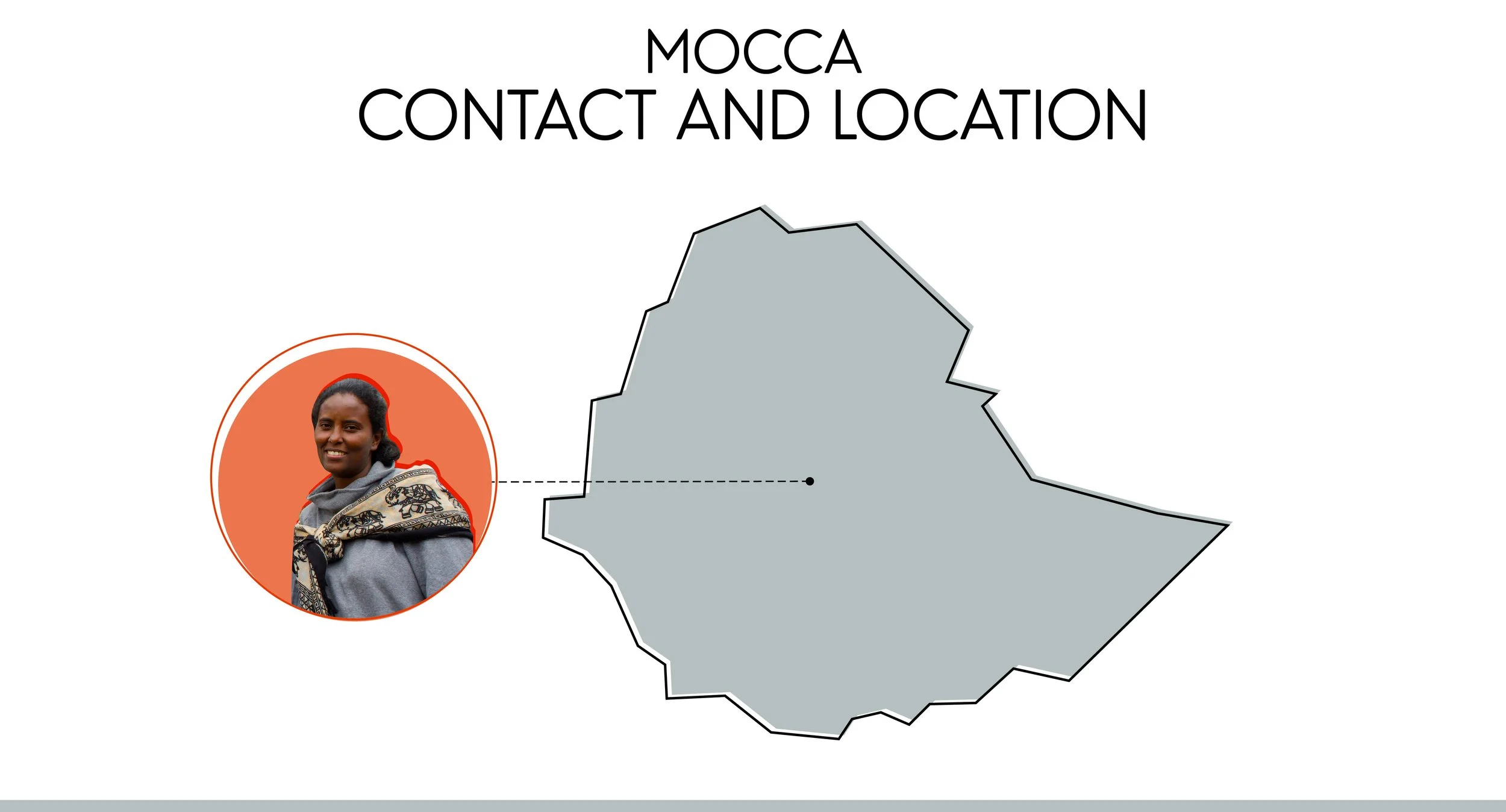


Tsedenia Abayneh

Tsedenia shuttles between Oslo and Ethiopia throughout the year.

Email: tsedenia123@gmail.com Phone: +251 93 012 2222


Kanketi Coffee export, Around Mechanissa Abo Church, Lesotho St, Addis Ababa 1000, Ethiopia


PHOTO GALLERY

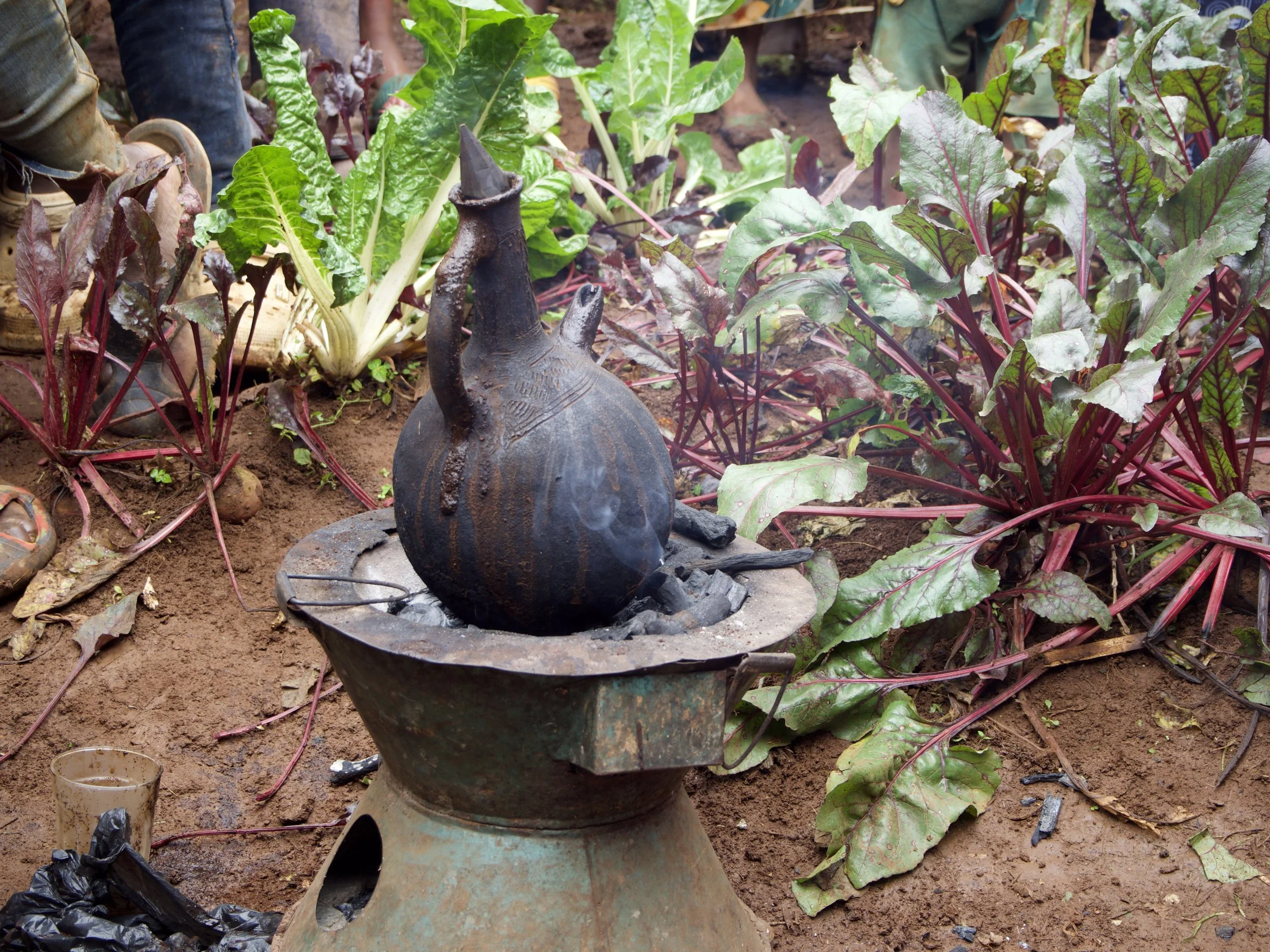
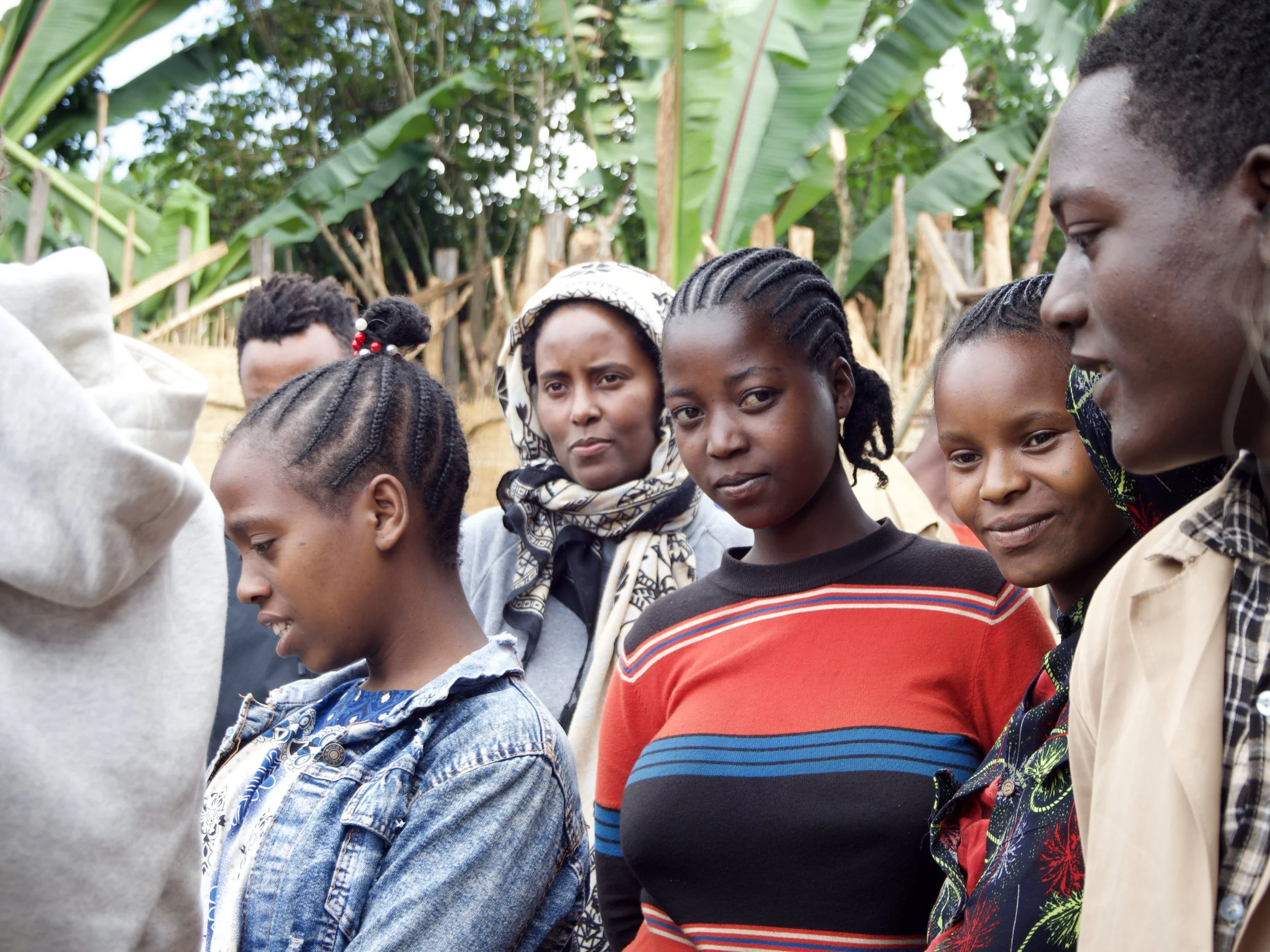
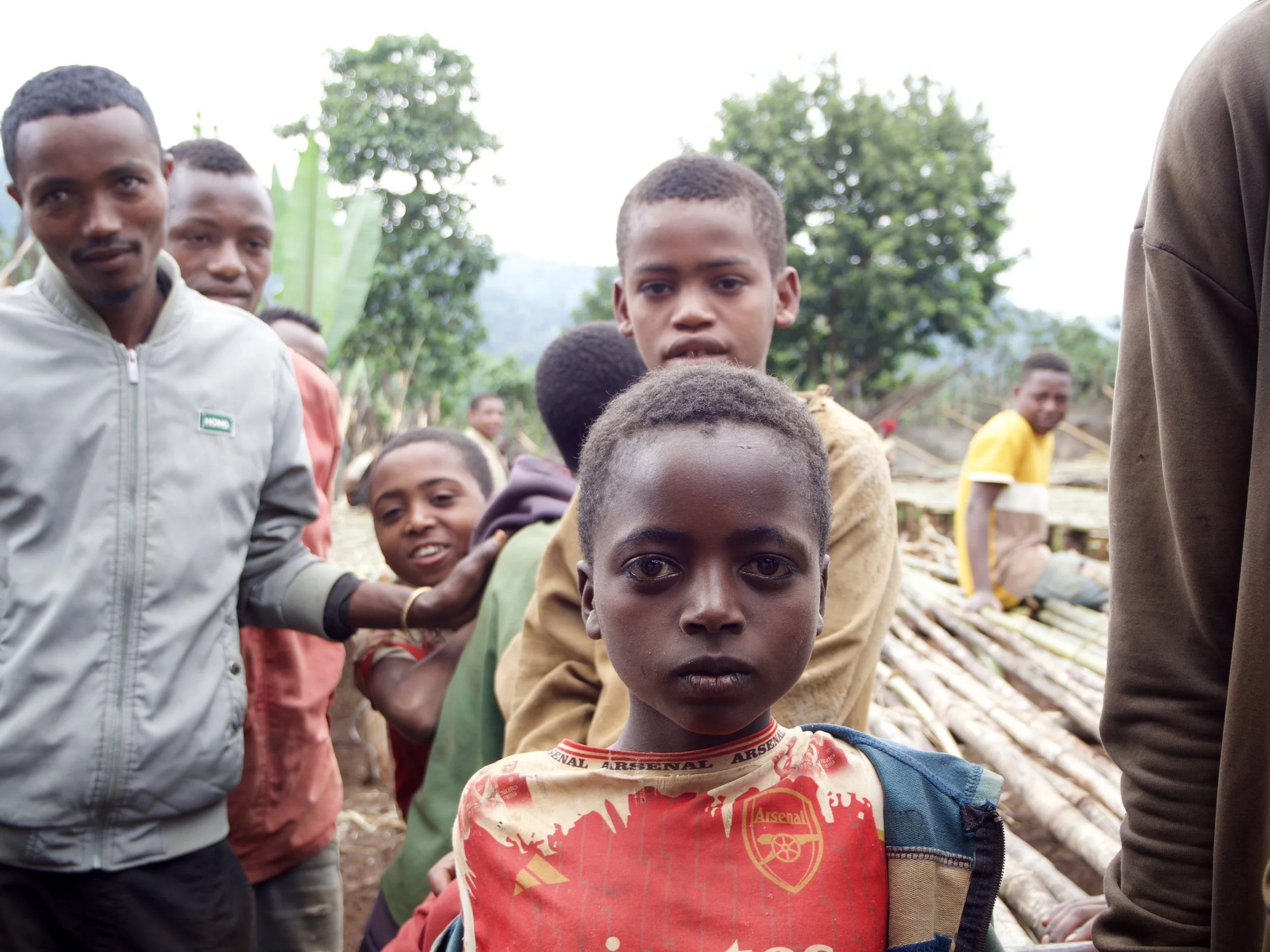
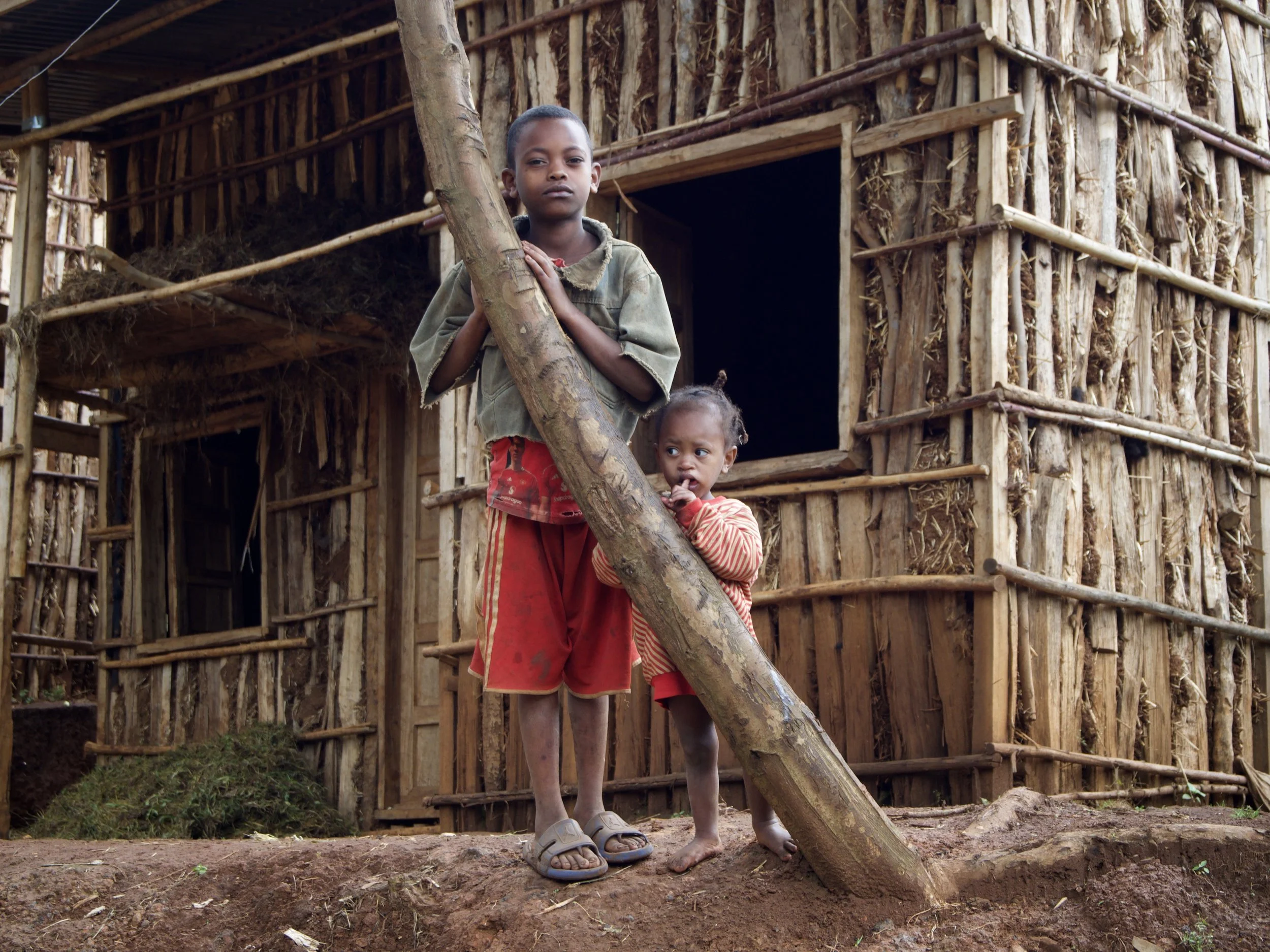
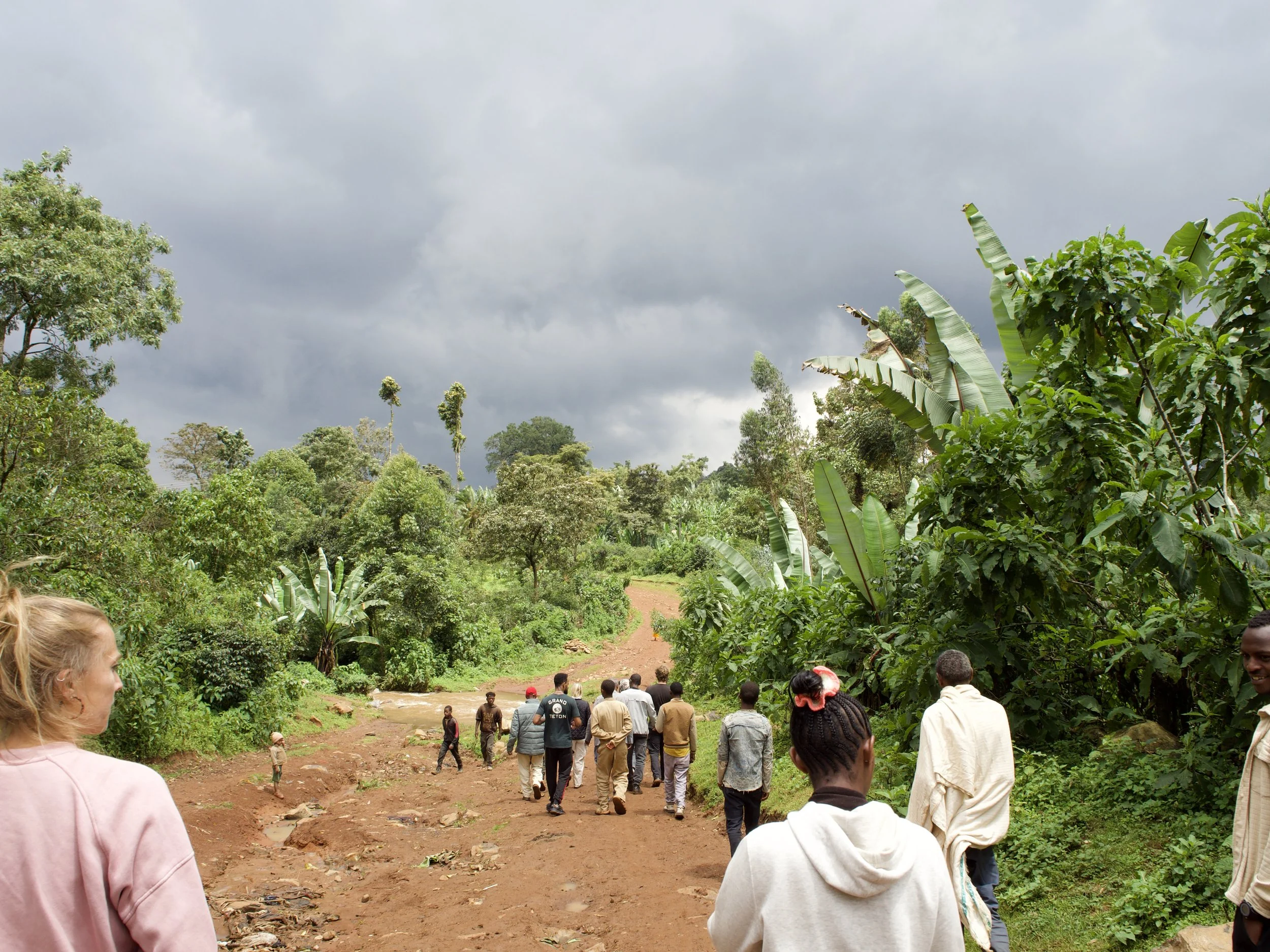
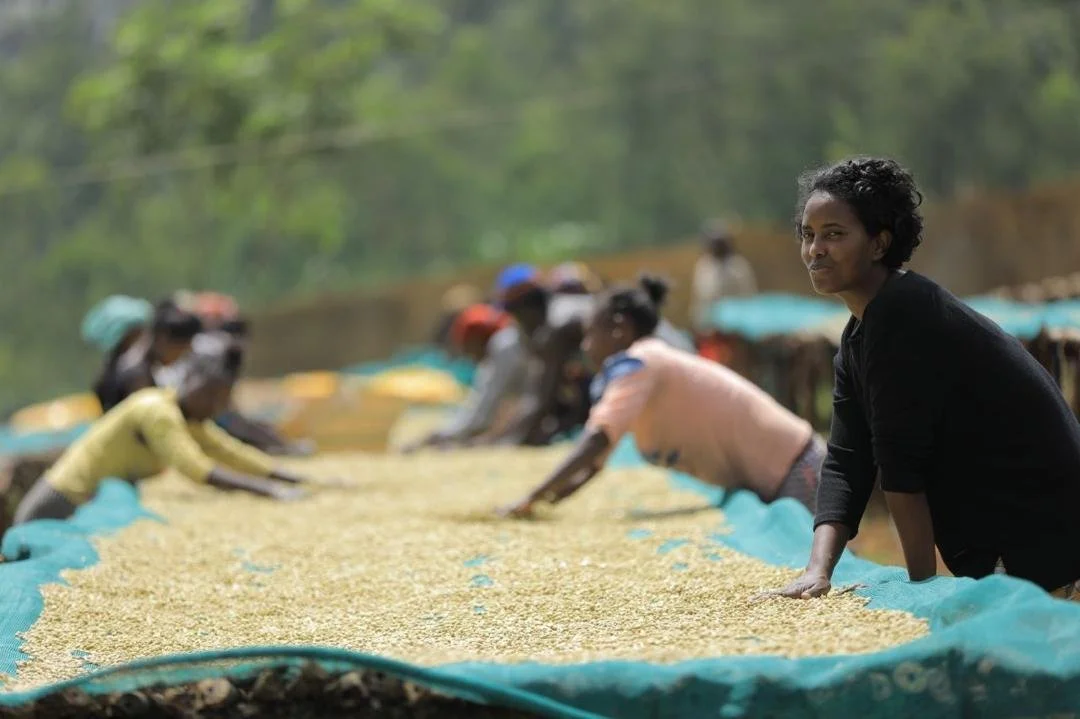
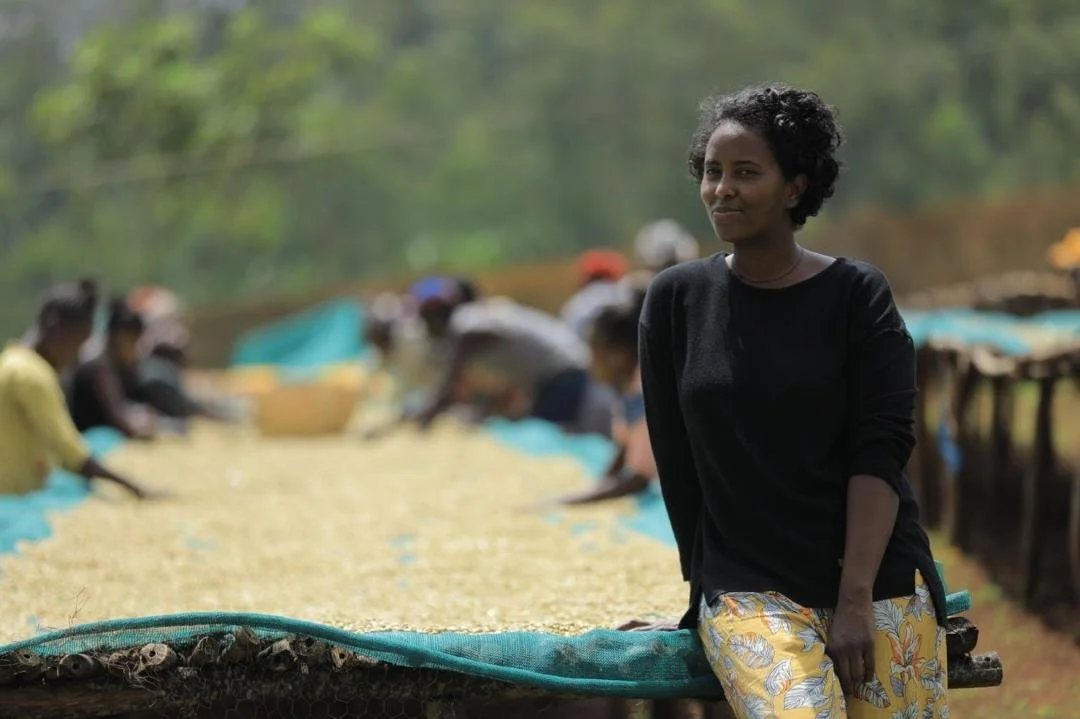
These pictures were taken by us in 2025 during our Origin Trip
You may use them freely to promote Mocca among your customers.
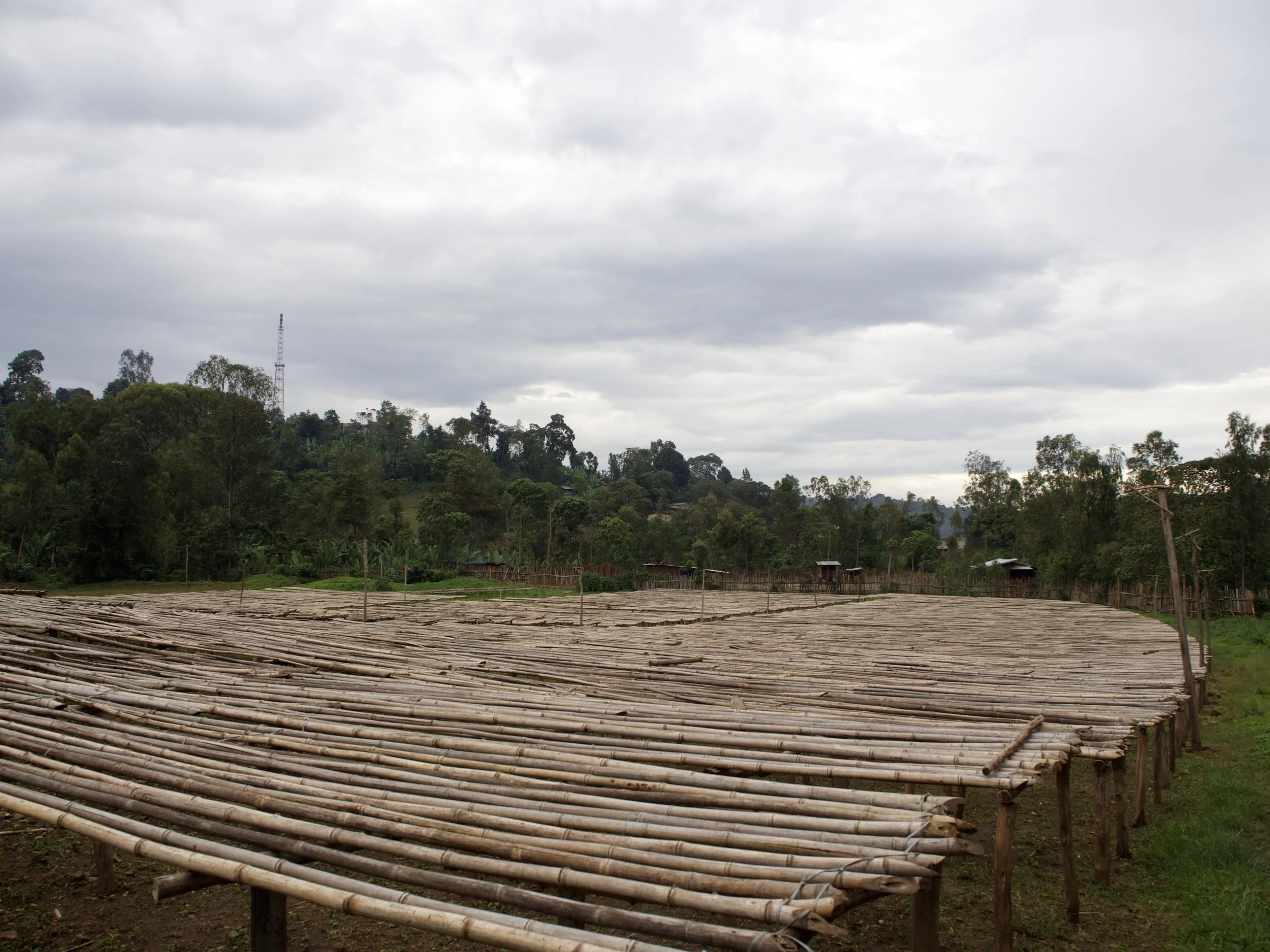
 

Replanting the Future

Alemayehu Gosaye, a 45-year-old man, was born and raised in Gerisse town, located in the Yirgacheffe district. He is married and has four children. His family has a long tradition of cultivating coffee, but their livelihood had not improved due to the old coffee trees, which were increasingly affected by diseases.

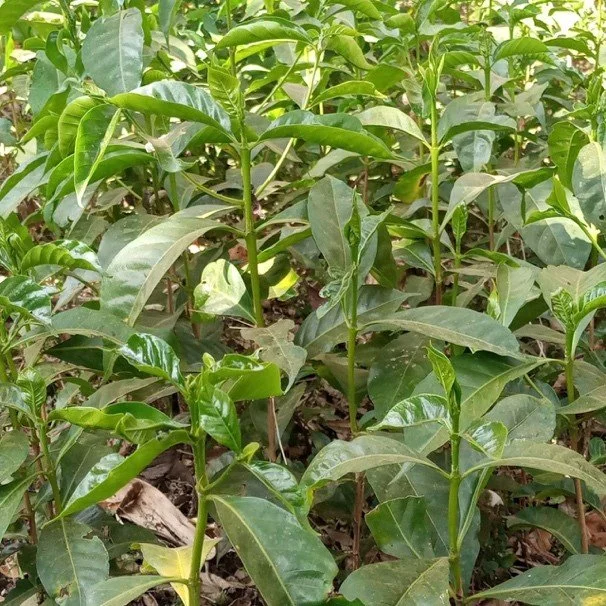
In 2013, following the passing of his father, Alemayehu took it upon himself to improve the quality of their coffee, aiming to transform it into a specialty coffee that would bring greater profitability for him and his family. By replacing the old Wolish and Gudba varieties with the more resilient and higher-yielding JARC variety 74110, Alemayehu didn’t just improve his own farm’s productivity, but also served as a leader in his community, encouraging neighboring farmers to follow suit. His efforts were not just about increasing yields, but about enhancing the flavor profiles of the coffee.


CULTIVARS

7JARC 74110, 74148

elevation

2118 Meters

NOTABLE

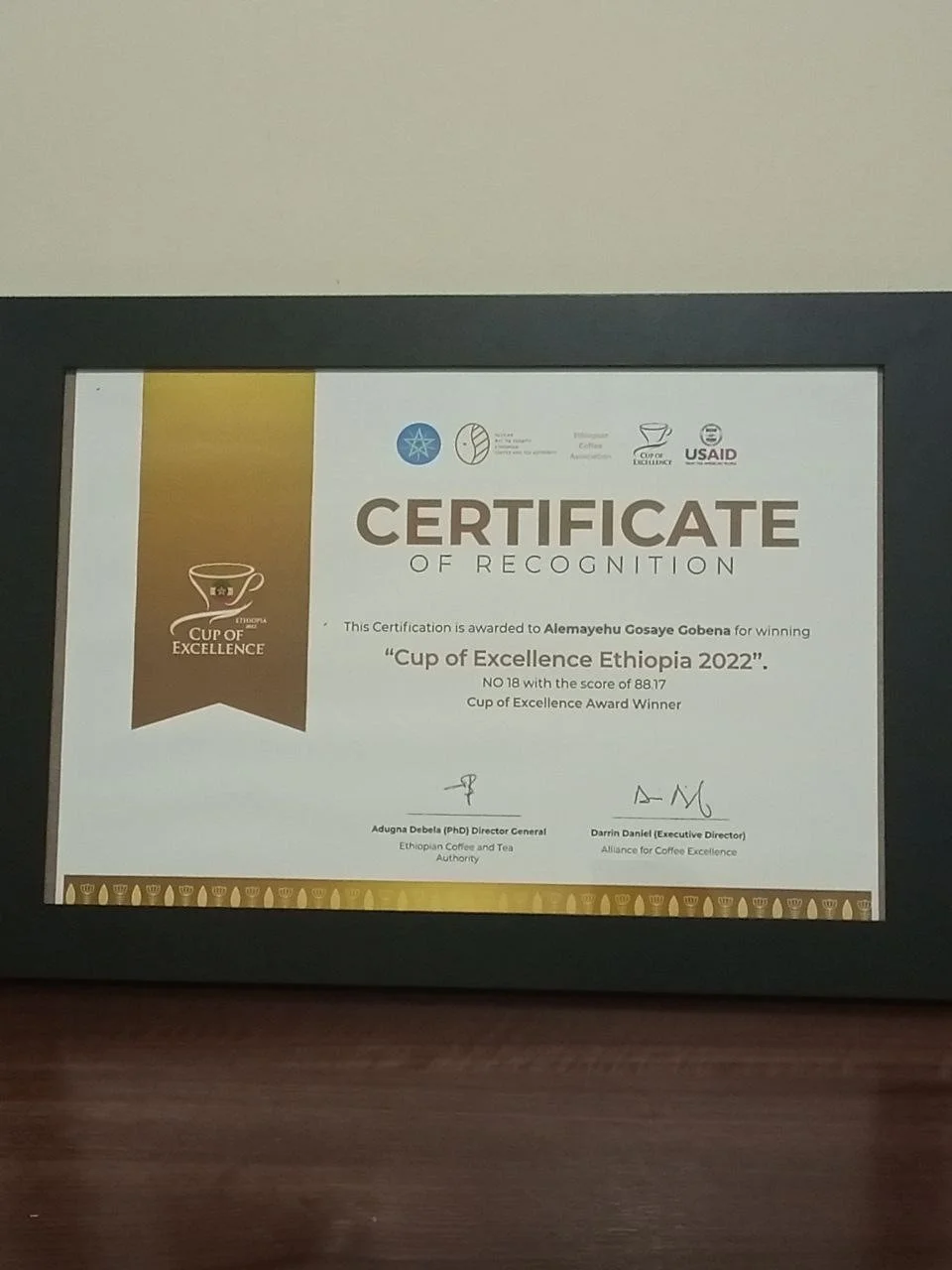
Alemayehu secured 18th place and successfully sold his coffee at auction in 2022.Winning a place in the COE Ethiopia competition further encouraged him to continue improving and pushing the boundaries of what was possible in coffee cultivation and processing.

PROCESSING

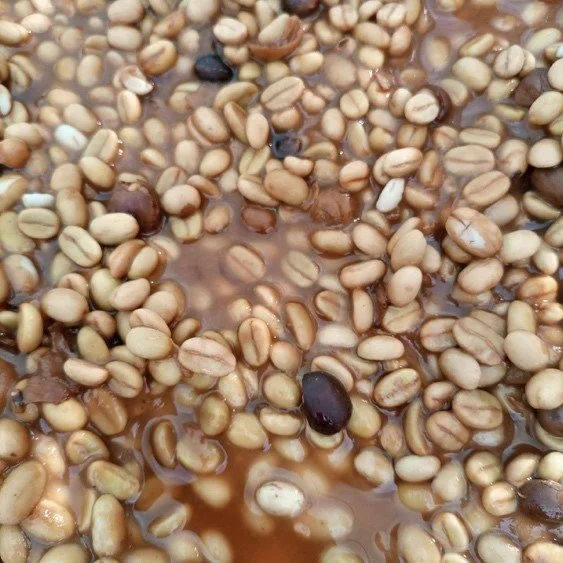
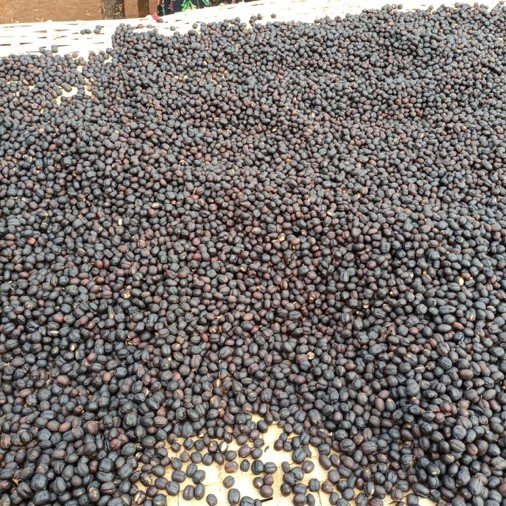
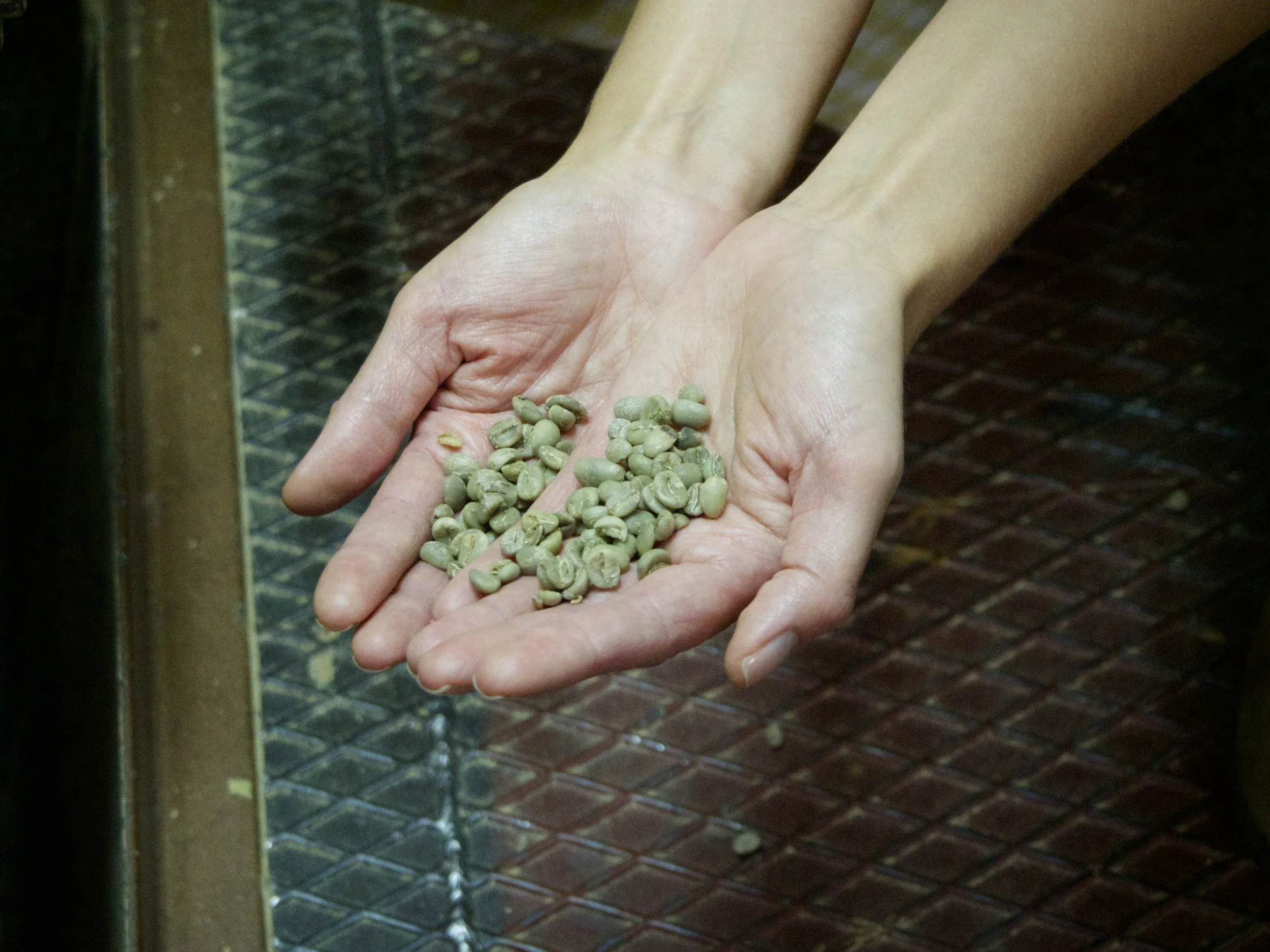
Naturals : They buy freshly harvested red coffee cherries that are handpicked from farmers around the dry mill. The selected red cherries will be put on natural drying raised beds usually for 21 days or more depending on the temperature. After the coffee finalized it drying on the natural sun, it will go through under huller for removal of the outer skin cover or cascara in the dry mill.


TASTIFY™ CUPPING NOTES
2026

Mocca -Gersie - Alemayew Gosaye - grade 1 - natural


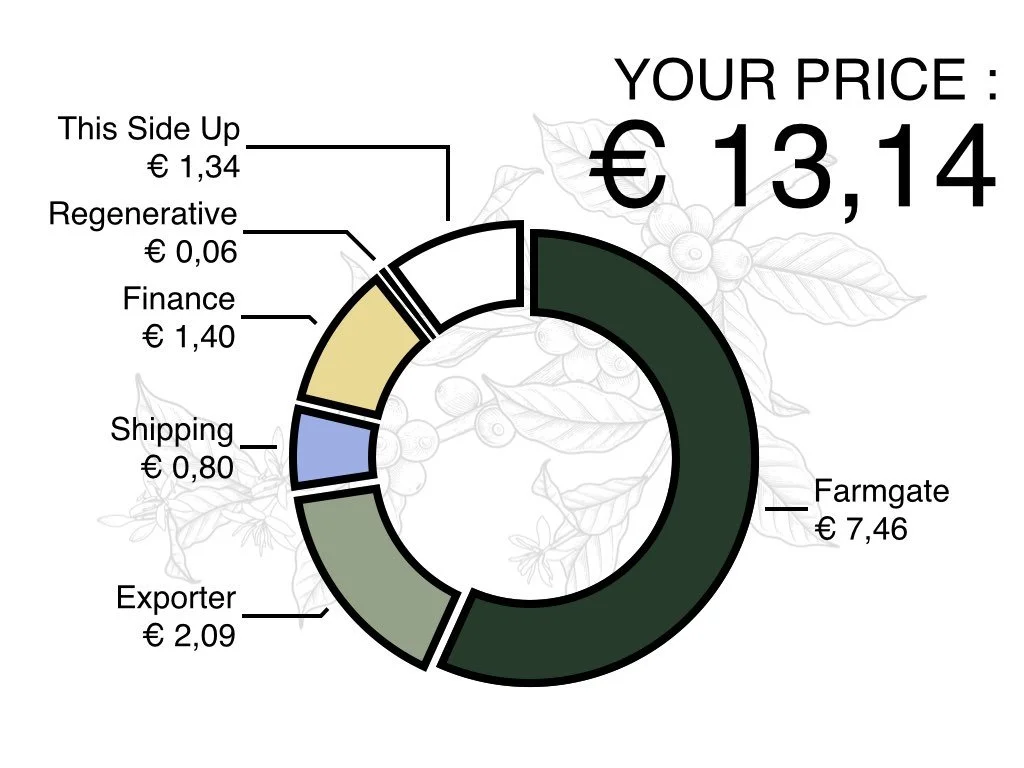
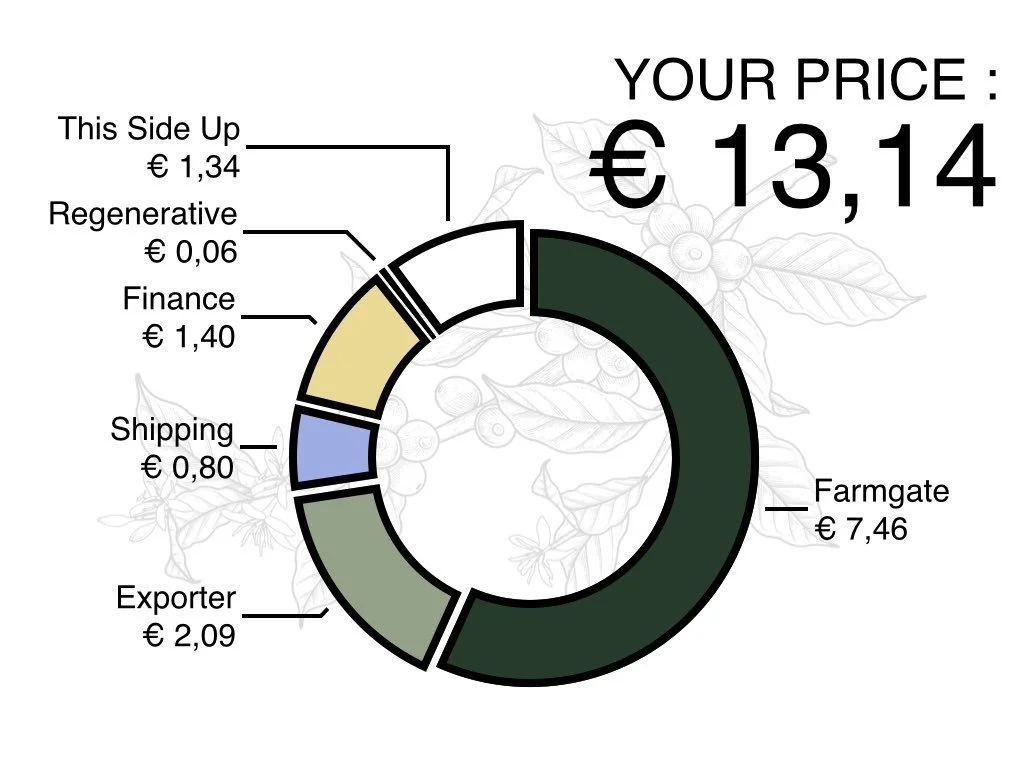
  • The price you pay for Alemayew Gosaye p/kg. We agreed on this price directly with the farmers, disregarding the volatile US Coffee C price.

  • This is what Mocca pays to the farmers for buying their cherries.

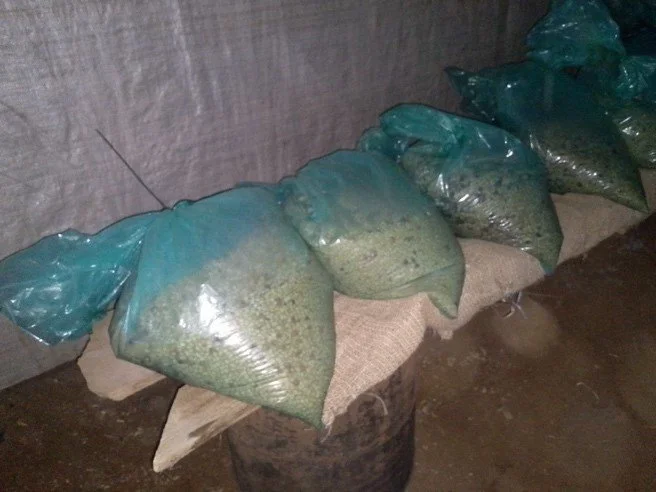
  • Mocca buys the cherries from the farmers and processes them. This cost includes processing, hulling, transport to Addis and Final sorting and warehousing. As well as logistics costs to Djibouti, operational overhead costs like staff, office etc. and Jute bag, grainpro and stuffing costs.

  • International shipping from Dijbouti to Rotterdam, Netherlands. It is inclusive of freight, customs, insurance and warehousing costs.

  • Average financing cost owed to (mostly social) lenders. This ensures immediate payment to the farmers when the coffee leaves the farm or port.
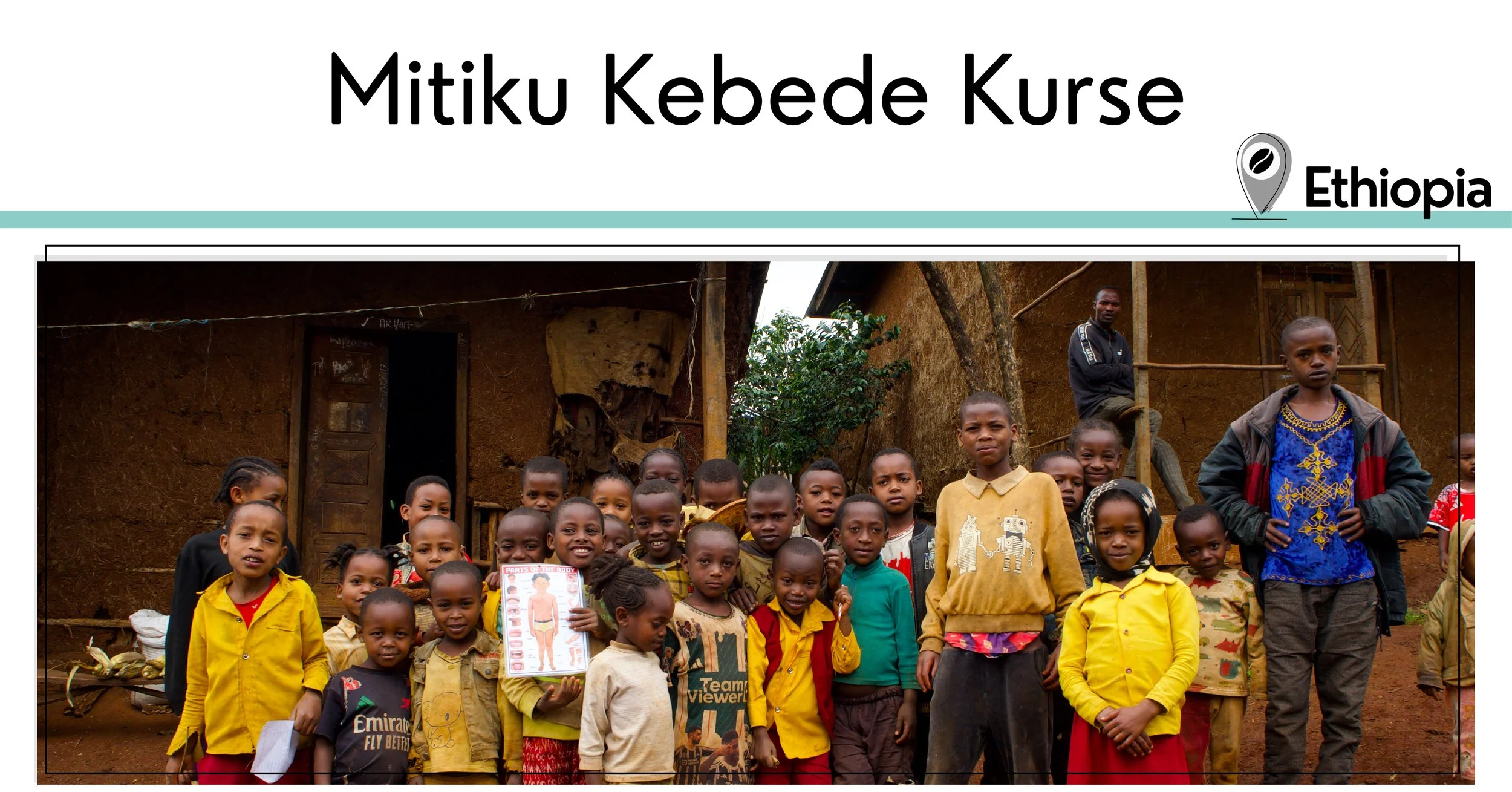
  • A standard TSU premium on all coffees designated exclusively to accelerate farmers’ own regenerative agriculture project.

  • This Side Up compensation for spending time and resources importing this coffee. Our work includes year-round contact with producers, managing export, shipping, import, warehousing, grading, sampling, finding and keeping roasting partners for Alemayew Gosaye € 1,34 is This Side Up’s Model 1 markup. For a full overview of our modular margin construction, see the Trade Models page


generational persistence

Ato Mitiku Kebede is a dynamic, second-generation specialty coffee producer who manages a 3.14-hectare estate at a high altitude in Gerisse, Yirgacheffe. The 36 year old father of four, mastered agronomy at a young age by working alongside his father after school. When his father passed away in 2012, Mitiku took full responsibility for the family legacy, courageously modernizing the old, vulnerable plantation by integrating prized, disease-resistant JARC varietals (74110, 74112, and 74148). Driven by technical guidance from agricultural experts, his estate now produces an impressive quality and quantity of coffee annually. By meticulously drying his harvest on modern raised African beds to secure impeccable quality control, Mitiku successfully honors his father’s vision while establishing himself as a top-tier producer of exceptional specialty coffee.


CULTIVARS

7JARC 74110, 74148

elevation

2120 Meters

NOTABLE

He was able to modernize their family farms by planting resistant varieties as he took over from his father locking in a future that is sustainable as a coffee farmer.

PROCESSING

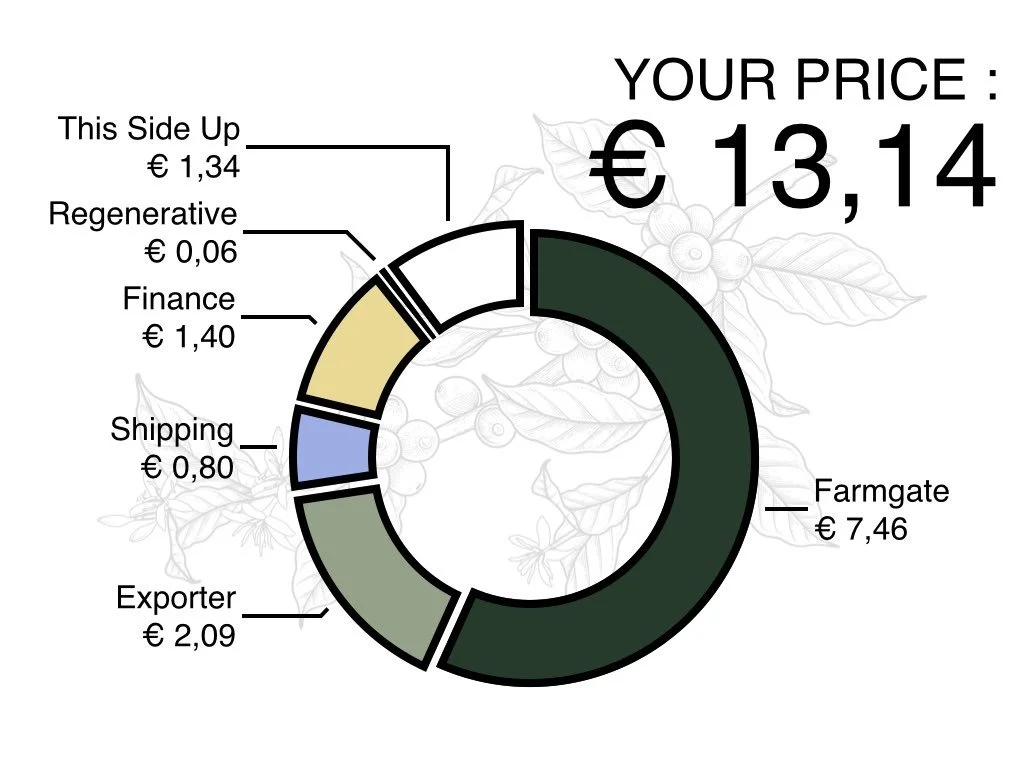
Naturals : They buy freshly harvested red coffee cherries that are handpicked from farmers around the dry mill. The selected red cherries will be put on natural drying raised beds usually for 21 days or more depending on the temperature. After the coffee finalized it drying on the natural sun, it will go through under huller for removal of the outer skin cover or cascara in the dry mill.


TASTIFY™ CUPPING NOTES
2026


Mocca - Mitiku Kebede Kurse - natural grade 1


  • The price you pay for Mitiku Kebede p/kg. We agreed on this price directly with the farmers, disregarding the volatile US Coffee C price.

  • This is what Mocca pays to the farmers for buying their cherries.


  • Mocca buys the cherries from the farmers and processes them. This cost includes processing, hulling, transport to Addis and Final sorting and warehousing. As well as logistics costs to Djibouti, operational overhead costs like staff, office etc. and Jute bag, grainpro and stuffing costs.


  • International shipping from Dijbouti to Rotterdam, Netherlands. It is inclusive of freight, customs, insurance and warehousing costs.


  • Average financing cost owed to (mostly social) lenders. This ensures immediate payment to the farmers when the coffee leaves the farm or port.
  • A standard TSU premium on all coffees designated exclusively to accelerate farmers’ own regenerative agriculture project.

  • This Side Up compensation for spending time and resources importing this coffee. Our work includes year-round contact with producers, managing export, shipping, import, warehousing, grading, sampling, finding and keeping roasting partners for Mitiku Kebde € 1,55 is This Side Up’s Model 1 markup. For a full overview of our modular margin construction, see the Trade Models page


OLD IS GOLD

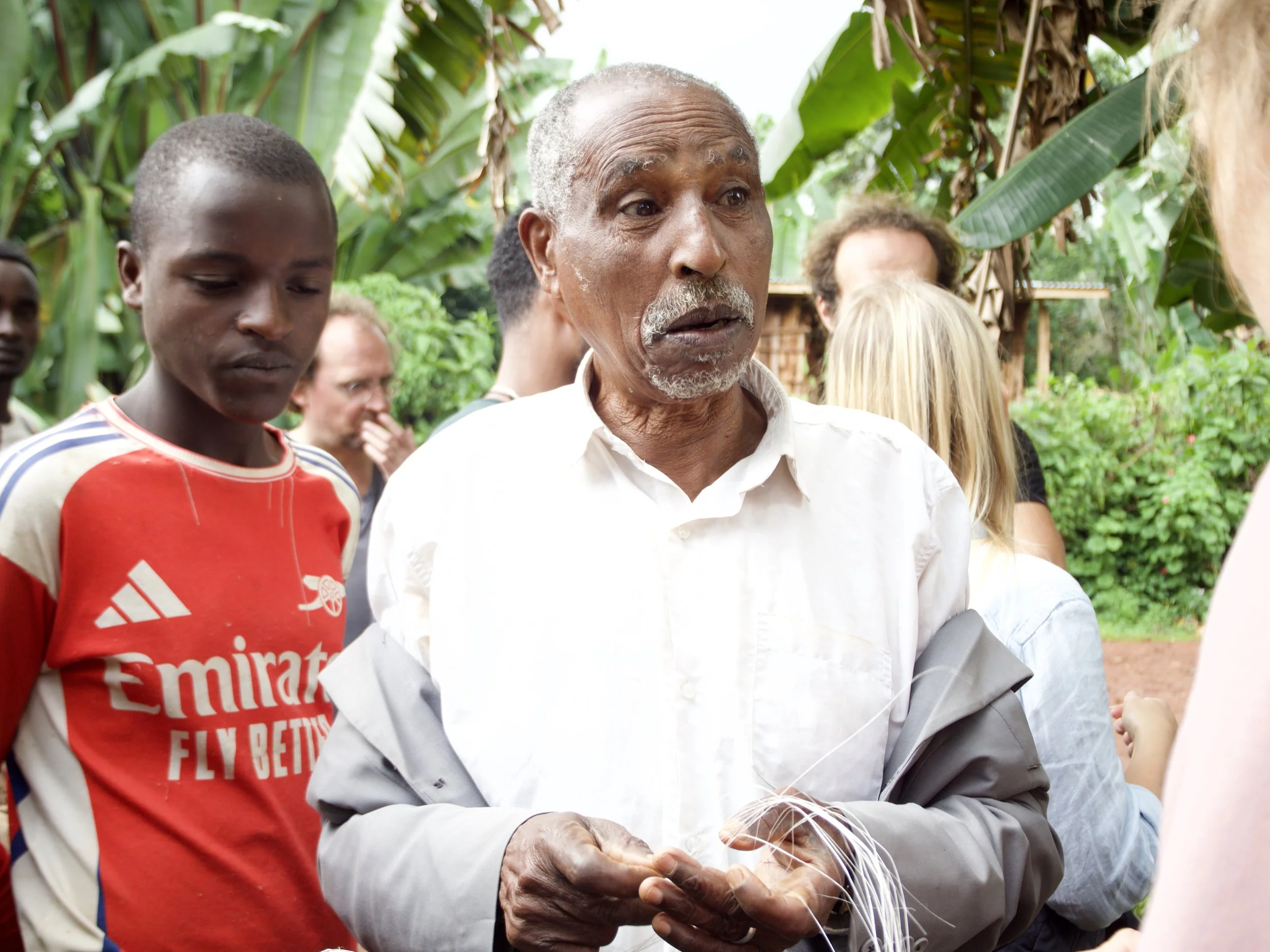
Ato Aklilu Gobena is a highly respected 82-year-old senior, father of seven, and a visionary living history maker in Gerisse, Yirgacheffe. Born into a legacy of model coffee farming, Aklilu famously saved his community's specialty coffee future in the late 1980s; while neighboring farmers uprooted and discarded the government’s newly introduced, disease-resistant 74148 seedlings, he gathered the rejected plants and cultivated them across his 2.45-hectare estate. Today, that bold decision helped him produce good coffee annually, establishing him as a pioneering role model. Even in his advanced years, Aklilu relentlessly pursues excellence, combining a lifetime of heritage with scientific agricultural strategies and modern natural processing to deliver high-scoring, market-oriented lots that capture the attention of global specialty buyers.


CULTIVARS

JARC 74110, 74148

elevation

2100 Meters

NOTABLE

It was a decision he took it in the 1980s regarding which variety to plant on his farm that changed the game for the entire community!

PROCESSING

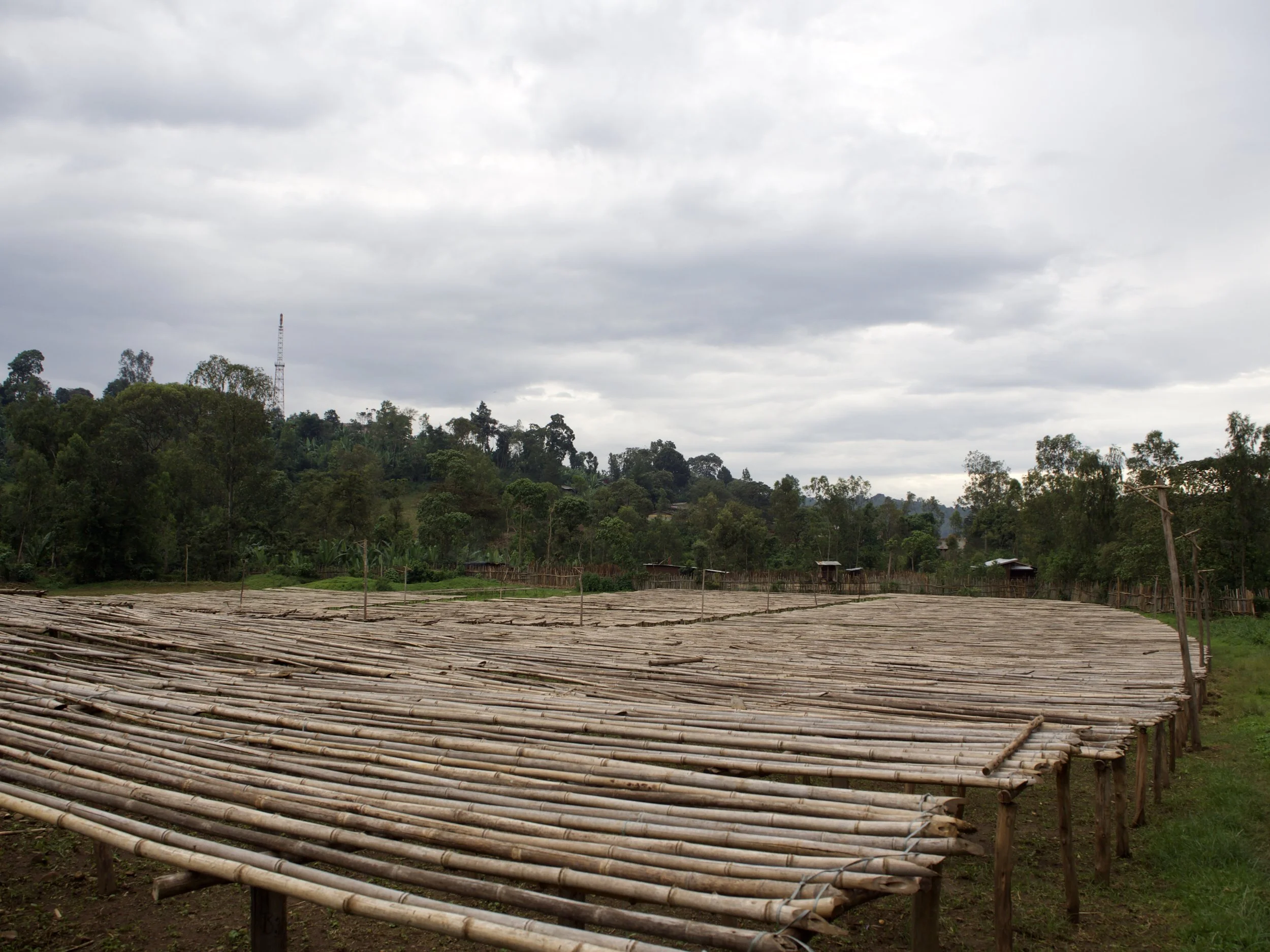
Naturals : They buy freshly harvested red coffee cherries that are handpicked from farmers around the dry mill. The selected red cherries will be put on natural drying raised beds usually for 21 days or more depending on the temperature. After the coffee finalized it drying on the natural sun, it will go through under huller for removal of the outer skin cover or cascara in the dry mill.
 

TASTIFY™ CUPPING NOTES
2026

Mocca -Gersie - Aklilu Gobena - grade 1 - natural


  • The price you pay for Akilu p/kg. We agreed on this price directly with the farmers, disregarding the volatile US Coffee C price.

  • This is what Mocca pays to the farmers for buying their cherries.


  • Mocca buys the cherries from the farmers and processes them. This cost includes processing, hulling, transport to Addis and Final sorting and warehousing. As well as logistics costs to Djibouti, operational overhead costs like staff, office etc. and Jute bag, grainpro and stuffing costs.


  • International shipping from Dijbouti to Rotterdam, Netherlands. It is inclusive of freight, customs, insurance and warehousing costs.


  • Average financing cost owed to (mostly social) lenders. This ensures immediate payment to the farmers when the coffee leaves the farm or port.

  • A standard TSU premium on all coffees designated exclusively to accelerate farmers’ own regenerative agriculture project.

  • This Side Up compensation for spending time and resources importing this coffee. Our work includes year-round contact with producers, managing export, shipping, import, warehousing, grading, sampling, finding and keeping roasting partners for Akilu € 1,34 is This Side Up’s Model 1 markup. For a full overview of our modular margin construction, see the Trade Models page