




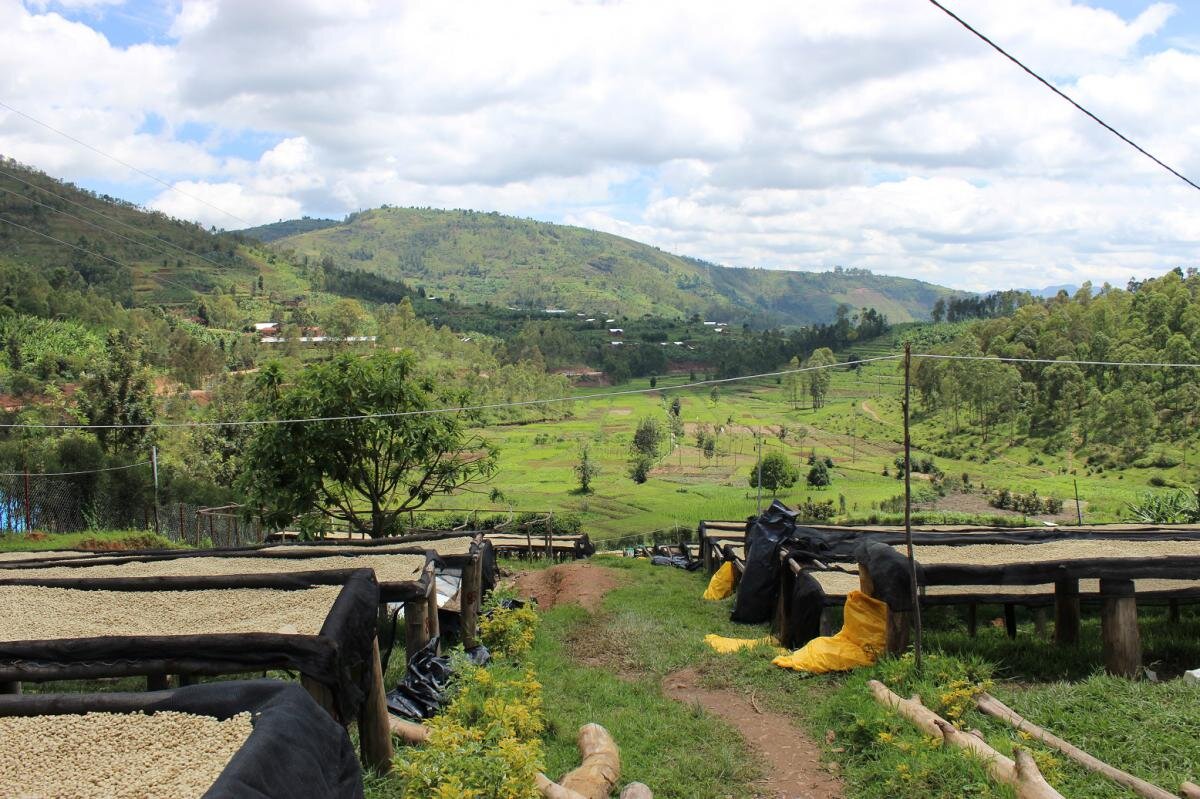
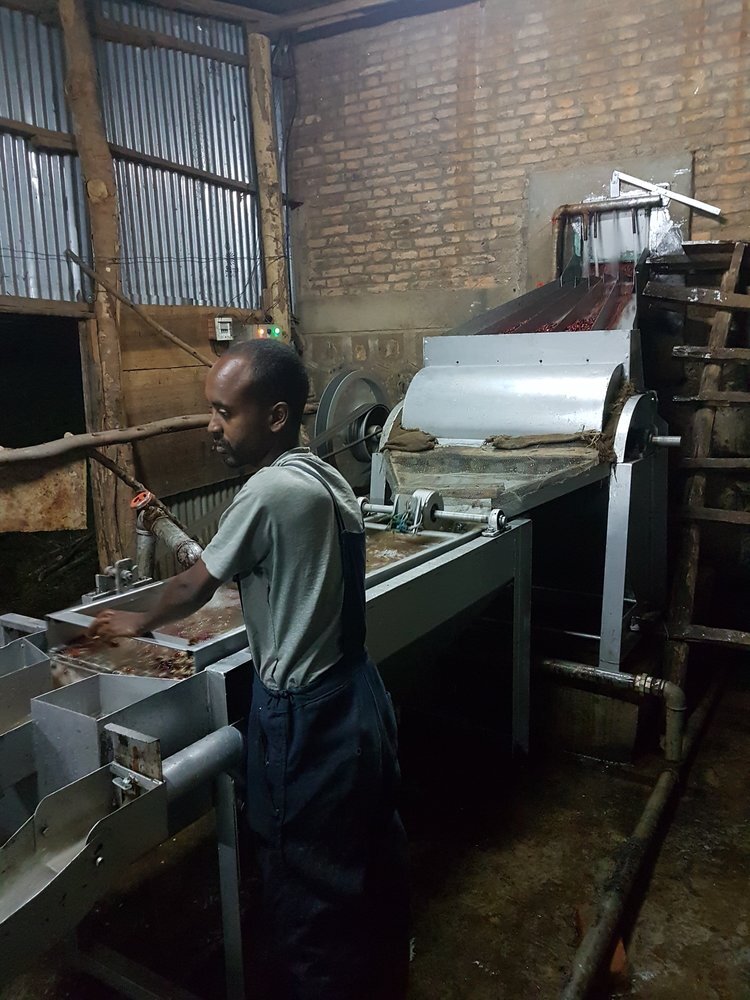
Intango (pronounced “Inango”) is a small washing station on the edge of Lake Kivu. Once part of a cooperative that won the 2014 Rwanda Cup of Excellence, it fell into decline until Gilbert Gatali, a Rwandan-Canadian coffee visionary, took over. With over a decade of experience in specialty coffee, Gilbert and his best friend Gervais now manage Intango, working with 400 farmers to improve quality and livelihoods sustainably.
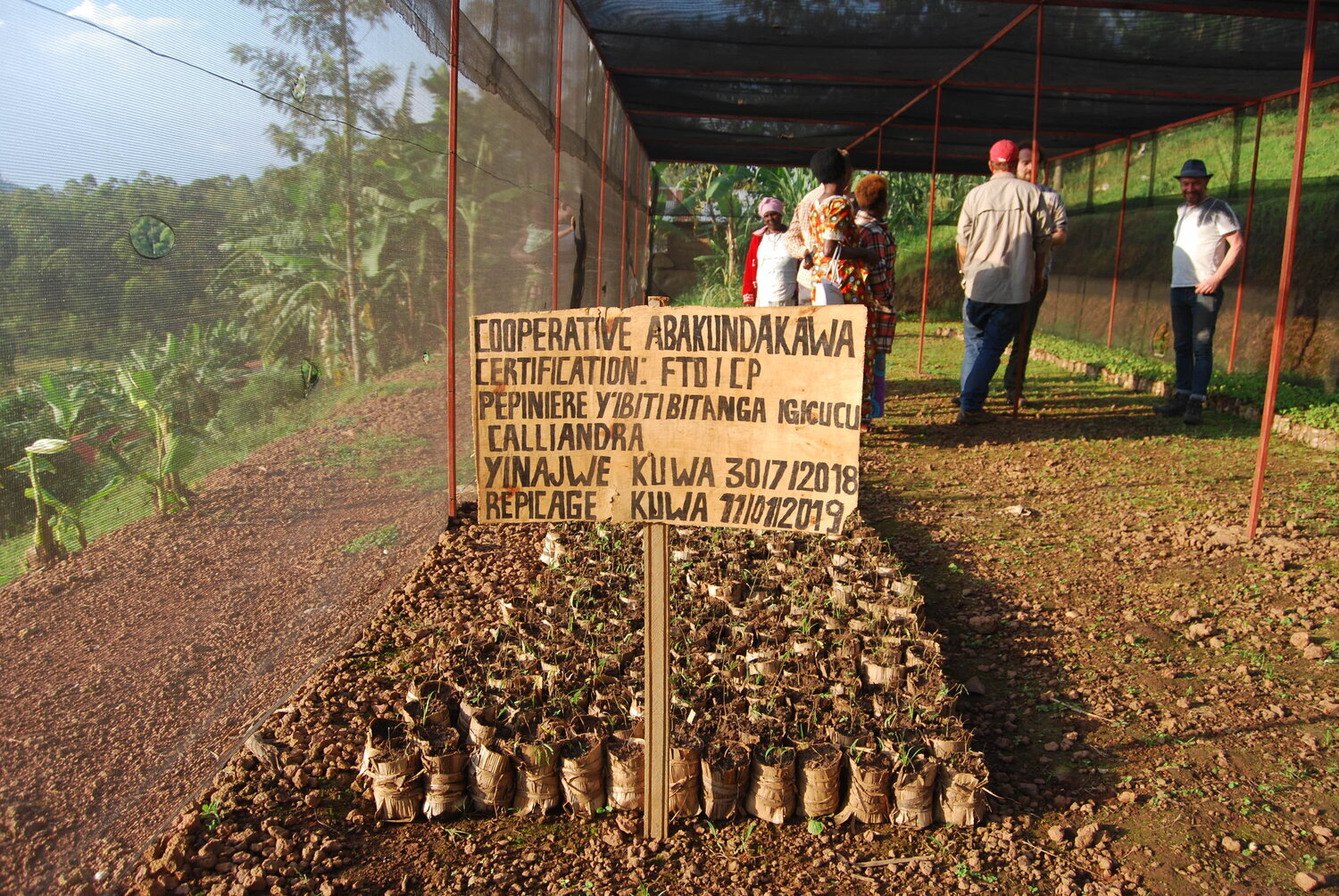
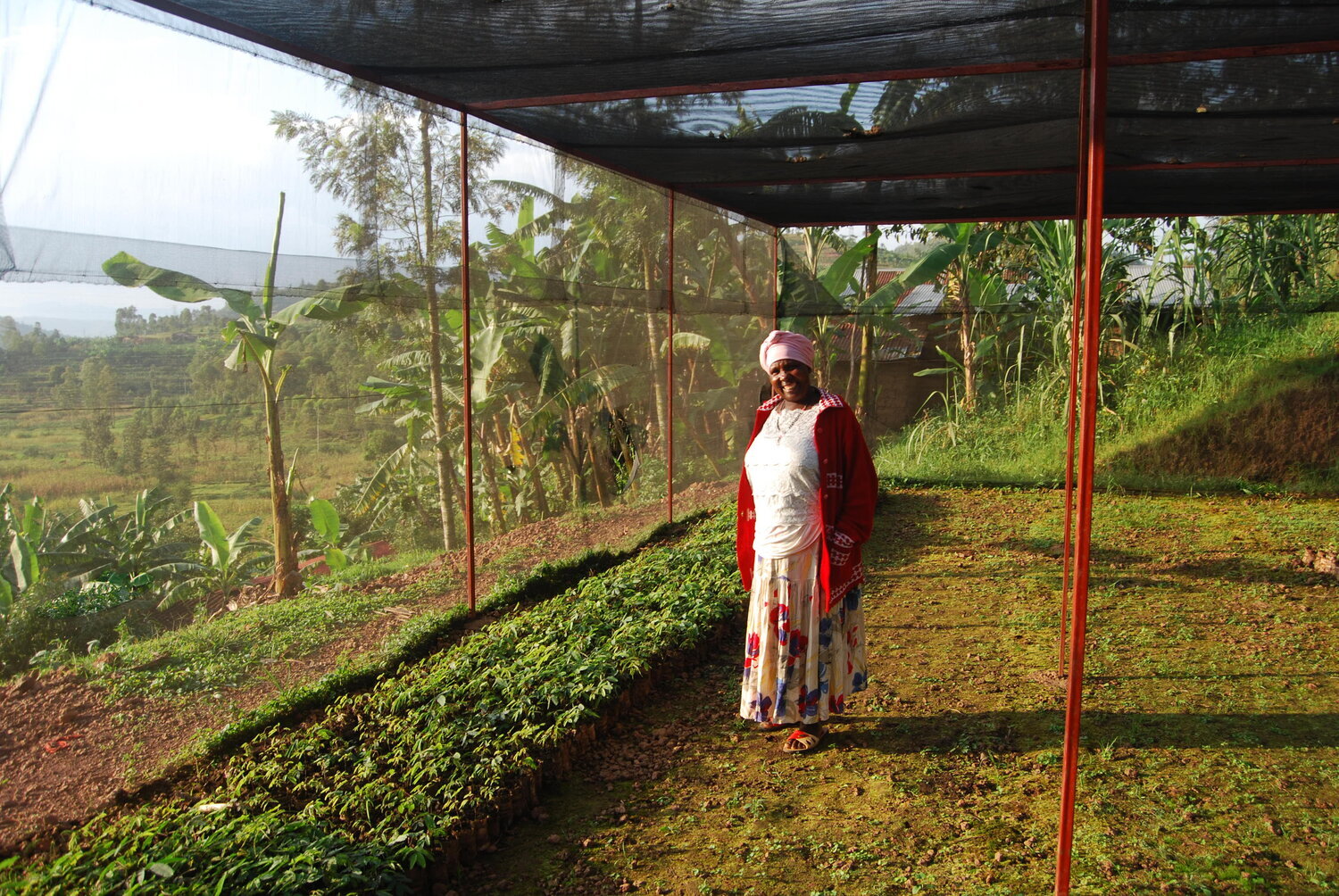
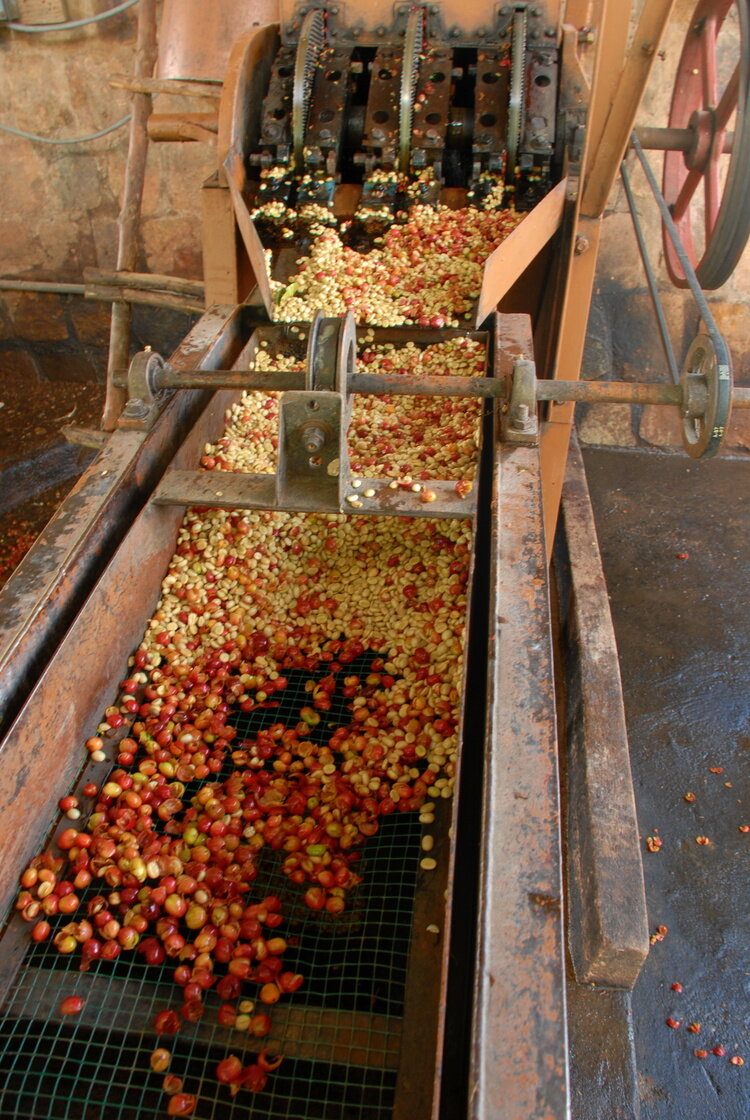
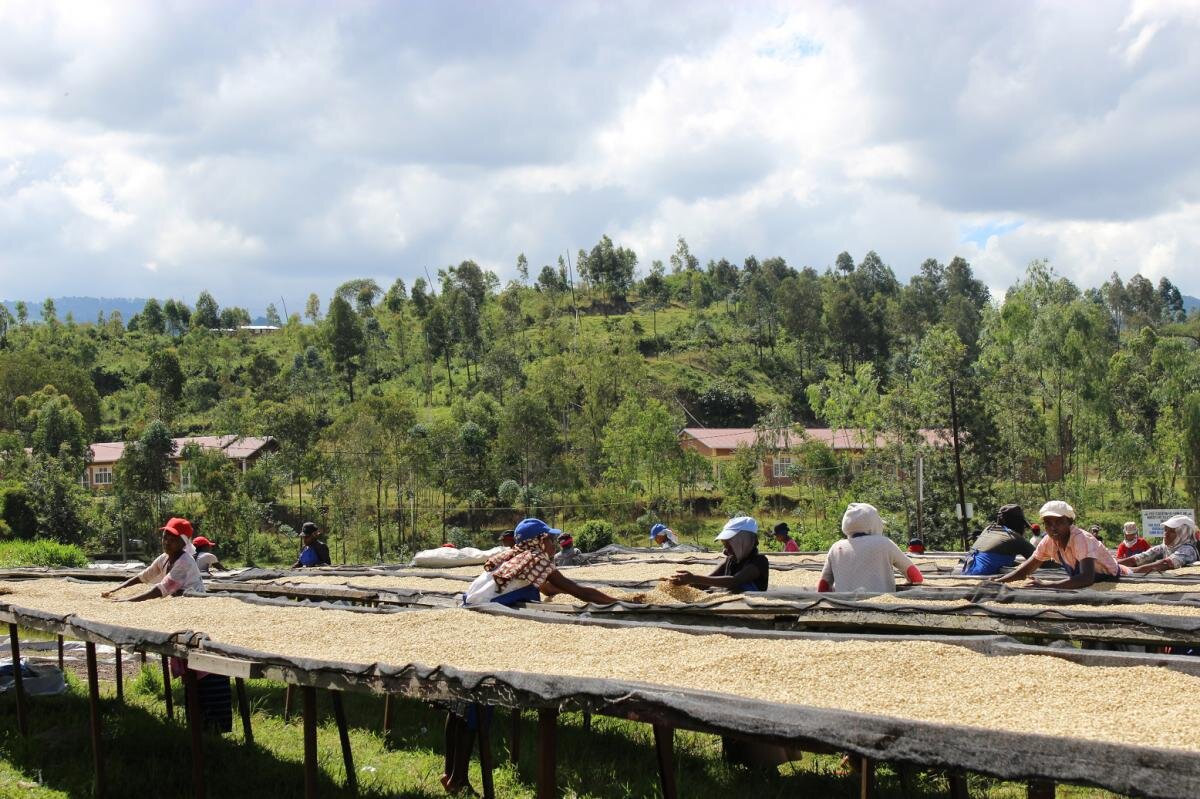
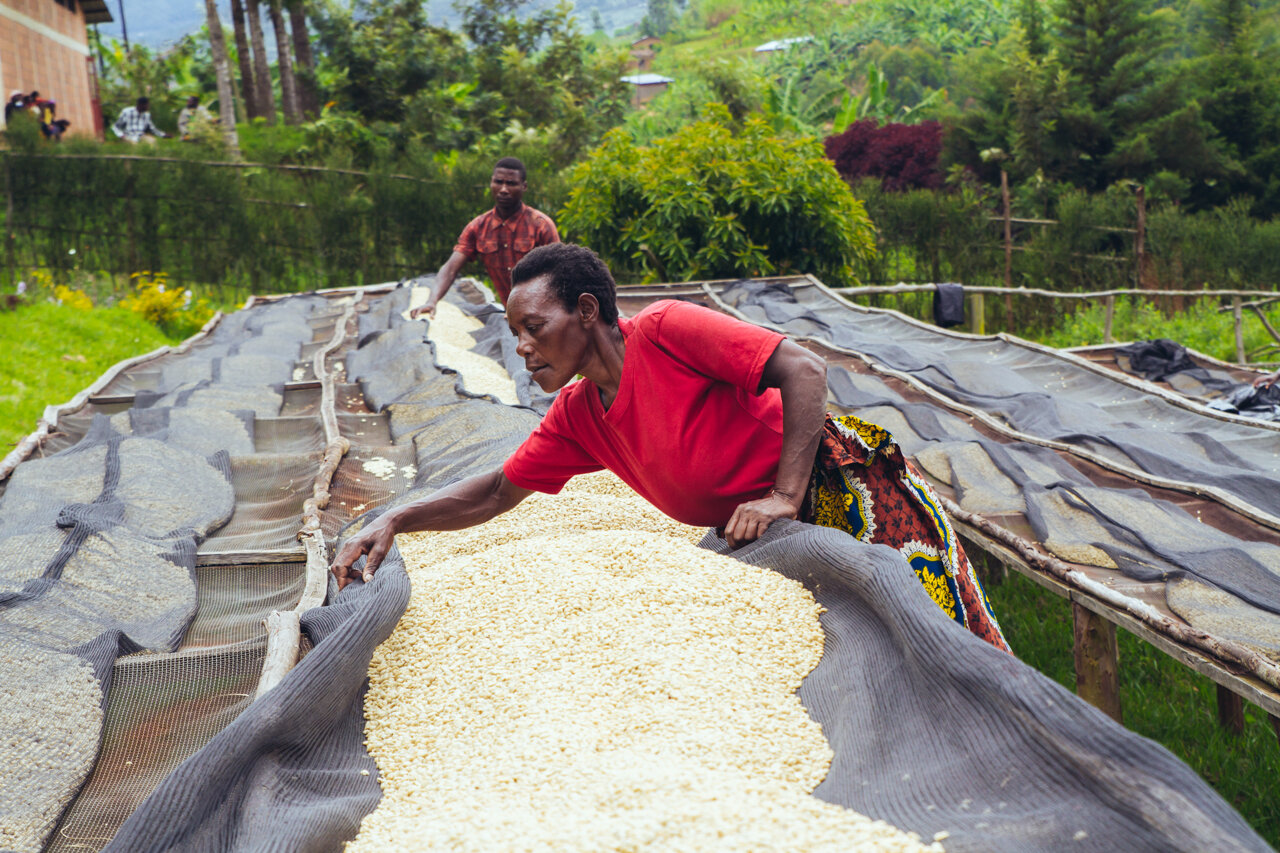
In Gakenke District, the Rushashi Abakundakawa Cooperative has been a cornerstone of This Side Up’s journey since 2013. Under Antoine’s leadership, Rushashi evolved from home processing to a professional cooperative known for its innovative triple fermentation methods, advanced pulp recycling, and two women’s empowerment organizations. In 2015, the Ishema Youth Coffee Group was born, fostering opportunities for young farmers. Today, Rushashi supports 2,500 farmers through credit and savings systems, agroforestry trials, and investments in organic cultivation—all while producing exceptional specialty coffee that reflects Rwanda’s vibrant terroir.


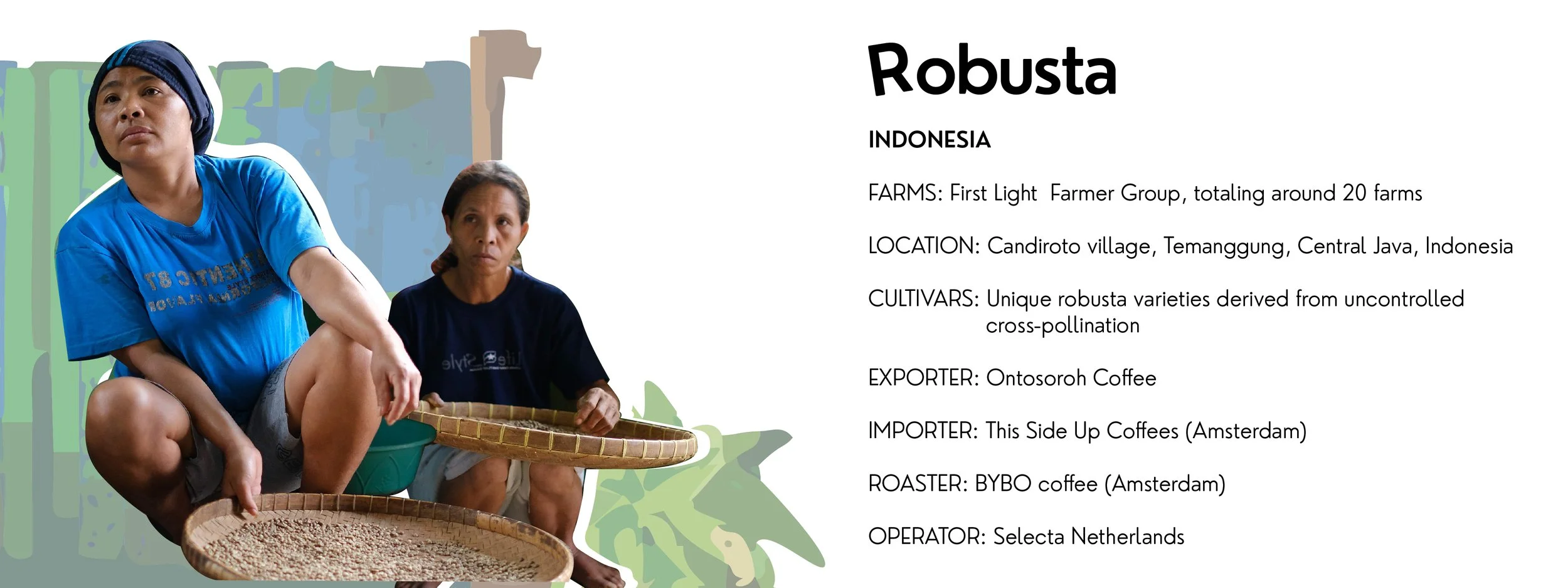
Cahyo, founder of First Light coffee. Cahyo Pertama, whose name literally translates to First light is a 31 year old entrepreneur that is leading the youth movement from Candiroto village in the Temanggung district. Coffee has been part of his family although his parents have been spice traders all their life. Originally this village used to have excelsa variety that never really made the cut making robusta this region’s native species. Although coffee wouldn’t be the first choice for many of the youth that are part of his group, finding jobs that could pay bills was getting difficult. More of younger members came together to discuss this and see how they could help themselves find stable alternatives. Since most of them had coffee in their family and it was evident demand for higher quality coffee seemed promising. 20 of them together with Cahyo decided to give specialty coffee a try out of which roughly 10 of them were first time coffee planters. Incomes from coffee allowed them to also improve their ‘image’ in the society, it was profitable and doing it together enabled access to knowledge, resources easily. It is a robusta that clearly can change the bad reputation this variety has.


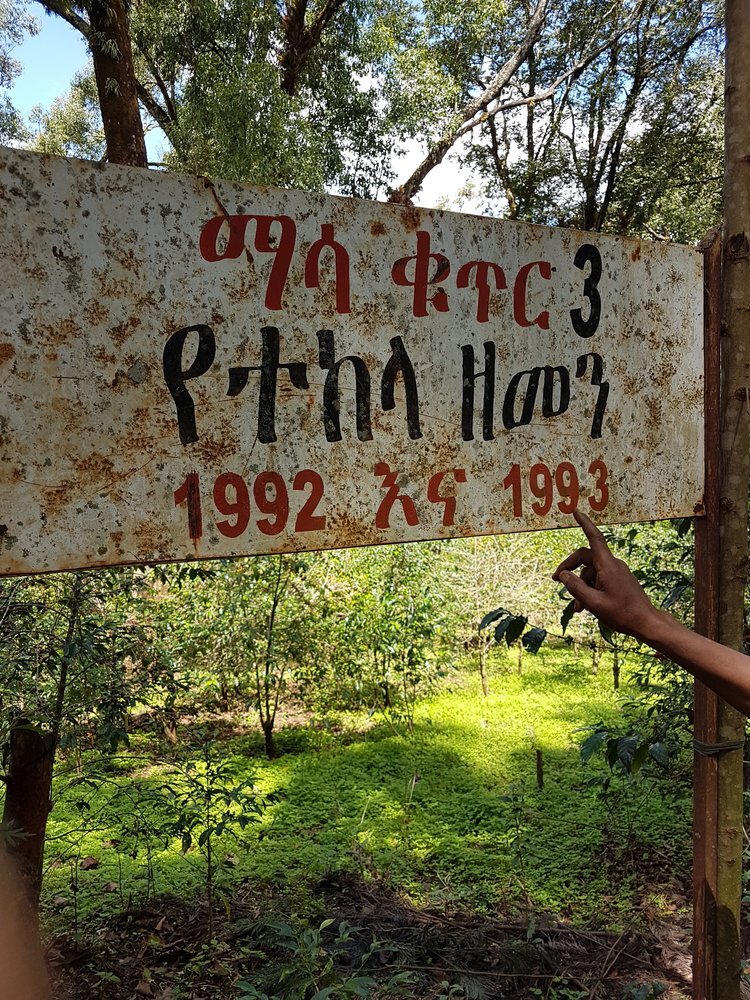
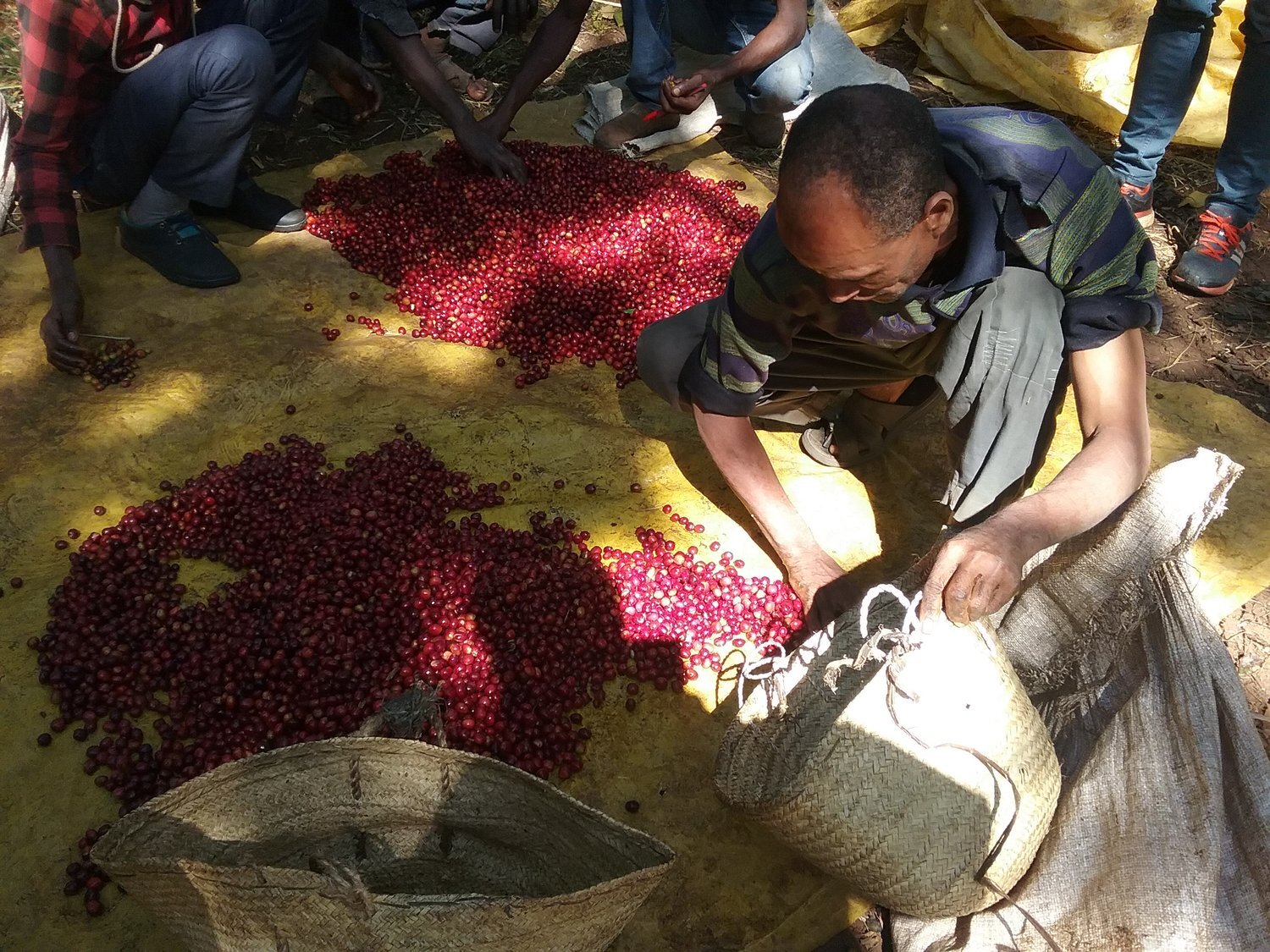
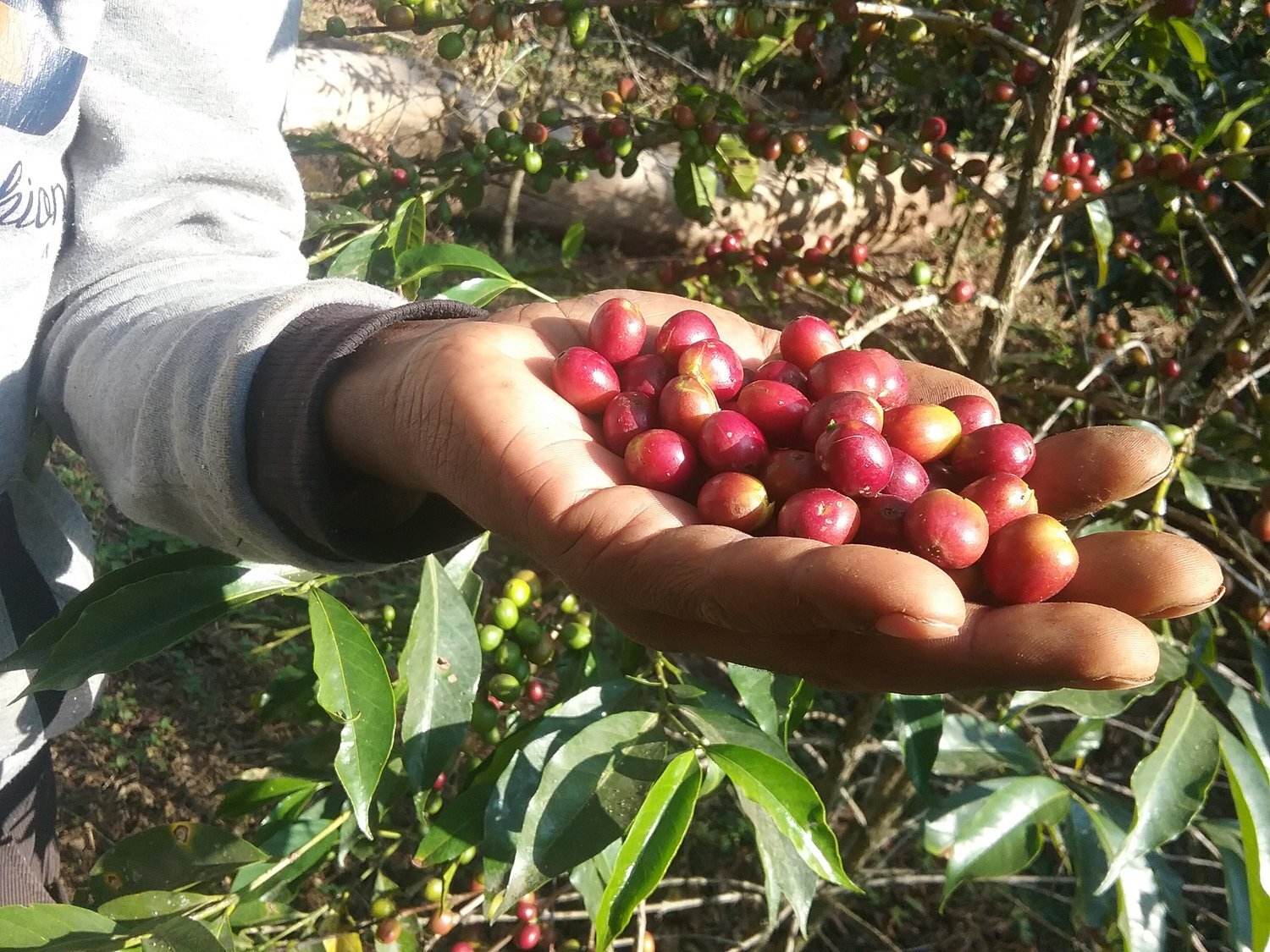
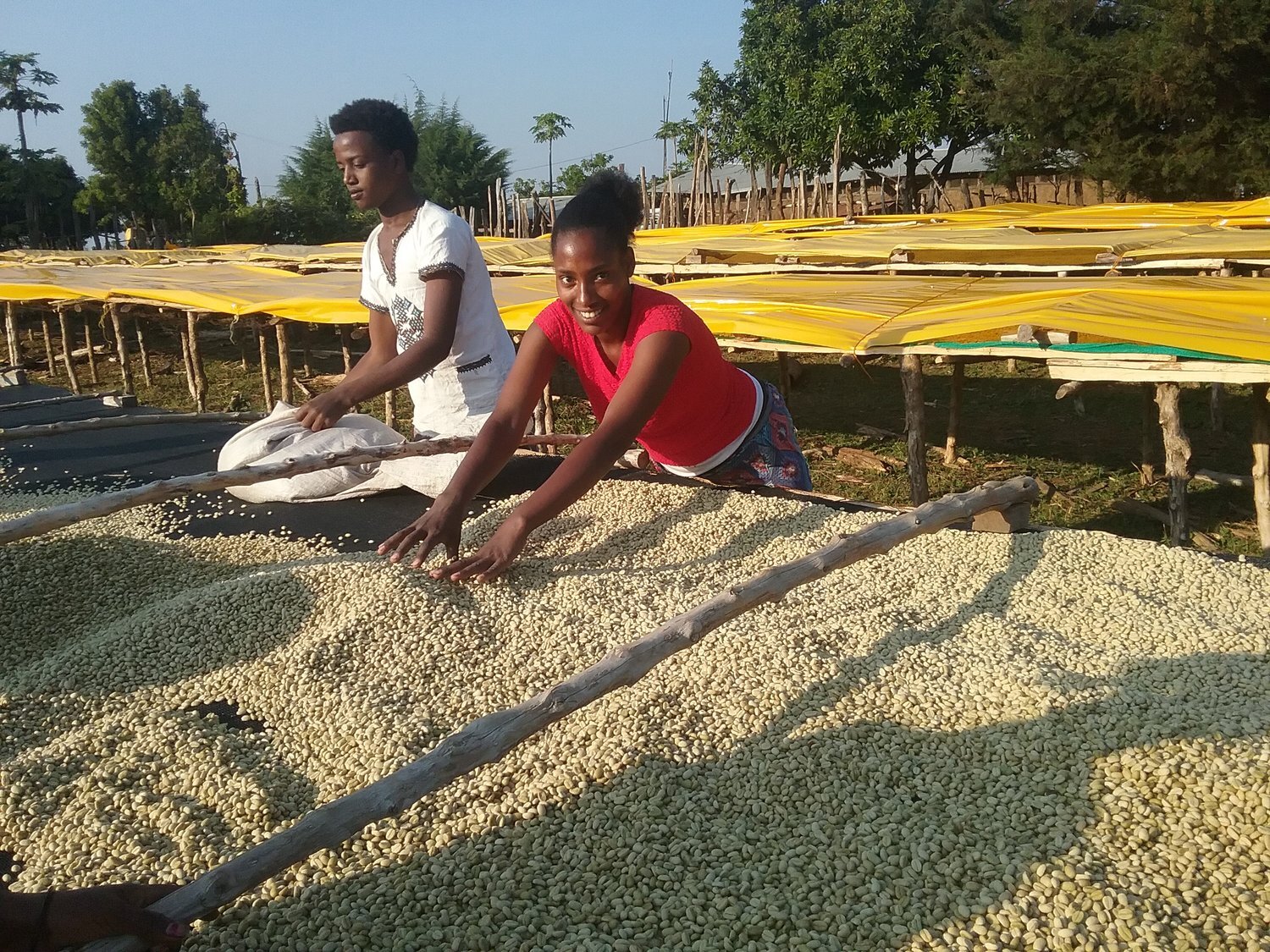
The Bawari Sultan family, esteemed chieftains in Galeh, have cultivated coffee for three generations. Despite their dedication, they lacked the resources to commercialize their coffee. In 2019, Lennart's visit to Ethiopia led to a pivotal collaboration with Limmu Kossa, a neighboring estate founded by Giday Berhe. Limmu Kossa provided the Bawari family with seedlings and technical assistance, enabling them to produce specialty-grade coffee. By 2023, the Bawari Sultan farm successfully exported its harvest, marking a significant milestone in their journey.


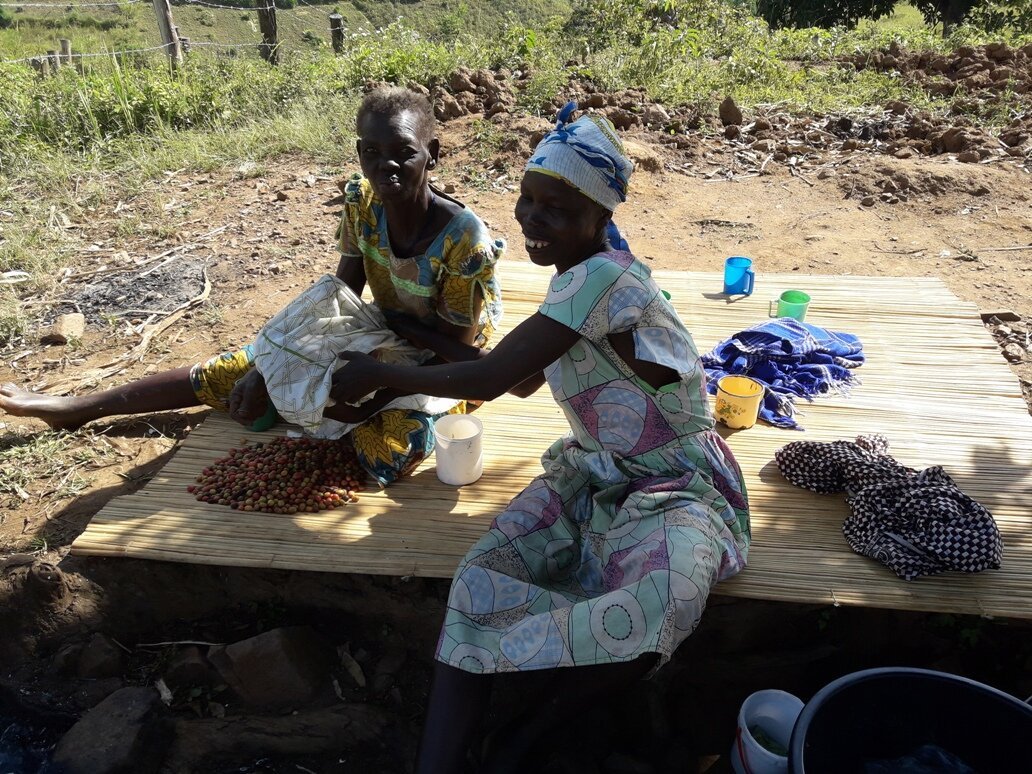
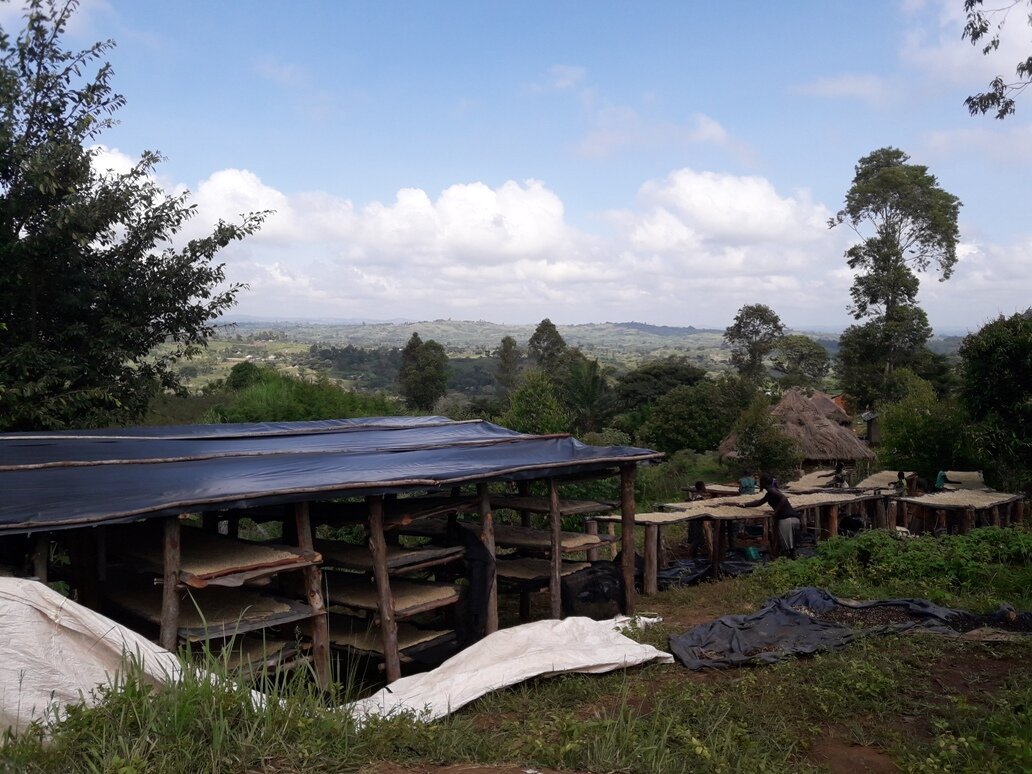
Zombo Coffee Partners is located in the remote highlands of the West Nile region in Uganda, where the altitude and cool climate slow the ripening of cherries, allowing sugars to develop gradually and resulting in coffees with pronounced sweetness and juicy, vibrant acidity.Zombo prides itself on paying one of the highest cherry prices in the region, a decision that has had a transformative impact—not only on the incomes of their registered farmers, but across the entire West Nile area, raising expectations and standards for farm-gate prices. Their model is built on empowerment: while Zombo’s core expertise lies in market access, logistics, and storytelling, it’s the farmers and microstations who are in control—deciding how they want to produce and what they want to stand for.


Los Congos, Las Brumas, La Iguana, La Española, and La Portuguesa are all located in Nueva Segovia, a well know coffee region surrounded by communities that have long benefited from coffee. The Paguaga family runs five coffee estates in this region and even managed to protect the mountaintops of their properties, proclaiming them a natural reserve. Rina and René aim to make their estates a model for other farmers in the region to follow, and they do so with a systematic approach. Soil is carefully analysed, and rigorous nutrition plans for the trees are executed throughout the year. They truly work for healthy, happy estates.


Capricornio coffees is located on the line of Capricorn (hence the name!) and therefore quite distant from the Equator, this means that winters are colder and average temperature is lower. The coffees will need to work harder to ripen, which increases the sweetness of the flavor, creating a very distinct coffee. This coffee is a blend especially prepared to achieve a composition of flavors full of fruit, vibrant complexity and a subtile body, and part of the Signature coffees line of the connected Capricornio farms. Signature coffees have taste profiles idealized and chosen by Capricornio Coffees director Luiz Roberto, and validated by the Quality Control team. The aim is to create taste profiles that are repeated every year, offering not only quality, but also consistency, that coffee drinkers recognize every year.


In 2014, This Side Ups Lennart met Juan Pablo through a mutual friend. They hit it off immediately and a partnership was born. In the first year, we helped them obtain hulling equipment and an export license so they could sell this coffee straight to us. Less than two years later, they became independent exporters, created raised beds, helped their friends of the Muñoz family process and export their crop, and already seven groups of field baristas have helped to experiment with cascara, honey, natural, anaerobic processing, and much, much more. Since 2016 the washed crop was fermented, a great tweak that has made the coffee's sweetness more layered. In 2017 we began experimenting and upgrading with greater pace and in direct cooperation with roasters. 2018 brought about the first structural fermentation timing experiments, while in 2019 many of the farmers have spent their premiums on not just raised beds but raised drying “drawers” for maximum space efficiency. 2020 and 2021 saw the establishment of a training center for regenerative transition for any farmer who is interested. In 2022 and 2023 the processing craziness continues and there are even plans to start cacao production. With a mentality and a network like Argote’s, the sky truly is the limit.


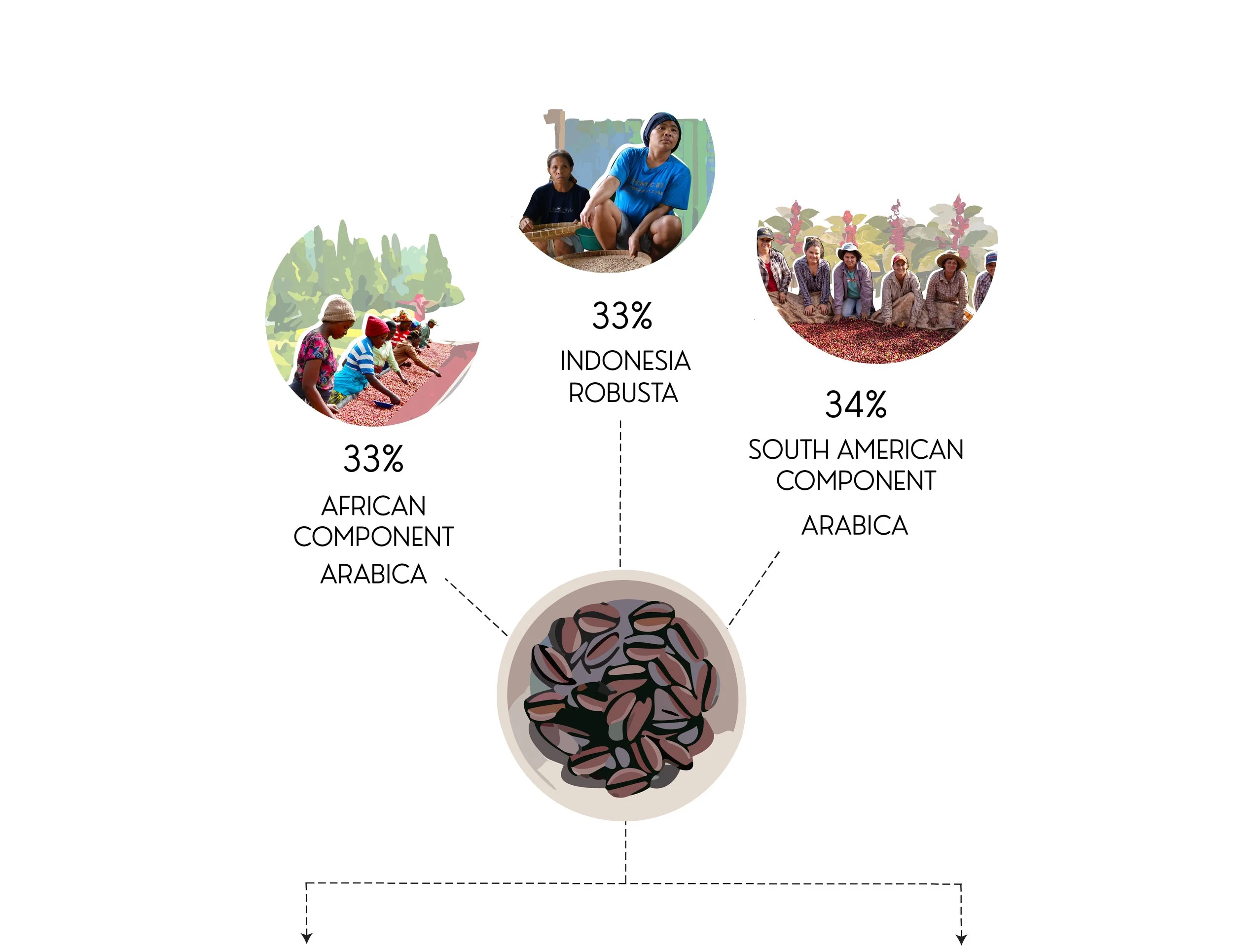
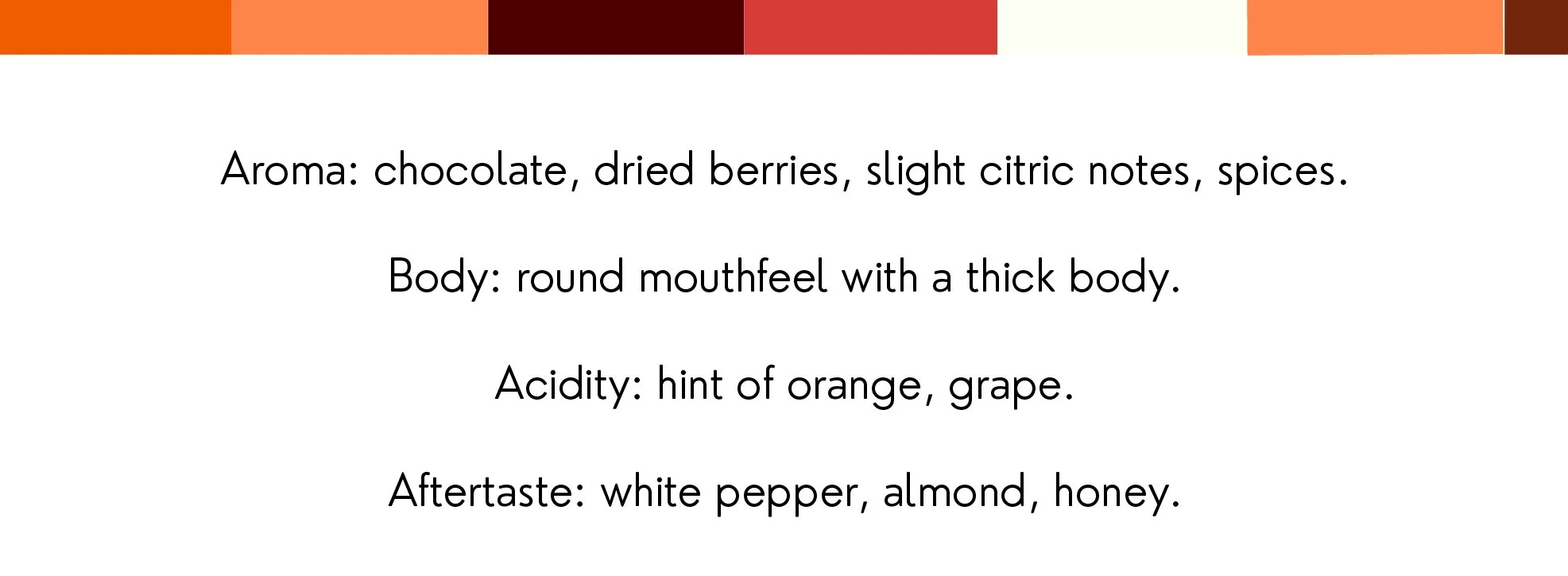


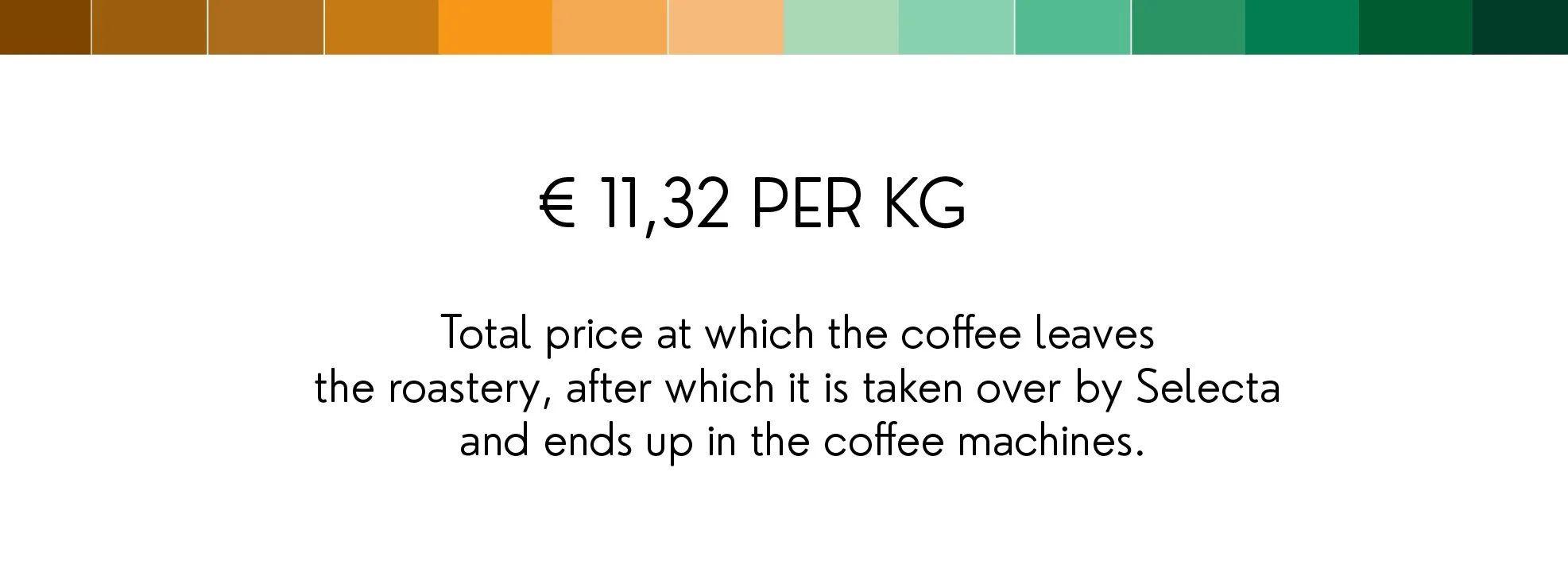
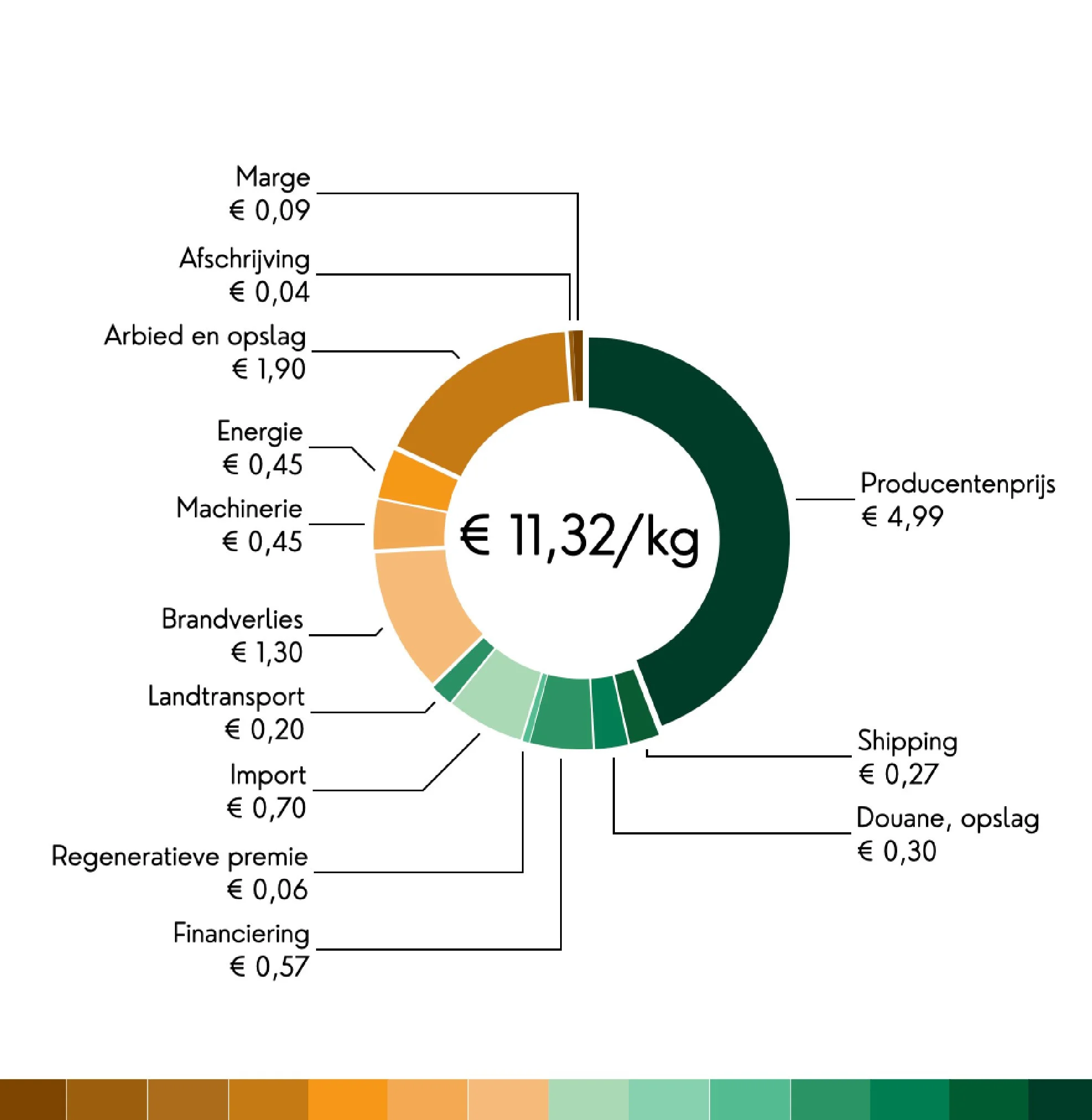

Colombian coffee is a fully washed coffee, meaning the cherries hand-picked, de-pulped, washed with mountain water, fermented for 18-24 hours, sun-dried on concrete patios and on raised “drawers” with high airflow for about 2 weeks, manually sorted at the farm in four separate rounds, hulled and bagged at the Argote family farm. The Rwandese coffee is a washed arabica coffee. The combination of altitude and processing results in a fresh, citric and fruity profile, with lots of sweetness and a hint of acidity. The Indonesian coffees are natural processed robustas, giving it a very round, sweet and spicy taste, without the hints of tar and rubber so often associated with this type of coffee. The Brazilian coffee is a pulped natural. The combination of altitude and processing results in a jammy, red fruit profile, with lots of sweetness and a dark chocolate backbone. For the Nicaraguan coffee, it is handpicked, measured, and de-pulped without water. Shortly after, it ferments in the tanks for 15 to 36 hours. It is then washed and transported to Santa Lucila Dry mill, where it is processed until it reaches 11 degrees in humidity. Coffee is packed in 69 Kg bags.
Zwarts Coffee uses modern, highly energy efficient hot air roasters with an inbuilt afterburner, leading to lower CO2 emissions than conventional roasting. The machinery uses state of the art roasting software, controlled by a skilled roast master. The roast time is around 10 minutes. After the first crack, the coffee is roasted for a remainder of 25% of the time. All three the coffees are roasted separately, and mixed afterwards, to obtain the best flavor through the individual roast profiles and guaranteeing full traceability from bean to cup.

To establish a good benchmark, we used the criteria put out by the advice of RVO, the Netherlands Enterprise Agency: “During the entire term of the Agreement, the coffee producer shall at all times receive at least the applicable Fairtrade Minimum Price per pound minus 25% + the applicable Fair Trade Premium per pound + the applicable Organic premium per pound (Organic Differential) + the additional RWS premium per pound (towards a living income) of ad. $ 0.30.”
Taking this calculation, for the arabica coffees (Rwanda, Uganda and Ethiopia) we have a Fairtrade Minimum Price of $1.40/lbs, minus 25% + the applicable Fair Trade Premium ($0.20/lbs) + the applicable Organic premium per pound ($0.30/lbs) + the additional RWS premium ($0.30/lbs) = $1.85/lbs or €4.08/kg.
For the robusta coffee (Indonesia and India) the Fairtrade Minimum Price is $1.05/lbs, minus 25% + the applicable Fair Trade Premium ($0.20/lbs) + the applicable Organic premium per pound ($0.30/lbs) + the additional RWS premium ($0.30/lbs) = $1.59/lbs or €3.51/kg.
For the Radboud UMC blend we use 1/3 robusta, 1/3 arabica from South America, and 1/3 of arabica from Africa. The price paid to the farmers come therefore stays solidly above the minimum reference price put forward by RVO and is around €6,80/kg.
-
2022/2023 HARVEST
This year, due to shortages in the international coffee community but especially the central and East African region, prices went up considerable to $5.50/kg. Also this year, logistics costs are high and inflation in also the producing countries play a role. This equals a price of €5.26 per kg against the exchange rate of that moment.
-
2023 HARVEST
We imported a “community lot” of a smallholder farmer, via the export license of the Sheka Estate. The price we paid was $2.50 per lb, which translates to $5.50/kg which against the exchange rate of that moment landed at €5.30 per kg.
-
2023 HARVEST
Zombo Coffee Partners works with different microstations in the Nebbi and Zombo region. We’ve used the coffees from Ayaka, Gonyobendo, Pamitu and more. We also used the smaller beans, which tend to go for a bit cheaper, but also the naturals, which are more pricey. The average price of these lies around $7,70/kg FOT. This equals to roughly €7.50 per kg against the exchange rate of that moment.
-
2022/2023 HARVEST
The ASNIKOM farmers got prefinanced by the Dutch NGO Progreso Foundation. Contract was made in euros, at €4.77/kg for the farmers. Here, there was an additional fee for Ontosoroh Coffee, to export the products, as is shown in the second contract, which is Rp7,200 per kg, which is €0.47 per kg. This brings the total to €5.25 per kg.
The Temanggung Candiroto farmers received €3.81/kg and the Ontosoroh Coffee export costs and fee were €0.79 per kg. This brings the total to €4.60 per kg.
2023/2024 HARVEST
Candiroto farmers received a farm gate price of €4.23 per kg and including the export fees, the price landed at €4.80 per kg FOB.
-
2021/2022 HARVEST
Paid price (in contract) of $2.40/lb for the farmers blend from Finca Churupampa. This amount is paid directly to the the cooperative, which has its own export license. Converting to kilograms, this is €4.56 per kg.
-
2022 HARVEST
These coffees are by far the most pricey, and the best coffees used. We used them in 2024 and 2025, as old crop, of coffees that did not sell prior and to maintain a steady delivery to Radboud UMC whilst the sourcing of other origins was hard. The coffees were still of sublime quality, only a little less fresh. The payment of the farmer, was of course not any less. The coffees of Adiela and Gerardo were used, which were contract for $10.49 per kg FOB. At the currency exchange of the time, this translates to around €10.00 per kg.
-
2022/2023 HARVEST
These coffees are of the Signature lines, which means that they are a blend of the coffees of our 2 estates and 2 cooperatives that we work with in the São Paulo and Paraná states in Brazil. Prices are represented in per bag price, respectively $317,65 per 60 kg. This equals a price of €5.07 per kg. We also used coffee of the São Jerônimo cooperative, which were sold at US$392,65 per bag which translates to €6.82 per kg.
2023/2024 HARVESTPrices are represented in per bag price, respectively $270 per 60 kg. Prices dropped as a result of a big harvest of that year. This equals a price of €4.01 per kg.
-
2022/2023 HARVEST
We used different individual farms from the region, with Santa Lucila as the central farm. The coffee were all contracted at US$2.75 per lb, which translates to US$6.06 per kg or roughly €5.90 per kg.
2023/2024 HARVEST
Prices stayed the same at US$2.75 per lb, which translates to US$6.06 per kg or roughly €5.90 per kg.

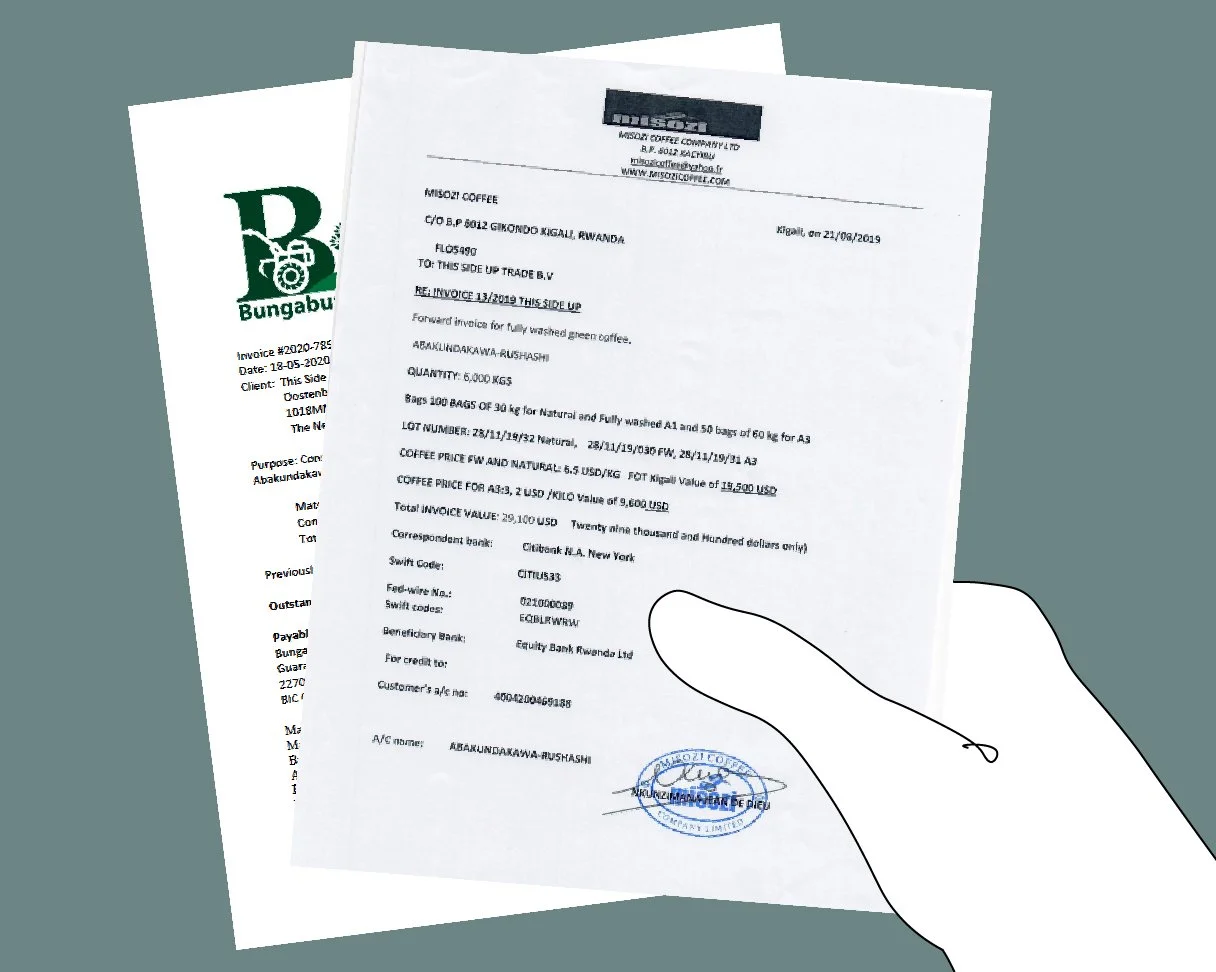
Many parties claim to be sustainable and carry out “impact projects” to mask their negative impact and divert attention. At This Side Up, we pay good prices — and we’re proud of that. So we’re happy to show it. Below you’ll find the purchase contracts we’ve signed with our partners in coffee-producing countries. We work through open dialogue with producers, based on equal entrepreneurship and grounded in their production costs plus a profit margin — and we pay that price. We compare it to both the world market price and the Fairtrade price to illustrate what this means in concrete terms.

Buying contract - Rwanda

Buying contract - Uganda

Buying contract - Ethiopia

Buying contract - Indonesia

Buying contract - Colombia

Buying contract - Brazil

Buying contract - Peru

Buying contract - Nicaragua
Copyright on pictures. Please consult This Side Up Coffees if one desires to use the pictures for commercial and non-commercial purposes.
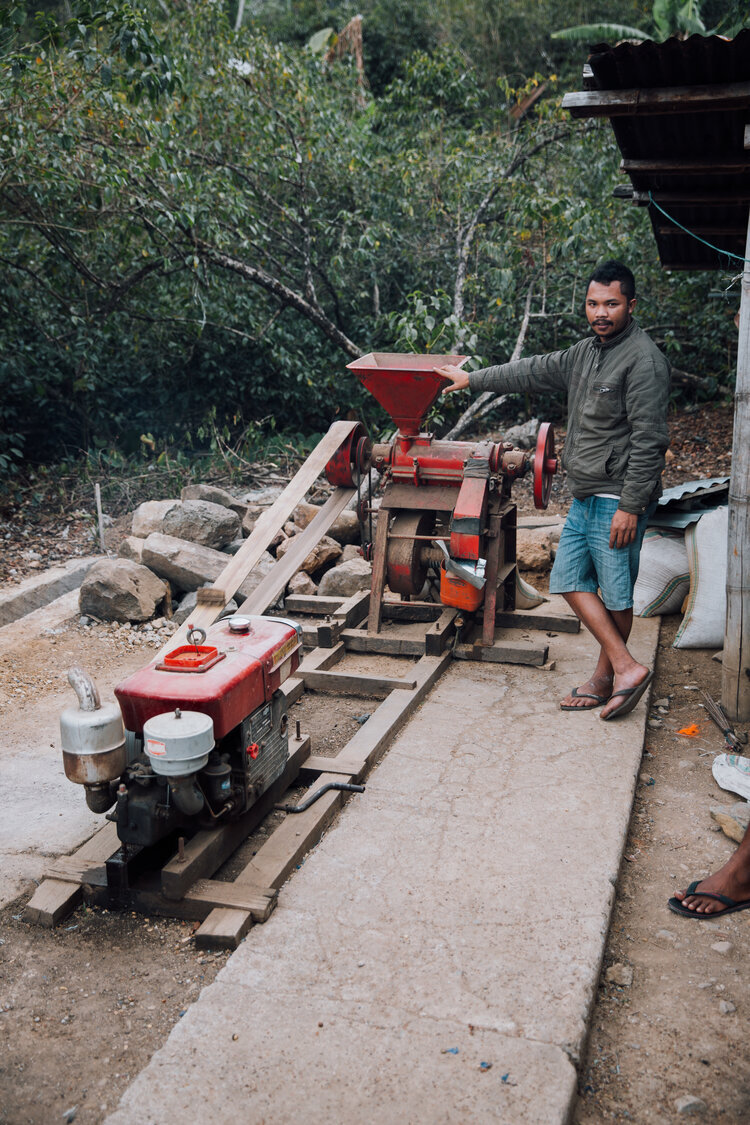
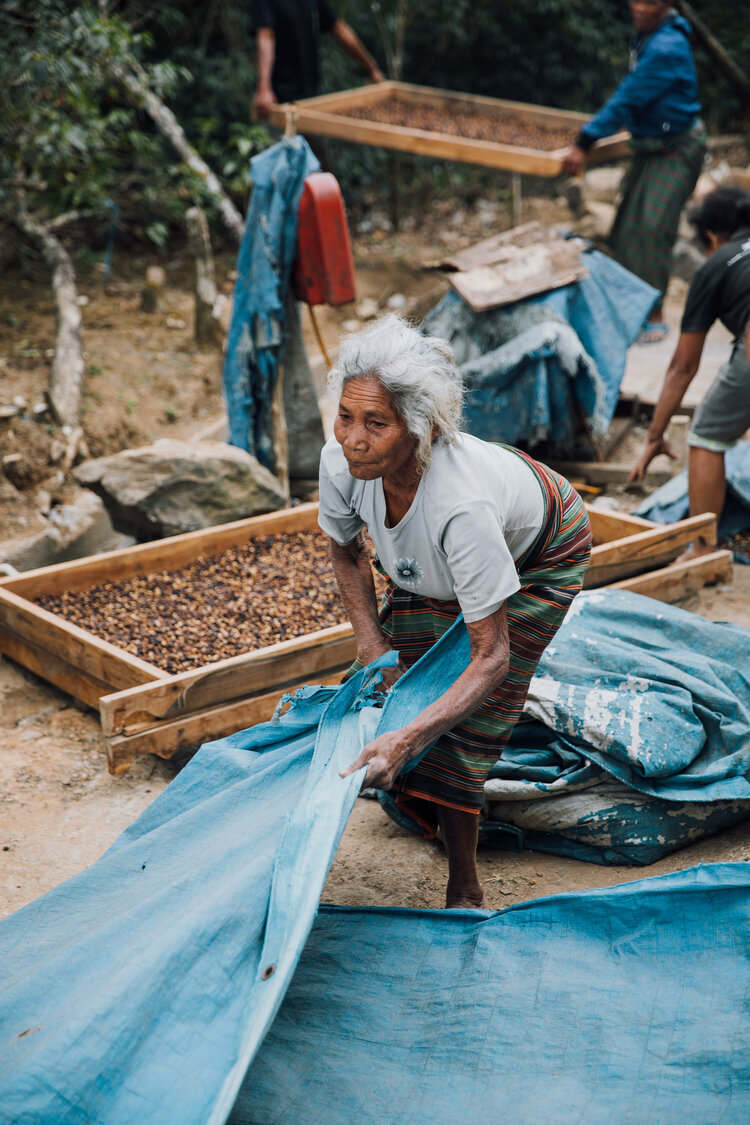
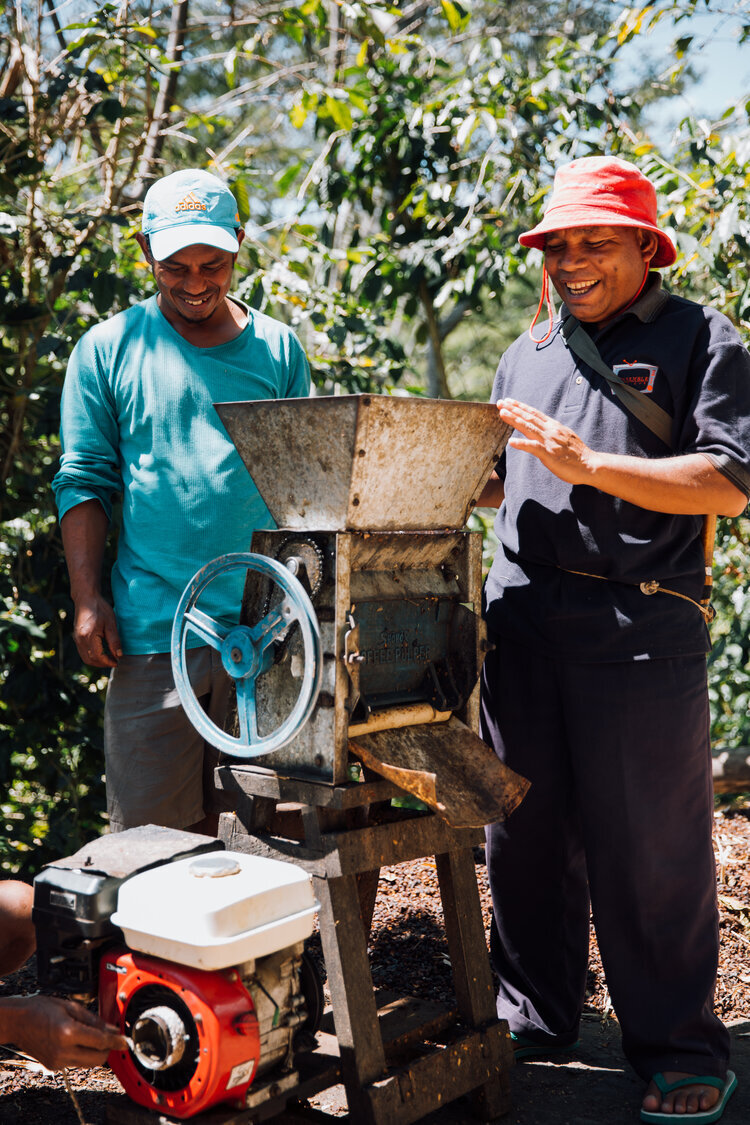
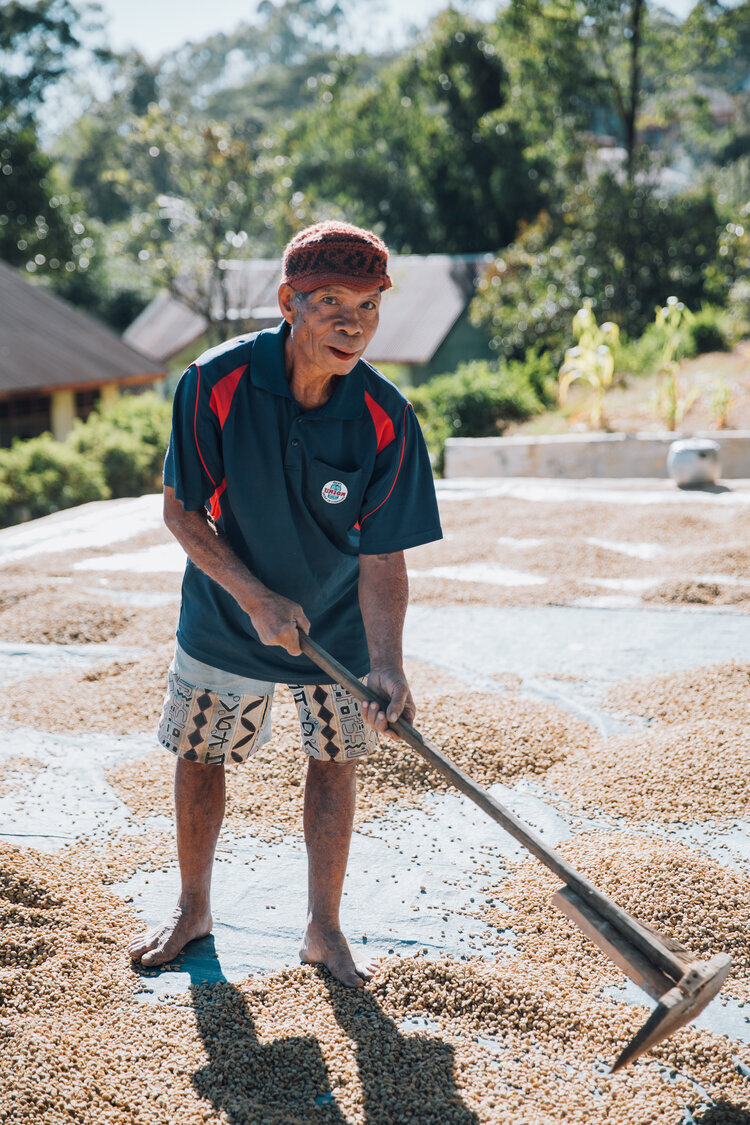
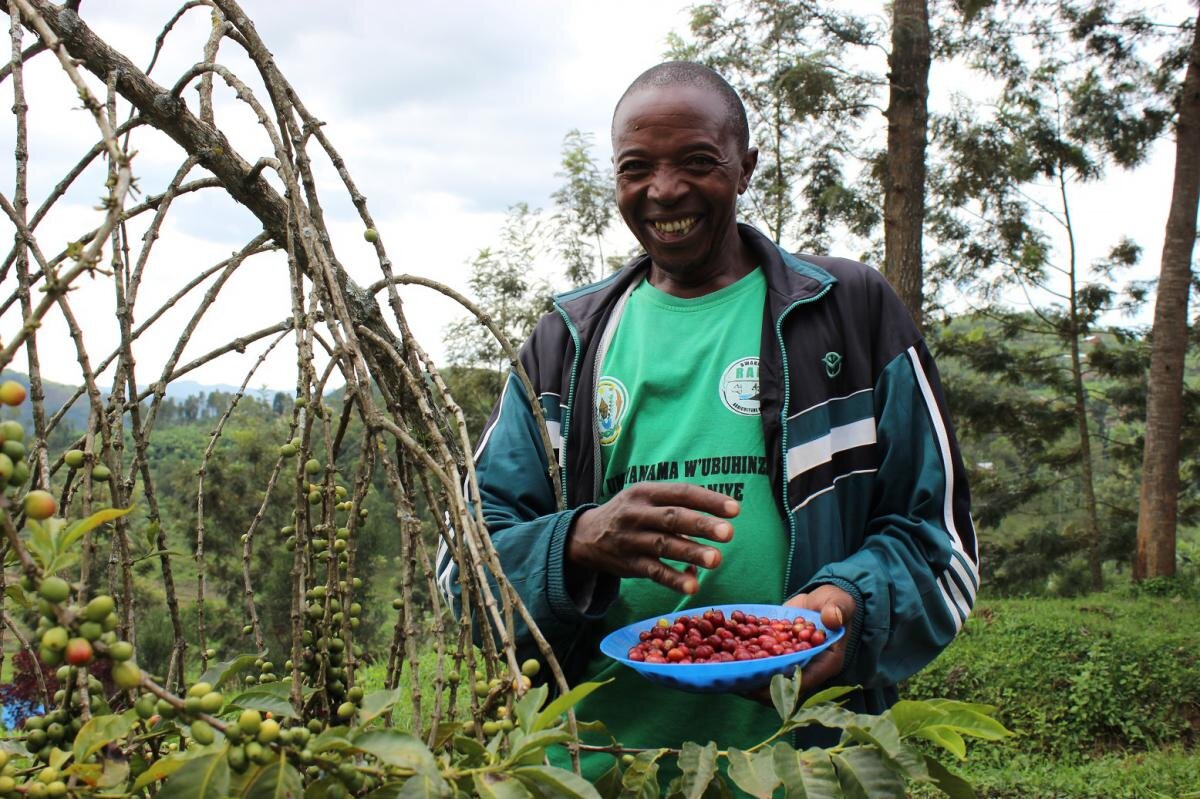
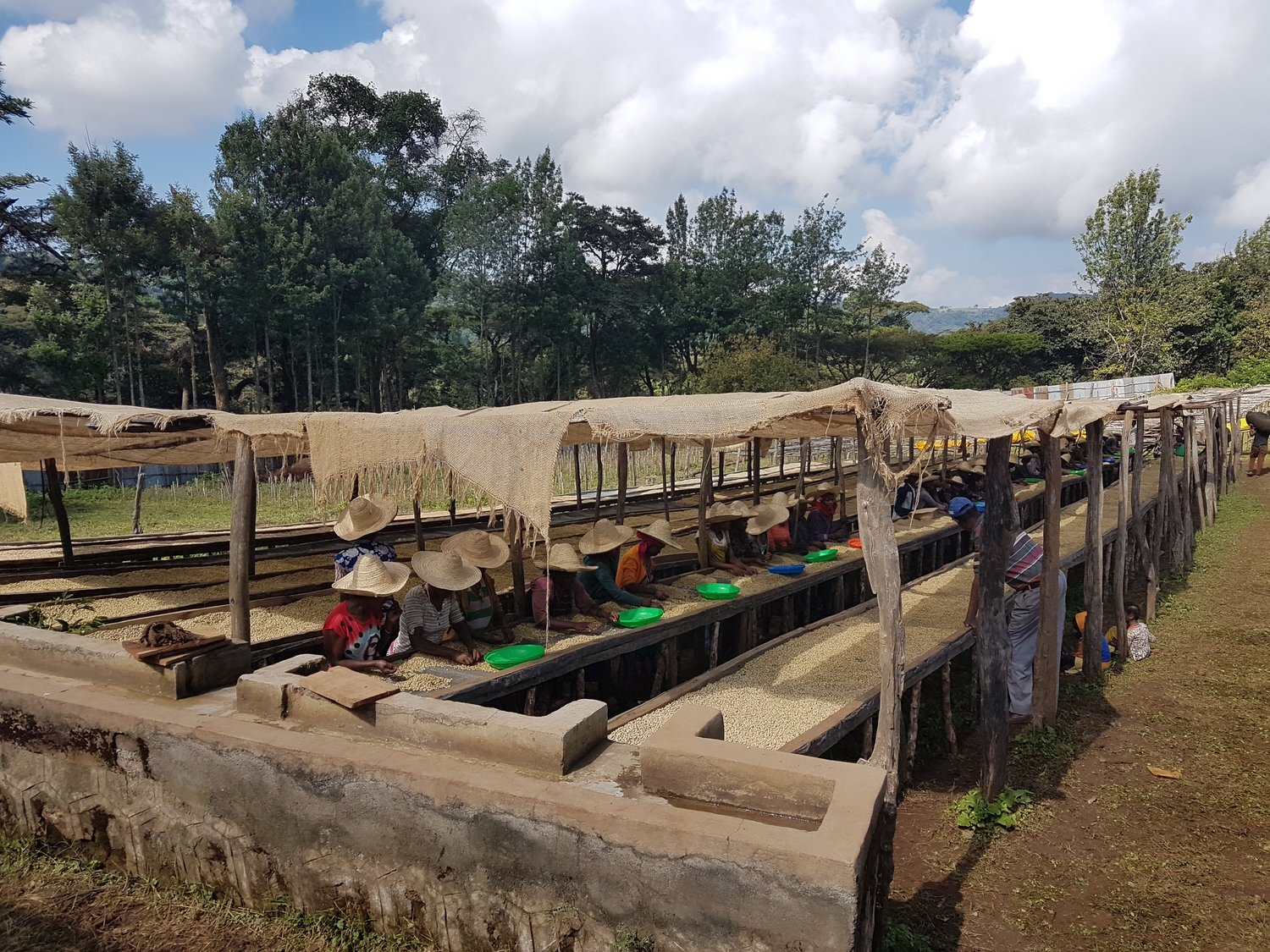
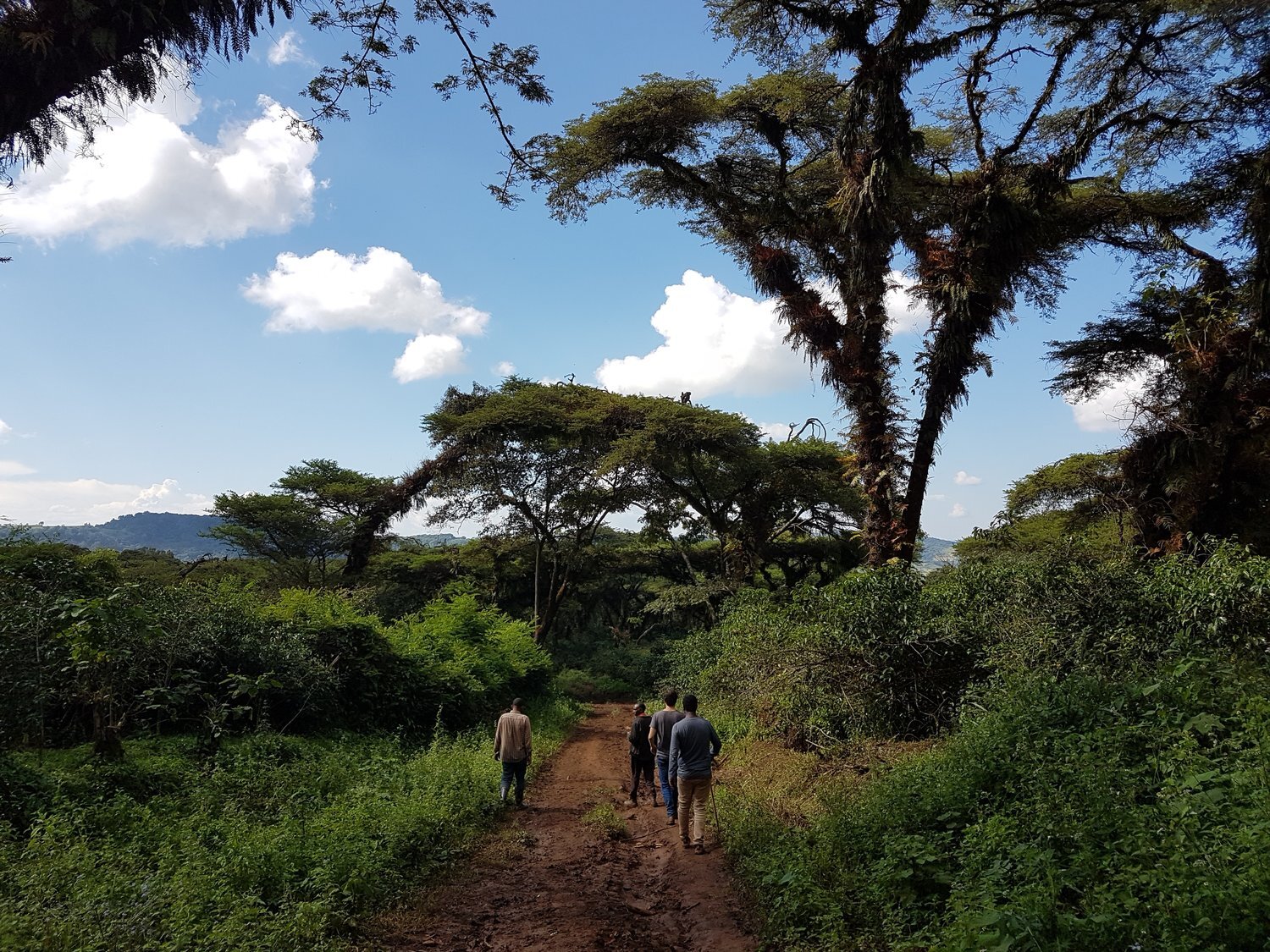
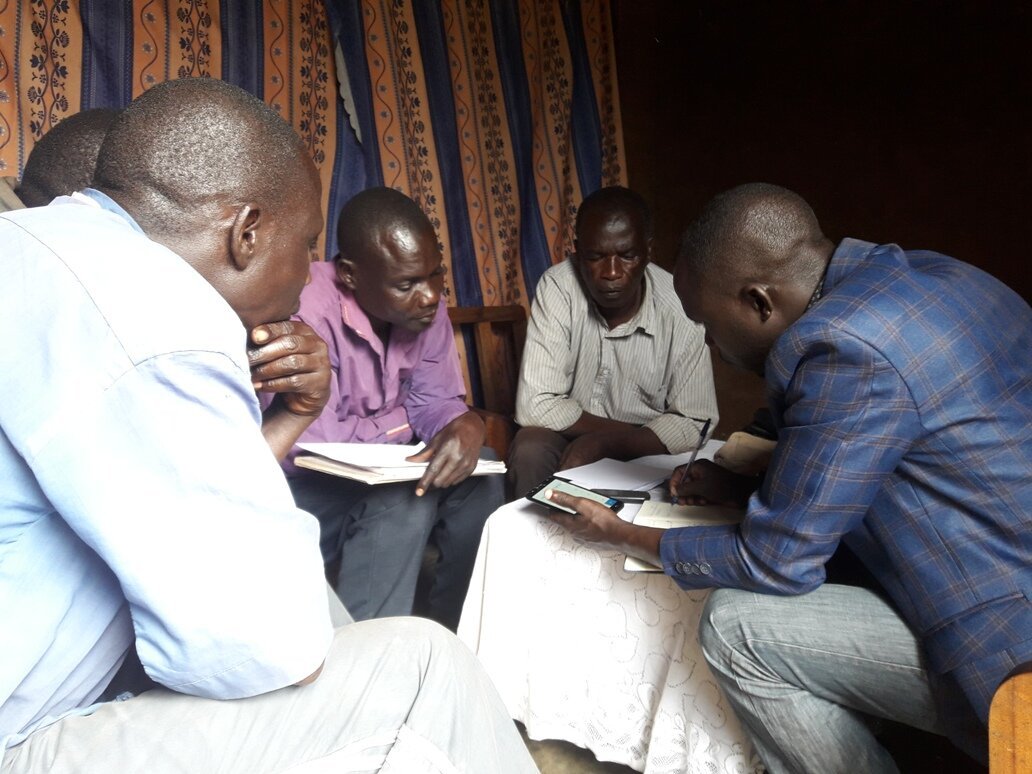
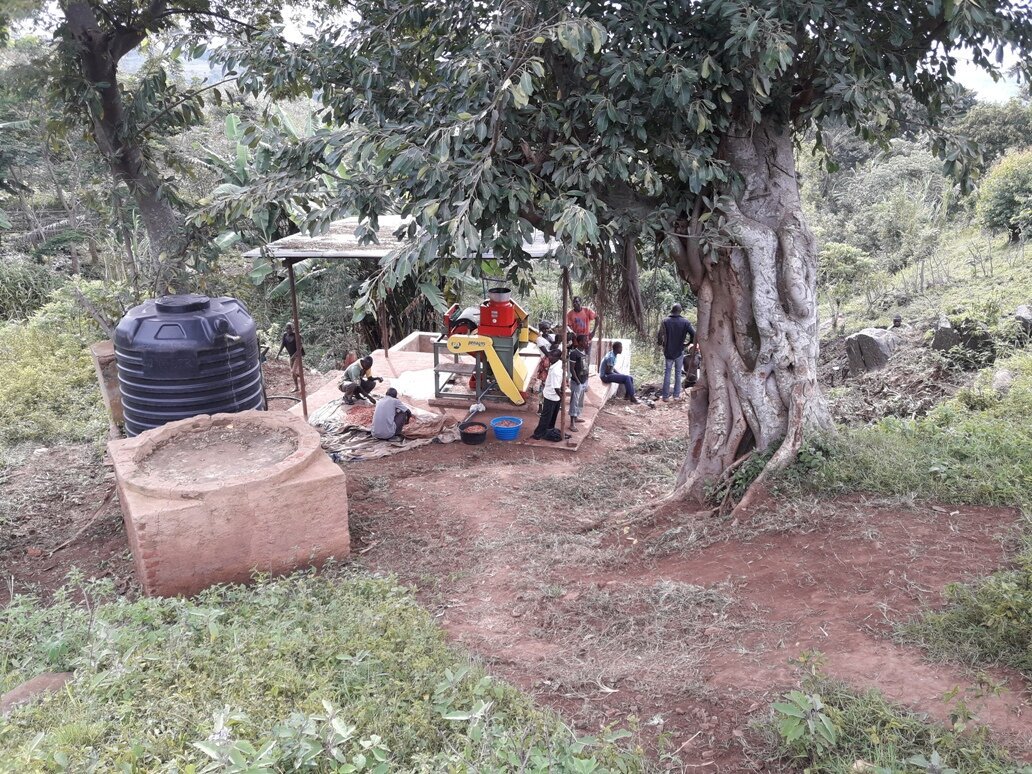
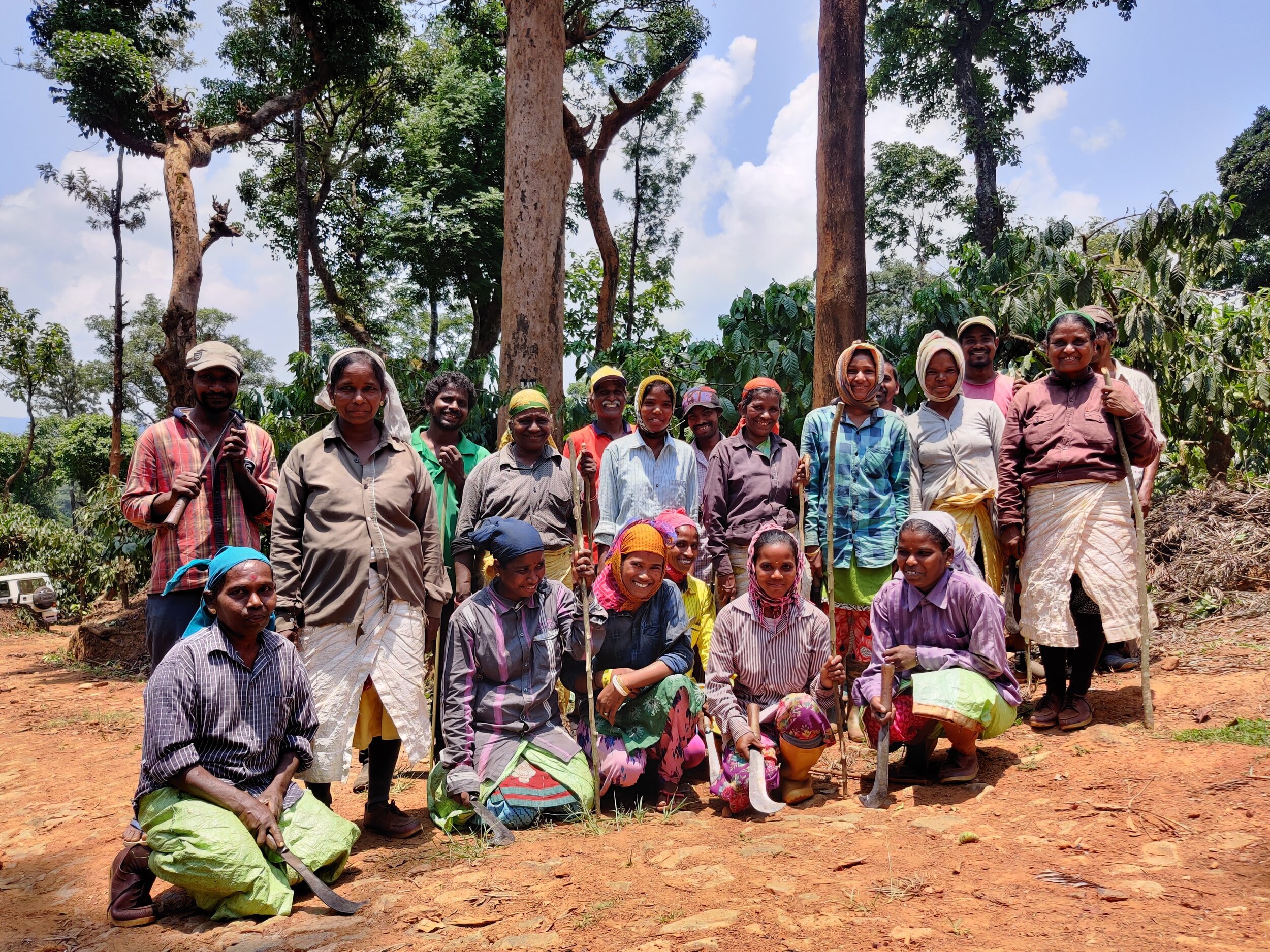
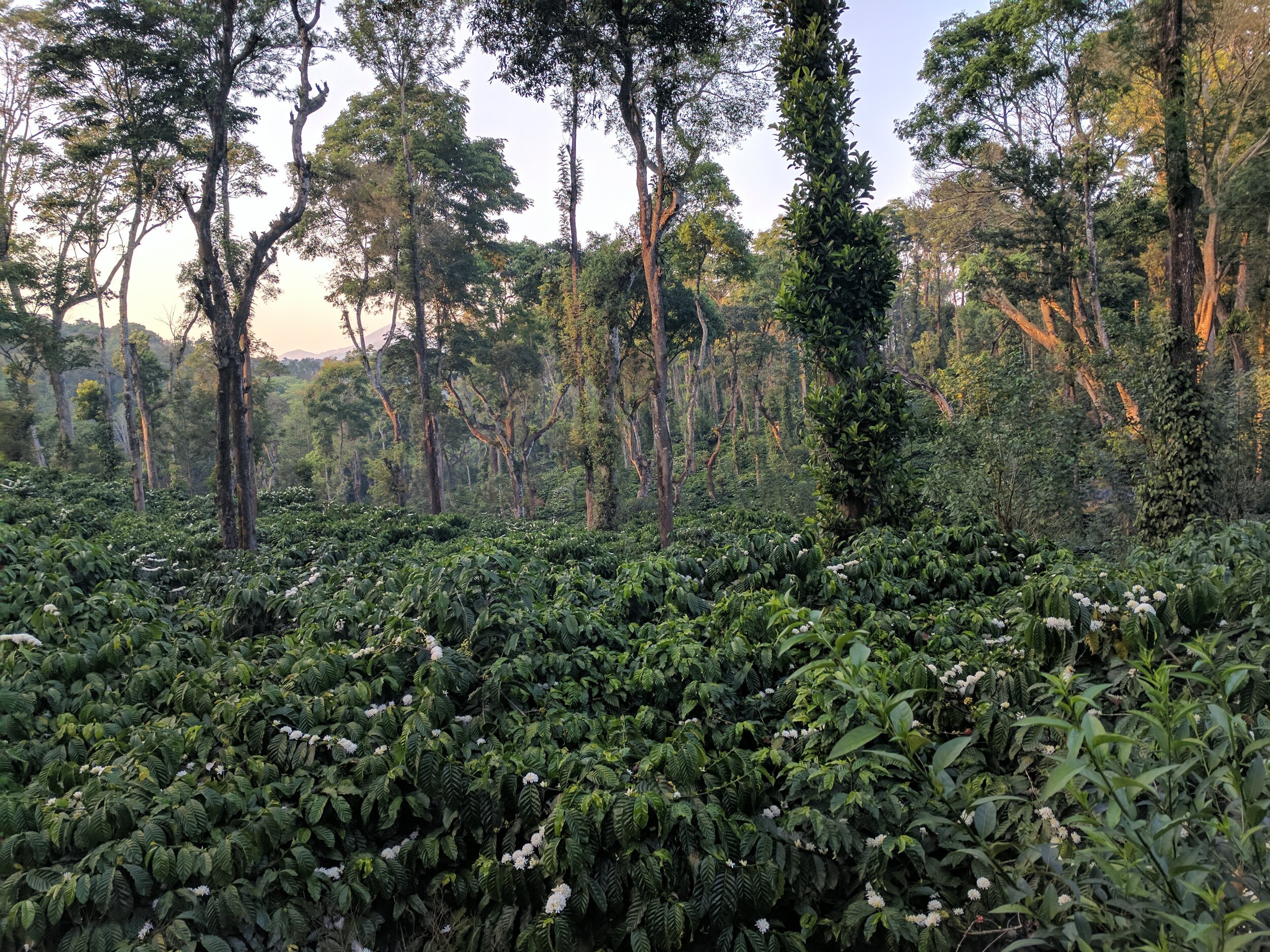


WHERE: Flores, Indonesia
WHAT: Establishing an agroforestry system to improve coffee yields and provide alternative sources of income for farmers on Flores.
WHO: 100 farmers from Flores, Indonesia, This Side Up, MVO, Asnikom, Pretaterra, CCF, and Progreso.


WHERE: Nicaragua, Peru, Colombia, Brazil, Rwanda, Ethiopia, Uganda, DR Congo, Kenya, Tanzania, Myanmar, India, Sri Lanka, Thailand, and Indonesia.
WHAT: Providing an additional and lasting investment incentive for our partner producers in regenerative agriculture.
WHO: All origin partners of This Side Up.

WHERE: Rende Nao, Manggarai, Flores, Indonesia; Amsterdam, the Netherlands; Barcelona, Spain
WHAT: Creating the very first fashion collection designed at the origin location.
WHO: Sylvia Calvo (Sylvia Calvo BCN), Adri Yahdiyan (Ontosoroh Coffee), This Side Up Coffees.

WHERE: Abakundakawa Rushashi, Gakenke District – Northern Province, Rwanda
WHAT: Creating an agroforestry pilot plot to test and demonstrate the potential of an intercropping system to non-certified coffee farmers.
WHO: Abakundakawa Rushashi (cooperative), This Side Up (funder), MVO Nederland (funder), Matthew Gates (agronomist).

-
PERU
Finca Churupampa and the Tocto Family in particular, are incredibly driven to work towards a full agroforestry system, where the production of coffee goes hand in hand with the workings of a tropical rainforest. It is one of the most ecological inspiring partners of the This Side Up portfolio.
The coffees of Finca Churupampa are all organic certified coffees.
RWANDA
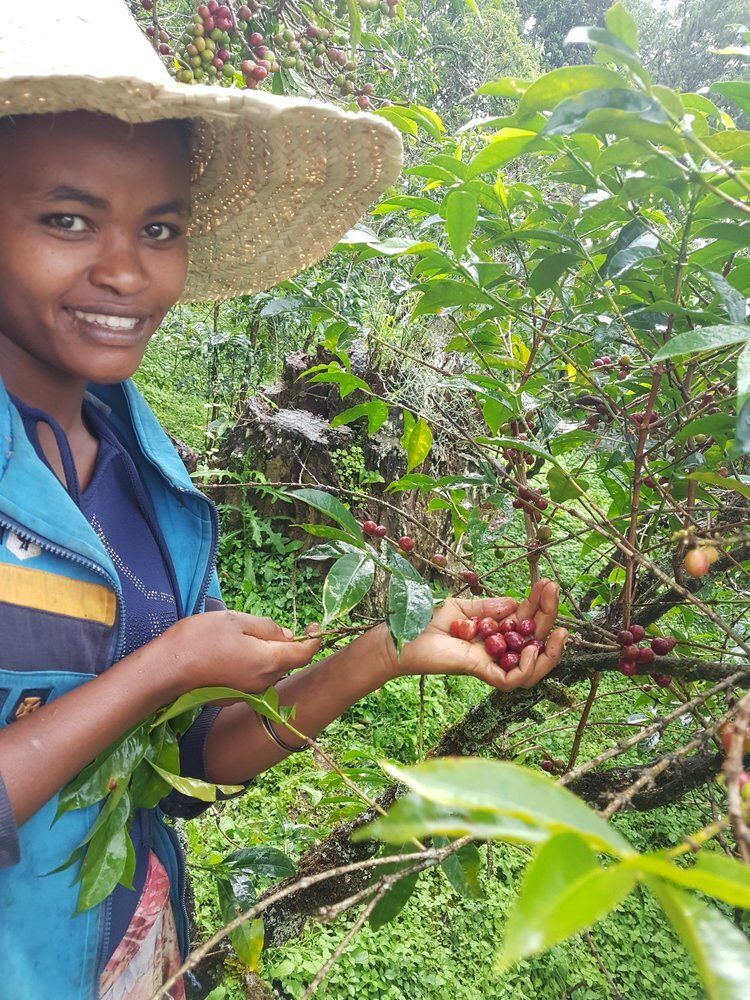
Founder and CEO Gilbert, has a long track record in the international Specialty Coffee industry, with working experience in diverse high end North American firms. With this experience, quality and market demand connectivity are in good hands.
Only in 2019 the naturals were introduced, which now are amongst This Side Ups best performing and highest scoring coffees.
INDONESIA
A youth group in Candiroto village produces speciality robusta for their main source of income and more than 10 of them are first time coffee planters
Coffee farming as an alternate source of employment which has allowed empowerment within the community bringing together like minded folks to produce high quality coffee
Sense of pride due to profitability from coffee farming and enables access to knowledge, resources far easier since they do it together
Farmers grow coffee in an agroforestry way by making use of shade grown trees and using organic fertilizers for their coffees
For the upcoming years focus in on productivity, process innovations and quality control
BRAZIL
The Signature blends might vary annually in composition, the farmers that deliver the coffees, do not. We proudly support two estates, being Fazenda California and Fazenda Fronteira, and two farmer groups, being the Women in Coffee and the farmers of São Jerônimo da Serra. Their individual stories can be read here.
Capricornio greatly reduces the ecological footprint of all their 20 partner farmers: they help them create water-efficient mills, implement waste water treatment technologies, and apply systems thinking to optimise all coffee processes and reduce CO2 output. They also stimulate the use of organic fertilisers, energy-efficient machinery and irrigation systems.
In 2022, Luiz, one of the owners of both Capricornio and Fazenda California, is elected as the first-ever farmer to become a board member in the prestigious world wide SCA (Specialty Coffee Association).


Adri Yahdiyan
adri@ontosoroh.co.id
+62 857 4385 9181

Andy Carlton
andy@zombocoffee.com
+256 787 251280

Gidey Berhe Retta
limmukossa1@gmail.com
+251 917 550 244

Antoine Kagenza
abakundakawarushashi@yahoo.fr
+250 7 8328 8732

Juan Pablo Lasso Argote
jupalasso@hotmail.com
+57 3002199249

Arianova Almendárez
+505 8655 3429