fostering the unity in comm’unity’
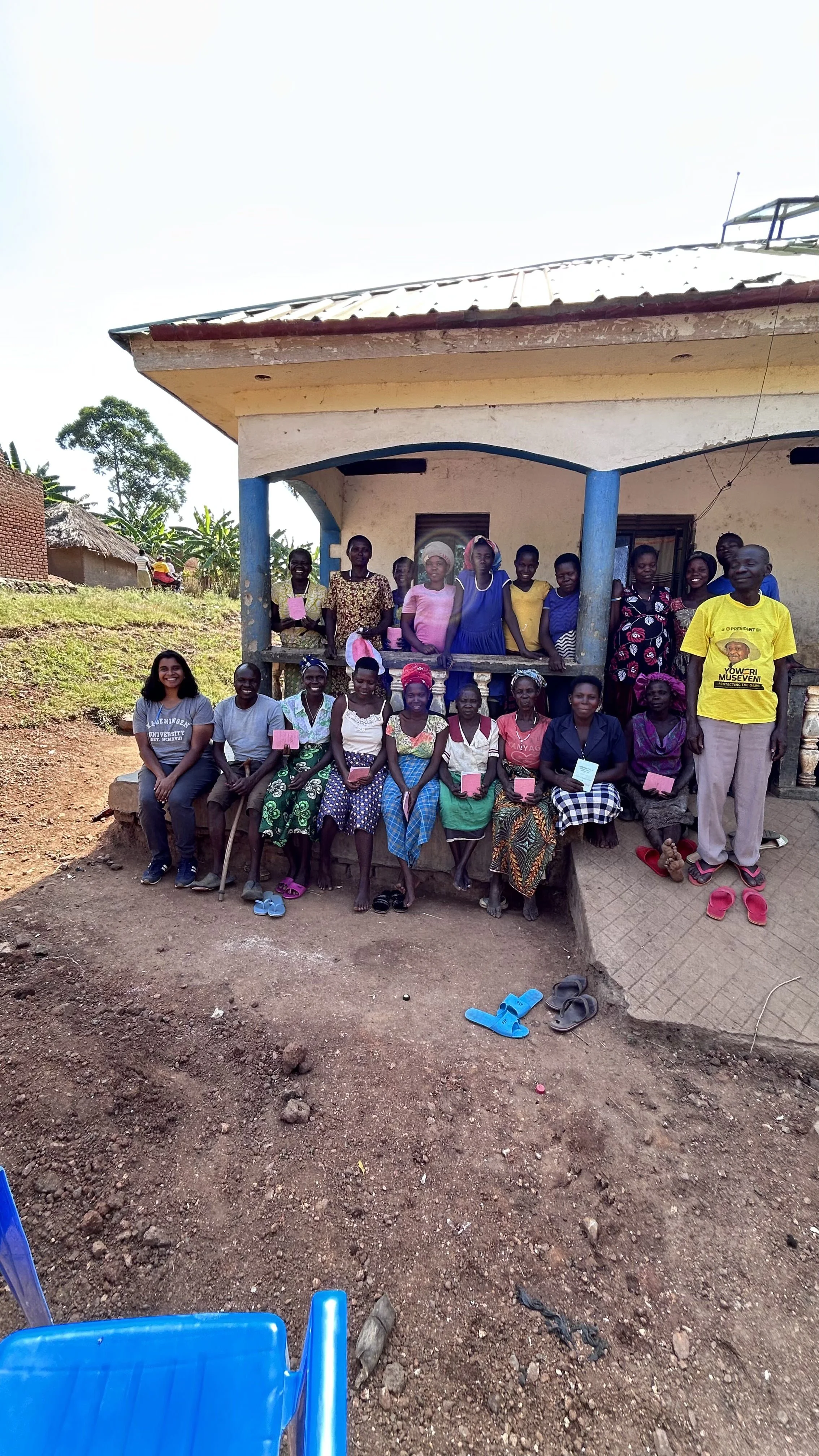
This microstation was built in 2019 with an ambition to unite the coffee farmers within the community. This unity would certainly play to their advantage in quality control and meeting demands. It was expected to foster collective learning as well as capacity building in the community. During the last few years they have faced several challenges including security threats due to lack of fences, lack of financing year around and quality issues due to climate change. Yet, their motivation to stick together comes from their positive experiences with Zombo.
From the perspective of coffee trade and production they have been able to benefit from better prices, access to knowledge, consistent quality. Being together as a group also had other advantages in the last few years. It reduced gender based violence within households, challenged mindsets and offered the inspiration to work together for their individual and communal prosperity. They also continue to rely on coffee (beyond their income) for it's role in mitigating climate change by creating an ecosystem that is rich in agroforestry.
This is an initial grouping based on the farmers’ proximity to each buying point. We are still collecting and verifying data on the actual farmer-to-buying-point connections, so the clusters shown here may be refined as more data becomes available.
Ndhew Lot
Grower traceability — Nebbi District, West Nile, Uganda
We buy microlots from these farmer groups belonging to the Ndhew Microstation

ATEGO
Total bags bought : 19 (including men and women’s lot)

TANGANA
Total bags bought : 9 (including men and women’s lot)

OMOYO
Total bags bought : 26 (including men and women’s lot)

TEKUZA
Total bags bought : 21 (including men and women’s lot)
NDHEW
Total bags bought : 30 (including men and women’s lot)

OWILO
Total bags bought : 6 (including men and women’s lot)

OKEBU
Total bags bought : 20 (including men and women’s lot)
VARIETALS
Most of the coffee grown in the Alur Highlands of north-west Uganda is SL14, a variety developed by Scott Laboratories in Kenya and promoted by the Uganda Coffee Development Authority. There is also some Bourbon, which comes from nearby DR Congo, where it dominates.
elevation
1445 meters
NOTABLE
They grow coffee for self consumption at home as well as for it’s ability to reduce health risks and aiding them with mental alertness throughout the day. The basic income project has been launched successfully in this microstation on 27th July 2024 and will go on for 2 years.
PROCESSING
When coffee is harvested and taken to the buying stations of Ndhew, Leda, and Ayanyunga, it is either spread on tarpaulin or a quality table for hand-sorting to remove any underripe or overripe fruit.
After hand-sorting, it is then taken to the weighing scale, and floating is done immediately to separate the good, red ripe cherries, i.e., those free of disease. Finally, the executives lay out the quality red ripe cherries in the sun on the drying rack/table until they turn from red to brown or nearly black to attain the recommended moisture level. They keep turning the cherries to prevent molding, which can easily affect the flavor if not done thoroughly. The hulling process to remove the thick, dried outer layer is then carried out at the ZCP factory, revealing the green beans.
TASTIFY™ CUPPING NOTES
2026 Landed SAMPLES
Uganda Zombo - Tekuza microlot - natural
Uganda Zombo - Owilo women microlot - natural
Uganda Zombo - Atego women microlot - natural
Uganda Zombo - Tangana women microlot - natural
Uganda Zombo - Owilo microlot - natural
Uganda Zombo - Tangana microlot - natural
Uganda Zombo - Jukia microstation - 72hr fermented natural
Uganda Zombo - Atego microlot - natural
Uganda Zombo - Omoyo women microlot - natural
Uganda Zombo - Omoyo microlot - natural
Uganda Zombo - Okebu women microlot - natural
Uganda Zombo - Okebu microlot - natural
Uganda Zombo - Tekuza women microlot - natural
-
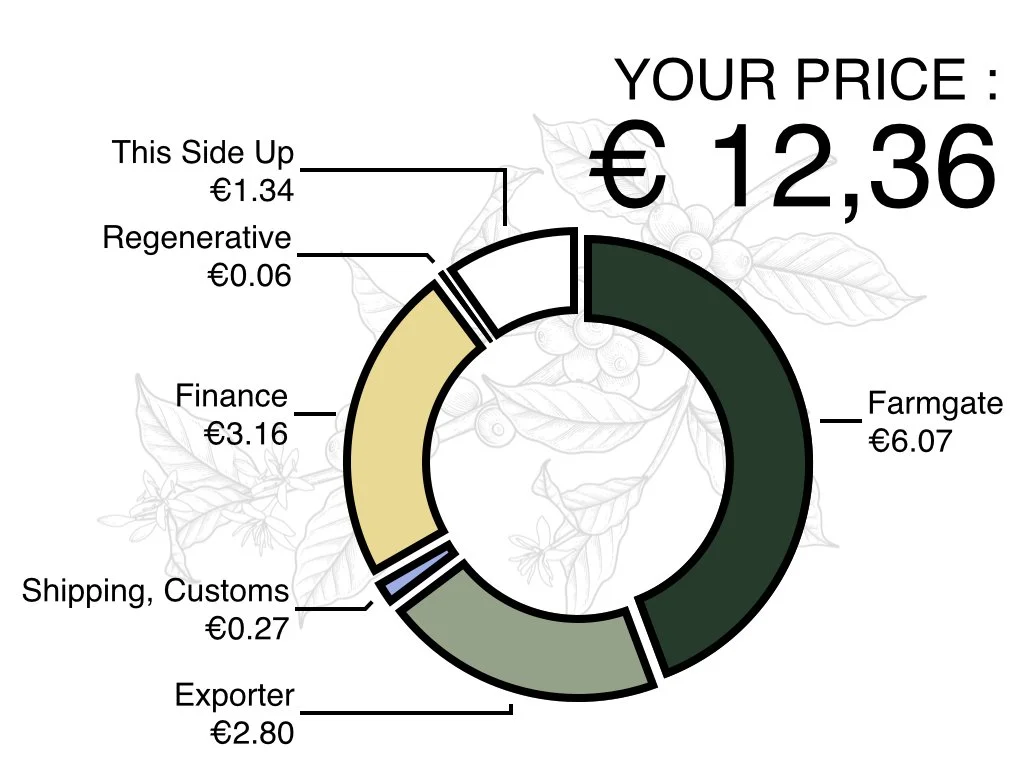
The price you pay for women’s lot from buying point p/kg. We agreed on this price directly with the farmers, disregarding the volatile US Coffee C price.
-
The microstation model in Uganda is to make sure the farmers profit the most which also means they work on the harvest and processing to sell green beans export grade to Zombo coffee partners. The Ndhew microstation has several buying points under them that we have agreed together on creating traceable lots. It is mainly divided into men’s and women’s lots. This includes the quality and social premiums.
-
This value is made of up several different factors including the costs of wet milling, grain & jute bags,sorting Zombo’s overhead and financing as well as the regenerative training per kg is included within this price. Zombo buys green coffee export grade but assists the microstations to fulfill their commitments by investing in quality control, regenerative agri and finding a market for these coffees.
-
This includes shipping from Mombasa to Rotterdam. The coffees are brought on truck from Uganda and then loaded on a ship at Kenya.
-
Average financing cost owed to (mostly social) lenders. This ensures immediate payment to the farmers when the coffee leaves the farm or port.This is also includes stock surchage, storage fee and customs. It also includes our profits per Kg.
-
A standard TSU premium on all coffees designated exclusively to accelerate farmers’ own regenerative agriculture project. The Ugandans are using to train their farmers on making organic inputs from local materials to reduce the cost of production as well as increase the productivity per tree.
-
This Side Up compensation for spending time and resources importing this coffee. Our work includes year-round contact with producers, managing export, shipping, import, warehousing, grading, sampling, finding and keeping roasting partners for Tangana Women’s lot. € 1,34 is This Side Up’s Model 1 markup. For a full overview of our modular margin construction, see the Trade Models page