




Organic certified
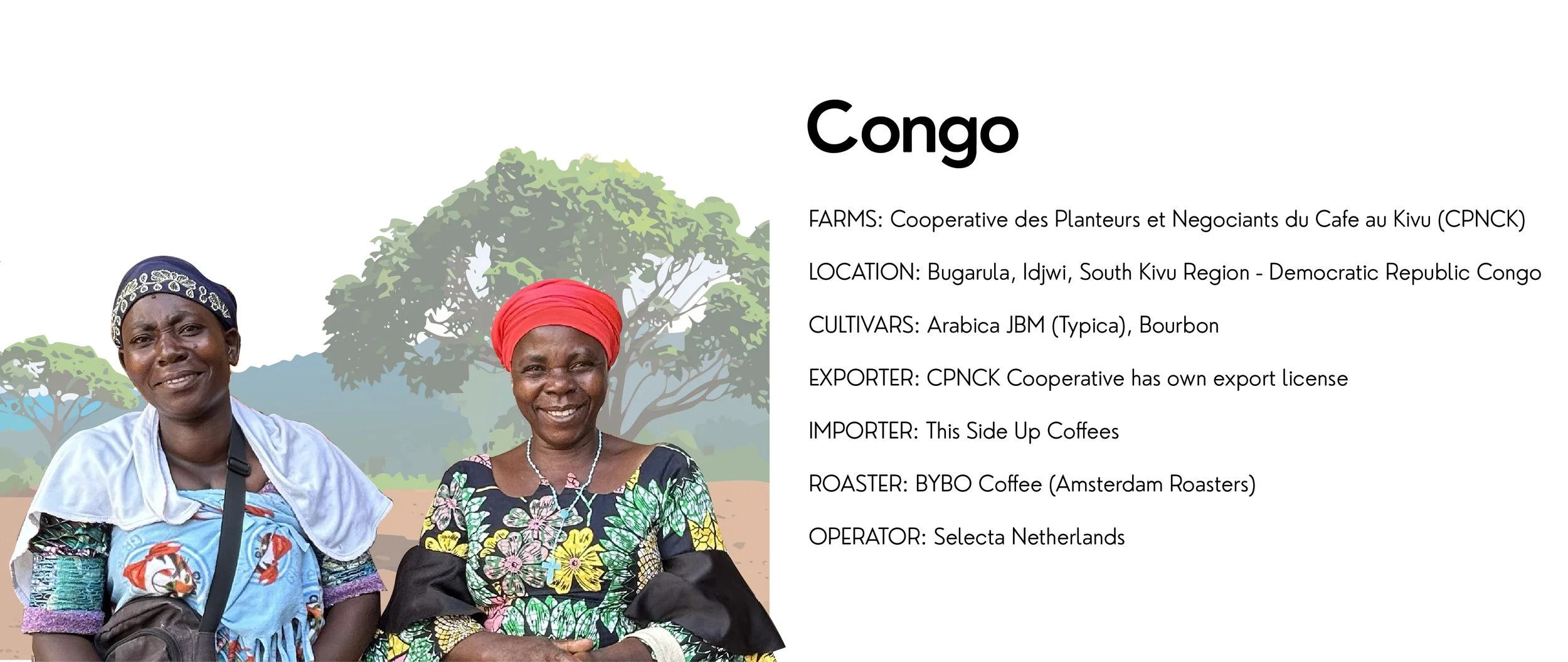
Without exaggeration, we are truly honoured to be working with such an important and inspiring group of people. Idjwi's demographic makeup is unlike that of neighbouring mainland Congo and Rwanda. It has long been a safe haven for refugees of the Rwandan genocide as well as a shelter for rebels of the various wars and skirmishes that continue to be fought in the region. In fact, the striking number of widows on the island was one of the main reasons for its coffee farming community to make a stand and organise itself to sell coffee independently through a cooperative structure. If the farmers worked together to create volume and share resources, they could demand better prices and stop smuggling. One of the coops that was created is our partner CPNCK; and under the leadership of Gilbert Makelele, much good has happened. We are honored to contribute to the continuing stability of the region by purchasing coffee for peace.
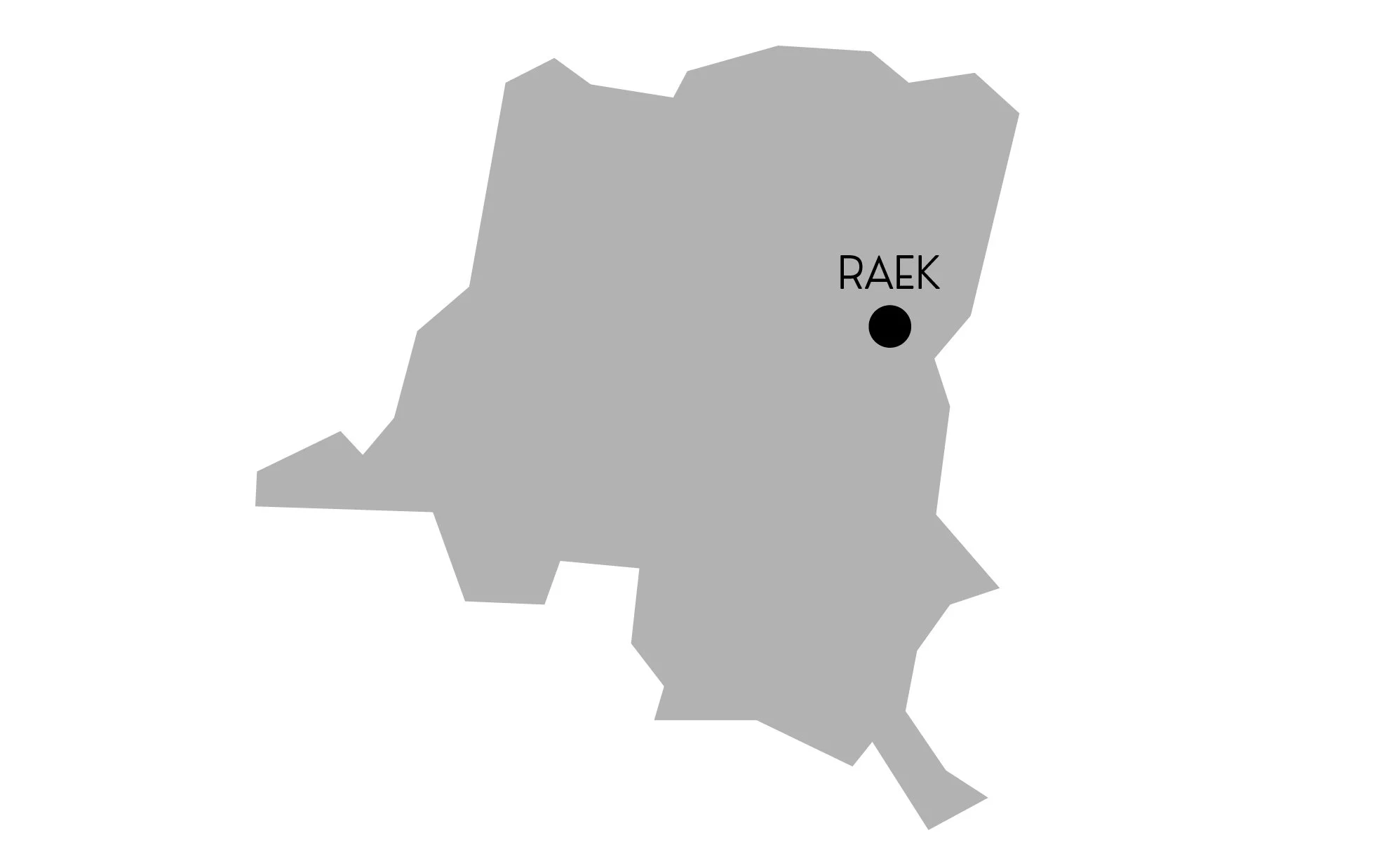


Organic certified
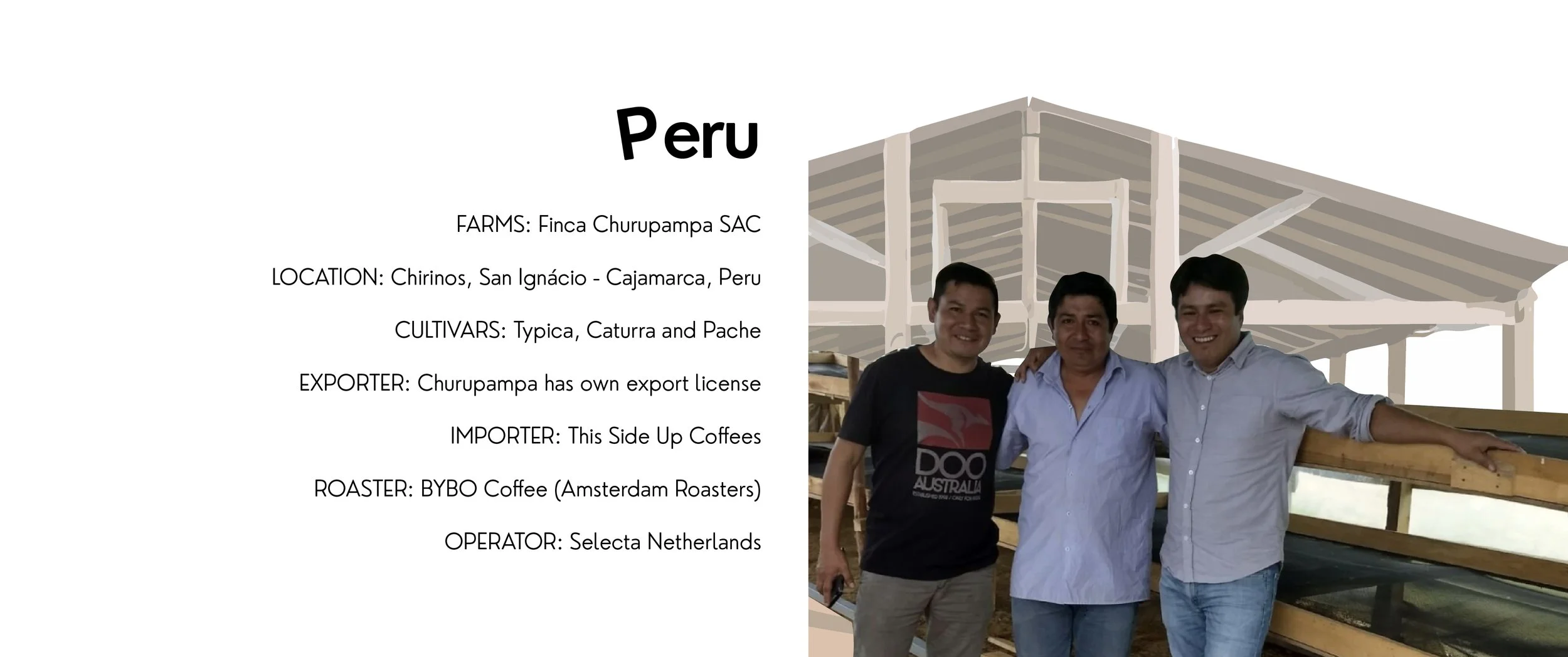
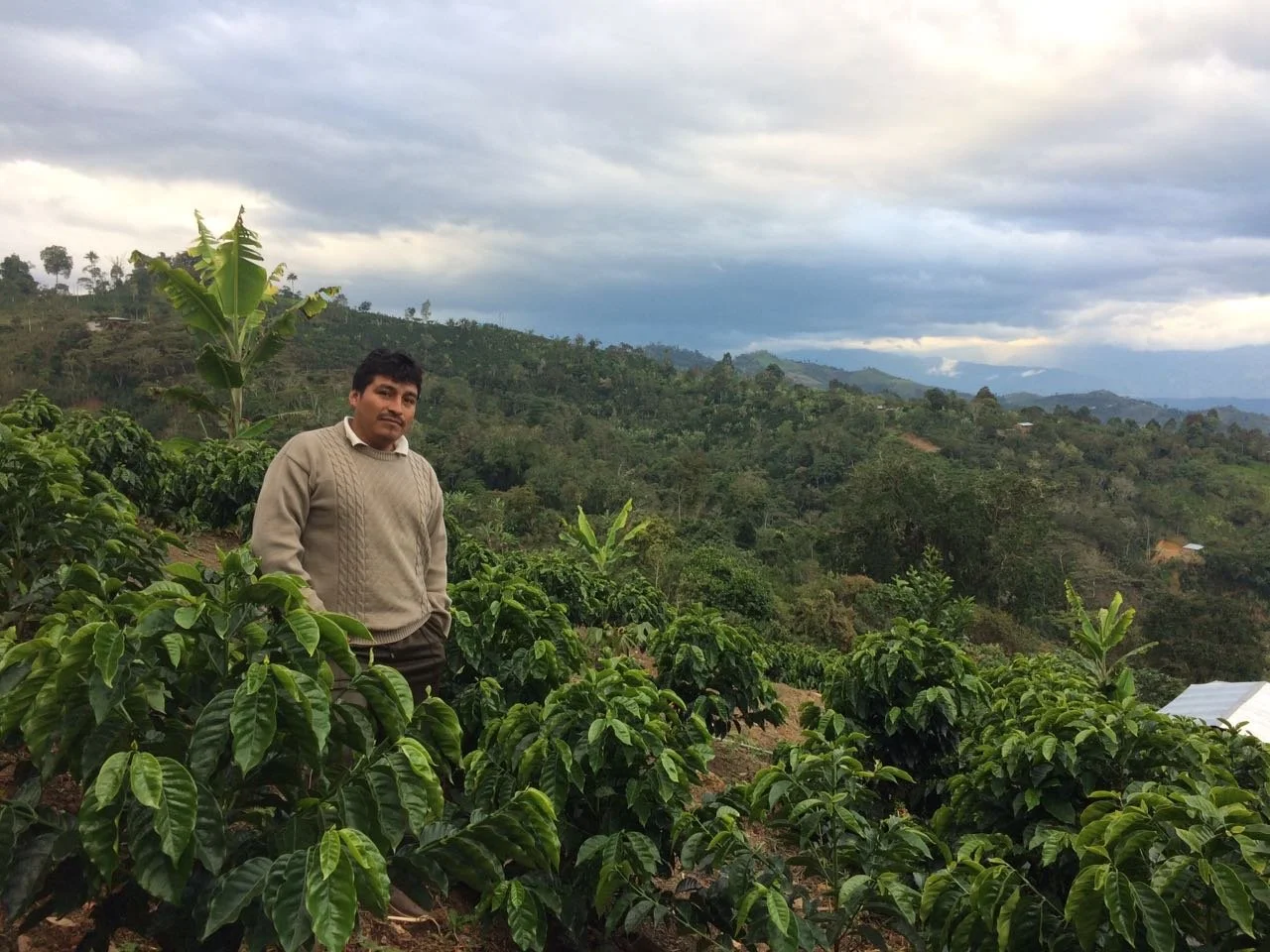
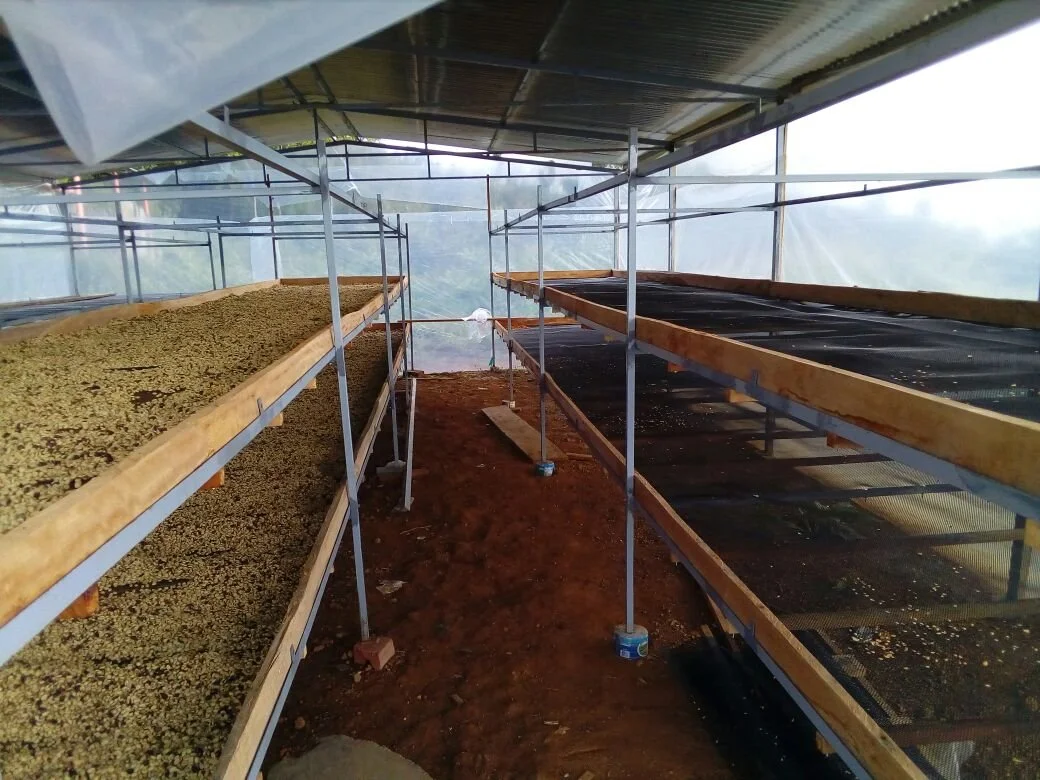
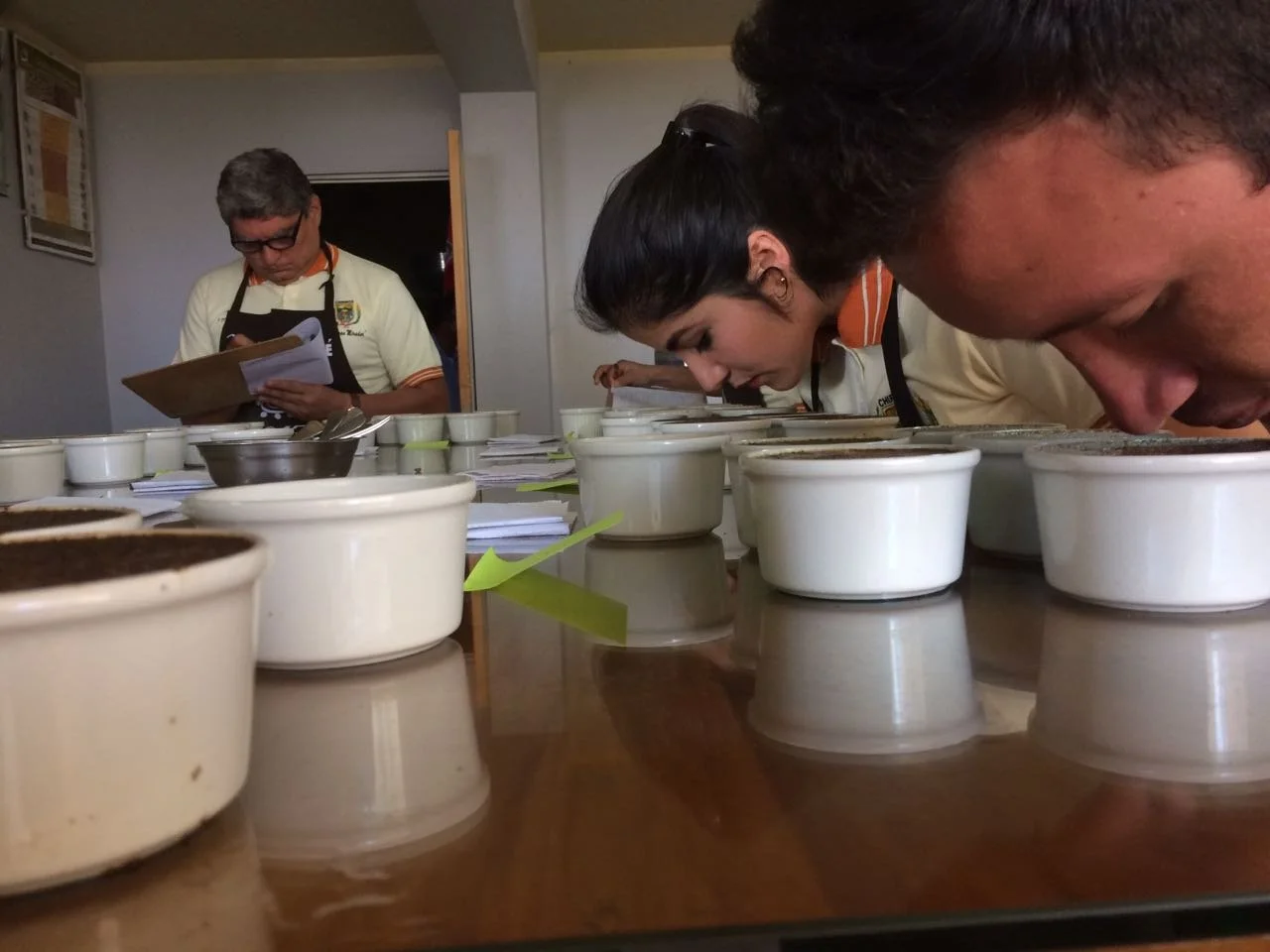
Churupampa is not just a farm, it's a social business model which the Tocto family aims to expand, the last years to 30 neighbouring farms in their town of Chirinos. Some of the upgrades include better processing facilities, plant renovation schemes with the introduction of new varieties, new drying techniques with plastic covered raised beds to secure stable and uniform drying despite seasonal rainfalls. In 2018, the quality control team cupped around 4,000 samples. Not one lot goes uncupped! This coffee is also Organic and Fair Trade Certified.
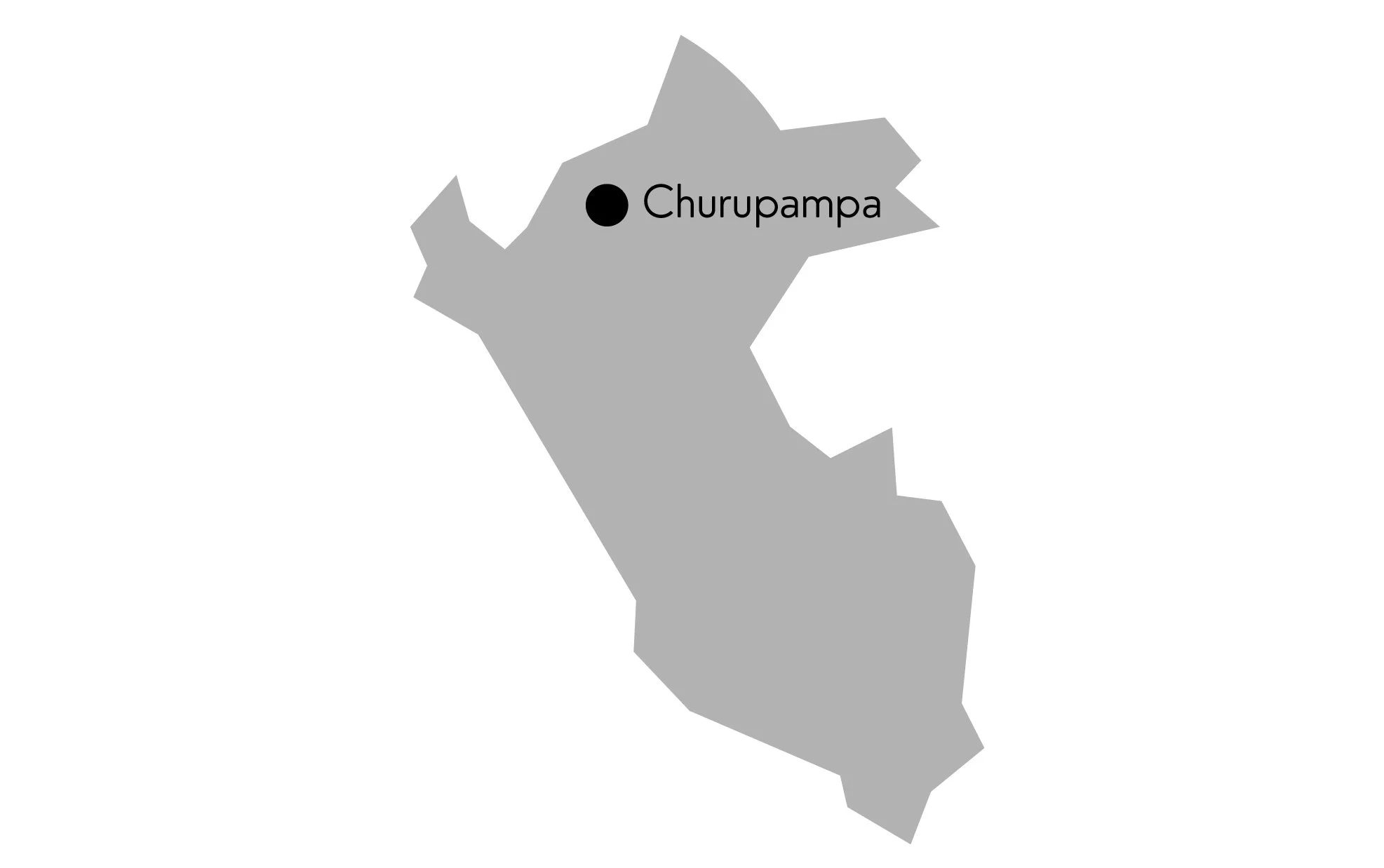

Rainforest Alliance certified
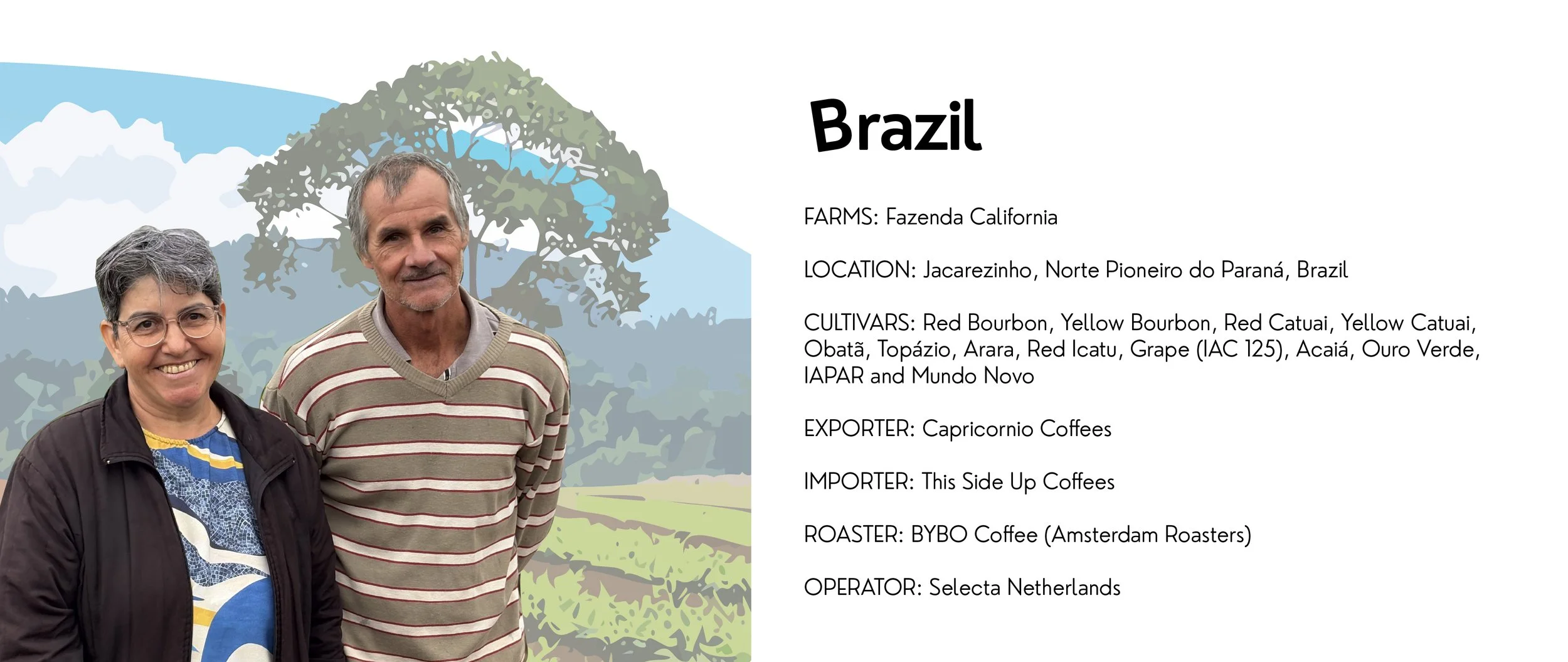
The history of this picturesque farm goes back to the early 20th century, where the University of California (hence the name) set up a facility to experiment with varieties, coffee growing and sustainability. Far ahead its time, the farm got sold and turned into a sugar cane farm for many decades. In the early 2000’s, Luiz Saldanha Rodriguez purchased it together with his uncle, who died in an unfortunate plane crash. Luiz decided to continue the dream of showing that the run down and degraded farm could be regenerated through agriculture. Nowadays, the farm is an example and a forever pioneer in how to combine coffee quality expertise, high tech solutions and good agronomical knowledge in order to make the finest coffees in balance with nature and its people.




The Peruvian coffee is washed and double fermented - using a hand pulper, coffees are pulped and fermented in tiled tanks for about 12-24 hrs depending on weather. They are then washed and fermented again for the same amount of time. The Brazilian coffee of Fazenda California are are machine picked, blends of pulped natural and natural processed fazenda lots, blended for annual consistency. The Congolese coffee of SCNPCK is fully washed at micro-mills, wet fermented for 12 hours, washed with mountain water, shade dried and pre-sorted, then sun dried on raised beds.
BYBO Coffee uses modern, highly energy efficient hot air roasters with an inbuilt afterburner, leading to lower CO2 emissions than conventional roasting. The machinery uses state of the art roasting software, controlled by a skilled roast master. The roast time is around 10 minutes. After the first crack, the coffee is roasted for a remainder of 25% of the time. All three the coffees are roasted separately, and mixed afterwards, to obtain the best flavor through the individual roast profiles and guaranteeing full traceability from bean to cup.
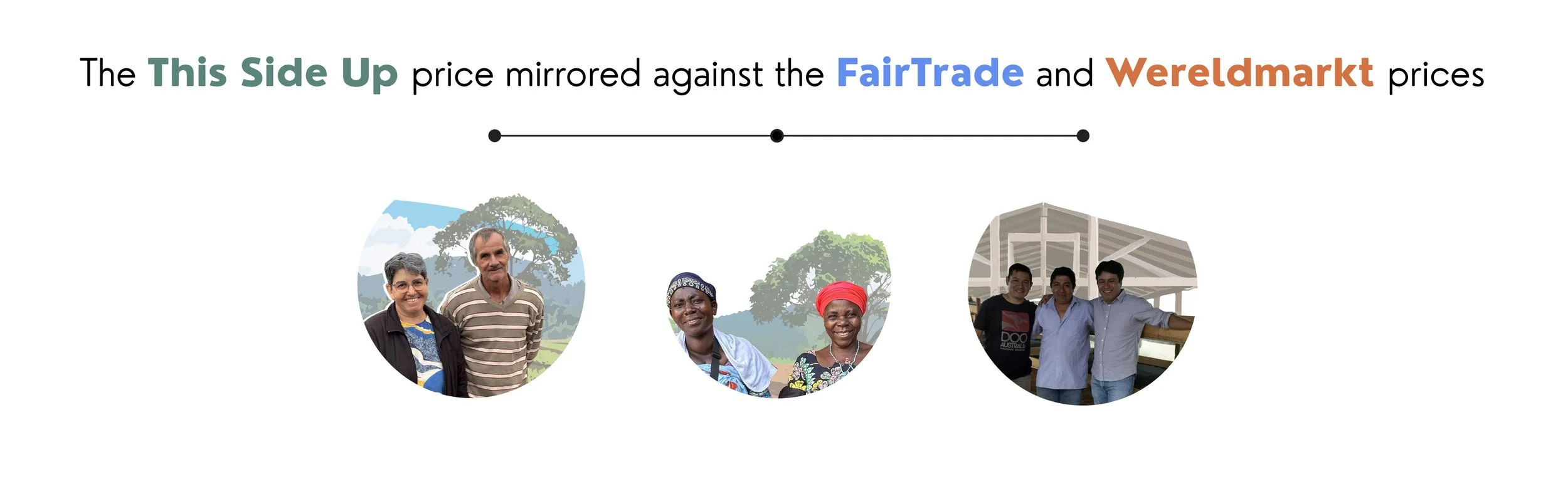
To establish a good benchmark, we used the criteria put out by the advice of RVO, the Netherlands Enterprise Agency: “During the entire term of the Agreement, the coffee producer shall at all times receive at least the applicable Fairtrade Minimum Price per pound minus 25% + the applicable Fair Trade Premium per pound + the applicable Organic premium per pound (Organic Differential) + the additional RWS premium per pound (towards a living income) of ad. $ 0.30.”
Taking this calculation, for the arabica coffees (all of them) we have a Fairtrade Minimum Price of $1.40/lbs, minus 25% + the applicable Fair Trade Premium ($0.20/lbs) + the applicable Organic premium per pound ($0.30/lbs) + the additional RWS premium ($0.30/lbs) = $1.85/lbs or €1.71/lbs or €3.76/kg for organic coffees. The blend we use for Leidschendam is not organic certified and therefore the minimum price lies at $1.55/lbs or €1.44/lb or €2.90/kg.
-
2021 HARVEST
Paid price (in contract) of $7.00/kg for the fully washed Kivu coffee from SCPNCK. This amount is paid directly to the cooperative, which has its own export license. Converting to euros, this is €6.48 per kg.
2022 HARVEST
Paid price (in contract) of $7.00/kg for the fully washed Kivu coffee from SCPNCK. This amount is paid directly to the cooperative, which has its own export license. Converting to euros, this is €6.48 per kg.
2023 HARVEST
Paid price (in contract) of $ 7.00/kg for the fully washed Kivu coffee from SCPNCK. This amount is paid directly to the cooperative, which has its own export license. Converting to euros, this is €6,48 per kg. The same dollar prices were paid to the cooperative and the difference in the exchange rate between the two years between dollar and Euro of when the contract was made wasn’t very huge.
AVERAGING THE BLEND
For this blend, we use 40% Brazilian coffee, 30% Peruvian and 30% Congolese fine arabicas. The price paid to the farmers come therefore at €4,14 per kilogram. This figure is solidly above the minimum reference price put forward by RVO.
In 2022, for this blend, we use 25% Brazilian coffee, 50% Peruvian and 25% Congolese fine arabicas. The price paid to the farmers come therefore at €5,49 per kilogram. This figure is solidly above the minimum reference price put forward by RVO.
In 2024, for this blend, we use 25% Brazilian coffee, 50% Peruvian and 25% Congolese fine arabicas. The price paid to the farmers come therefore at €5,93 per kilogram. This figure is solidly above the minimum reference price put forward by RVO.
-
2020/2021 HARVEST
Paid price (in contract) of $1.70/lb for the farmers blend from Finca Churupampa. This amount is paid directly to the the cooperative, which has its own export license. Converting to kilograms, this is $3,75/kg, which is €3.47 per kg.
2021/2022 HARVEST
Paid price (in contract) of $2.40/lb for the farmers blend from Finca Churupampa. This amount is paid directly to the the cooperative, which has its own export license. Converting to kilograms, this is $3,75/kg, which is €4.85 per kg.
2022/2023 HARVEST
Paid price (in contract) of $2.30/lb for the farmers blend from Finca Churupampa. This amount is paid directly to the the cooperative, which has its own export license. Converting to kilograms, and services of Churupampa , which is €6.50 per kg.
2023/2024 HARVEST
Paid price (in contract) of $2.30/lb for the farmers blend from Finca Churupampa. This amount is paid directly to the the cooperative, which has its own export license. Converting to kilograms, and services of Churupampa , which is €6.50 per kg. There wasn’t a price difference as well as exchange rates were comparable to last year so the prices in dollars so it remains the same.
-
2020 HARVEST
Paid price (in contract) for $245,00 per 60kg bag, which translates to $4.08 per kg for Fazenda California Estate coffee. This amount is paid to the Capricornio Coffees, which has the export license. Converting to euros, this is €3.78 per kg.
2021 HARVEST
Paid price (in contract) for $268,00 per 60kg bag, which translates to $4.46 per kg for Fazenda California Estate coffee. This amount is paid to the Capricornio Coffees, which has the export license. Converting to euros, this is €3.84 per kg.
2022 HARVEST
Paid price (in contract) for $357,65 per 60kg bag, which translates to $6.13 per kg for Fazenda California Estate coffee. This amount is paid to the Capricornio Coffees, which has the export license. Converting to euros (which heavily devaluated compared to the US dollar), this is €6.13 per kg.
2023 HARVEST
Paid price (in contract) for $343,65 per 60kg bag, which translates to $5,73 per kg for Fazenda California Estate coffee. This amount is paid to the Capricornio Coffees, which has the export license. Converting to euros, this is €5.73 per kg.

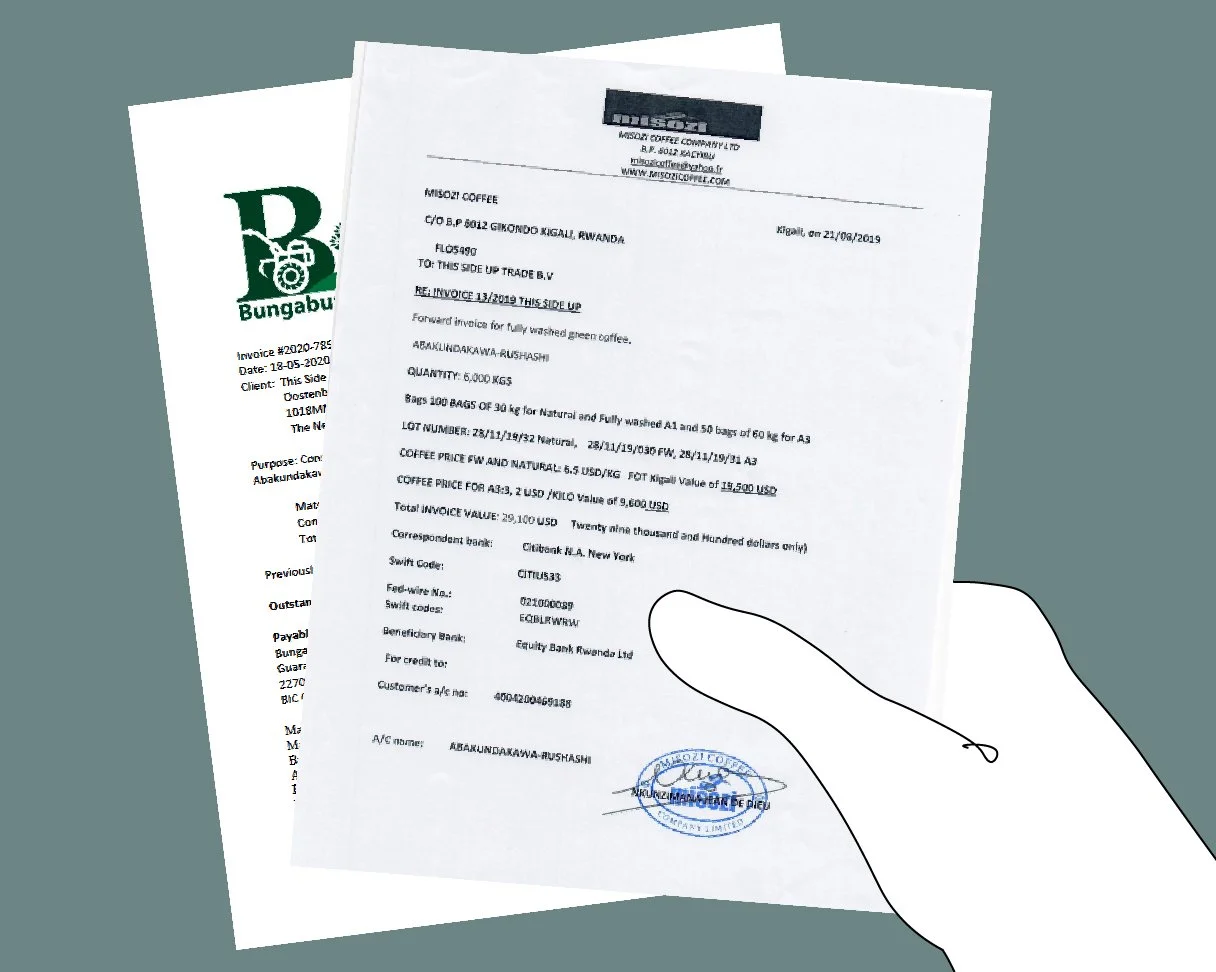
Many parties claim to be sustainable and carry out “impact projects” to mask their negative impact and divert attention. At This Side Up, we pay good prices — and we’re proud of that. So we’re happy to show it. Below you’ll find the purchase contracts we’ve signed with our partners in coffee-producing countries. We work through open dialogue with producers, based on equal entrepreneurship and grounded in their production costs plus a profit margin — and we pay that price. We compare it to both the world market price and the Fairtrade price to illustrate what this means in concrete terms.

Buying contract - Peru 2023

Buying contract - Brazil 2025

Buying contract - Congo 2021
Copyright on pictures. Please consult This Side Up Coffees if one desires to use the pictures for commercial and non-commercial purposes.




WHERE: Nicaragua, Peru, Colombia, Brazil, Rwanda, Ethiopia, Uganda, DR Congo, Kenya, Tanzania, Myanmar, India, Sri Lanka, Thailand, and Indonesia.
WHAT: Providing an additional and lasting investment incentive for our partner producers in regenerative agriculture.
WHO: All origin partners of This Side Up.


-
DEMOCRATIC REPUBLIC OF CONGO
Specialty coffee for CPNCK is a means to defer young adults from becoming rebels and strengthens the island's position against smugglers and bandits.
In 2017, the installation of the coop's own dry mill and direct export capacity happened, as well as first direct export to Europe. Separated coffees from all micro-mills to create microlots. Farmer members cupped their own coffee for the first time.
The coffees of CPNCK are all organic certified coffees.
PERU
Finca Churupampa and the Tocto Family in particular, are incredibly driven to work towards a full agroforestry system, where the production of coffee goes hand in hand with the workings of a tropical rainforest. It is one of the most ecological inspiring partners of the This Side Up portfolio.
The coffees of Finca Churupampa are all organic certified coffees.
BRAZIL
Capricornio greatly reduces the ecological footprint of all their 20 partner farmers: they help them create water-efficient mills, implement waste water treatment technologies, and apply systems thinking to optimise all coffee processes and reduce CO2 output. They also stimulate the use of organic fertilisers, energy-efficient machinery and irrigation systems.
The coffees of Fazenda California are all Rainforest Alliance certified.

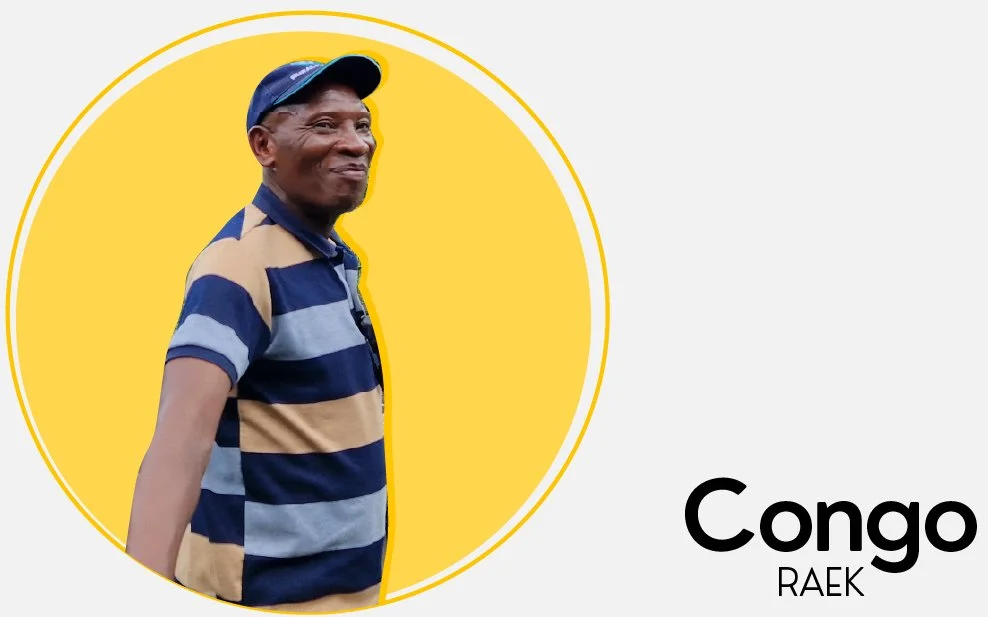
Désiré Zagabe & Anicet Shamavu
zagabedesire@yahoo.fr / anicetshamavu@yahoo.com
+243 (0)993 361 808 / +243 (0) 850 769 797
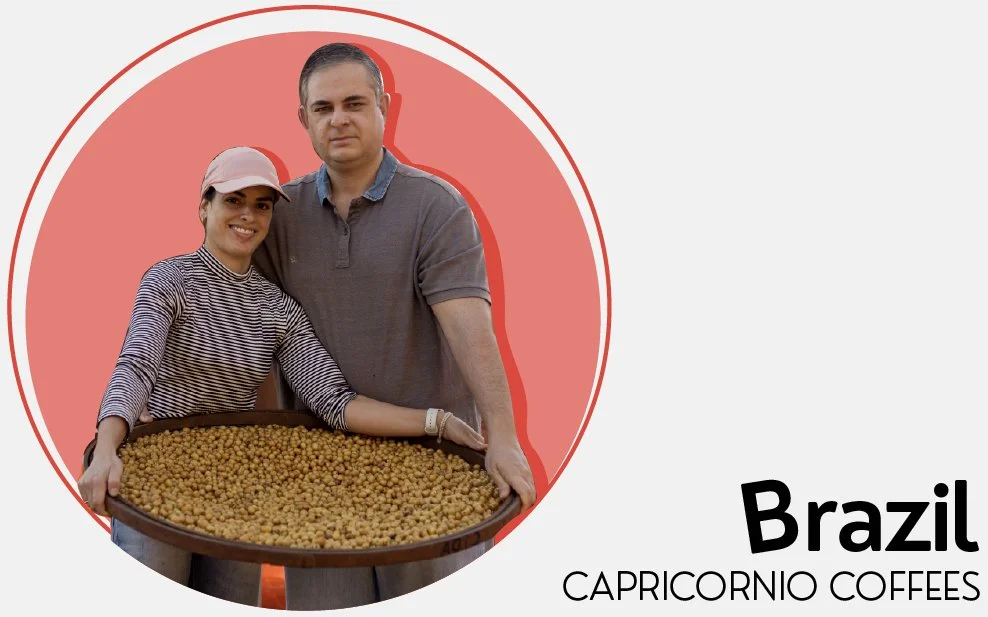
Luiz Saldanha
capricornio@capricorniocoffees.com.br
+55 14 3161 9060

Lenin Tocto Minga
gerencia@fincachurupampa.com
+51 949 605 978