Tinyspot, Big Ecosystem
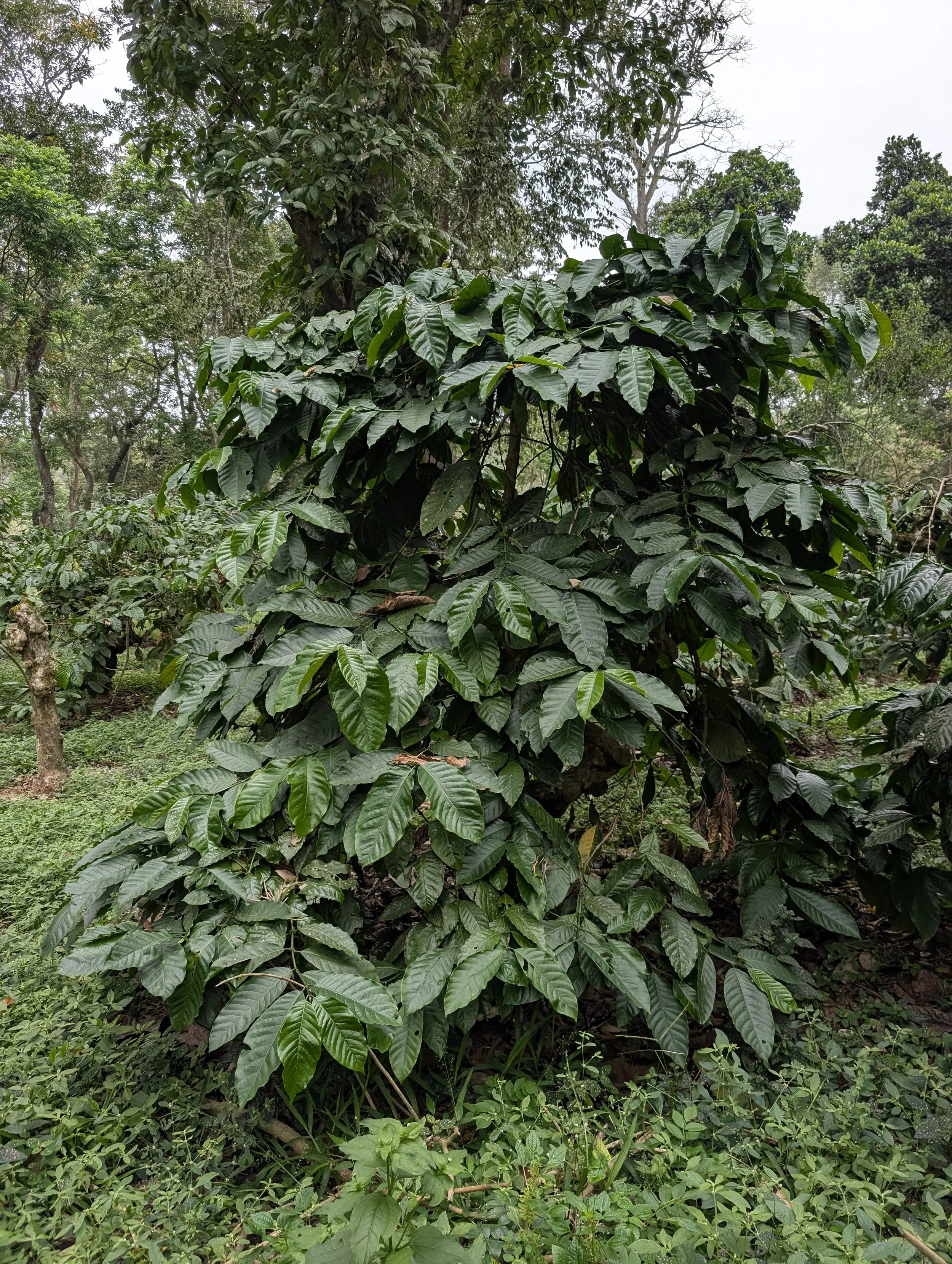
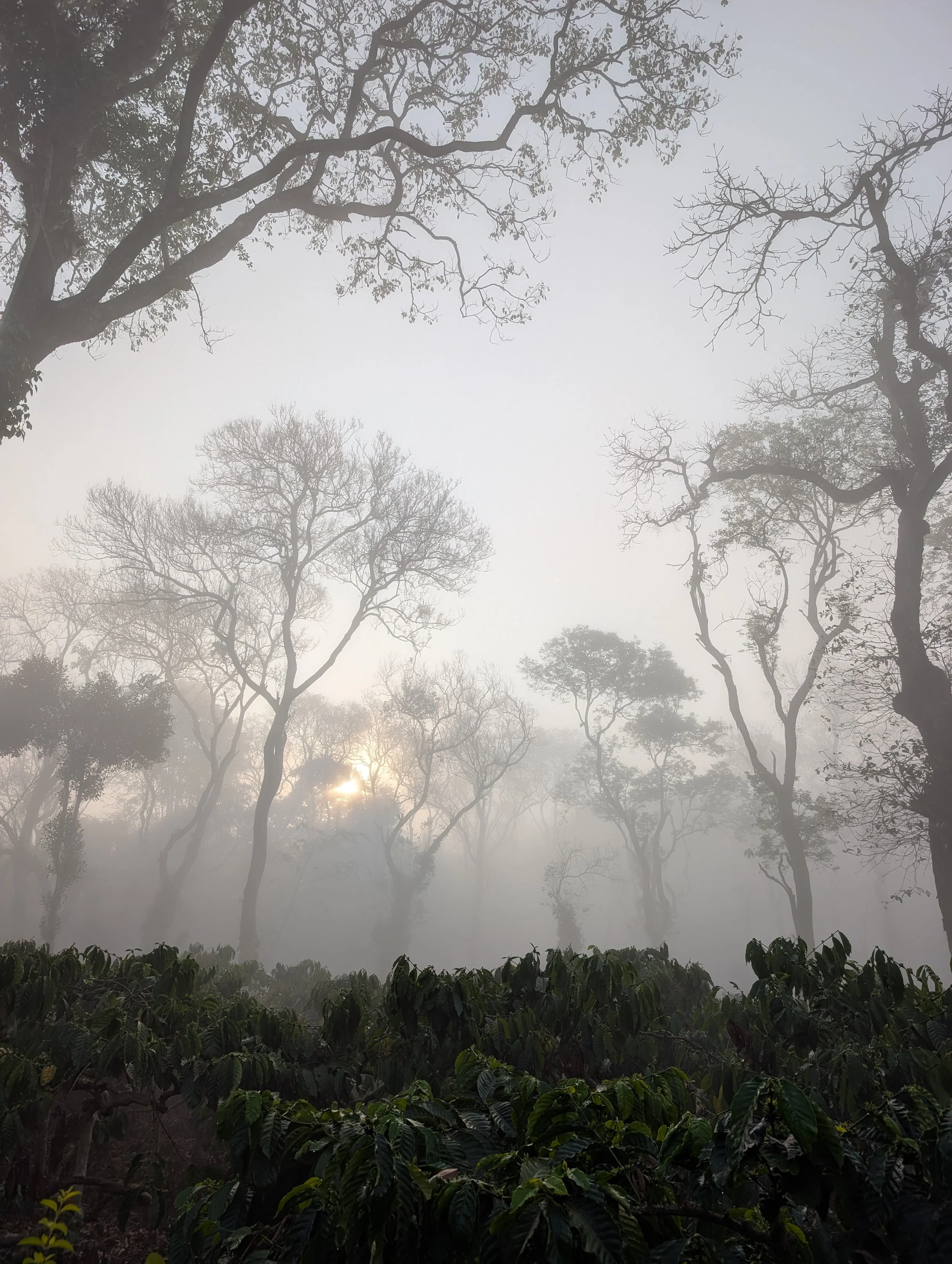
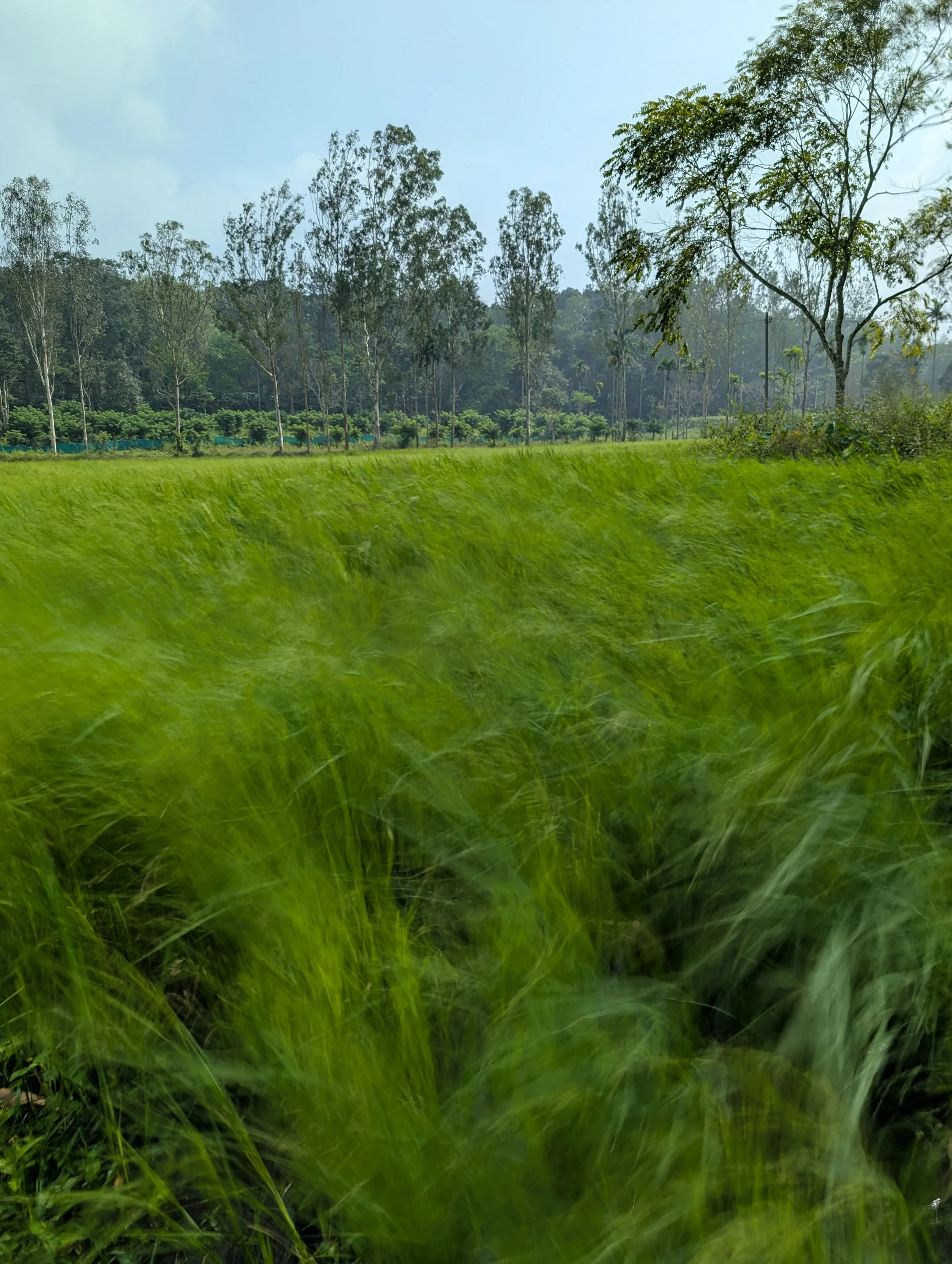
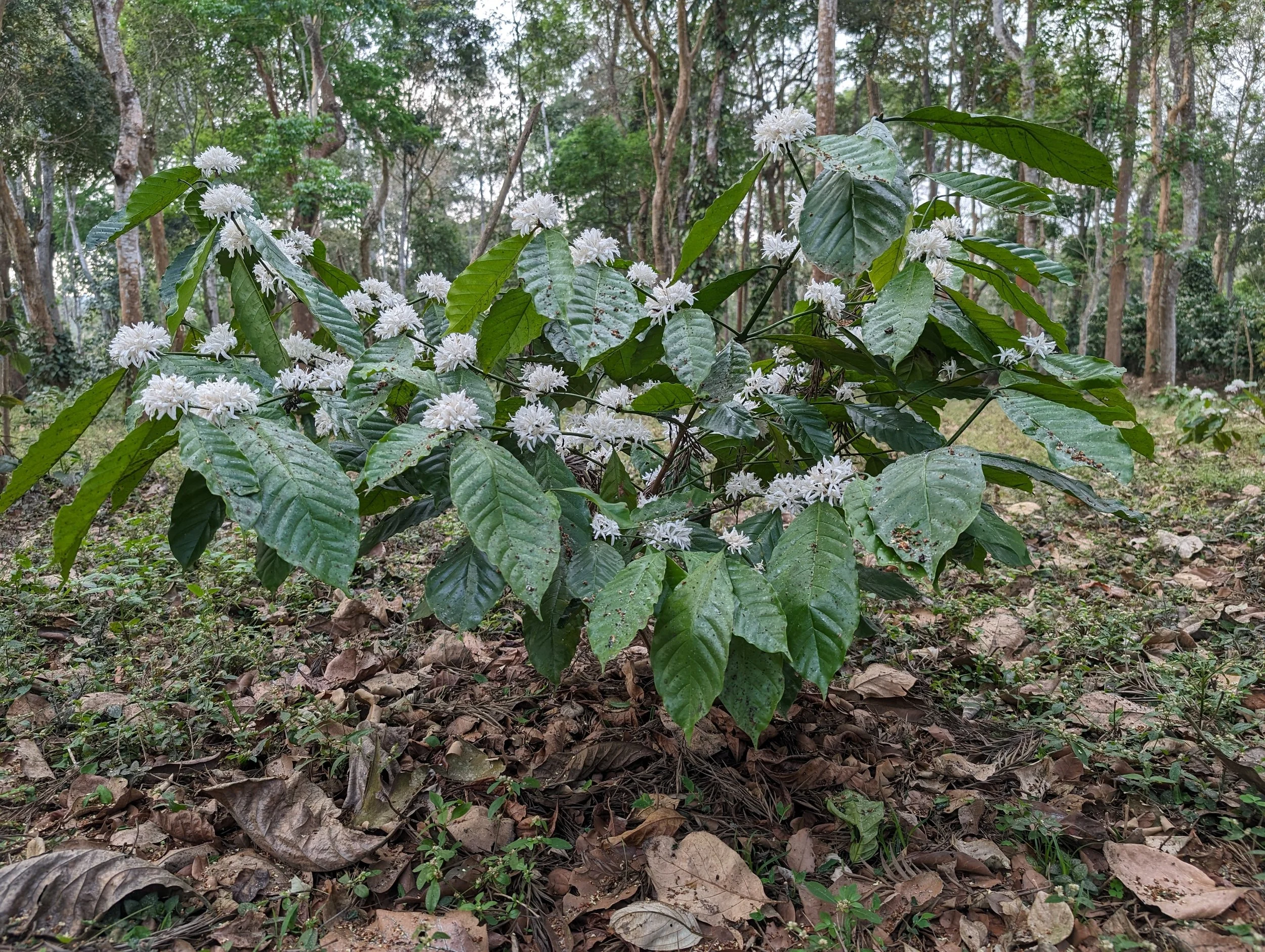
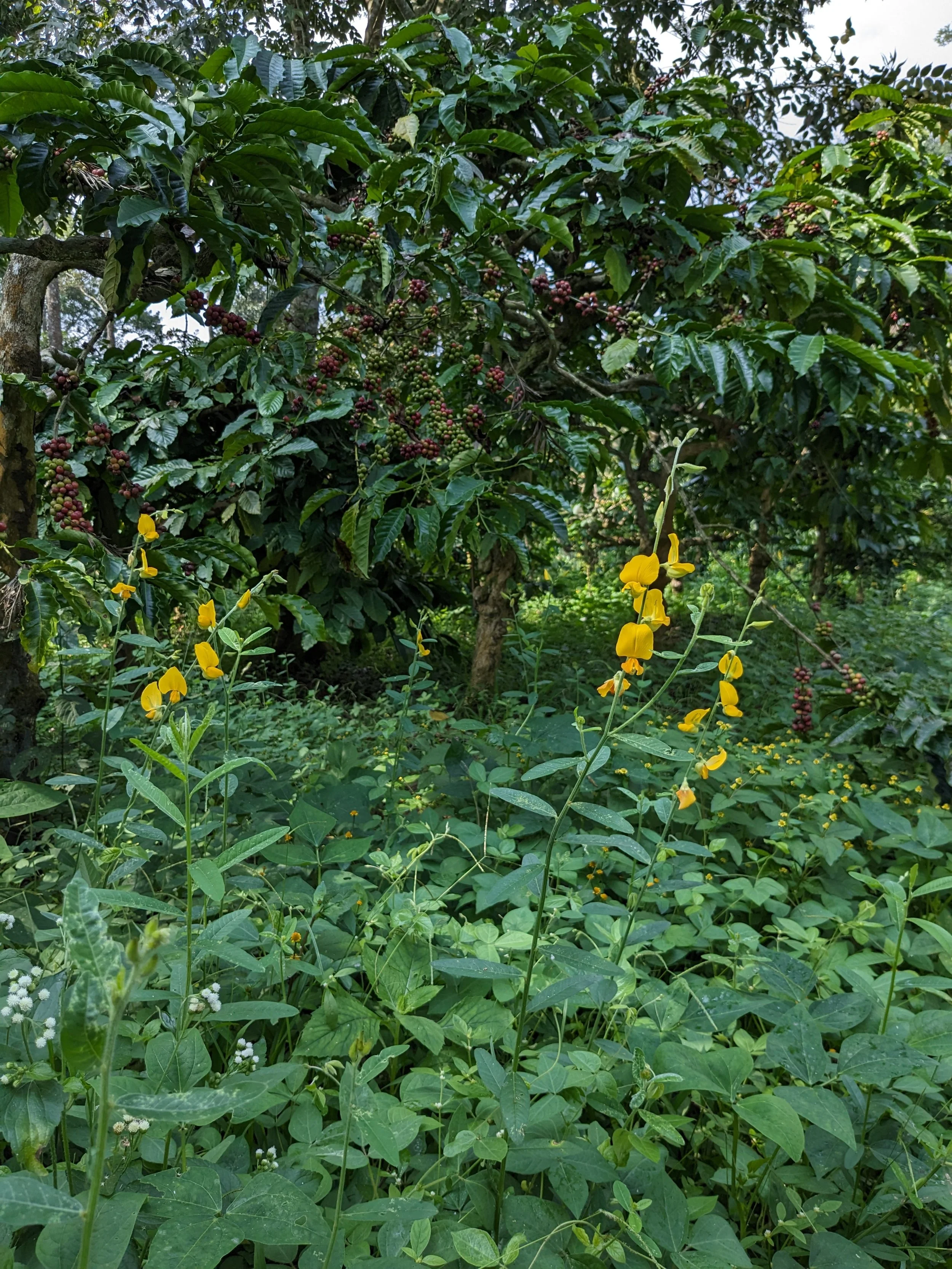
Nestled in the foothills of the Western Ghats, Craigmore Tinyspot is a family-run coffee plantation located in the rolling hills of Coorg, Karnataka. With three generations of farming experience, the estate is committed to producing sustainable coffee grown under the heavy natural shade of native jungle trees found in the Western Ghats.
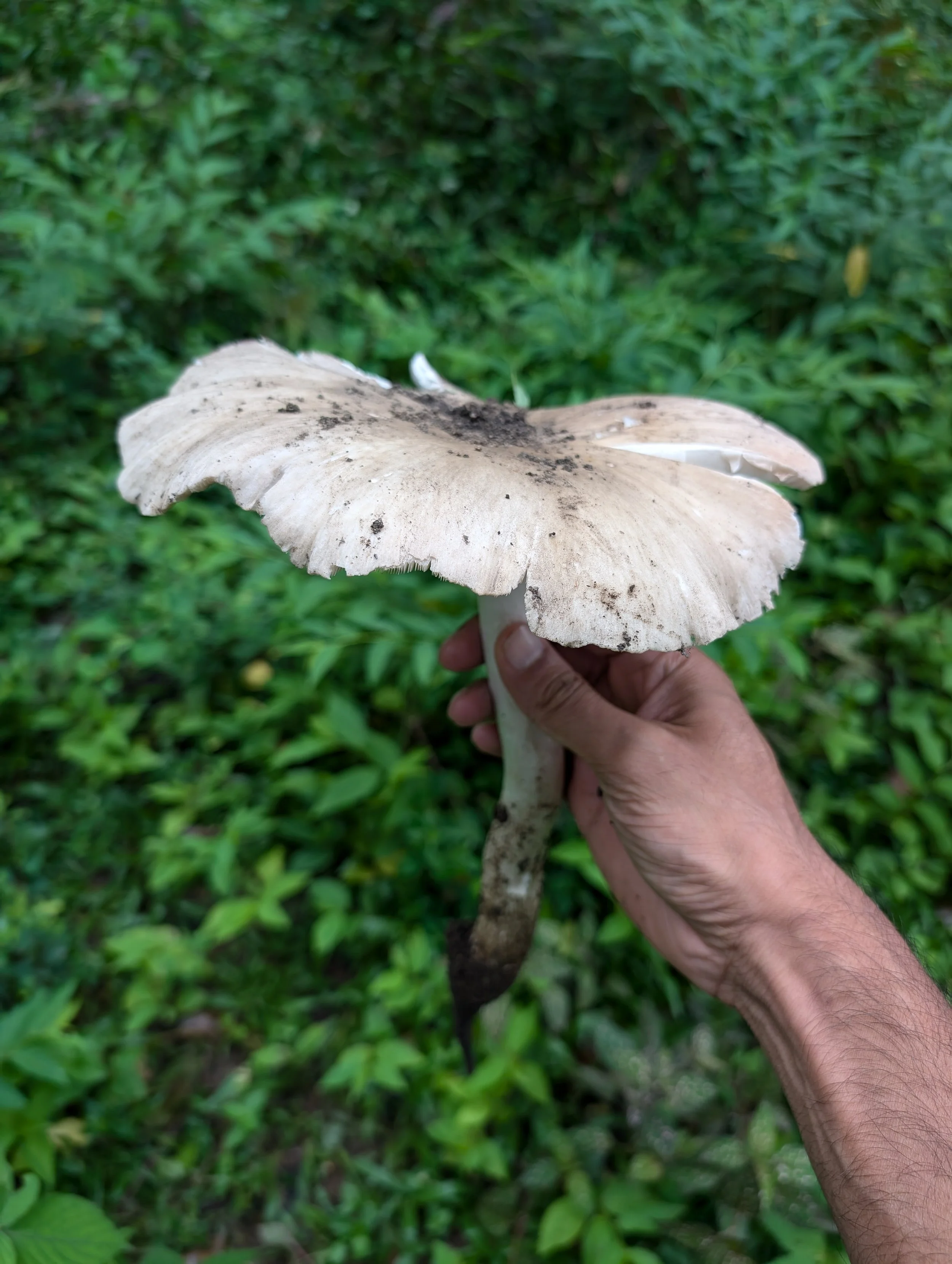
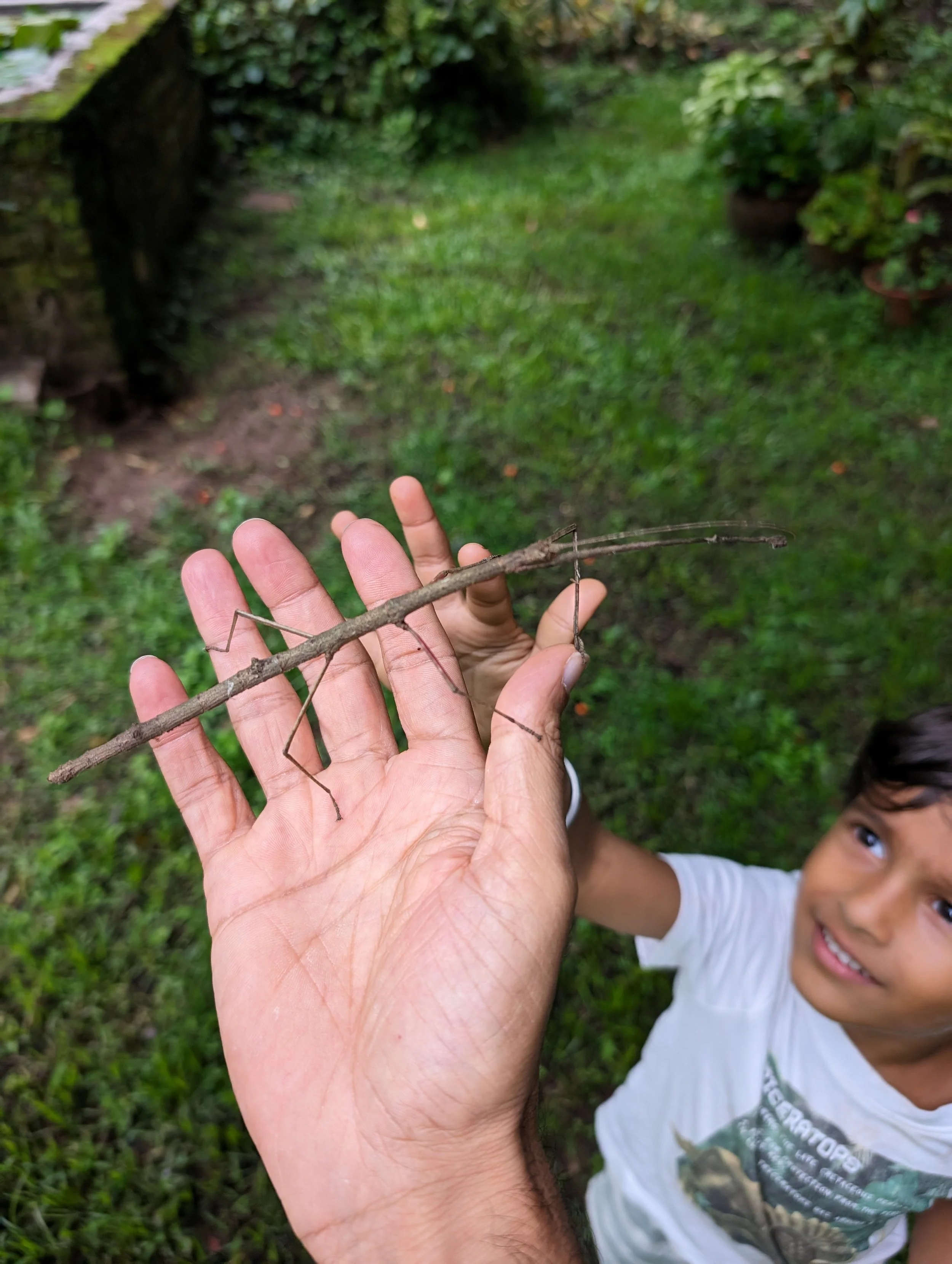
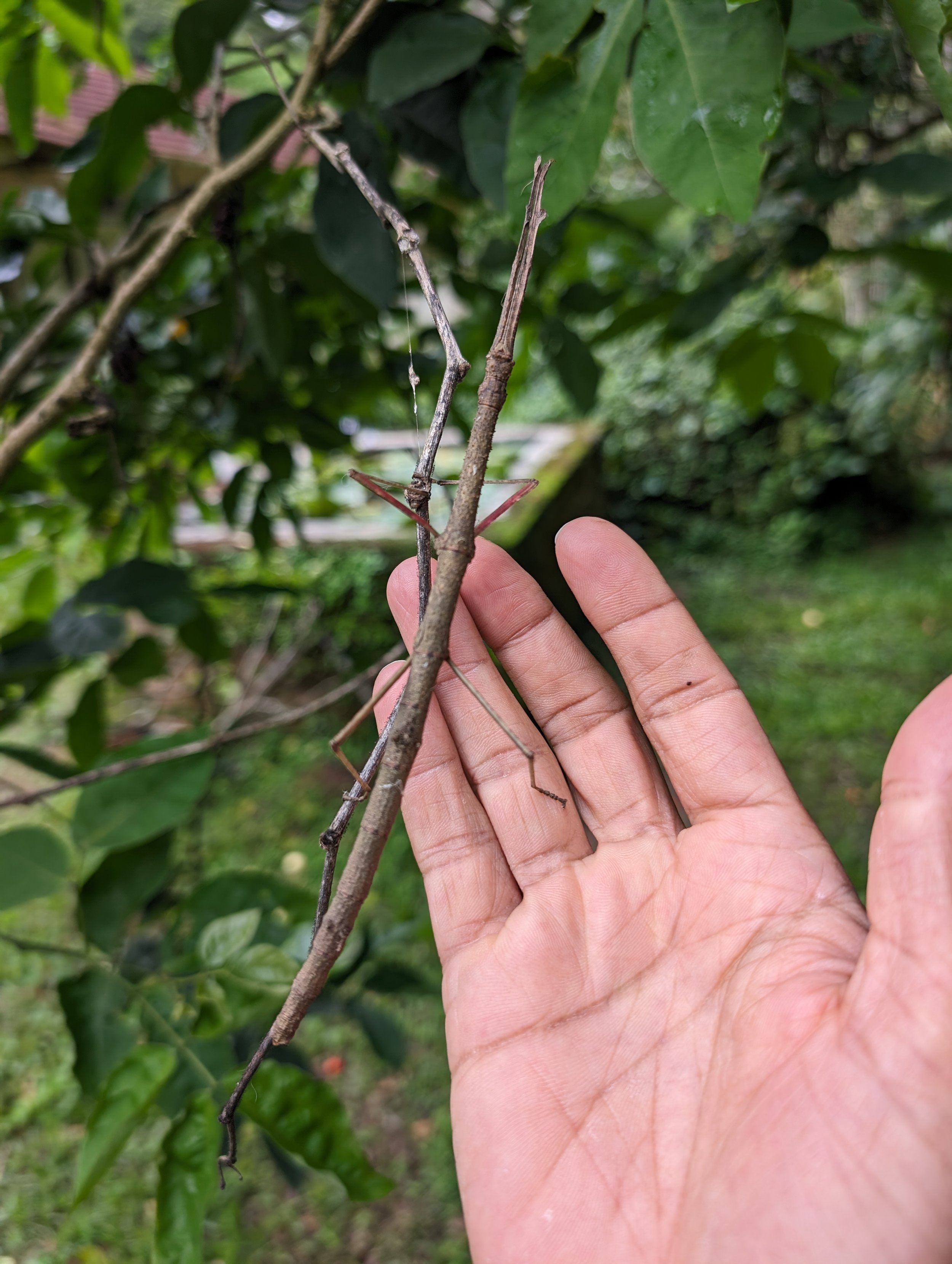
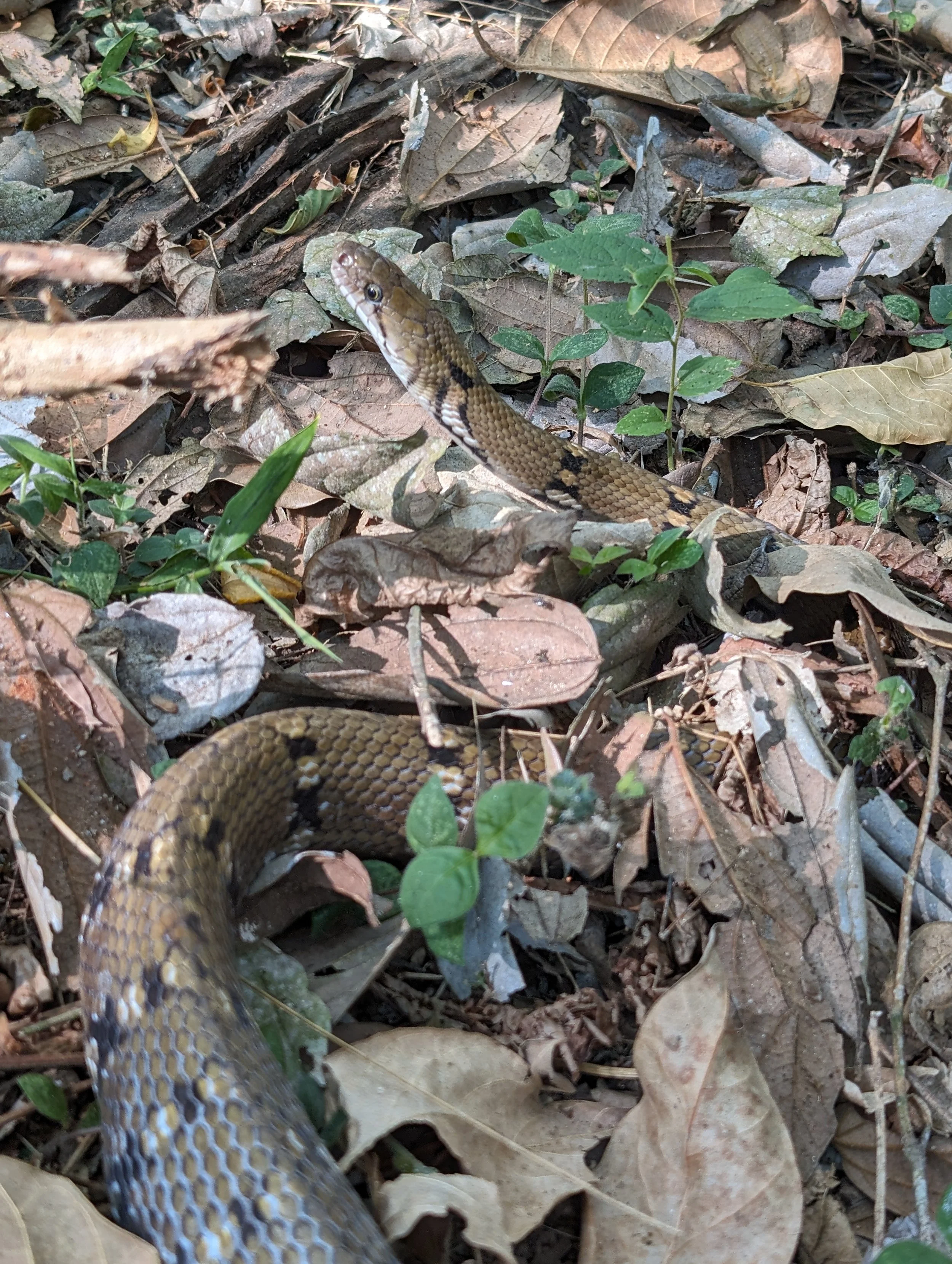
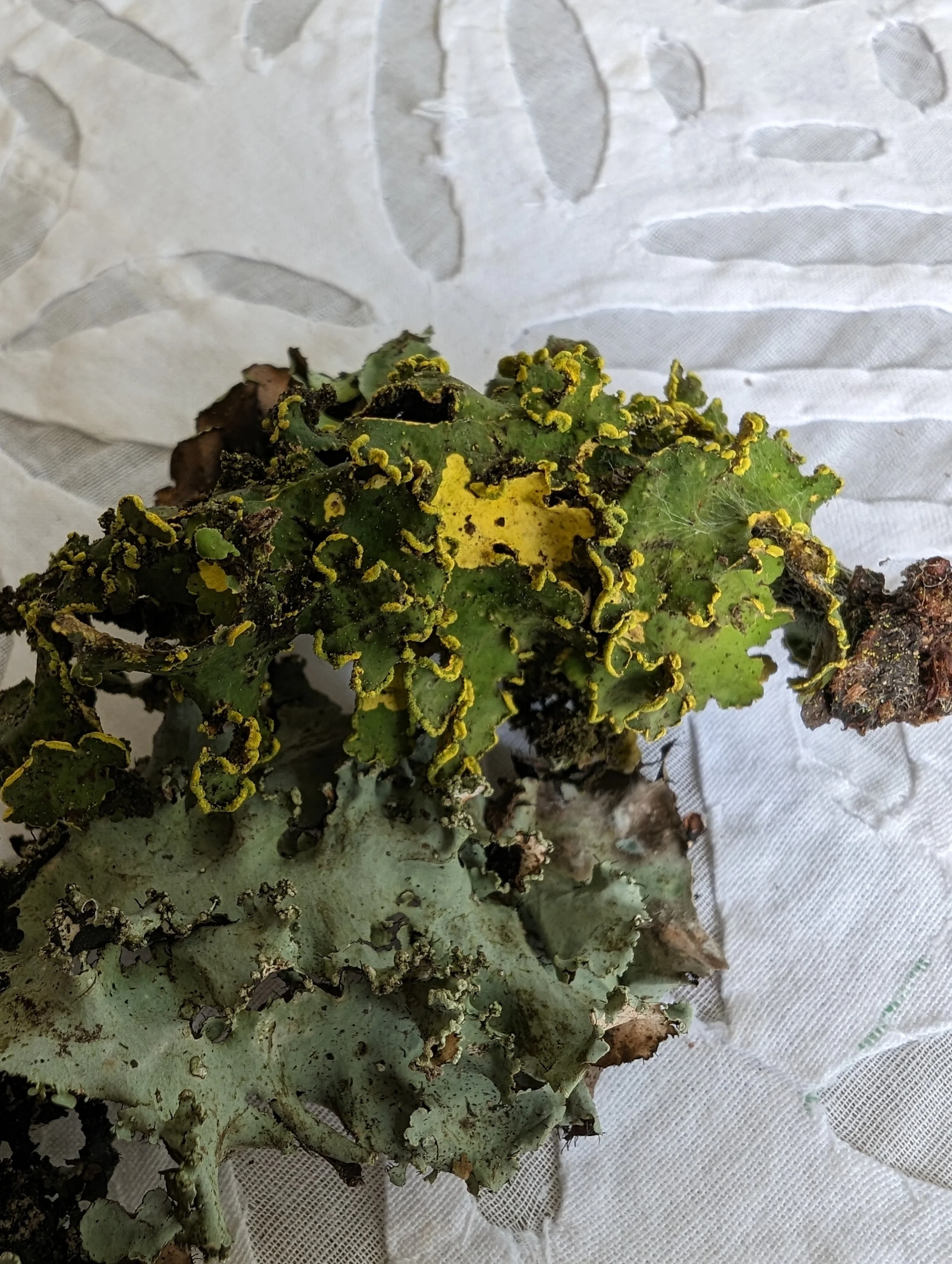
The biodiversity on the farm is a testament to these sustainable practices. The estate is home to over 135 recorded species of birds, along with a wide range of insects, wild elephants, civet cats, Malabar squirrels, wild boars, spotted deer, and the occasional wild cat.
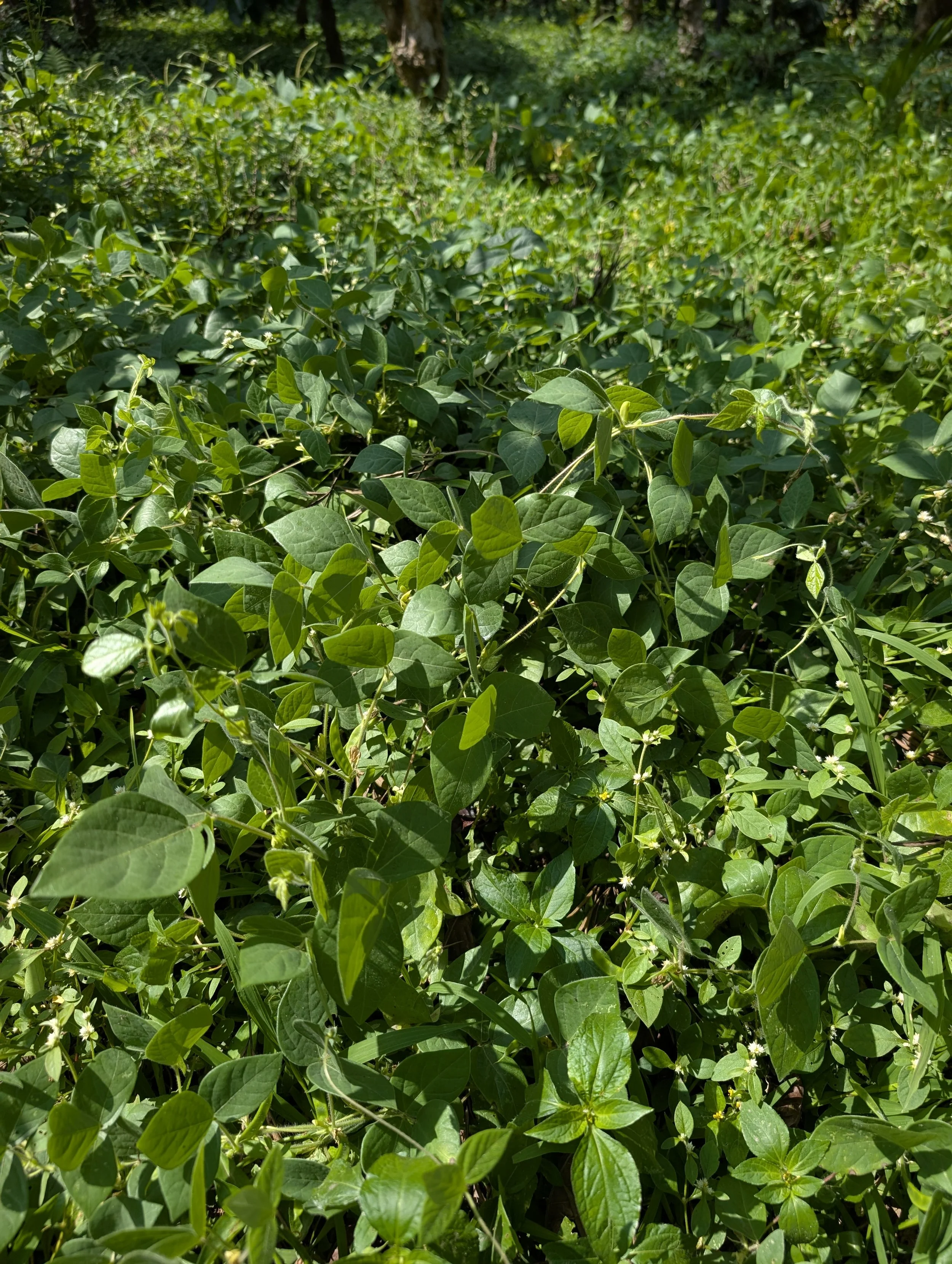
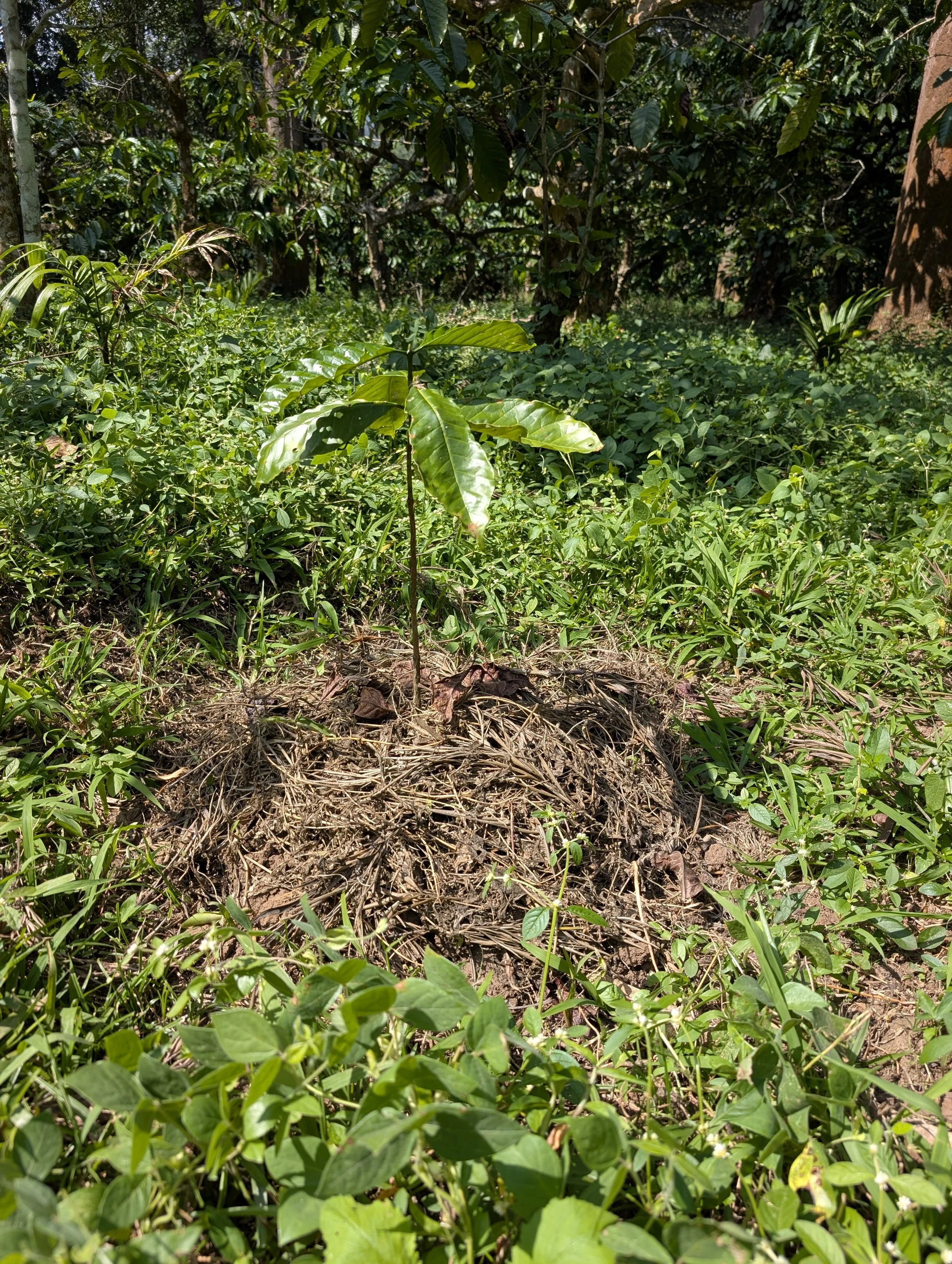
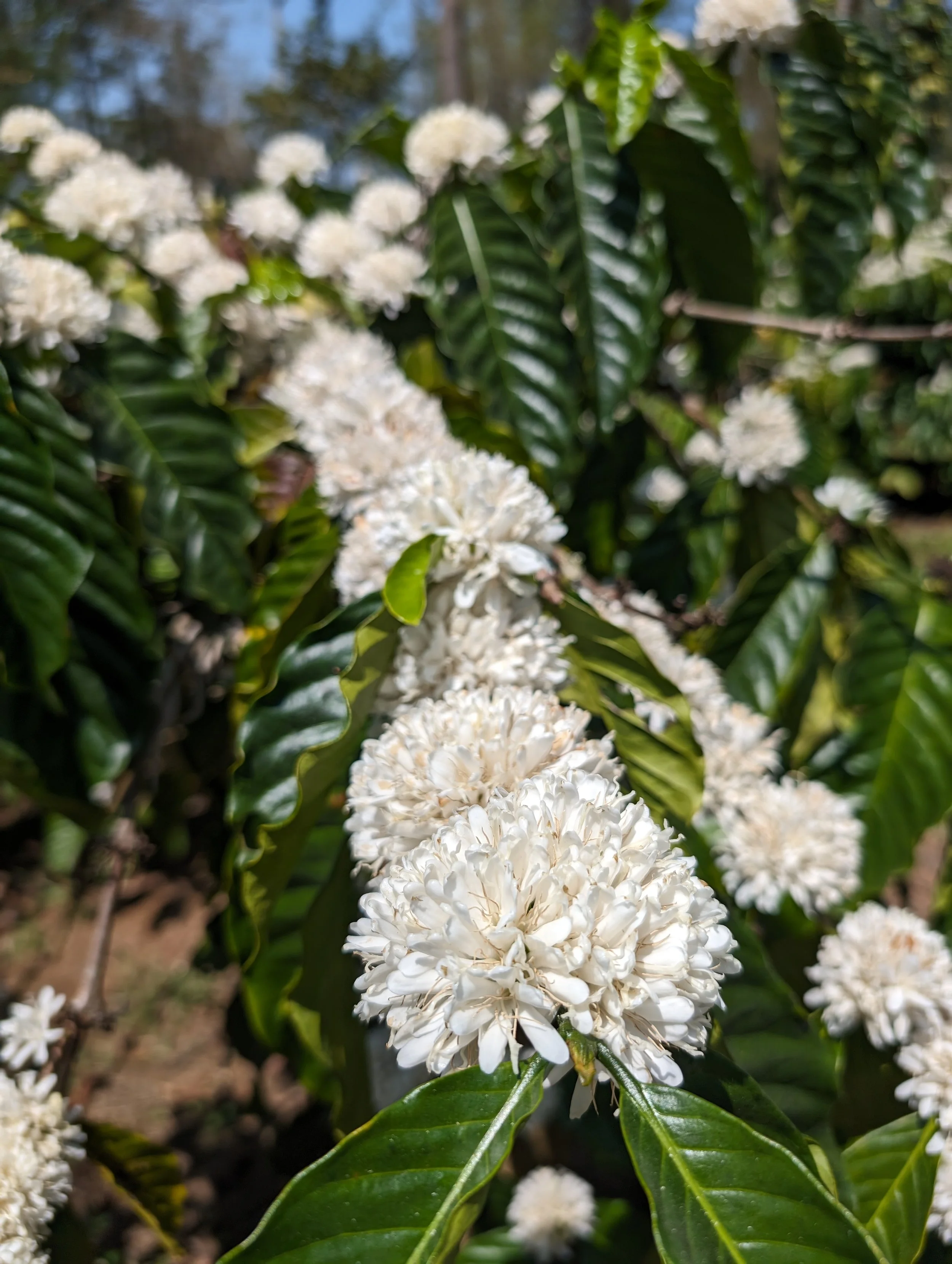
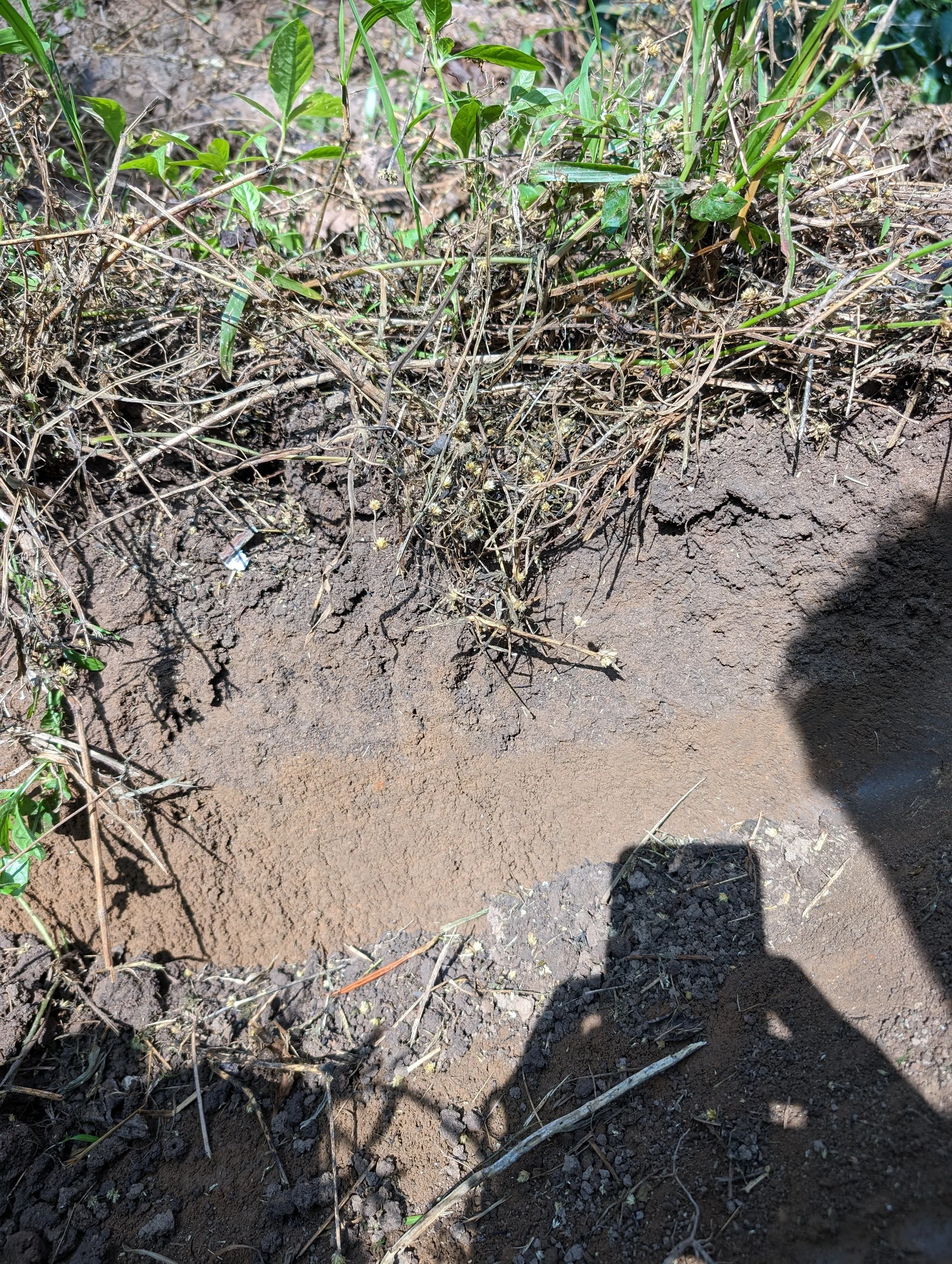
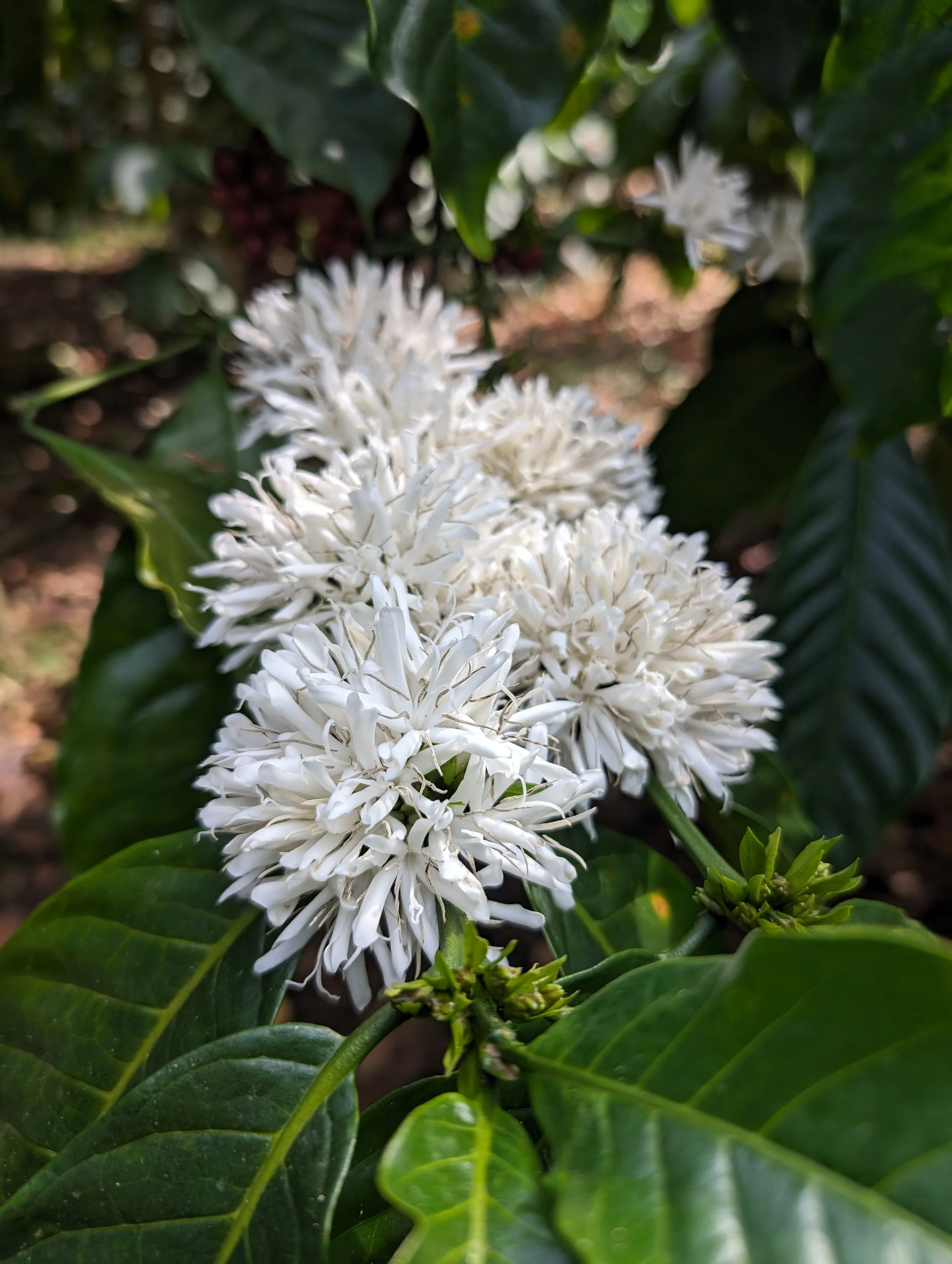
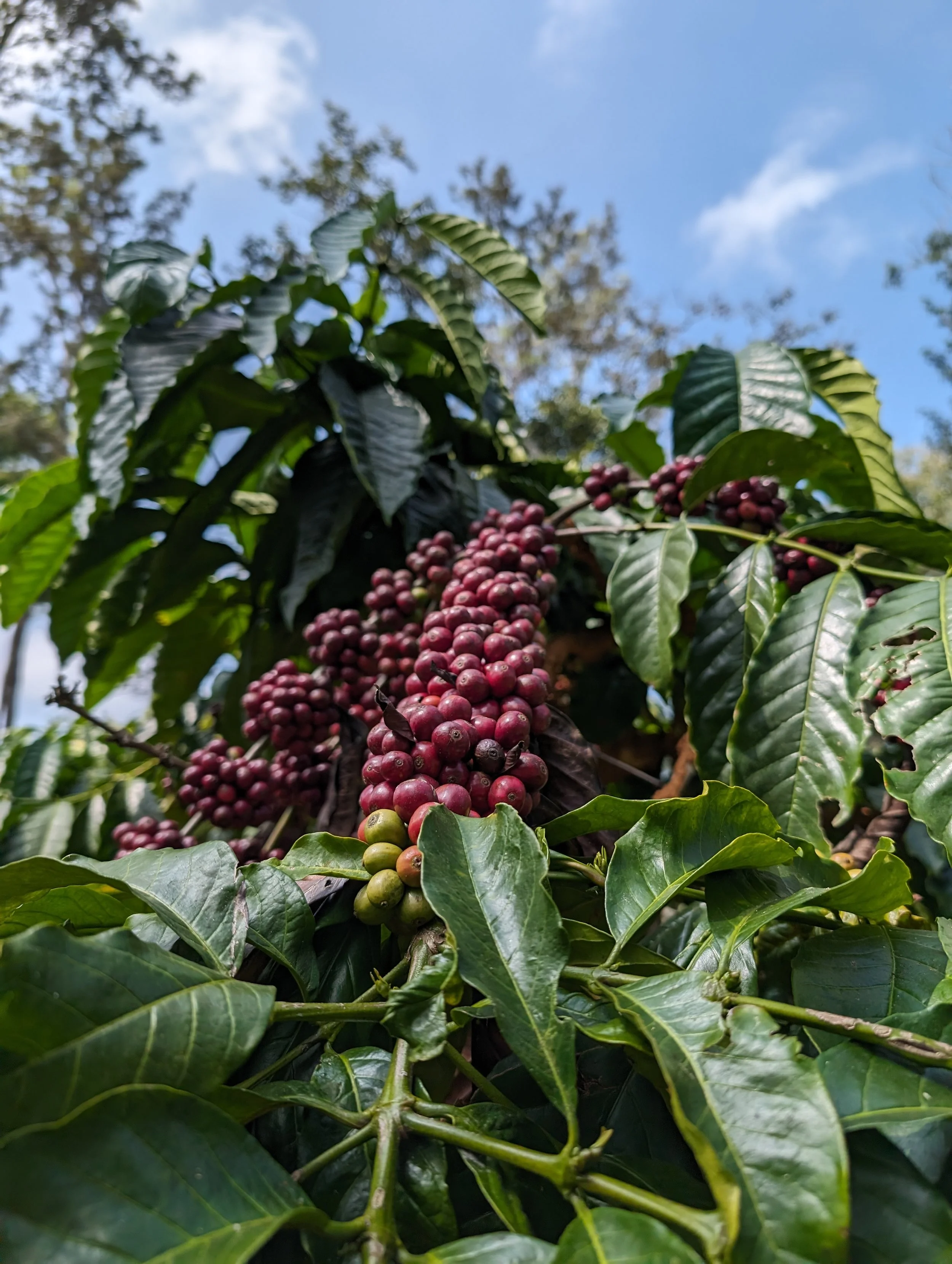
Robusta coffees at Craigmore Tinyspot are grown at an elevation of 1,000 meters, with an average annual rainfall of around 60 inches. The entire estate is completely free from pesticides, herbicides, and weedicides. Over recent years, the farm has transitioned toward regenerative agricultural practices, focusing on protecting soil health and increasing carbon sequestration. This approach fosters beneficial bacteria and fungi in the soil, which are essential for sustaining plant health and long-term productivity.
CULTIVARS
robusta - Old Peridinia
elevation
1,000 meters
NOTABLE
Bharath follows in his mother’s footsteps who adopted biodynamic farming more than twenty years ago, but has since updated those methods to fit his reality. A shortage of labour especially has forced him to research new and more efficient regenerative methods that are still in line with his philosophy.
PROCESSING
-
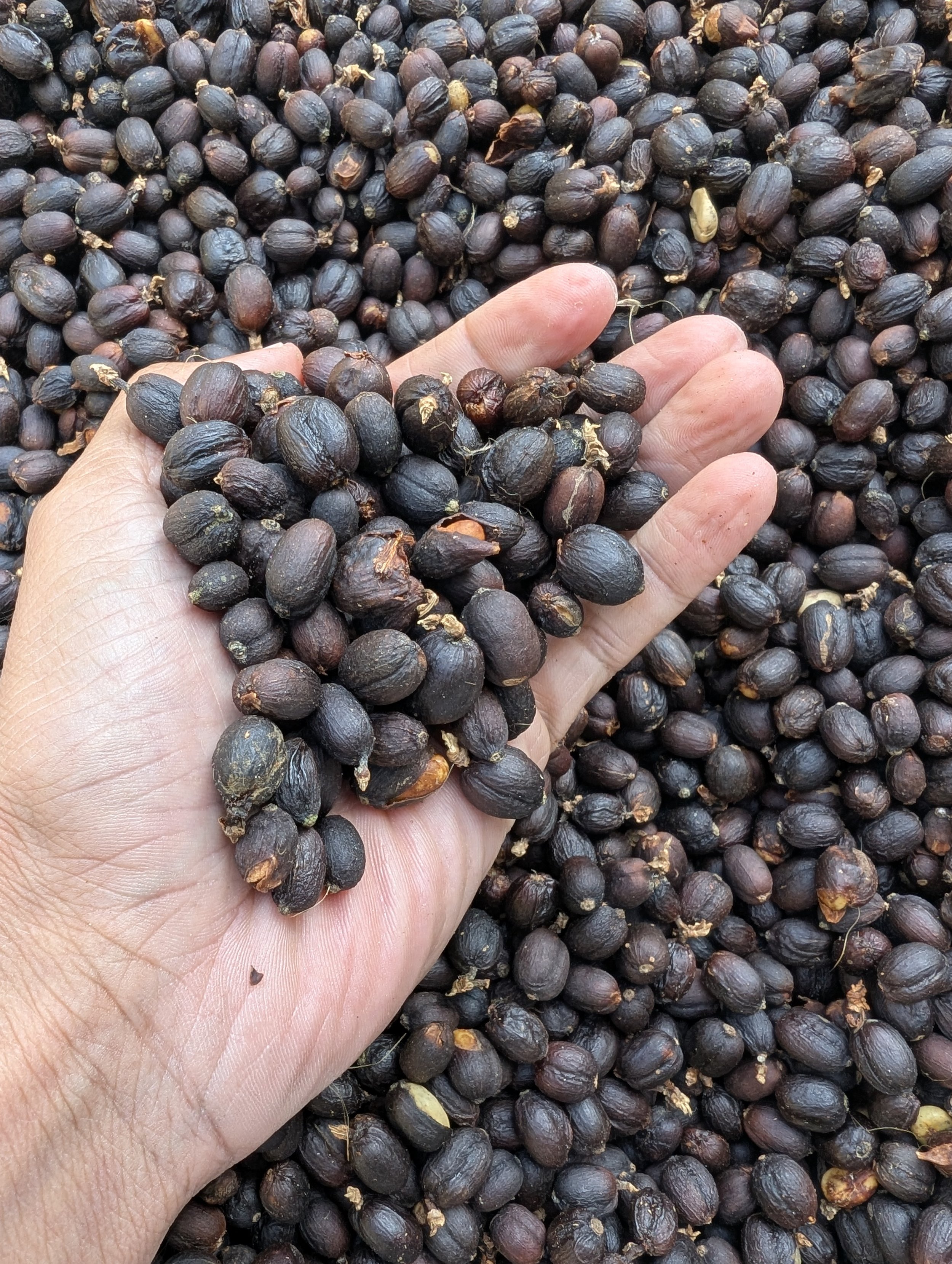
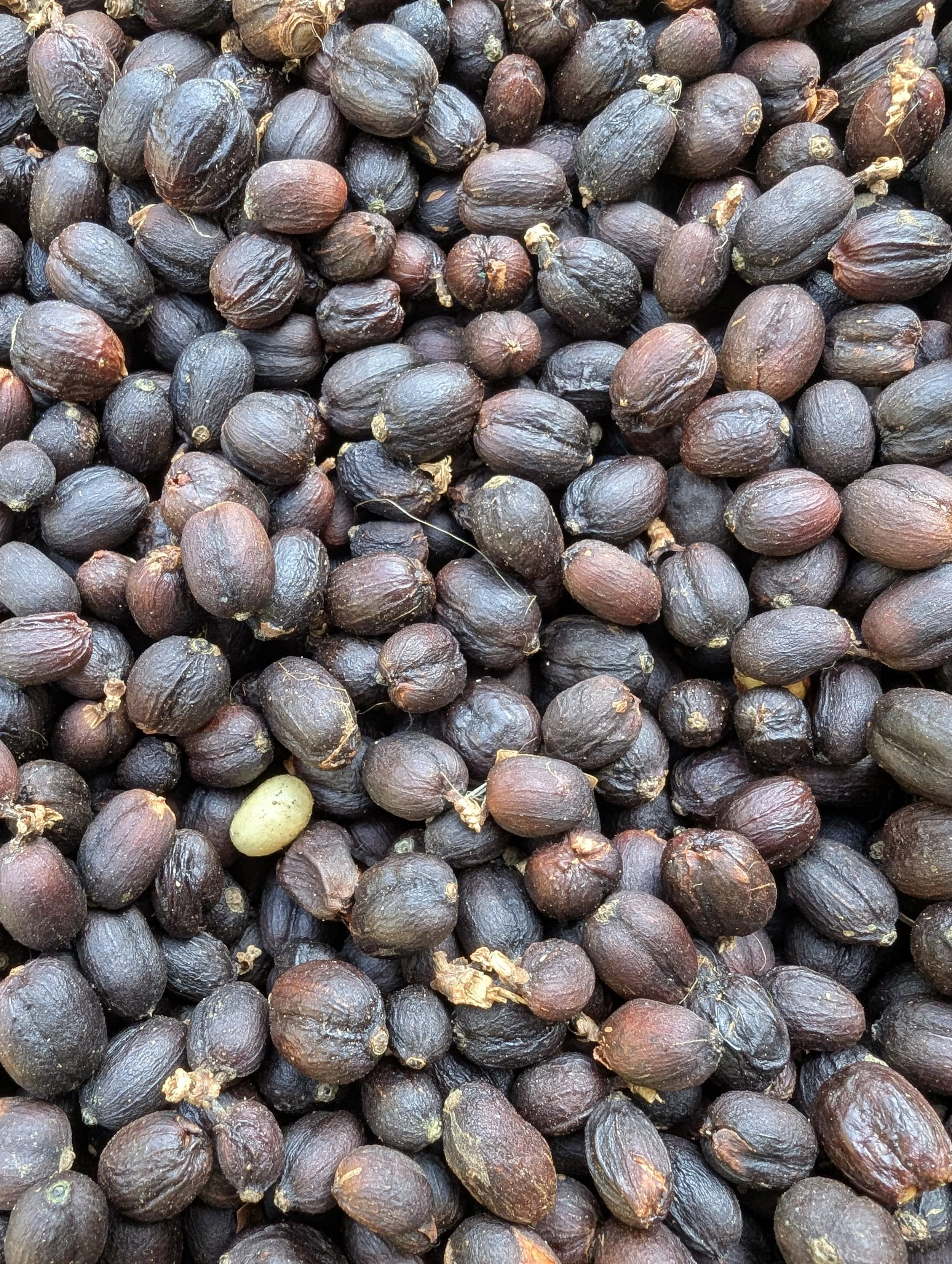
Only ripe Robusta cherries are hand-picked at peak maturity. Selective harvesting ensures optimal sugar content, which is crucial for clean fermentation and balanced flavors.
Technical note: Manual harvesting ensures uniform ripeness, reducing harsh bitterness and supporting sweeter, rounder flavors.
-
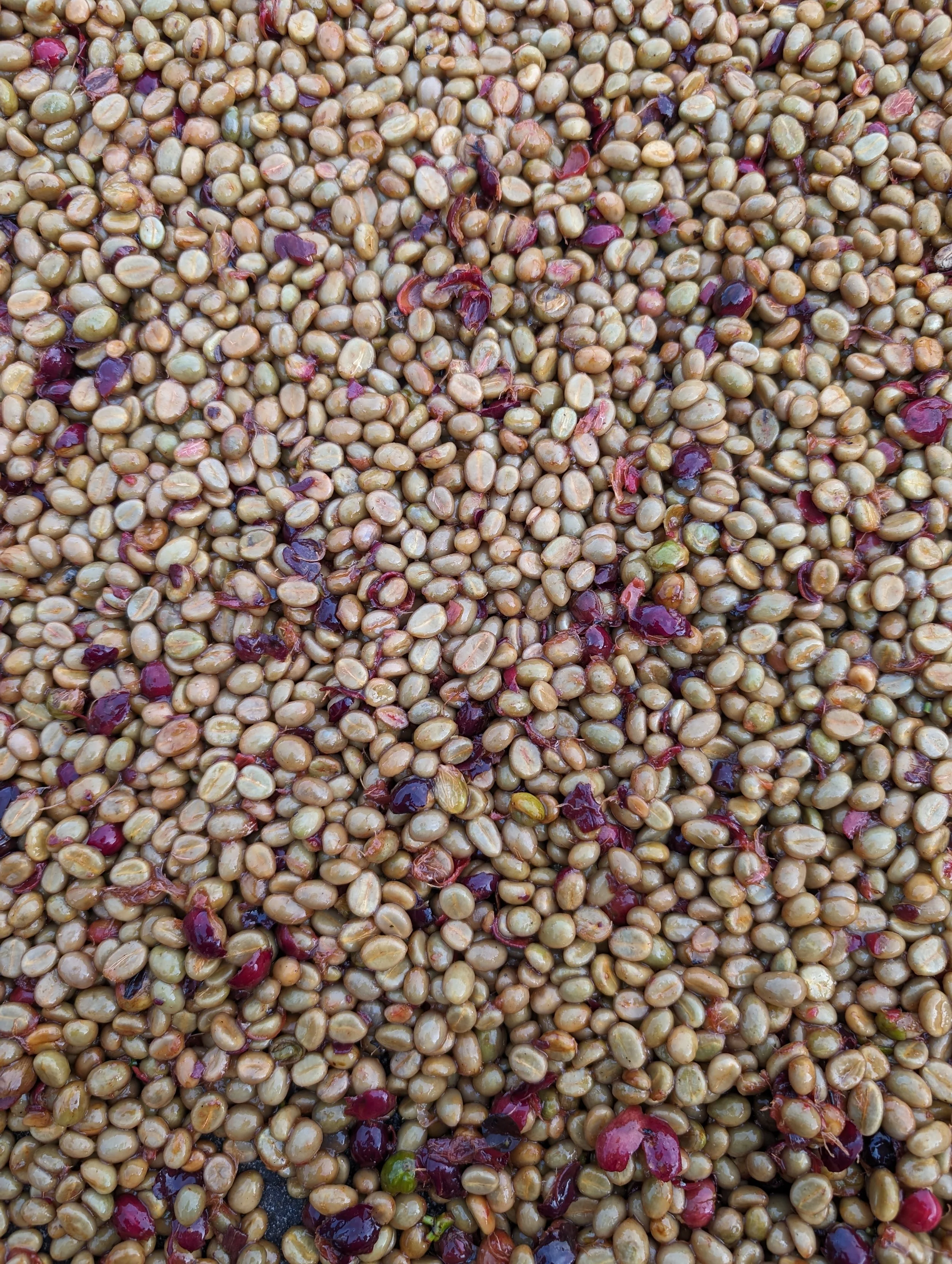
After harvesting, the cherries undergo anaerobic fermentation in open tanks.. This fermentation allows naturally occurring microbes to work slowly, enhancing sweetness and complexity without introducing harsh or over-fermented notes.
Technical note: Anaerobic fermentation helps soften Robusta’s intensity while developing deeper chocolatey, fruity, and caramel-like characteristics, resulting in improved mouthfeel and balance
-
Following fermentation, the cherries are mechanically depulped to remove the outer skin, leaving the beans coated with mucilage.
Technical note: Prompt depulping after fermentation helps preserve clarity and prevents unwanted microbial activity, which is especially important for maintaining a clean Robusta profile.
-
The mucilage-coated beans are thoroughly washed in clean water to remove residual sugars and fermentation by-products.
Technical note: Washing prevents over-fermentation and creates a cleaner, more stable cup, allowing chocolate, nut, and caramel notes to shine.
-
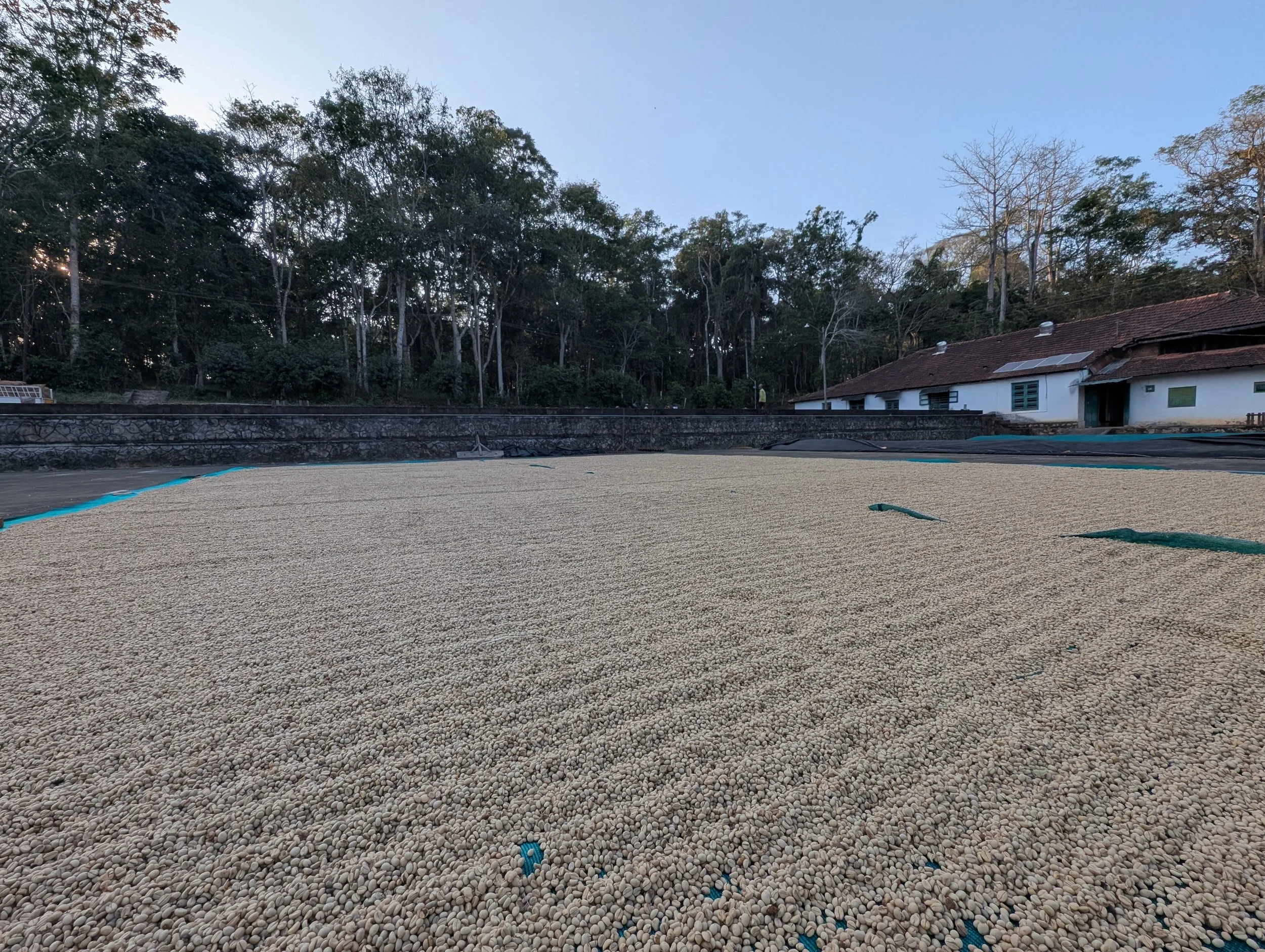
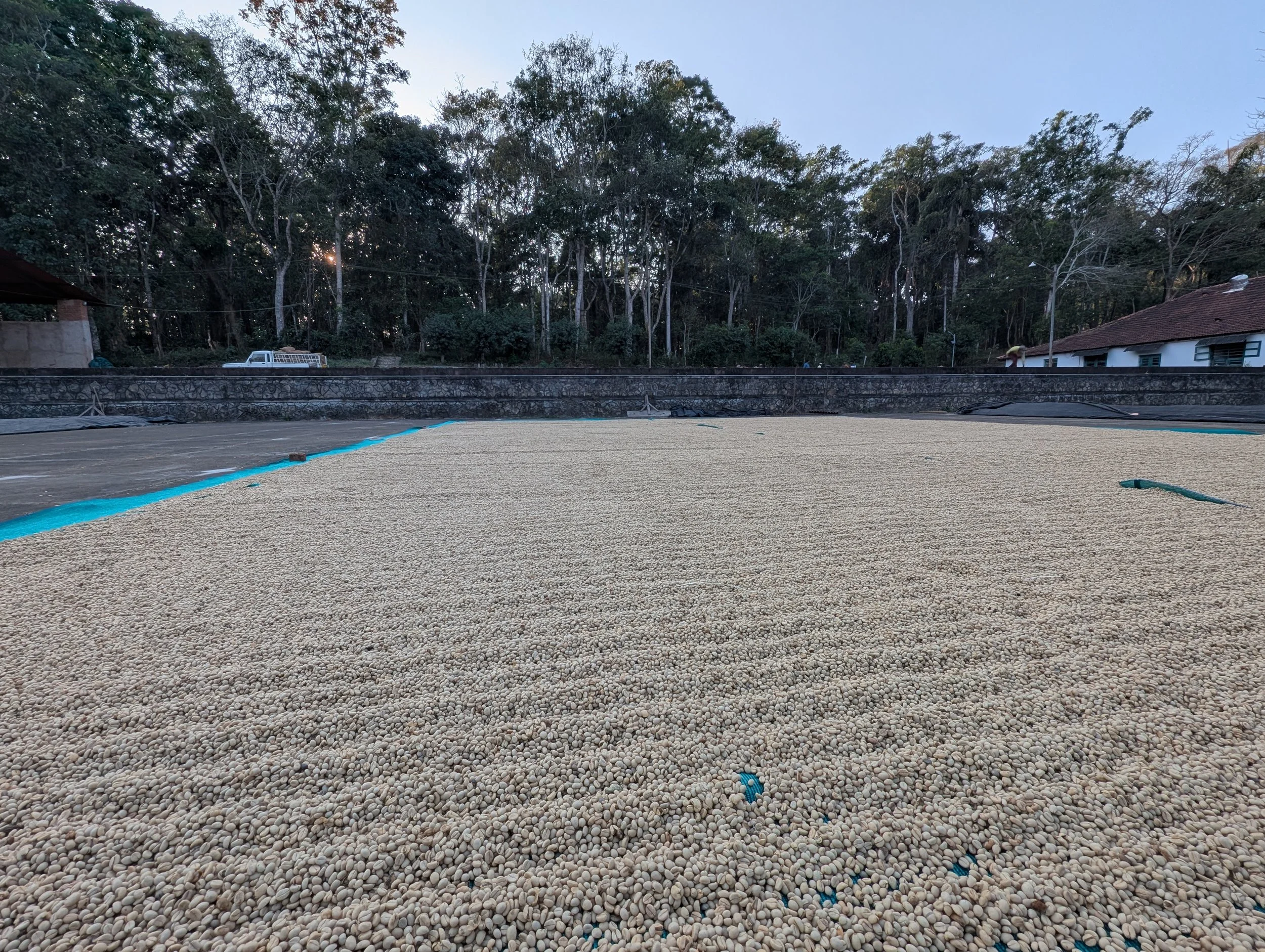
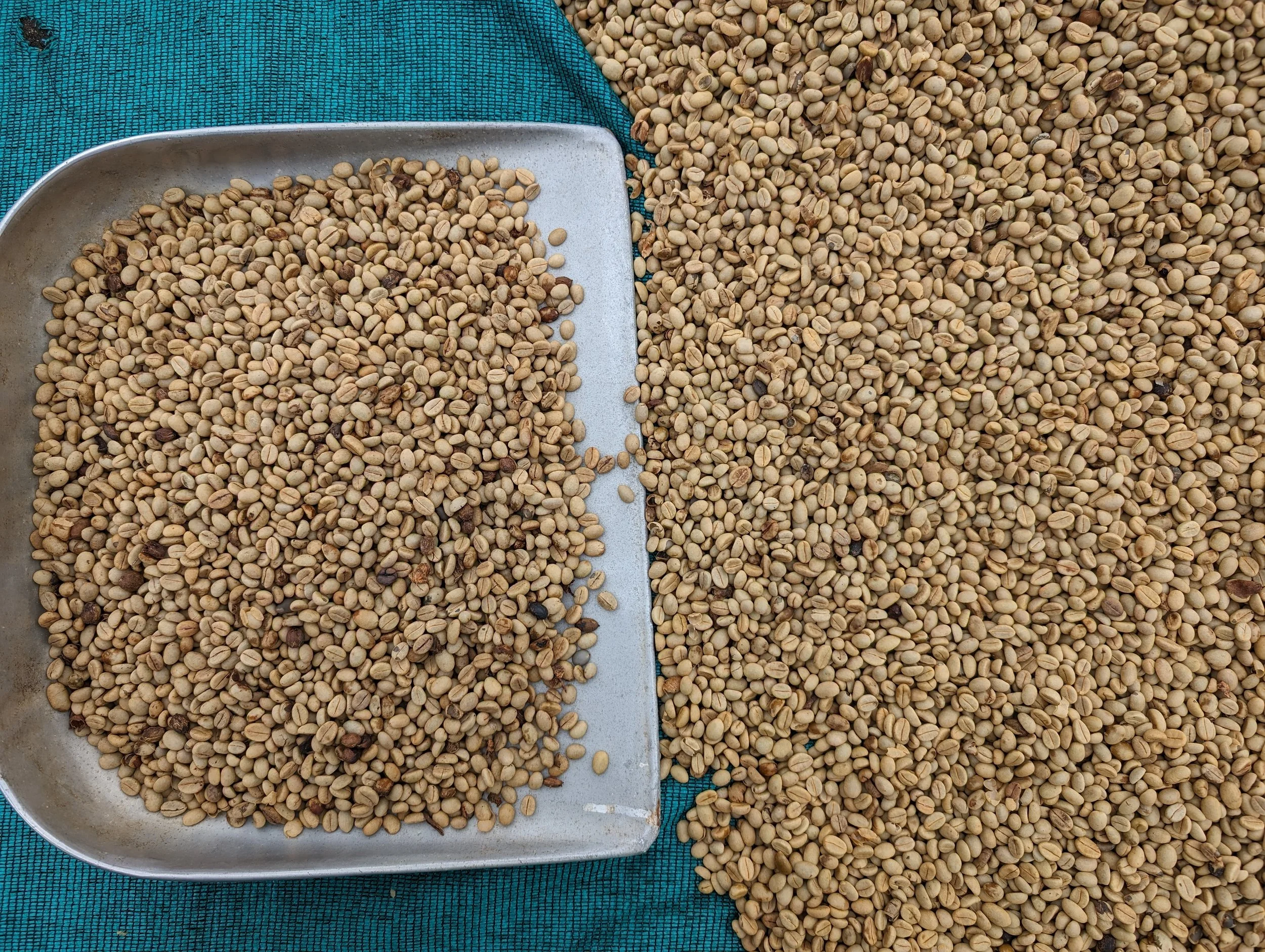
The washed beans are spread in thin layers on drying patios and sun-dried over several days, with frequent turning to ensure even moisture reduction.
Technical note: Controlled patio drying to 11–12% moisture preserves quality, prevents mold development, and enhances body and sweetness.
-
Throughout the drying phase, the beans are turned regularly to avoid moisture pockets and overheating.
Technical note: Consistent turning is essential for Robusta, as uneven drying can lead to musty flavors and reduced sweetness.
-
The beans are closely monitored until they reach a stable moisture level of 11–12%.
Technical note: This range ensures safe storage and transport while locking in clean, sweet flavors and reducing astringency.
-
Once dried, the parchment coffee is packed into jute bags and stored in a cool, dry environment for 6–8 weeks.
Technical note: This resting period, known as reposo, allows moisture to equalise within the beans, improving roast consistency and deepening flavor complexity.
-
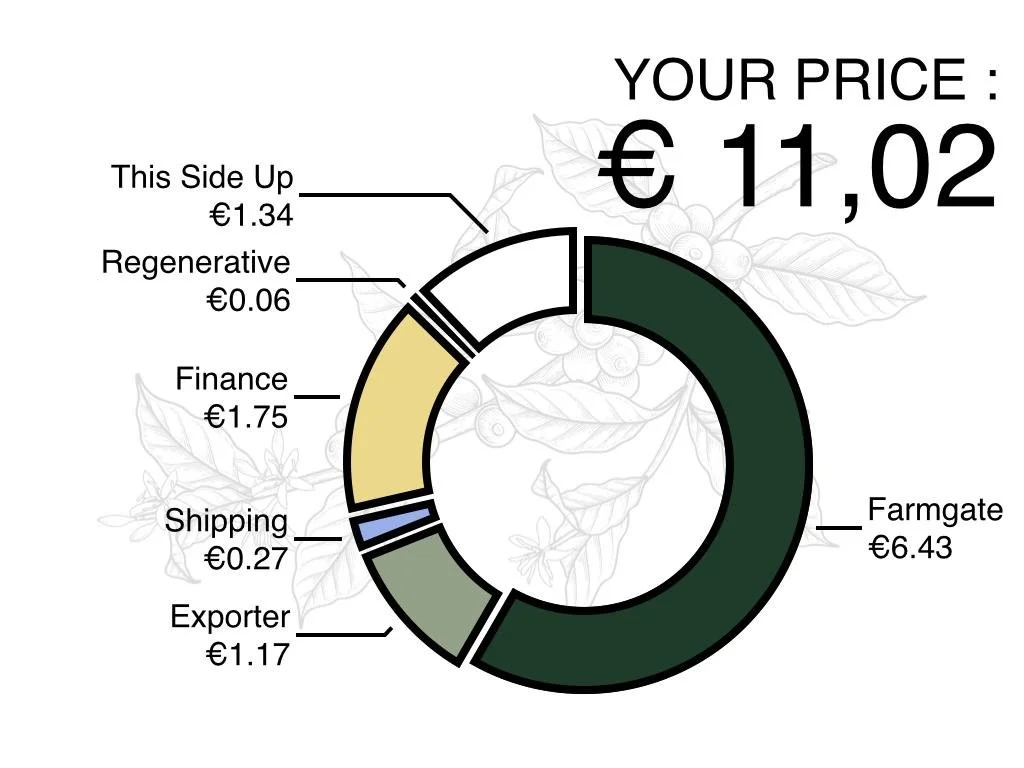
The price you pay for Craigmore Robusta coffee p/kg. We agreed on this price directly with the farmers, disregarding the volatile US Coffee C price.
-
The cost of the coffee at farm level to produce a kilogram of Robusta. It includes labor, inputs and profits.
-
This includes the exporting cost, SICC margin for their services and CIF costs including customs, insurance and freight.
-
Item description
-
Average financing cost owed to (mostly social) lenders. This ensures immediate payment to the farmers when the coffee leaves the farm or port. This also includes storage, surcharge, risk fees until the coffees can be fully sold out as well as the profit per Kg for TSU which is about €0,10 for this coffee.
-
A standard TSU premium on all coffees designated exclusively to accelerate farmers’ own regenerative agriculture project.A suitable regenerative project for the SICC network is currently being planned. Read more about the other regenerative projects done by TSU partners here.
-
This Side Up compensation for spending time and resources importing this coffee. Our work includes year-round contact with producers, managing export, shipping, import, warehousing, grading, sampling, finding and keeping roasting partners for Bharath € 1,34 is This Side Up’s Model 1 markup. For a full overview of our modular margin construction, see the Trade Models page
Photo gallery
You may use these images freely to promote Bharath’s coffee amongst your customers.