Change begins at home
Amsterdam. It’s where This Side Up originated, where the whole team met each other, where we cup our coffees - in short, it’s our hometown.
When the municipality of Amsterdam put out a tender for their coffee supply, we simply had to participate. Across 179 buildings throughout the city, it’s where where all local government officials drink their coffee, where we pick up our passports, read books at the library, register our babies and marriages…
Amsterdam put out an ambitious tender. The city council and even the mayor got involved. The bar was high: they wanted to pay the real price that coffee costs. No labels, but traceability. No window dressing, but real impact. They wanted local entrepreneurs from within the city - and last but not least: not cheap, but good. Good for people and planet.
It’s not often we’re challenged in our sustainability claims. It’s not often we have to show our real selves in a truer way than we ever have, to really showcase what we stand for and who we are. But this is what Amsterdam does to you. It's bold, brings out discussions, and wants you to show yourself in your true colours. And change always begins at home!


BENCHMARK
We don’t like the standard impact methodologies and certifications. Not because we like to simply rebel. It’s because it’s top-down, and the goals are often decided far away. As This Side Up, we don’t want to dictate from Amsterdam what a farmer in Brazil, Indonesia or Rwanda should be doing. It’s their farm, their life. If we want to offer help, we should do it together.
We understand, however, the anxiety that comes with moving away from benchmarks like Fairtrade or Living Income references. These frameworks often act as substitutes for trust when relationships lack depth. For someone in Amsterdam, it’s not easy to know a farmer in Rwanda—and vice versa. Benchmarks offer reassurance.
Instead of trying to model every reality, we embrace the complexity of coffee. Each context is treated as unique, receiving the time, attention, and care it deserves. Sometimes we can help solve problems; other times, we stand alongside as they are worked through.
At the same time, we recognise a practical truth: as an importing company, our work must remain comparable within the industry. Buyers need reference points. Rather than relying solely on external benchmarks, we open up our work. We show how prices are built, how decisions are made, and the realities behind them. We make relationships, trade-offs, and uncertainties visible. This allows for a different kind of comparison—one rooted in context, consistency, and integrity over time. This report serves as the documentation of exactly this.
AMSTERDAM MUNICIPALITY GOALS
In the official tender documents we read:
The ingredients for coffee meet at least the minimum standards listed below. Compliance with this can be demonstrated, among other things, by providing certification for a quality mark, or by substantiating that the products and services meet the requirements.
Coverage of costs for socially and environmentally friendly production – Products are purchased from producer organizations at least at a fixed minimum price (guaranteed price covering costs for socially and environmentally friendly production). If the world market price exceeds the minimum price (guaranteed price), the world market price is paid to the producer organization;
Investing in development – Producer organizations receive an additional fixed and non-negotiable premium, enabling them to invest in further development and deciding for themselves how it is spent;
Pre-financing – If desired, the producer organizations can receive a percentage of the sales price of their product prior to shipment, allowing them to make necessary investments.
The Municipality of Amsterdam attaches great value to a sustainable and fair product. Therefore, award criterion 2 explicitly requests an ambitious plan of action. As a minimum requirement, we demand a number of standards.
Impact starts with money. Later, that money reflects into social and environmental impacts. So let us start at the beginning.
How we set the price (Leading question : Do we pay enough?)
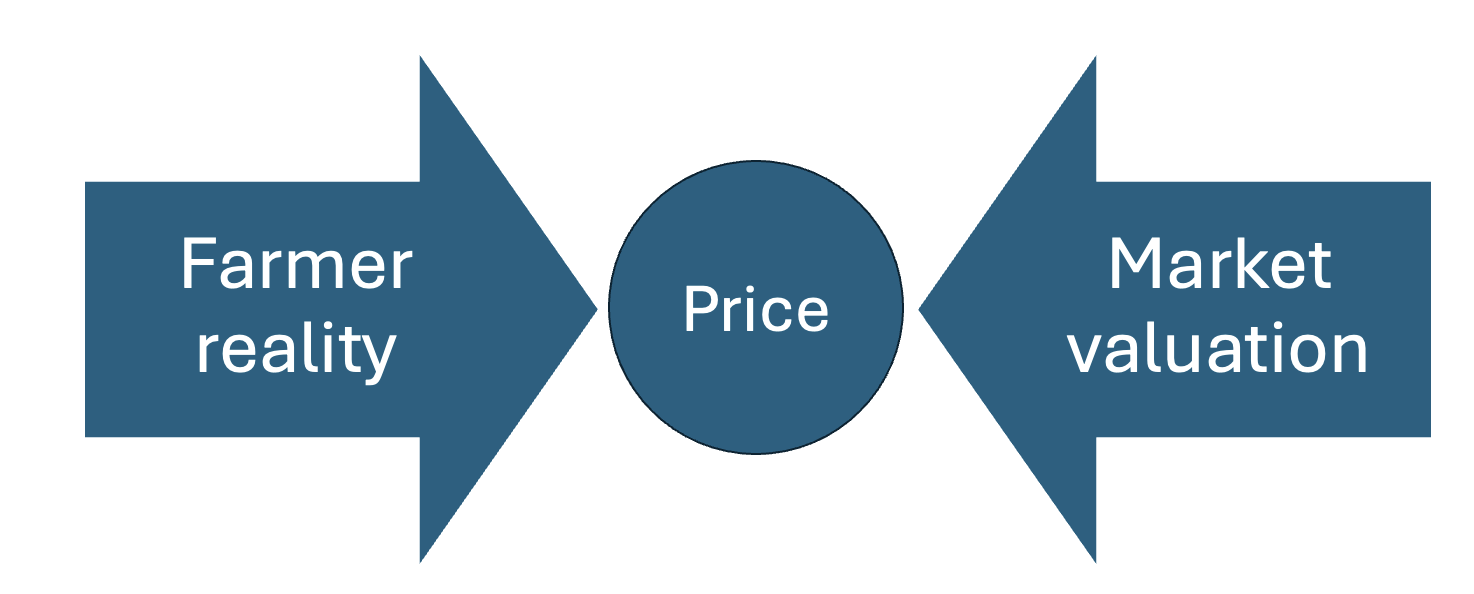
As This Side Up, we work for systematic change. But in order to change, we have to first recognize where we are: and that a capitalistic system with strong colonial remnants. Cheap commodities are king, and keeping both consumer and farmer “in the dark” about prices, is normal habit. Power is distributed away from the producer, and the market segment of “ethical products” remains limited. We work in a simple, though effective way:
We treat coffee farmers as equal entrepreneurs, and ask in open conversations about their needs.
We use quality as the differentiating factor, acknowledging that a higher quality pays a higher price and leads to farmer independence.
We do this all “in the open” and showcase what the quality is, and what the needs are of both ends of the value chain, farmers and coffee consumers alike.
We try to make the best match of coffee farmer and coffee drinker: because that is true sustainability, year after year after year. Together we are the value chain.
2. How to work as equals (Leading question : Why work with TSU)
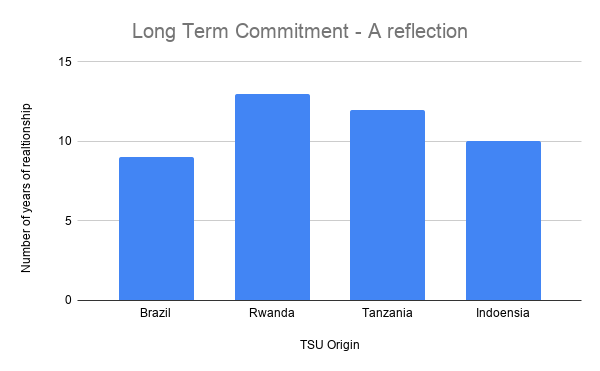
We are not the first with good intentions to come to coffee farmers, and most farmers have also been betrayed by initiatives disguised as “good”, but that were detrimental in effect. It’s important to recognize that there is an inherent skepticism from a coffee farmer to a coffee buyer. Trust is something that needs to be built, year after year. An important metric therefore is how many years we’ve been working with our partners. It shows that we are there as partners, shoulder to shoulder. We want to listen to their realities, and they to ours.
we trade coffee anti-colonially
Trust sits at the center of our model. Our local partners in these 14 countries act as liaisons of trust. They engage directly with communities of farmers who produce high-quality coffee. We trust someone who trusts someone—and trust flows through this network of relationships built on shared accountability. It isn’t abstract; it is operational and scalable.
Coffee is a colonial crop. The way it is traded today still reflects that history—who holds power, who captures value, and who absorbs risk.
At a systemic level, this approach is inherently anti-colonial. As a Dutch company working across multiple origins, we remain conscious of the legacy of colonial trade. Our aim is to work as equals—as entrepreneurs, collaborators, and friends. When you know who you work with, external validation becomes less necessary. If poverty has been structured into the system, then dignity has to be structured into how we operate. This is why we stay
we show up as humans not JUST entrepreneurs
Our network of roasters is willing to commit as long as they trust that volumes and quality will remain consistent. Farmers, in turn, commit when they receive fair value for their work. Both choose to work with each other, because it’s beneficial for both parties.
We arrive at a price through conversation. It starts with trust, which is built over years, and where everyone can express their needs. It also means that the price the farmers “quote” us, covers their costs and supports their lives. We know from experience that our farmers bring both quantitative and qualitative reasoning to that number and that it evolves every year. Our role is to listen and respect it, not to focus on how that money is used, just as farmers don’t decide how we, as buyers, spend our income.
By fixing prices together with farmers and returning year after year, we create a market for high-quality coffee that is both usable and affordable—acting as a bridge toward long-term commitments. This Side Up strives to build consistency in how we work and with whom, making it the foundation for navigating challenges together.
3. Pricing: from the farmer (Do farmers earn living income/living wage?)
For farmers : specialty coffee fosters economic growth
Our specialty coffee is sourced from a wide spectrum of partners—from smallholders farming less than 0.1 hectares to estates spanning over 200. For example in Rwanda, the priority is maximizing quality from very small yields, where every cent contributes to a long-term path out of poverty. In Brazil, our partners have land and volume; their focus is on investing in regenerative agriculture etc..While we offer the same level of care to all, their realities are fundamentally different.
This is why we return year after year. Through consistent communication and shared data, we deepen our understanding of each partner’s reality. By showing up reliably, we build trust—creating space for honest conversations about what is actually needed, whether that’s new equipment, improved irrigation, or adapting to rising local costs. We respond by aligning our pricing with those realities.
Because of this complexity, we reject one-size-fits-all models built for consumer convenience. Instead, we provide transparent price breakdowns for each coffee on our website, using data directly from our partners to show how value is distributed across the chain. We trust our partners to define what a fair price means in their context—grounded in the work they have already done to understand their costs and needs—and we use that as the starting point for pricing conversations. From there, we engage, question, and refine together to ensure our payments cover costs and support a sustainable margin.
For us, specialty coffee is not just about quality—it is a tool to actively reshape how value is distributed. By working transparently, committing year after year, and building long-term relationships between producers and roasters, we create the conditions for more stable income, better decision-making at origin, and a more balanced coffee trade.
BENCHMARK: TRUST
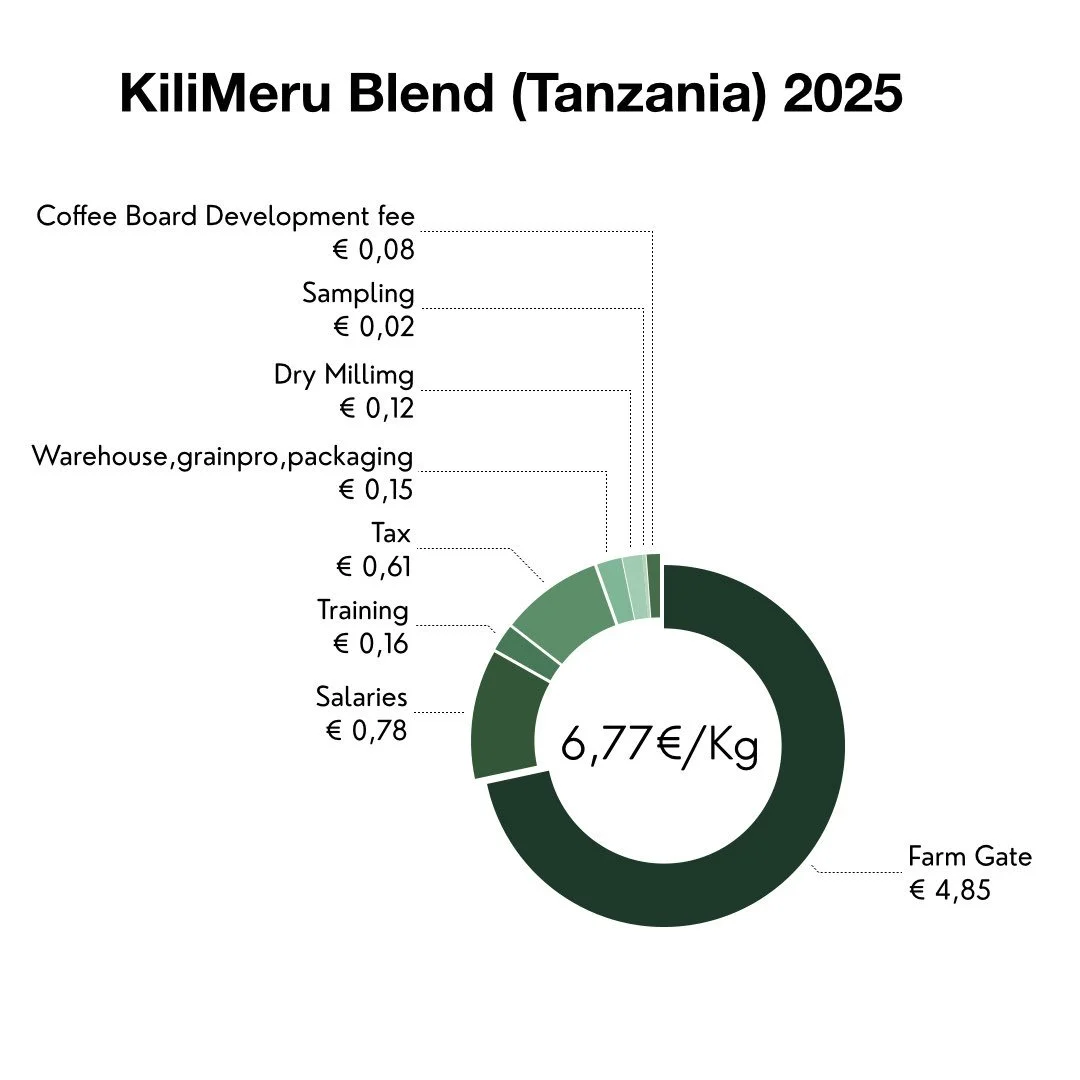
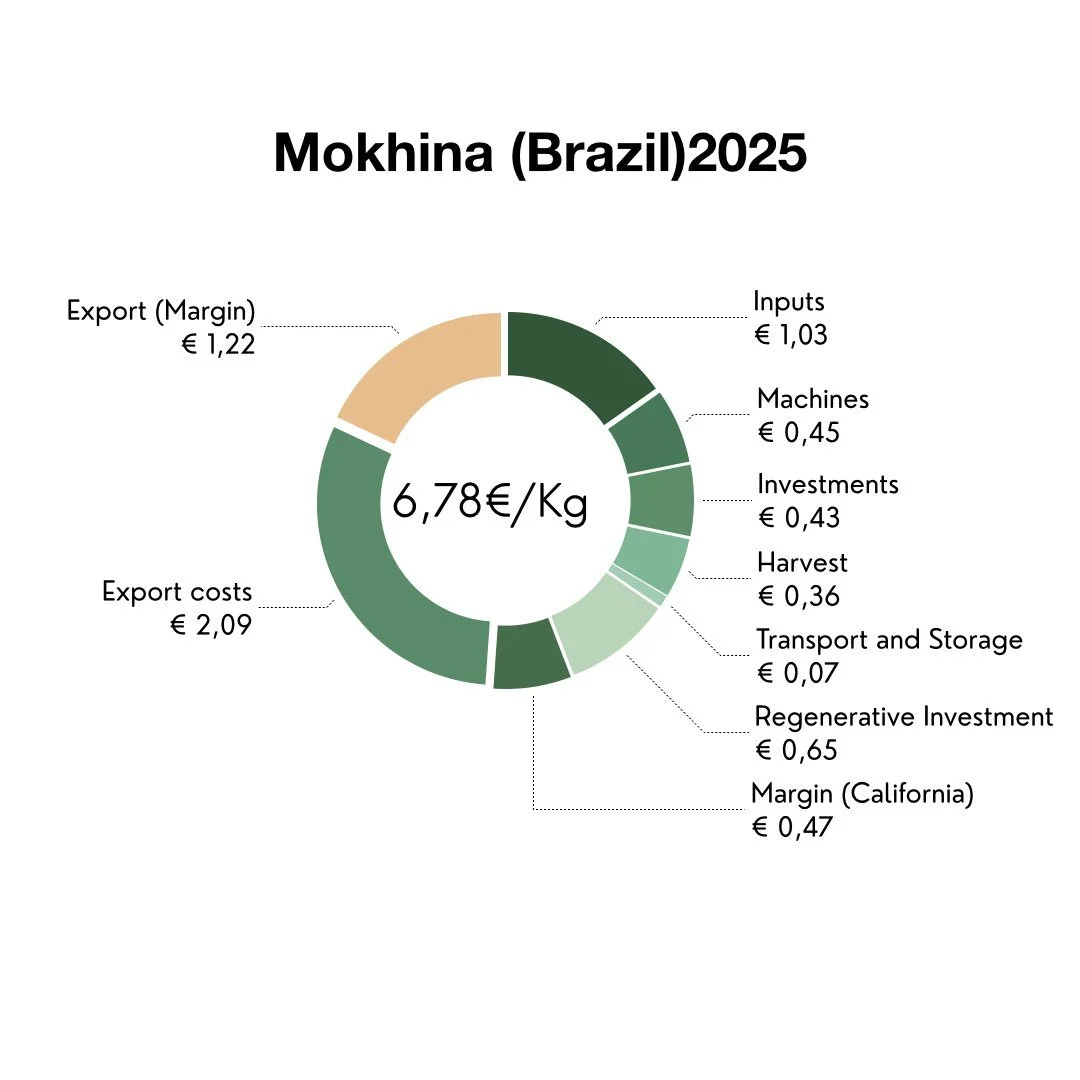
To make this concrete, we share price breakdowns for each coffee in the blend alongside cost-of-production data provided by our partners. These visualizations show how value is distributed across the supply chain, and how our pricing decisions relate directly to the realities at origin. Quantifying trust is a challenge, but we address it by demonstrating the openness and accountability of our value chains. By sharing a diverse range of information provided by our origin partners, we offer more than just evidence; we showcase a collective commitment to every individual in the value chain, ensuring no one is left behind.
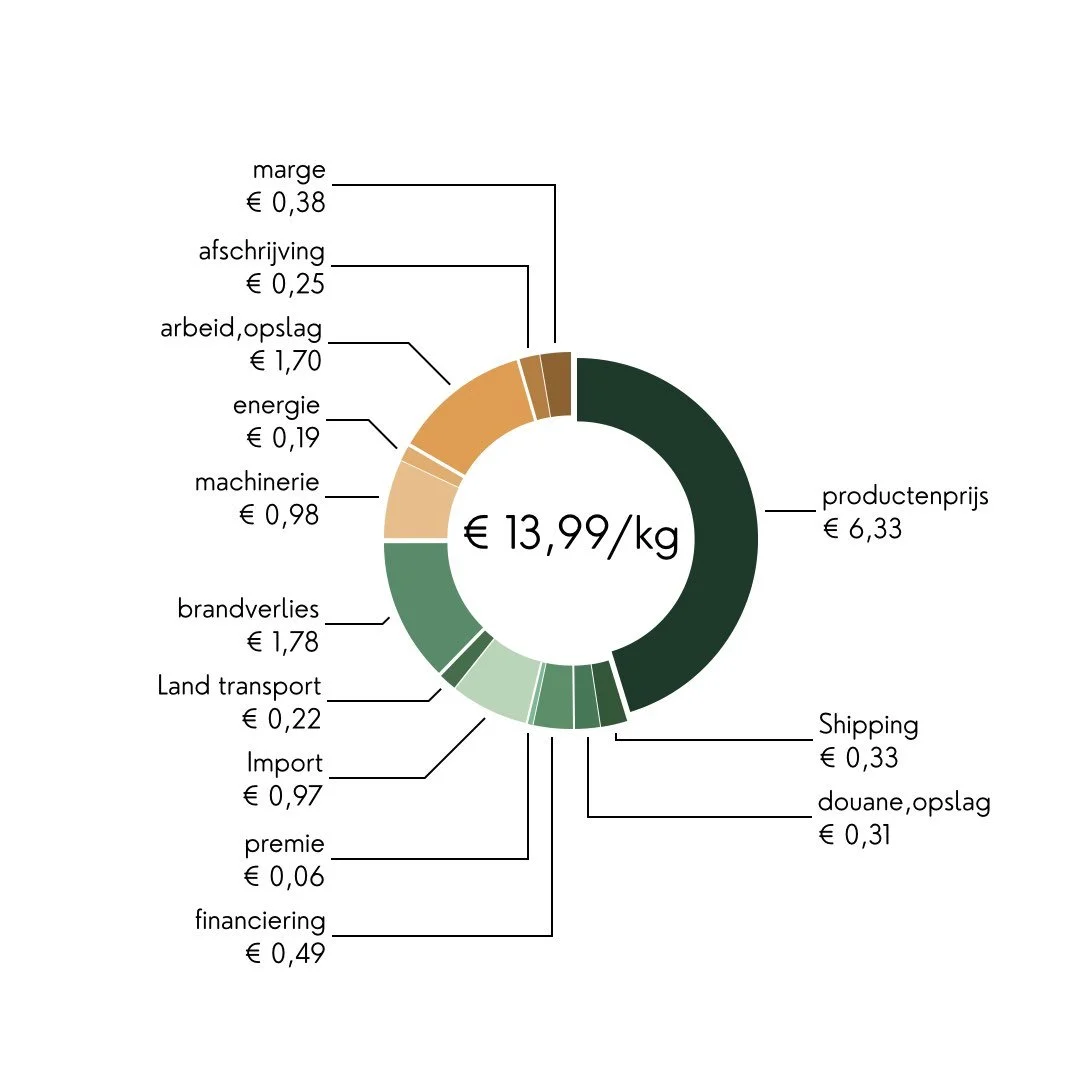
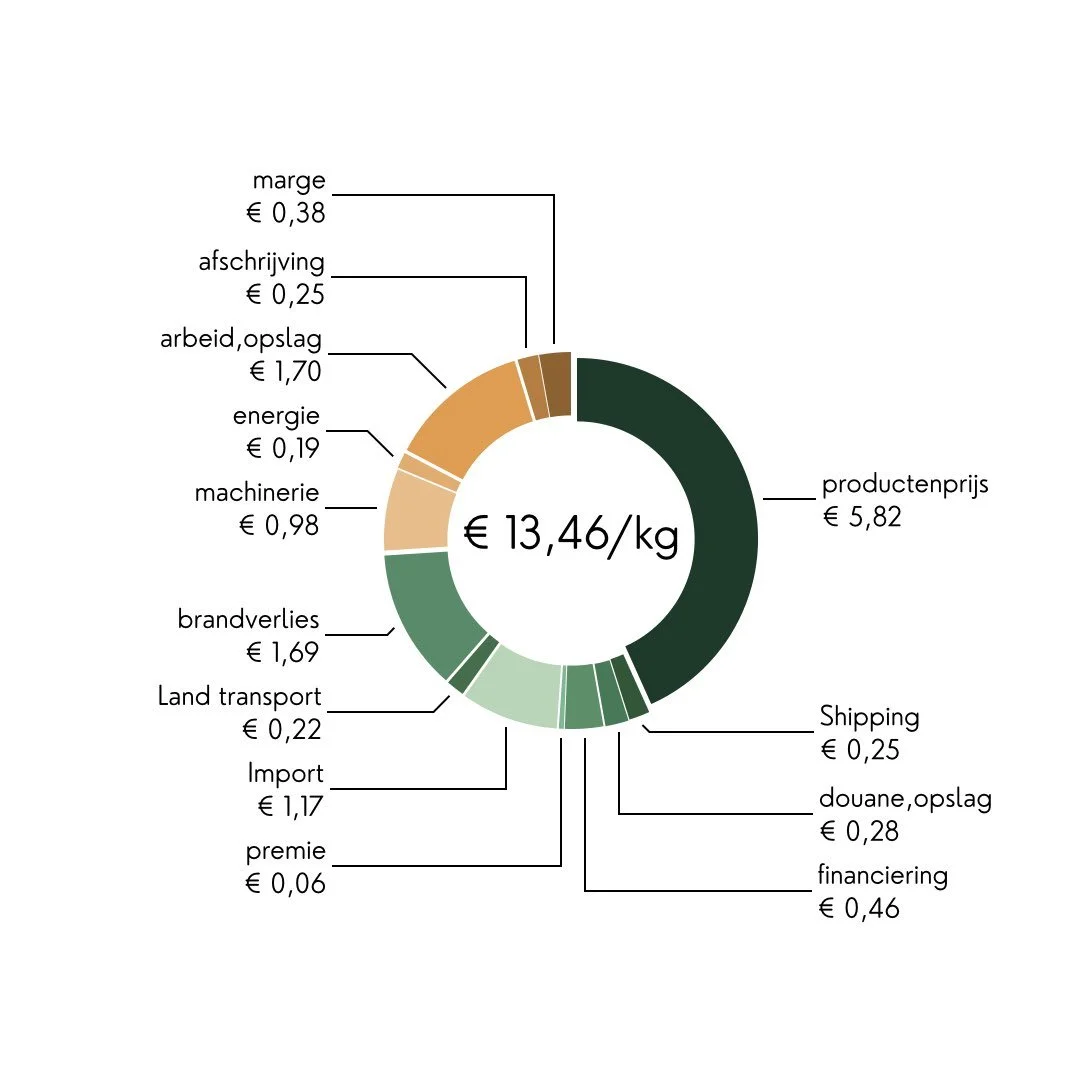
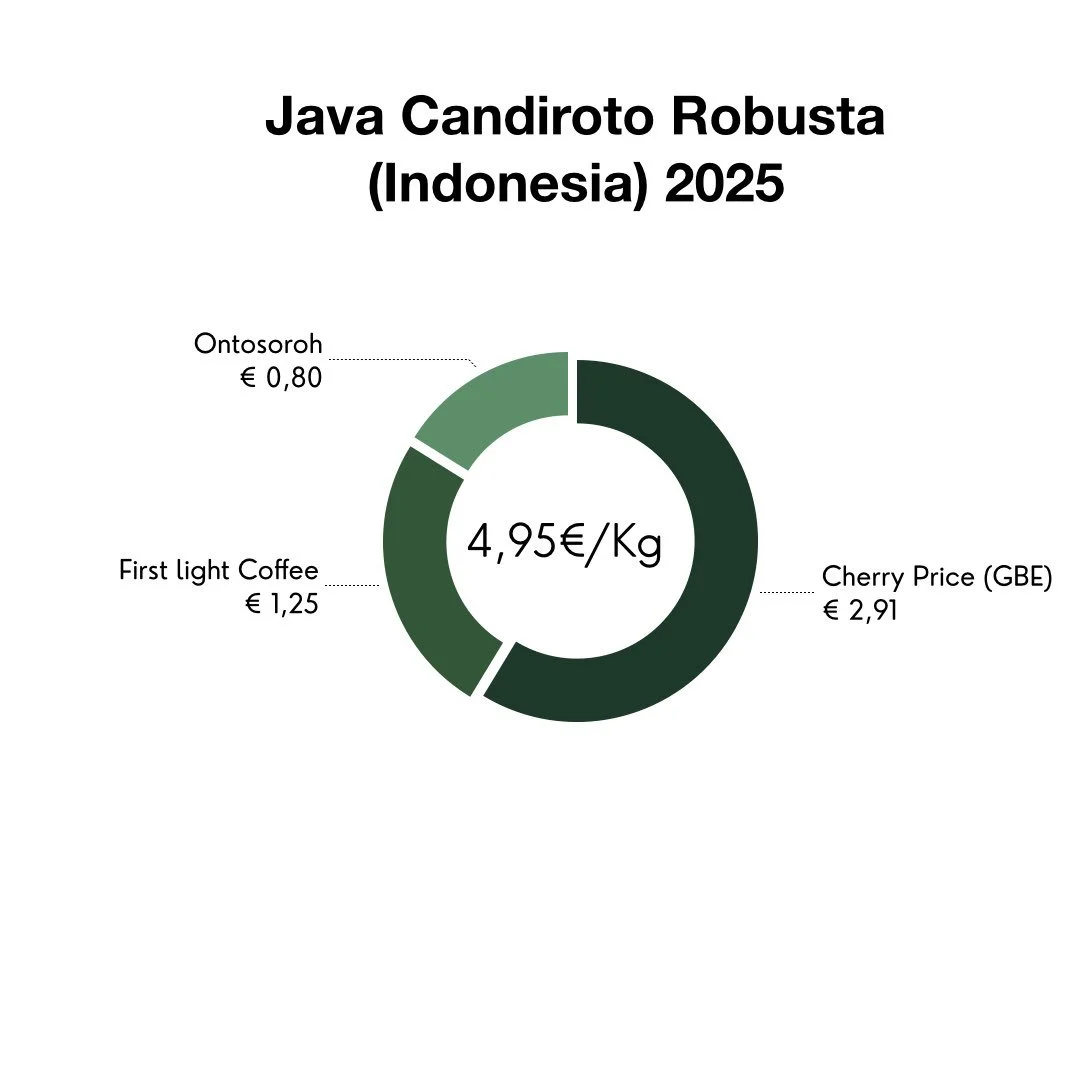
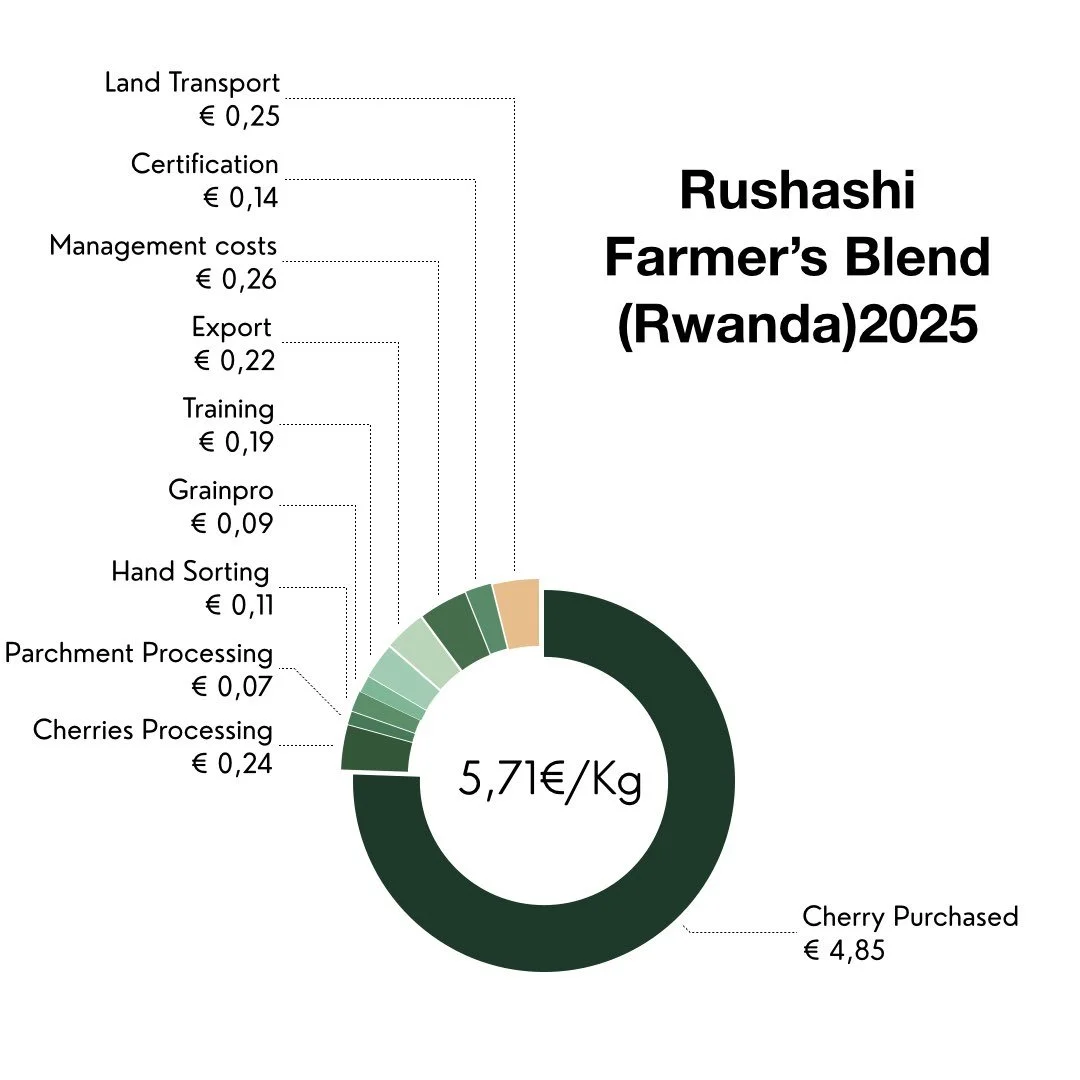
PRICE WHEELS offer a transparent breakdown of exactly who receives what for every kilogram of coffee. This data is built on real-time costs and is adjusted annually to reflect the evolving economic realities of our farmers, ensuring our pricing remains both accurate and equitable.
PRICE BREAKDOWN AFTER FOB (FROM ROTTERDAM TO ROASTER)
PRICE BREAKDOWN OF FOB (FARMGATE TO ROTTERDAM)
BENCHMARK : MARKET QUALITY SEGMENTATION
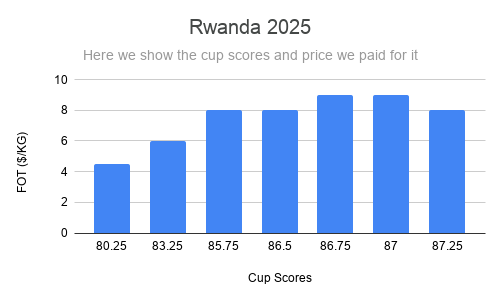
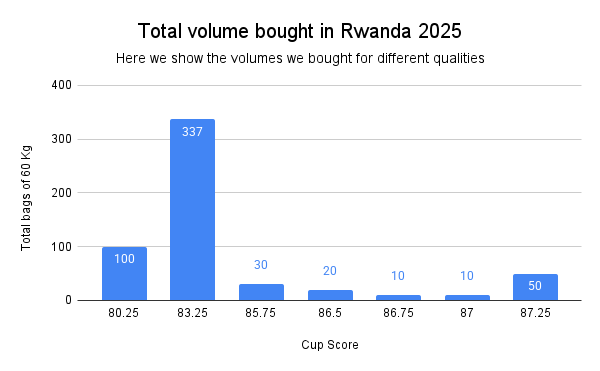
Here we show you the spectrum of qualities defined by cup score we buy from Rwanda as an example. Each quality is priced differently showing the effort it takes to produce it. The lower end specialty requires less effort to process it from the production side compared to the higher scoring coffees.
In 2026, the prices of all qualities will be a bit higher to match the inflation, local market prices and cover costs of production. Every year these variables are considered closely and then price is fixed.
Here there is a small catch in the final data point being high scored but has a lower price - it is because of volumes they produce at scale, they can afford to sell it a slightly lower price at 8$/kg.
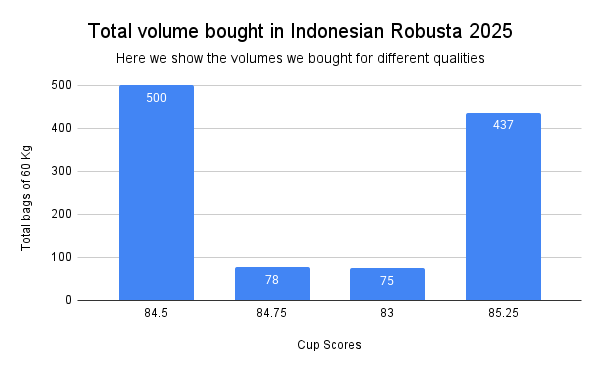
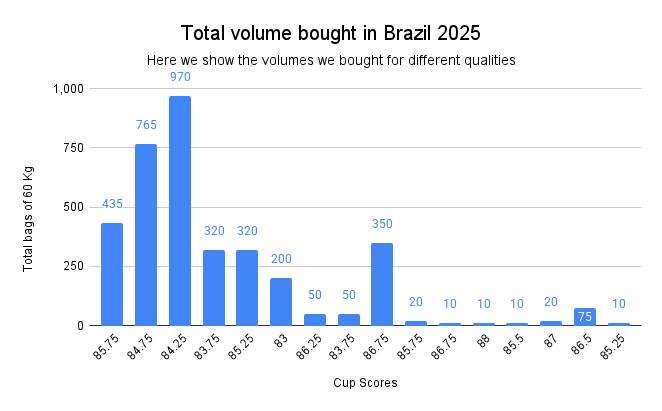
Here we show you the spectrum of qualities per origin that works with the Amsterdam Blend for 2025 harvest. This is an overview of how we buy coffee in these countries and to understand why TSU is an important partner for them.
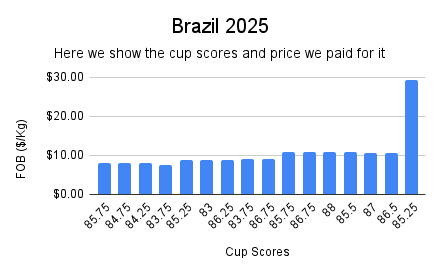
The Brazil portfolio can be divided into three main segments - Blends (that are made based on the desired flavour profile. It usually scores between 83-85 and pays the bills!), Single farmer lots - coffees that come from one single estate and a specific group such as women’s lot and experimental lots - those that get you a high price but requires a lot of effort.
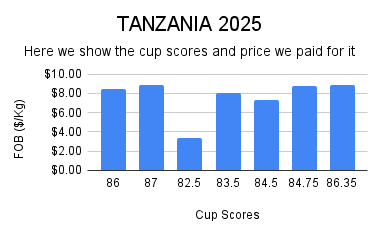
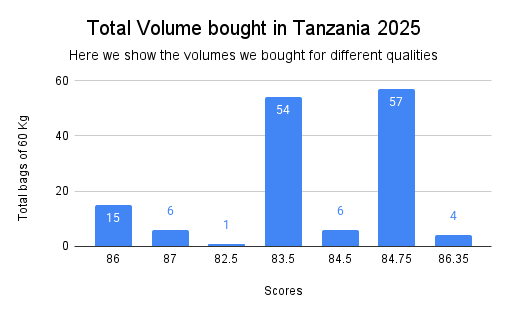
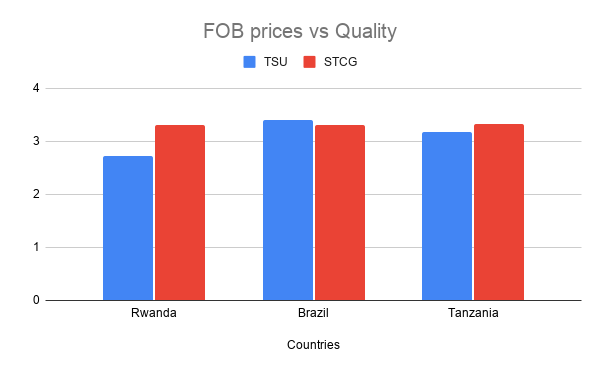
The Tanzanian portfolio is fairly straightforward regarding the quality vs price division. The higher scoring coffees are priced slighter more than the lower end specialty. We have started buying more grades beside A1 starting from 2025. It expands the possibilities for diversification and reduces the pressure on farmer to produce only high scoring lots.
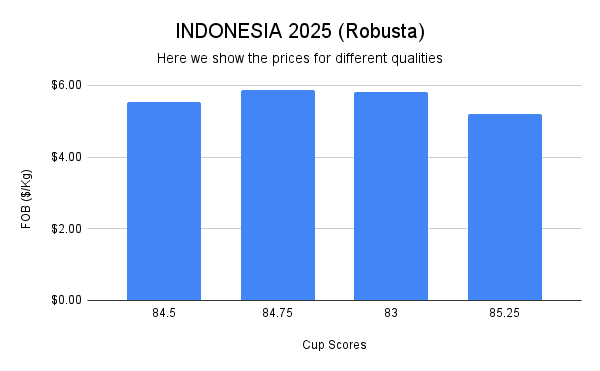
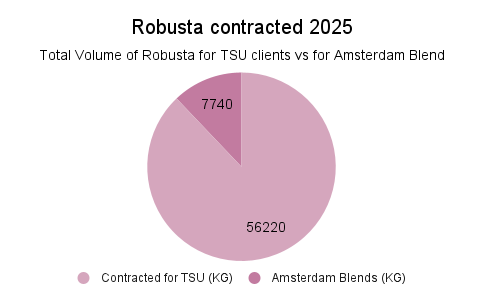
We buy both Arabica and Robusta from Indonesia. We propose the Robusta in blends for that extra “kick”! We contract from Flores and Java islands in Indonesia working with youth in both these groups. A mix of these two go into Braine.
BENCHMARK : FINANCING NEEDS
In order to produce good quality coffee, capital is needed. This Side Up has partnerships with financial institutions, as well as own capital to provide this. For the Amsterdam blend, the partners from Rwanda, Tanzania and Indonesia requested prefinancing. The Brazilians had arranged this via their own network. In the graph we show how much of the contract value (%) we prefinanced, and how many months before export.
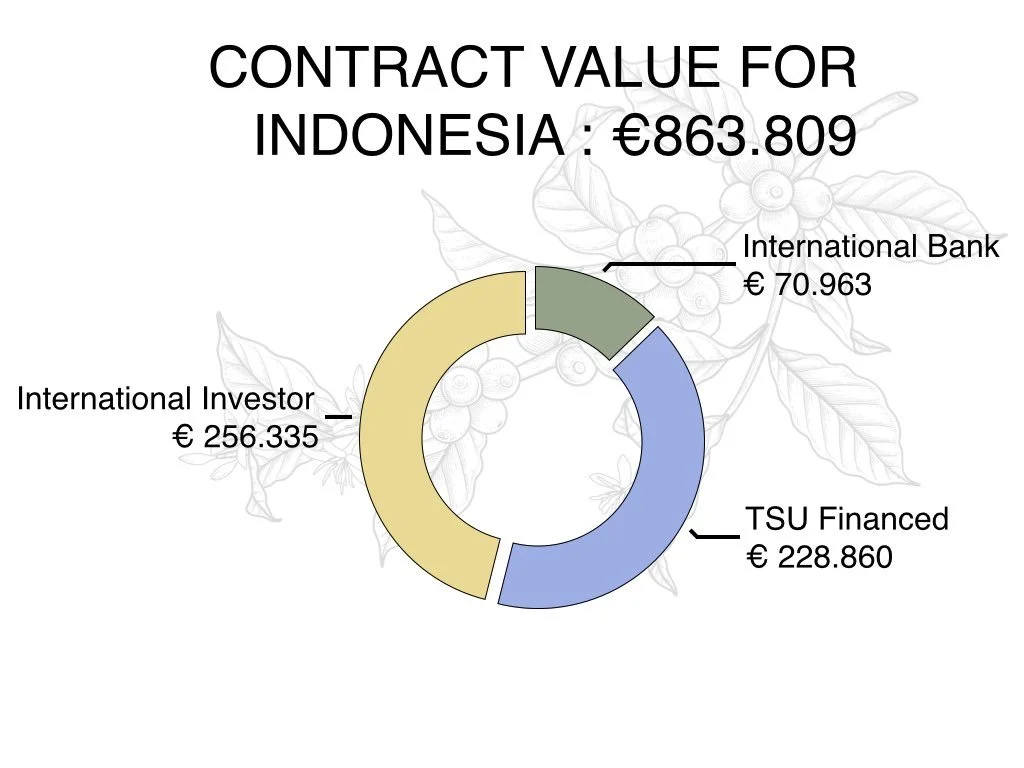
Totally 64% of the total contract was pre-financed for Ontosoroh in 2025-2026 season
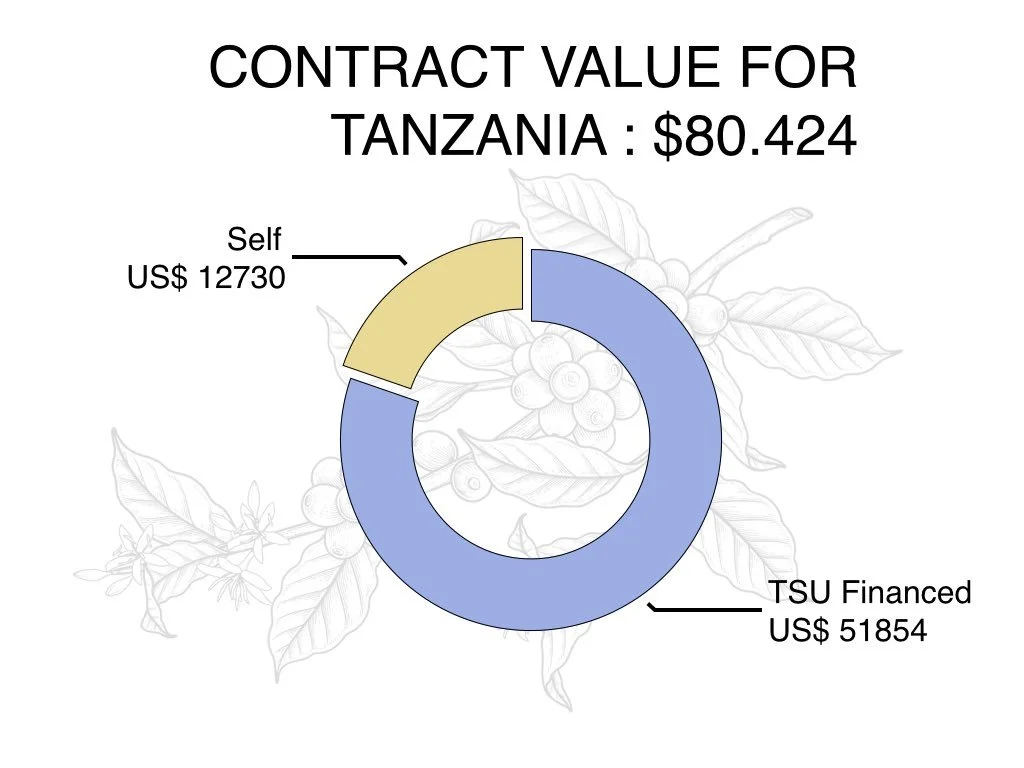
80% of the contract value was pre-finance easing the cash flow for our partners at Wanza
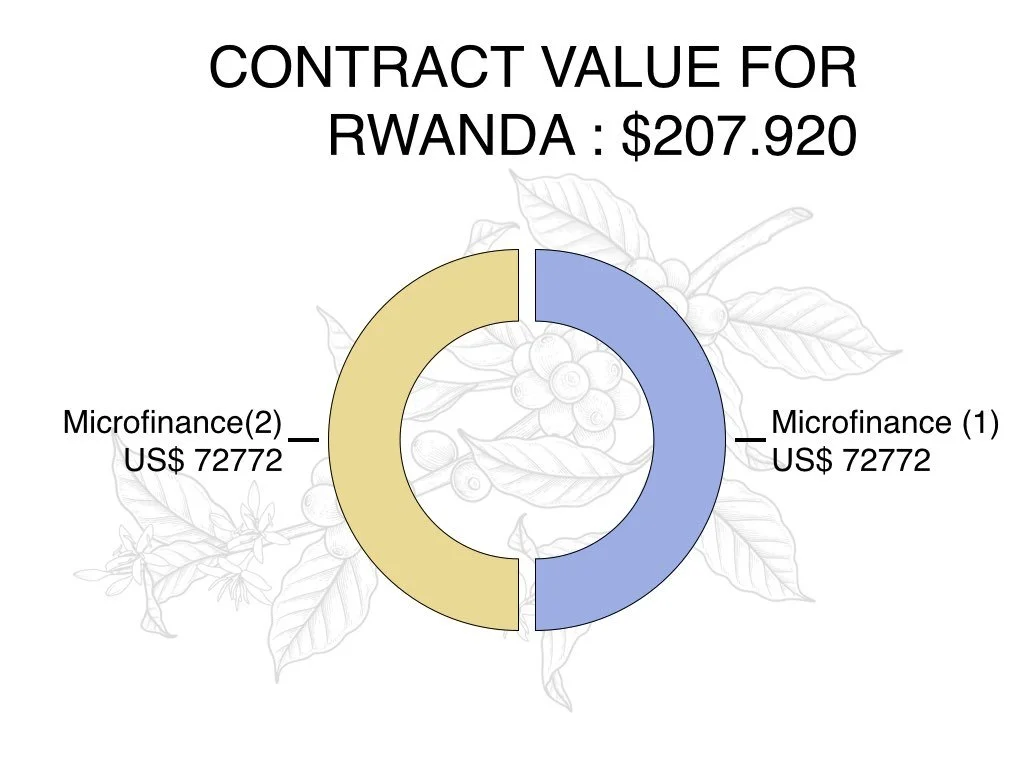
Our contract was used as a guarantee to secure 70% of the pre-finance locally
4. Pricing: from the market (Leading question : Why specialty coffee)
FOR ROASTERs: SPECIALTY COFFEE IS a craft
BENCHMARK : MARKET QUALITY SEGMENTATION
This Side Up works with different market segments in Europe: Entry Level (those seeking affordable, good-quality coffee), Mid Tier (mostly 84–86 scoring coffees), and High End (competitive and nanolots). Despite these differences, most share a common goal: to grow their business and build long-term commitments based on quality, price, and story. Being a responsible middleman means facilitating direct trade matching producers and their coffee with the right roasters.
For the coffees from the Gemeente Amsterdam, we mainly use the entry level and mid tier coffees.
It is quite clear that we provide stability for the Rwandan partners by creating a demand for the lower end specialty coffee through the office market, it is consistent in quality every year, affordable and the cooperative can fulfill these volumes easily. The higher scoring coffees have a loyal fan base that come back every year and their volumes are growing at a steady pace, less accelerated than the lower end specialty. The 83-85 scoring coffees literally pay all the bills!
Here we show you the volume we bought for different qualities for 2025 harvest. This is an overview of how we buy coffee in these countries and to understand why TSU is an important partner for them.
ADD MORE CONTEXT
BENCHMARK : SPECIALTY TRANSACTION GUIDE
We compare our FOB prices to others for the same quality using the data from the Specialty Coffee Transaction guide. It collects relevant reference prices for differentiated specialty coffees and groups it based on quality among other categories. Albeit it is limitations, it offers a pretty realistic benchmark on what others paid for the same quality and where we stand in this playground although it does not differentiate between Arabica and Robusta. Looking at the graph, we can see that within the “quality segment” of coffee trade - which operates vastly differently than the big players via the New York stock exchange - we perform closely within the market behavior.
5. Putting it to scale
DIRECT TRADE THROUGH this side up
In our case, economic impact begins with the first touchpoint: purchasing coffee at a high and stable price. This isn’t just a number—it’s a way of showing trust and supporting our partners from the very start. The total volume reported here covers the period from the start of the contract up to 16‑03‑2026 and includes both Mokum and Brain blends..
FIGURE
Rwanda : 14880 KG of green coffee which translates to 248 bags
Brazil :18240 KG of green coffee which translates to 308 bags
Tanzania :1980 KG of green coffee which translates to 33 bags
Indonesia : 10860 KG of green coffee which translates to 181 bags
$269.358,81
paid to Farmers (FOB)
Our approach is to define value directly with our origin partners. Pricing is set collaboratively, based on what producers themselves identify as fair and sufficient to meet their needs. This approach relies on long-term relationships and mutual trust, creating a system where farmers are not responding to external benchmarks, but actively shaping the terms of their own sustainability.
We are moving toward working with each farmer group to document their cost of production for each harvest season. This allows us to have informed conversations about whether the price they receive is sufficient and how it can be improved for future seasons, grounded in the realities of the grassroots.
Here, FOB (Freight on Board) represents the value that reaches the farmer from the farm gate until export—essentially capturing how much of the value of the coffee is received directly by the producers.
Here we show
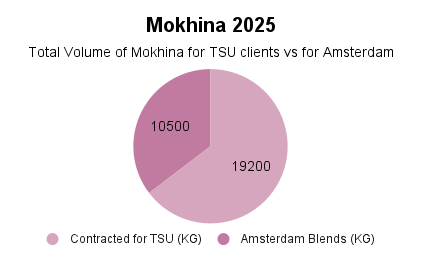
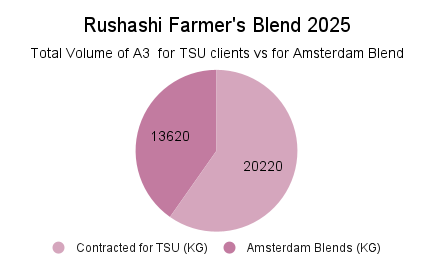
How much did we buy of every partner? And how much did we buy for the Gemeente Amsterdam?
€ 3017
Regenerative Premium invested
This figure represents the total kilos purchased from the partner multiplied by a fixed premium of €0.06, which we apply across all coffees. This premium is returned to our partners to initiate regenerative projects of their choice. It is important to us that they retain full autonomy over how these funds are used, offering a small but flexible addition to the value already built into the prices paid at origin.
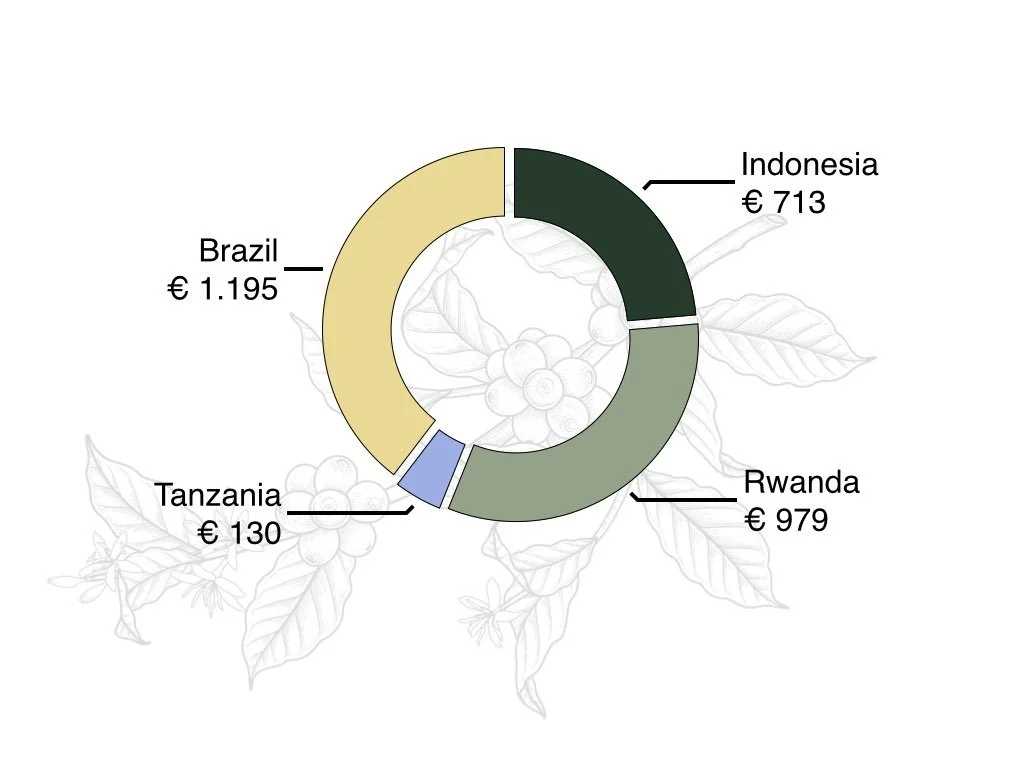
Total Amount of Regenerative Premium Invested Per origin from the start of the contract until now
6. Power Distribution
Being in the middle carries more power than we often admit. When we began pursuing Direct Trade 12 years ago, we didn’t intend to become importers, but trust from both producers and roasters placed us in that position, giving us influence over pricing, access, and flow.
This is why it is important to address power redistribution within the context of Amsterdam. Decisions made here—around purchasing volumes, pricing, and demand—have direct consequences at origin. Today, many producers remain highly dependent on a fragile value chain where even small changes can significantly impact their income. For example, in Amsterdam’s case, an initial contract of 45000 kgs of roasted coffee has now been reduced to 32175 kgs of roasted (about 18600 KGS of green coffee)due to changing circumstances, reducing the income by € 117.889 for producers (in case of Mokum) or by € 108.334 —highlighting how risk continues to sit upstream.
Muza is our response. Through Muza, we support producers with financing, market access, and operational guidance, while contributing to regenerative practices through a premium funded by our profits. By enabling producers to bring their coffees directly into the Netherlands, they gain stronger access to markets, build direct relationships, and reduce dependency on a single buyer.
As this develops, our role shifts from intermediary to facilitator, incubating systems that enable greater independence, resilience, and control at origin. We are preparing to pilot this model with one of our long-term partners alongside TSU in Colombia.
7. Local ambassadors
Amsterdam municipality goals:
From the tender documents: single-use plastic products, such as packaging materials for the delivery of parts, are excluded, unless it can be demonstrated that no alternatives are available. Packaging material consists of reusable material as much as possible (e.g., coffee bean buckets). Other packaging material is 100% recyclable, unless it can be demonstrated that no alternatives are available. By 2030, all packaging materials and cardboard boxes must be fully circular, unless it can be demonstrated that this is not technically feasible. This means that the packaging materials do not contain primary abiotic raw materials. Bio-based, secondary, or renewable raw materials are considered circular.
ROASTED BY bybo LOCALLY
Working with BYBO at the GEMBO site in Amsterdam North has really shown why they’re such a strong partner. Their high-tech IMF roaster makes consistent, high-quality coffee while using less energy and producing lower CO₂ emissions, and the automated profiling system keeps every batch on point. On top of that, their intentional approach—95% of shipments in circular containers and electric transport for distribution—makes operations smoother and more sustainable. It’s clear that a skilled, thoughtful roaster like BYBO doesn’t just deliver great coffee—they also make scaling and tracking everything much easier.
FIGURE
SINCE START OF THE CONTRACT UNTIL 16-03-2026
45960 KG OF GREEN COFFEE
38794,76 KG OF ROASTED COFFEE
766 BAGS OF 60 KGS
1164 KG OF PLASTIC BAGS SAVED
970 KG OF CARDBOARD SAVED
8 . Impact is decided grassroots up
Context is king. The needs of a community are everywhere different. Being it from city center Amsterdam to the edges of the Bijlmer, imagine the different needs of a Brazilian farmer compared to a Rwandan or Indonesian one. We therefore measure “impact” on the scale of their own ambitions. We use as “point 0” when we started, and measure it on an annual basis. How did we help them getting closer to their goals?

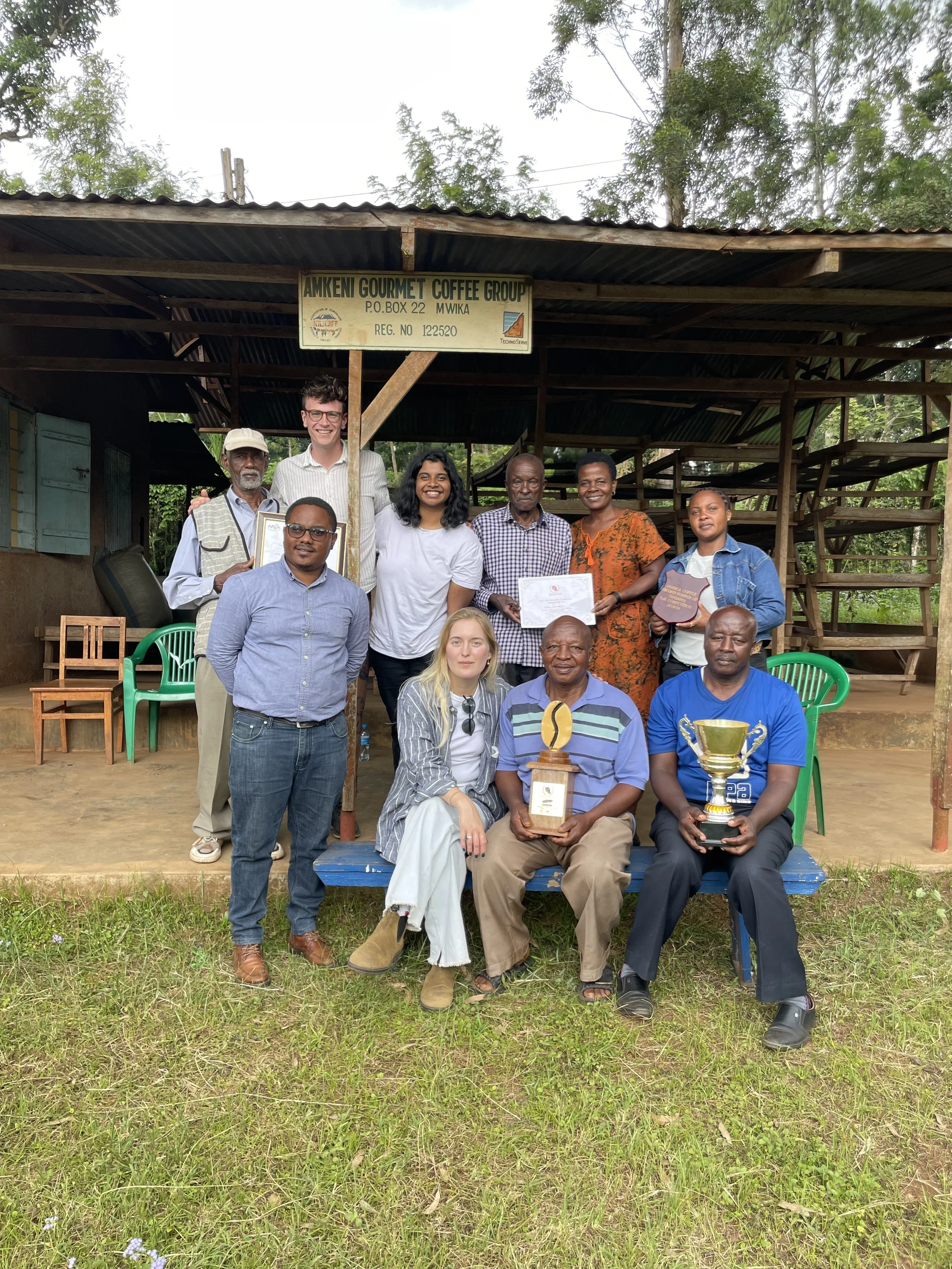
TANZANIA
Creating economic empowerment and stability through specialty coffee
Partner: Wanza
120 smallholder farmers from 4 groups
(Amkeni, Masista, Marangu and Aranga)
33 bags consumed by Mokum Blend
10% of blend together with Rushashi, Brazil for Mokum
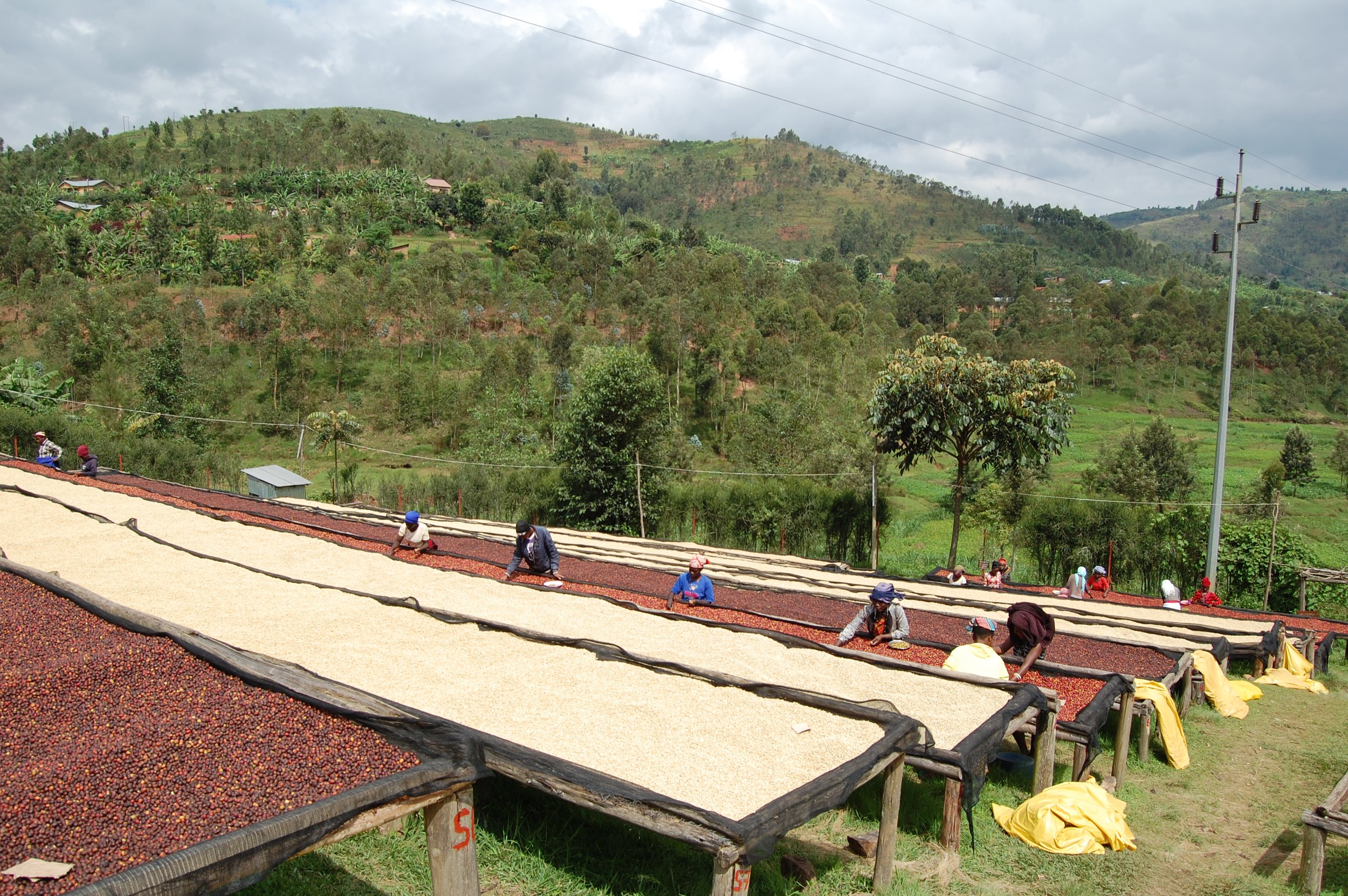

Partner: Abakundakawa Rushashi
2109 farmers
248 bags consumed by Amsterdam including Mokum & Braine *
40% for Mokum and 30% for Braine

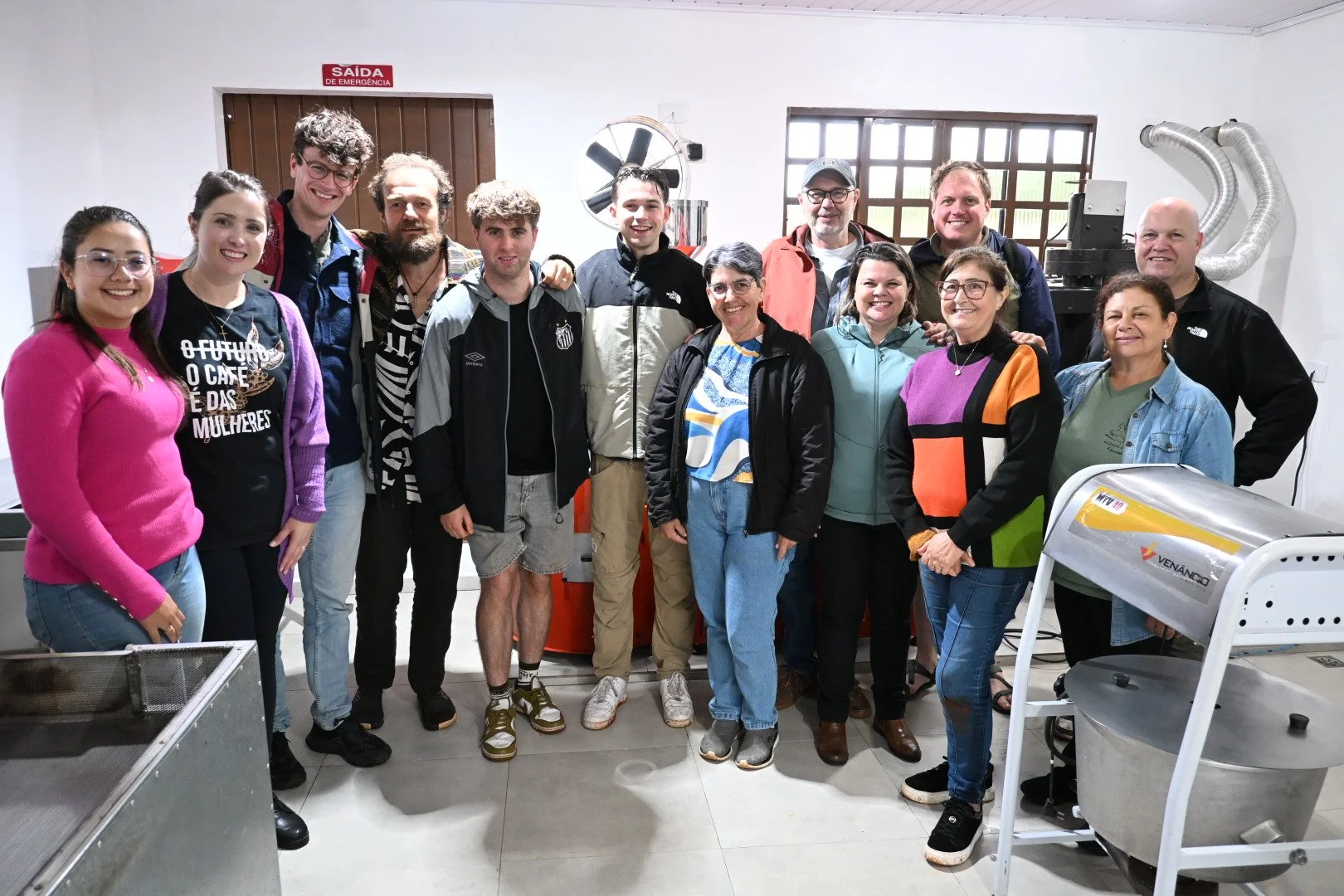

Partner: Capricornio
14 farmers, 270 workers
308 bags consumed by Mokum and Braine*
50% for Mokum and 30% for Braine

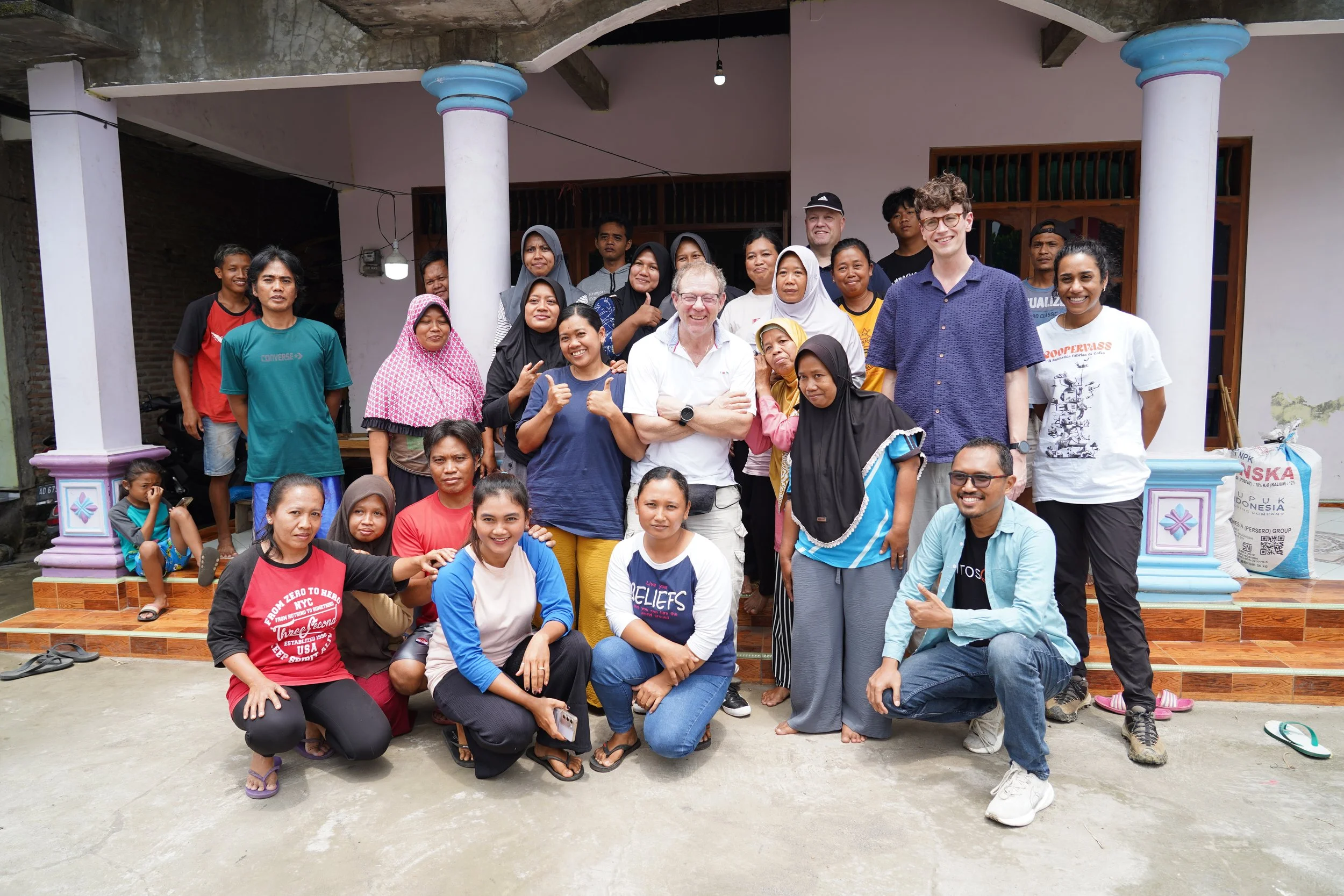


An in-depth look at the origins that were used to create Mokum and Braine

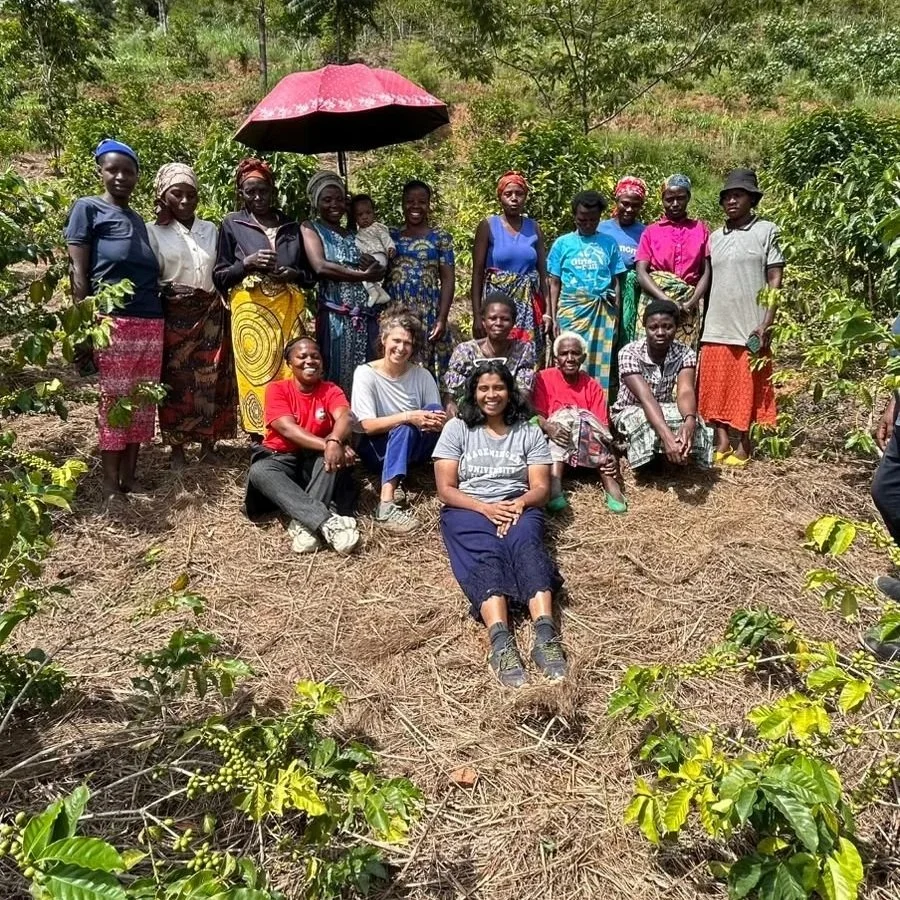
Members of Hingakawa Women’s group with TSU team
Over the past years, Abakundakawa has significantly grown, attracting more farmers to produce specialty coffee and carefully developing a savings and credit system that offers economic security to its members. In 1999, the cooperative started with 103 members. Today it is formed by 2109 farmers, of which 919 are women, and 477 are youth. In 17 villages in Gakenke district, they supported the creation and development of two women in coffee groups: Duhingekawa and Abanyameraka, as well as the Ishema Youth Coffee Group, also conformed mostly of women (from the 477 farmers 289 are women), developed thanks to an initiative that came from Rutabo farmers when they noticed the alarming reality on the ground.
In Rwanda, 80% of the farmers are elderly, unemployment is high (24%), and the risk of joining gangs is also quite elevated. "The options young people have are limited," shares Antoine. "A young man can help their parents with their lands, migrate to the city, or join the army. A young woman can marry, migrate to the city (and usually work in sex services), or become a sewer or a hairdresser."
Over the past 13 years, we’ve focused on building stability within this complexity, buying consistently from Rushashi, maintaining annual volumes of around 34,000 kg (roughly 1.5 containers), and developing a market where at least 30 roasters return to Rwandan coffees each year. Experimental lots now make up around 10% of our volume and continue to grow. Alongside this, we’ve supported a grant project with SPVO to help cooperatives invest in regenerative agriculture, including a demo plot.
2025 RECAP
WHAT DID NOT GO WELL?
Being able to contextualize Rwanda without forcing it into models has become increasingly difficult. Over the past year, multiple research groups—including True Price, our own SPVO baseline studies, and 60 Decibels—have tried to quantify farmer livelihoods. Across all of them, one thing is clear: most farmers are still far from earning a living income. And that is exactly why we continue working here—we understand both the depth of the challenge and the potential within it.
The structural realities are hard to ignore. Land sizes are extremely small, often less than 0.1 hectares, and there are few alternative income sources. This puts significant pressure on coffee as one of the only ways to generate cash.
At the same time, communicating this to clients in Europe is becoming harder. The conversation is often shaped by models and benchmarks that simplify a much more complex reality, and in that noise, the voice of producers can get lost.
In this context, our origin partners focus on specialty coffee as a way to accelerate income. If scale is limited, value per kilogram has to increase. It’s not a solution, but an attempt to move closer to viability. Choosing to keep working here is a conscious one—it means committing to long-term relationships and stable markets, even when the outcomes are not immediate, because stepping away would only reduce the already limited options farmers have.
WHAT WENT WELL?
In 2025, the SPVO project at Abakundakawa came fully to life. Long-term contracts established by the Municipality of Amsterdam provided the cooperative with stability and trust, creating space for initiatives that go beyond trade alone. A 3-hectare demo plot was set aside for farmers to be stewards of the land and directly benefit from their work.
With support from the SPVO budget, the cooperative is planting native shade trees and equipping field officers with tablets to gather accurate, timely data from all farmers. The demo plot itself includes around 3,000 coffee trees, soon to be harvested for the upcoming season.
This project goes beyond producing coffee—it helps improve incomes and livelihoods for all farmers, ensuring they can remain active and engaged in the cooperative. Through long-term contracts, thoughtful support, and access to tools, farmers are not just participants—they are shaping the future of the land and the business, and benefiting directly from it.

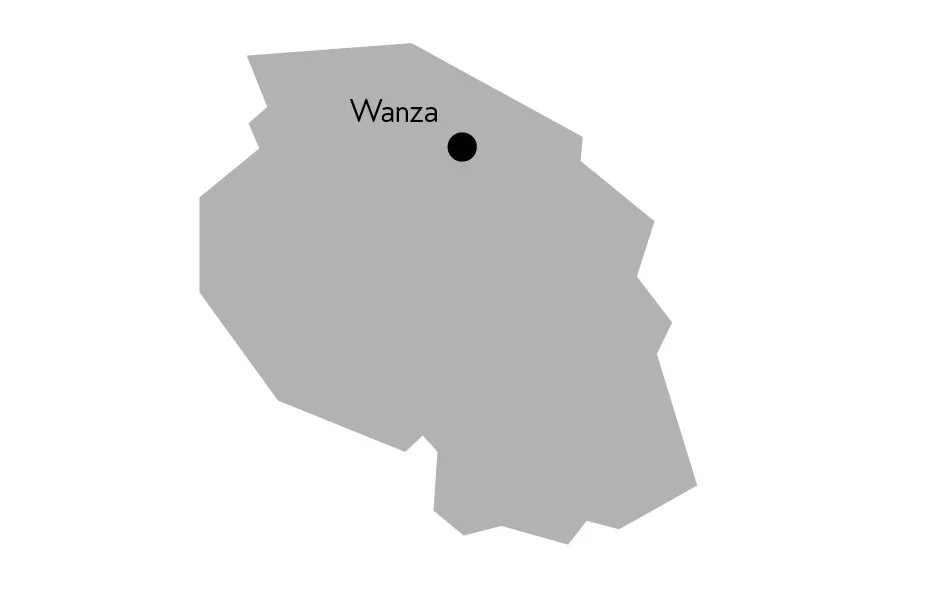
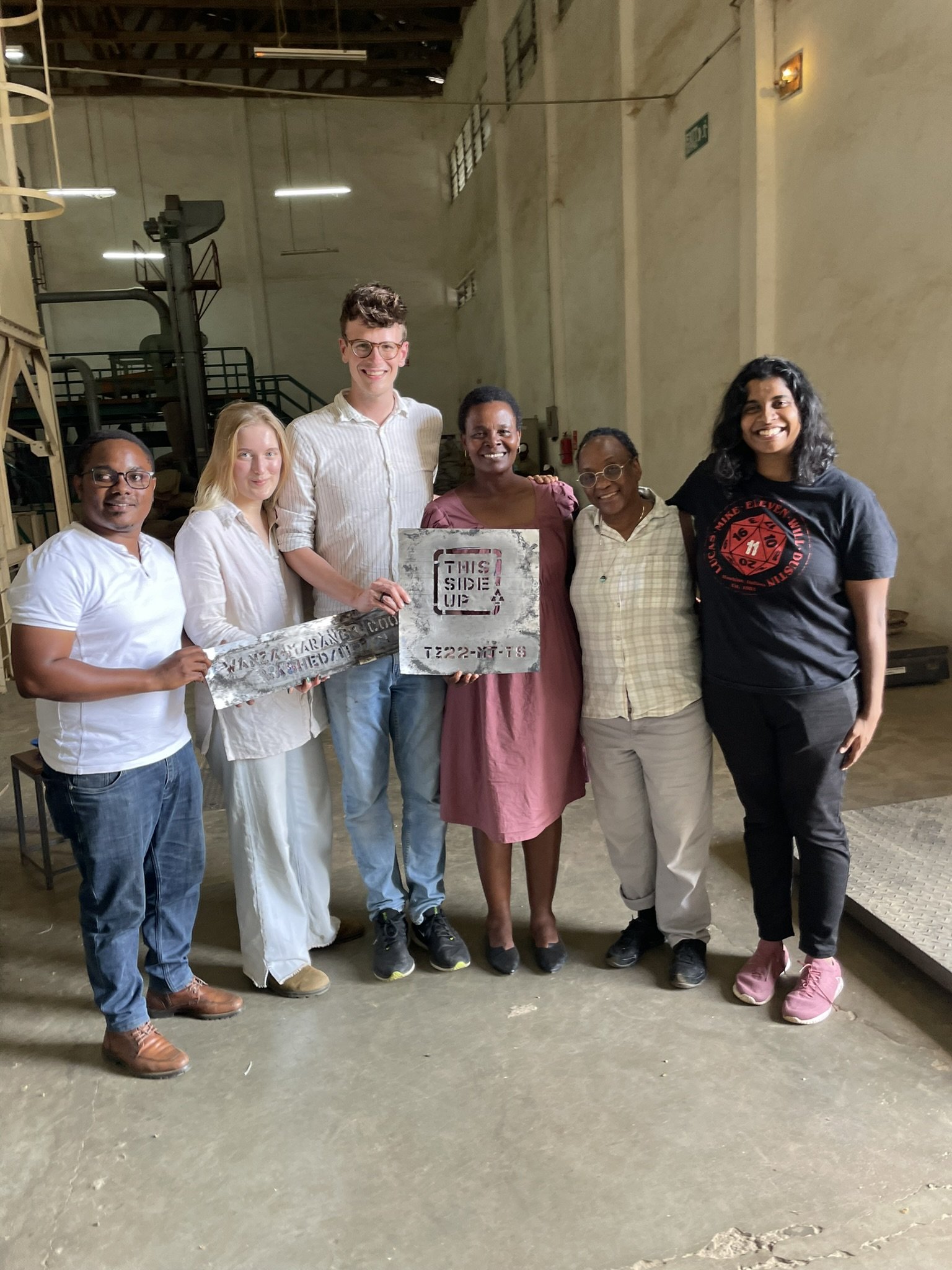
In northern Tanzania, This Side Up works with local origin partner Wanza, run by Frank Mlay and Rebecca Trupin, to connect smallholder coffee producers around Mount Kilimanjaro and Mount Meru with international specialty markets. Through this collaboration, Wanza works closely with several farmer groups—including Aranga, Marangu, Masista and Amkeni—whose members cultivate coffee on small plots at elevations between approximately 1,200 and 1,700 meters.
In a sector where coffee is commonly marketed through large cooperative unions and the national auction system, these groups represent a less common model of farmer-led organisations with a higher degree of autonomy. Producers organise themselves in smaller associations that retain decision-making power over production practices, quality development, and collective investments.
Working alongside Wanza, these farmer organisations gain access to international markets while maintaining their independence. Activities such as transparent price discussions, shared quality evaluation through cupping sessions, and improvements in drying and processing practices strengthen farmers’ understanding of quality and their position within the value chain.
For the Municipality of Amsterdam, continuing this sourcing relationship supports farmer agency, inclusive governance, and diversified market access in Tanzania’s coffee sector—contributing to a supply chain that strengthens rural livelihoods while encouraging long-term resilience and quality development.
2025 RECAP
WHAT DID NOT GO WELL?
Wanza—our local origin partners, Frank and Rebecca—found themselves in a difficult position this season, as farmers questioned why This Side Up was paying prices similar to the local market. Expectations naturally rise each year, and it remains challenging to explain the constraints of the European market (opposite problem to Rwanda!) and why an importer does not have complete freedom to increase prices every season.
After more than 12 years of working together, these conversations have not necessarily become easier. If anything, they continue to reflect the deeper, unresolved dynamics of trade, where trust, history, and expectations don’t always move at the same pace. We feel if values align then staying engaged matters more than simplifying the reality!
WHAT WENT WELL?
In 2025, one of Wanza’s most significant milestones was the appointment of a full-time extension officer (agronomist)—a first for the organisation—made possible through its long-term partnership with This Side Up and the regenerative premium. Working closely with farmers throughout the season, this role has enabled tailored, farm-specific guidance, strengthening productivity and soil health while helping to minimise quality inconsistencies.

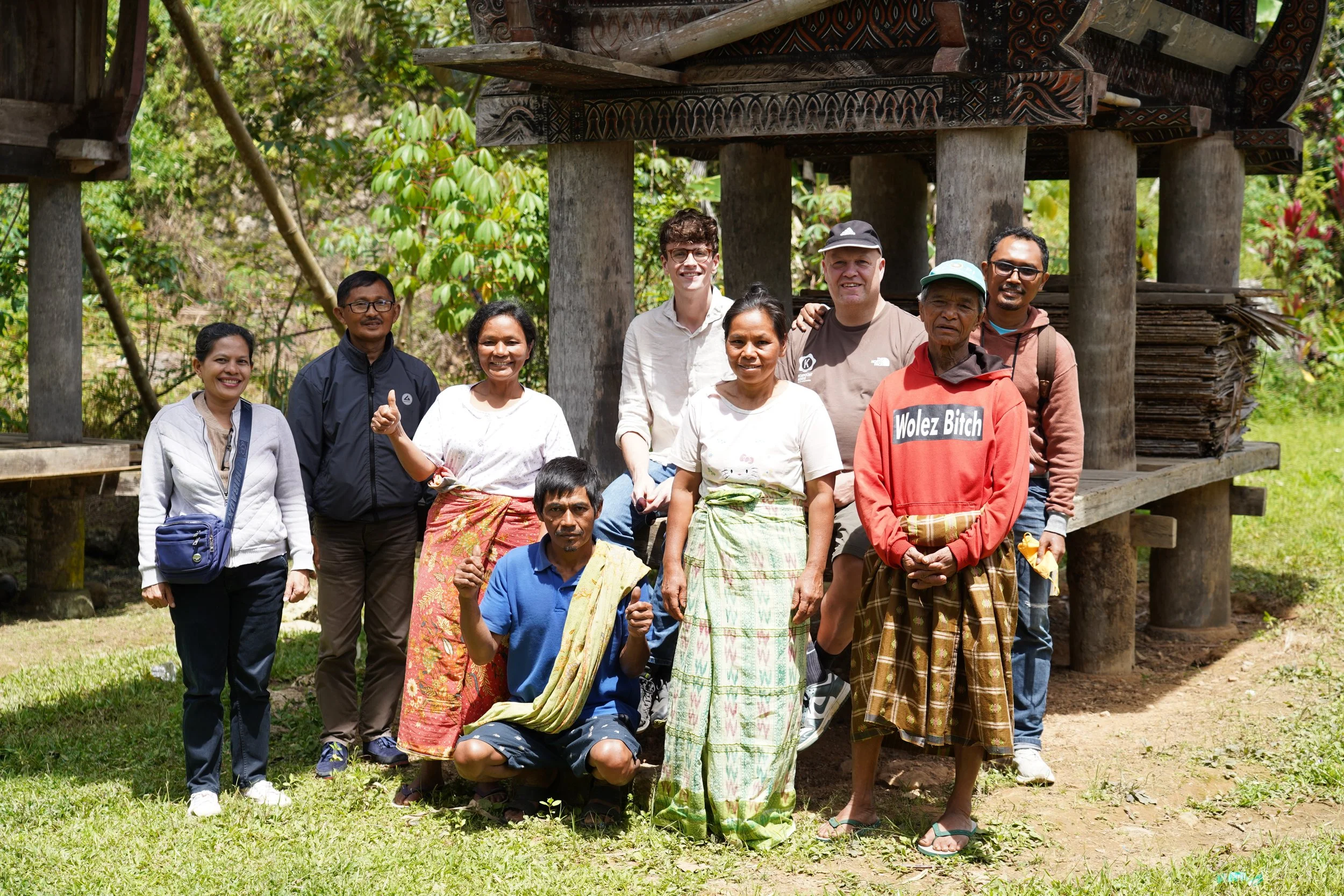
In the Temanggung region of Central Java, the Kojoyo cooperative and the Candiroto farmer group are using specialty coffee as a pathway for economic and social transformation. Founded in 2019 by Wahyu Setiono, Kojoyo works with smallholder farmers across several districts to develop higher-value coffee production through improved processing, quality control, and cooperative organisation.
The initiative has helped farmers transition from declining or environmentally damaging crops such as tobacco toward more sustainable coffee cultivation. At the same time, the cooperative has created opportunities for rural employment, youth participation, and even the rehabilitation of formerly radicalised individuals through agricultural livelihoods and coffee tourism initiatives.
Through partnerships with local groups such as the Candiroto producers led by Cahyo Pertama, farmers collaborate on soil health, organic fertilizer production, and processing innovation. By linking these farmer organisations to international markets through long-term trade relationships, the project strengthens rural incomes while encouraging regenerative farming practices and community-led development.
For the Municipality of Amsterdam, continuing this sourcing relationship supports a value chain where coffee functions not only as an agricultural product but as a practical tool for rural resilience, environmental recovery, and inclusive economic participation.
Thanks to the long-term contracts from the Municipality of Amsterdam, Ontosoroh was able to provide sustained support that translates into tangible economic impact for the farmers. These first-level benefits create the space and resources for skill-building, experimentation, and process improvements across different sites. Ontosoroh is helping farmers translate economic support from the Amsterdam contracts into capacity-building, innovation, and more consistent quality, ensuring that the benefits of trade and stable pricing reach the ground level where they matter most.
2025 RECAP
WHAT DID NOT GO WELL?
There is quality per kilogram, but there is also overall quality, expressed in consistency. It means that when you order 200 bags of one specific quality bracket, you expect that every single one of these bags is the same, and that a sample is representative. For the coffees of Asnikom, sadly, this was not the case.
It meant that the exporter Ontosoroh had to resort and reject a lot of the coffees on Java, with a lot of extra work and time. The shipments occurred a heavy delay as a result.
One of the core reasons behind this was timing and communication. The robusta market took a heavy swing in 2025, and the cooperative offers day prices for cherry for the farmers. As This Side Up, we pay the average of the day prices throughout the season. It appears that the cooperative waited a little too long for the prices to go down, and did not reach out to the exporter about this. It lead to a time squeeze, and a pressure on the processing facilities, leading to quality issues.
WHAT WENT WELL?
Asnikom Youth Group – Coffee Quality Control Training
In 2025, Ontosoroh continued supporting the Asnikom Youth Group to strengthen Robusta quality control. Youth received practical training on physical defect identification, moisture control , basic water activity awareness, and structured cupping. Ontosoroh plans to continue this support in 2026 with advanced cupping, fermentation and drying control training, and regular monitoring of moisture and defects.
Cahyo – Java, Candiroto
While last year activity was limited, in 2025 Ontosoroh expanded work with Cahyo by opening a drying station and micromill to handle more Robusta and facilitate experimentation. Ontosoroh is also supporting the start of specialty Liberica processing. These initiatives provide opportunities for technical skill development, process experimentation, and exploring new value-
added approaches in post-harvest and specialty coffee production.

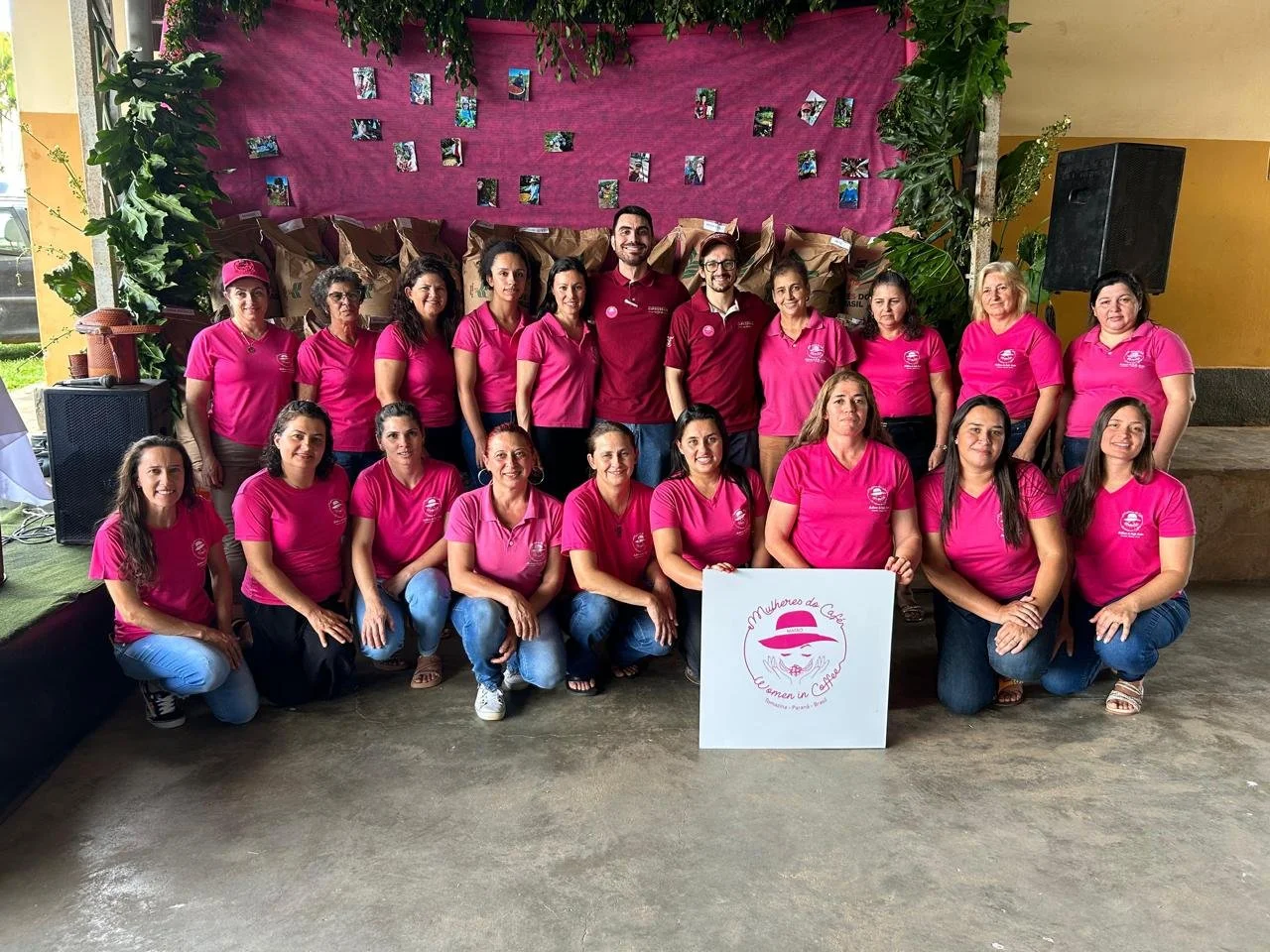
Capricornio Coffees is an exporter that works closely with farmers in Brazil by offering them agronomical support to help them develop the best quality every season. This creates the upward cycle of better quality which influences the market to pay better prices and foster quality investments back on the farm. Through their “Four Seasons” program, they offer technical assistance which also includes behavioral changes of the farmers. It is a first step to help farmers move from producing commodity to specialty coffee. This program supports the farmers during harvesting and post harvesting activities, but as the name says: it supports in all the four seasons.
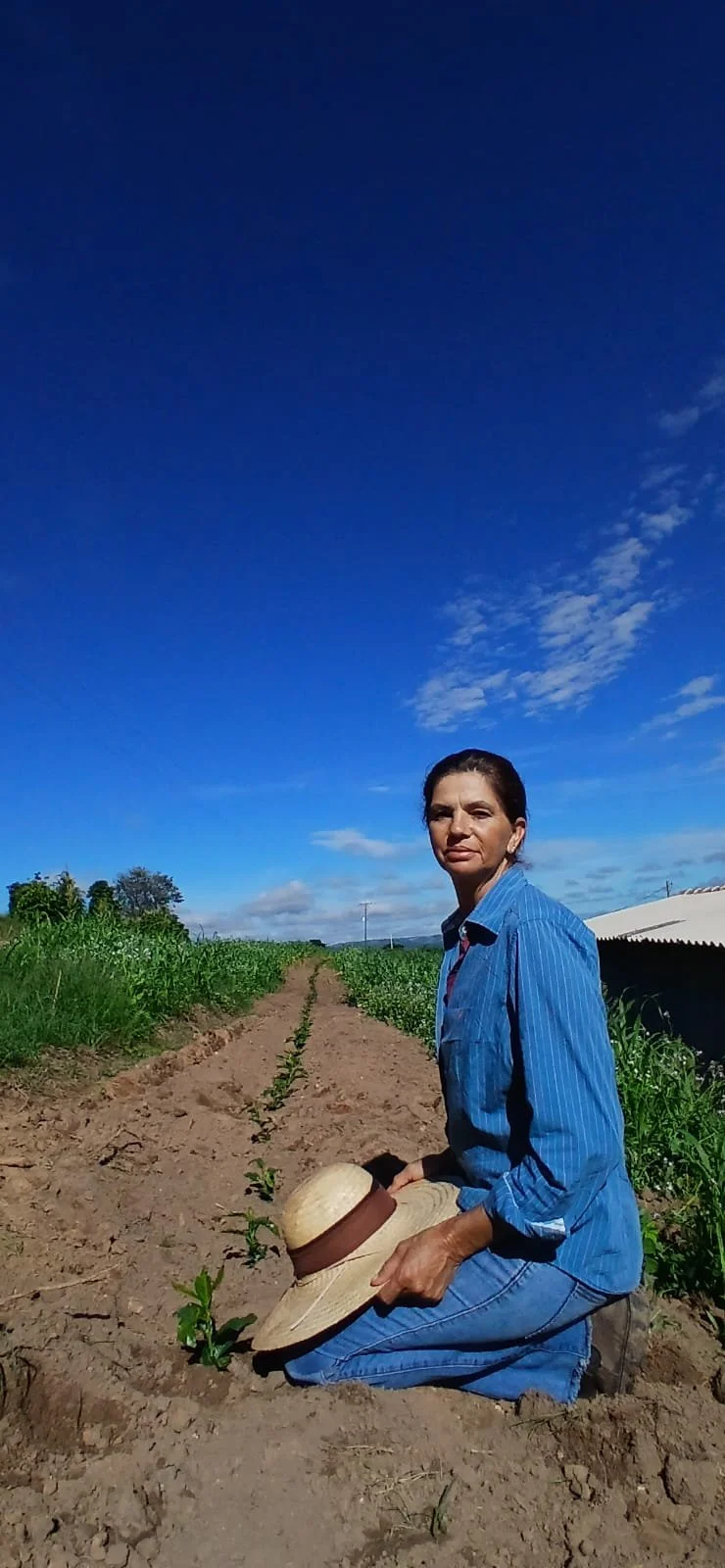
Moving from commodity to better paying and “pride enticing” specialty coffee, farmers gain headspace to care about the well being of the earth and community whilst producing their coffees. They move out of a “survival state”. Capricornio also works in a number of social projects locally to empower certain groups that are often vulnerable to climate change. Women in Coffee (WIC) is one such project that is also supported by This Side Up. Women from 69 small farms in Brazil are empowered by Capricornio through knowledge, know-hows and market connections to produce high quality coffees which could be recurringly commercialized. This Side Up has been working with WIC to also help them find direct roaster relationships so they can be provided with recurring contracts. Zwart’s Coffee, the roaster of the Amsterdam blend, is one of such partners.
Capricornio’s key focus area also lies in regenerative agriculture. They have been developing regenerative solutions towards combatting against pests like borer which is a common issue regarding plant health. The Brazilian coffees in the Amsterdam blend is supplied by some women from the Mulheres de Matao group and Fazenda California The Amsterdam blend typically consists of about 50% Brazilian arabicas for Mokum and 30% for Braine.
2025 RECAP
WHAT DID NOT GO WELL?
UNDERSTANDING THE COMPLEXITY OF BRAZILIAN REALITY
Even when knowing each other for so many years, and doing several visits to the farms, misunderstandings can still happen. We believed that a system where a farmer and a buyer set the price together, based on cost of production costs and early payments, would be the best solution for every coffee farmer. It seems that once again, context is king: the Brazilians did not want this system.
Why? Because they feel that the Brazilian realities are reflected well on the international market. And to an extent, this is true. When Brazil sneezes, the coffee market gets a cold, because of their sheer market size. So farmers feel that the international market takes care of their environmental swings. Other than that, they also use the market in a “farmer first” way, selling parts of their harvest throughout the year, using a variety of day and futures contracts. It allows them for liquidity, and to sell for a price they accept, on the day they need it.
For us, it was a little “shock”, but quickly we realized that as an agent of the farmer and a true partner: we support them in this. So for our Brazilian contracts, we use the futures market, and set the price in advance and let “the market” fix the difference between our price and the farmer price.
WHAT WENT WELL?
REGENERATION ACTIVITIES
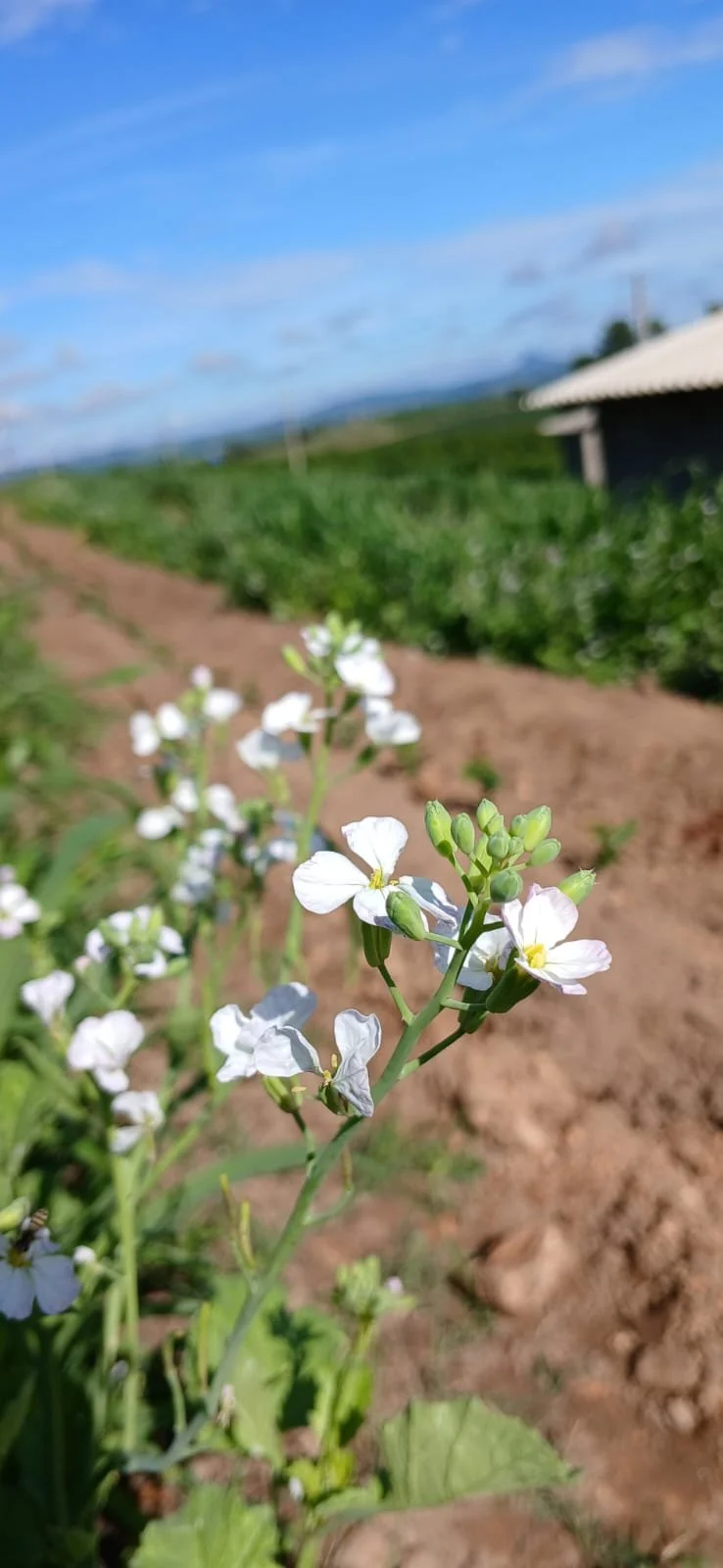
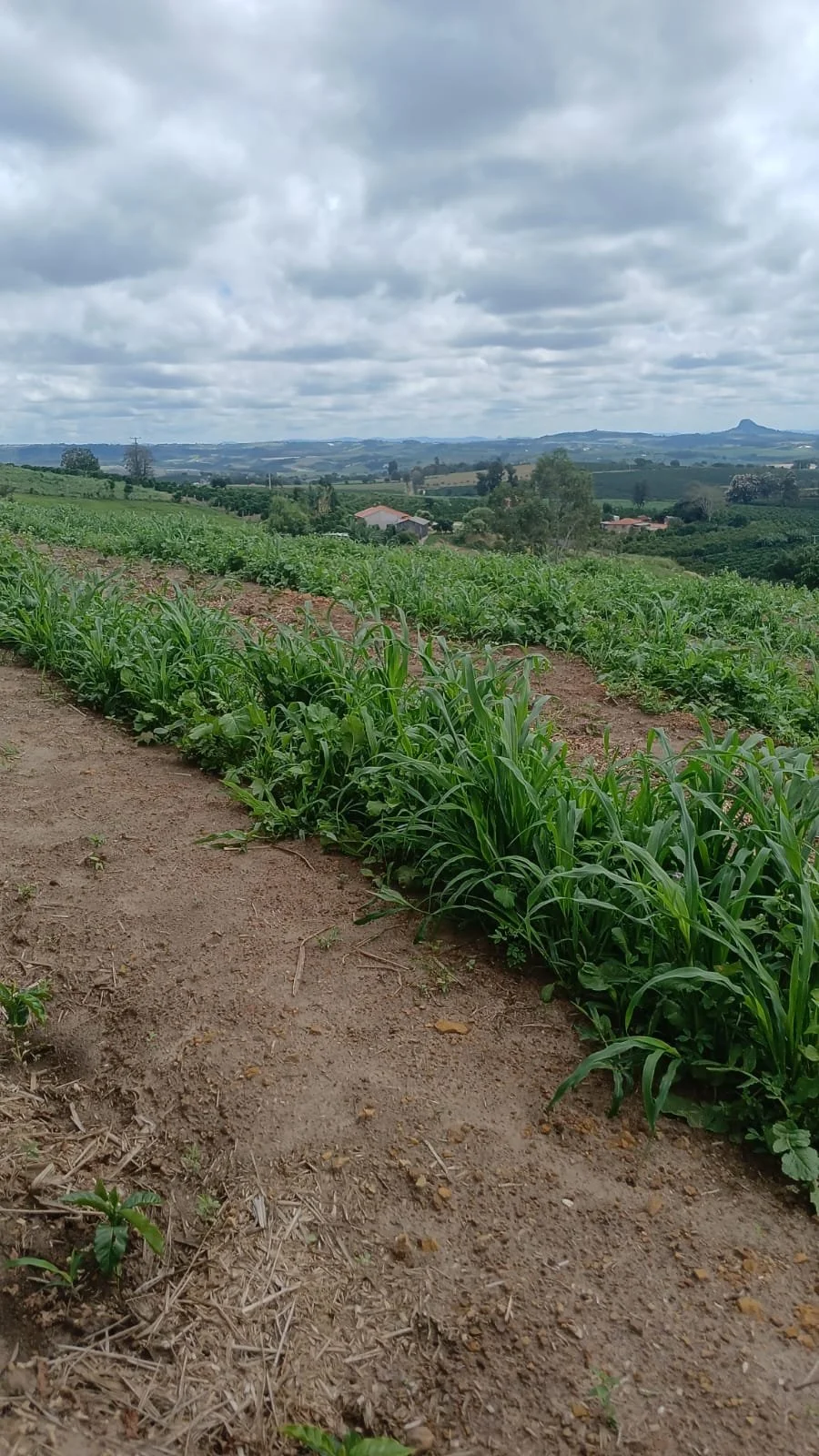
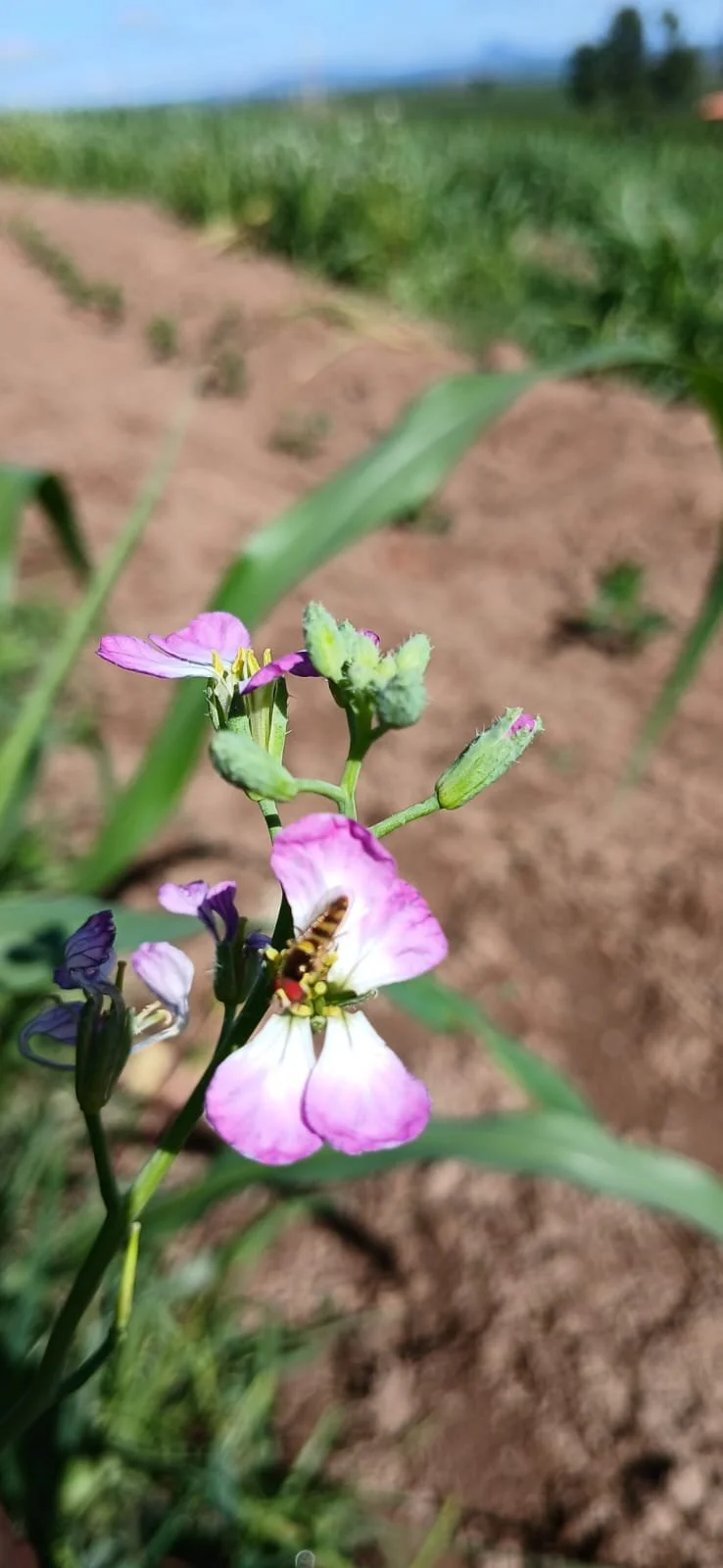
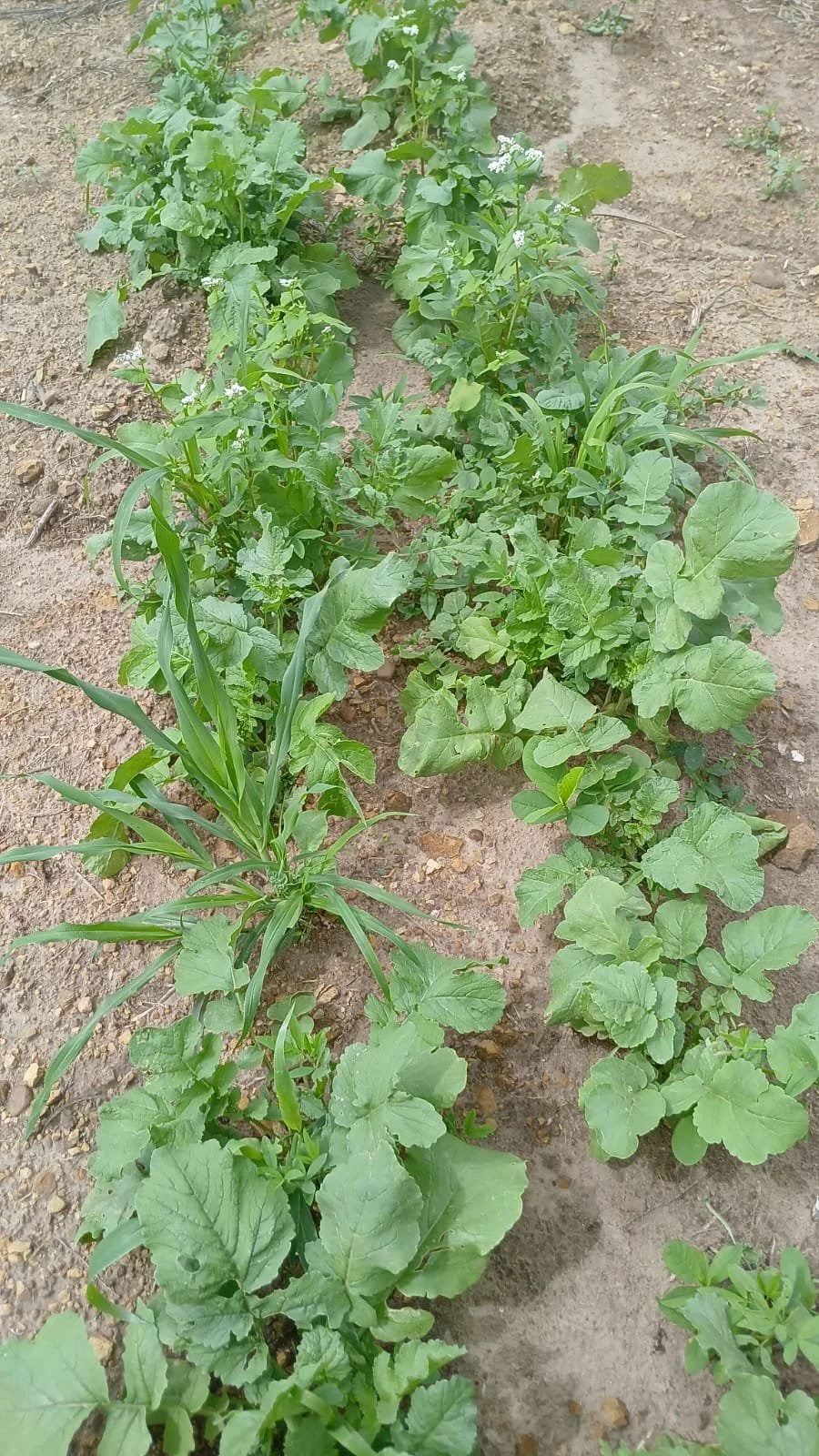
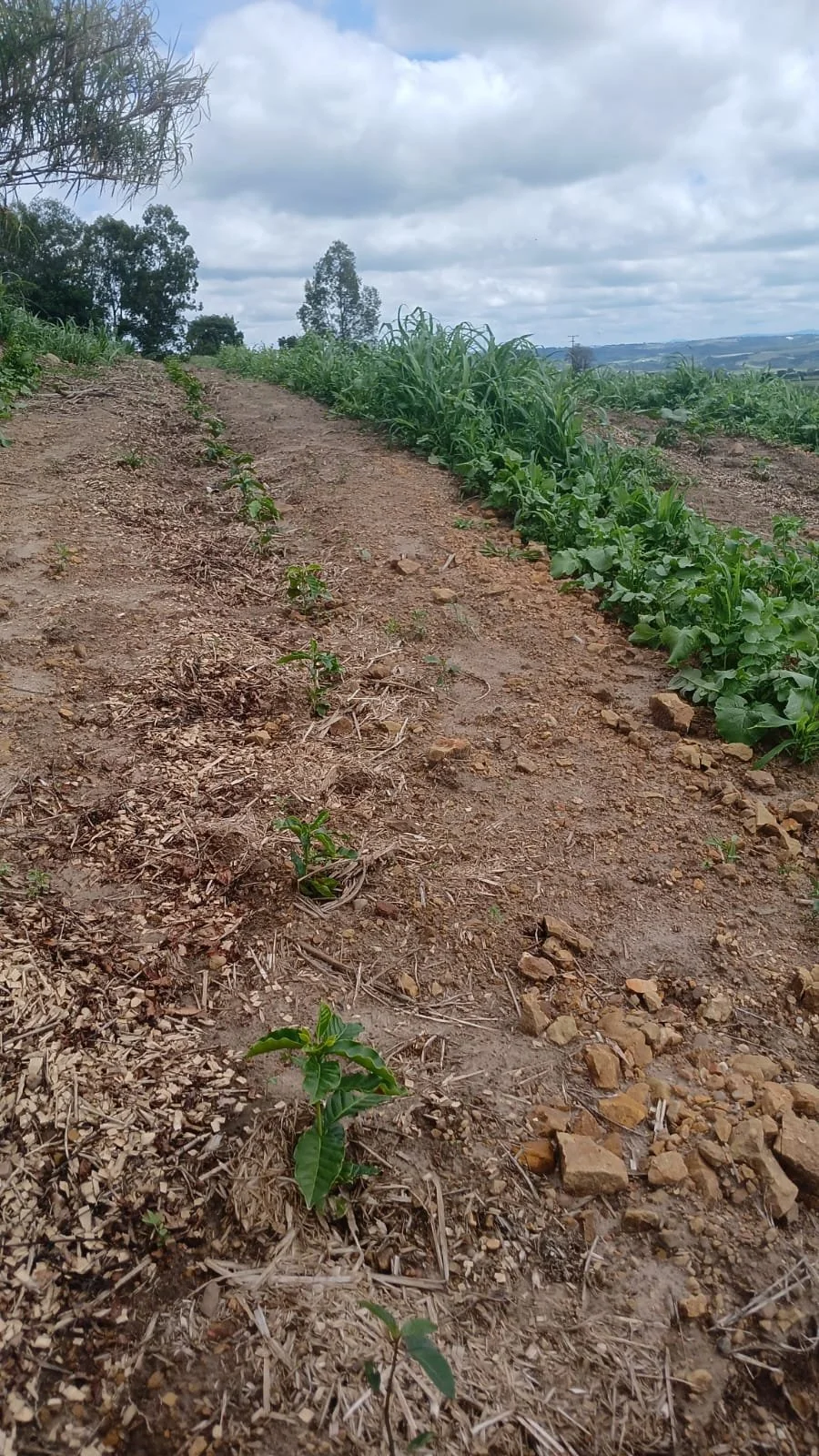
Wesley, the agronomist at Capricornio, worked closely with our partner farmers on a range of regenerative practices, all centered around improving soil health. As part of the Four Seasons program, he explained: “In these areas, a mix of cover crops was planted—six different plants growing at the same time, each with a distinct biological function. Together, they support the soil and the microorganisms that live in it. In new plots, they also act as windbreaks, helping reduce the spread of pests and diseases.”
Because Brazilian coffees form the backbone of our business, we’ve been able to build a regenerative premium of €0.06 per kilo into these volumes and reinvest it at origin.
So far, this has amounted to around €30,000, supporting Capricornio and our partner farms in developing and expanding these practices. It is an ongoing project and we will soon integrate the latest progress report here.