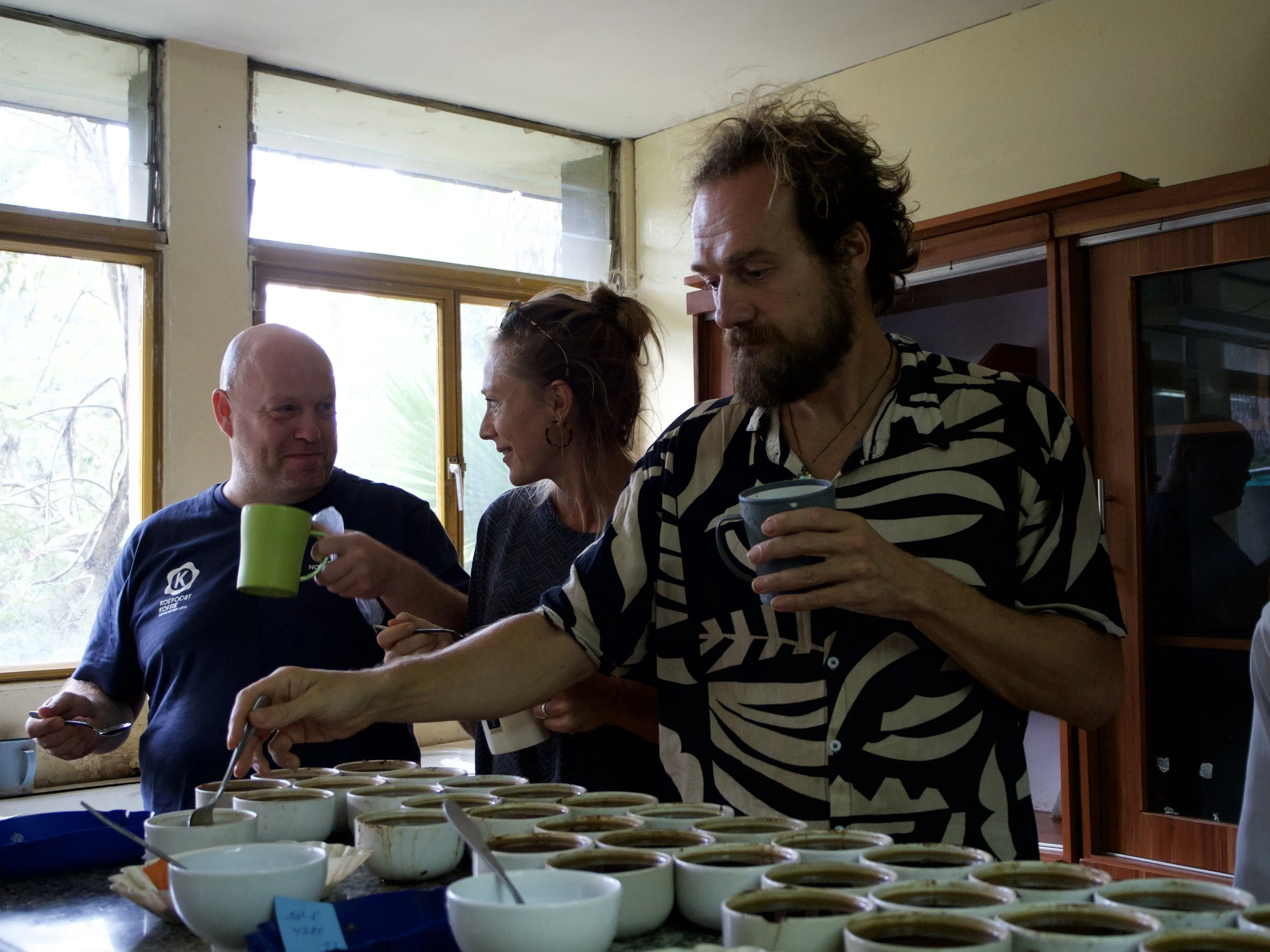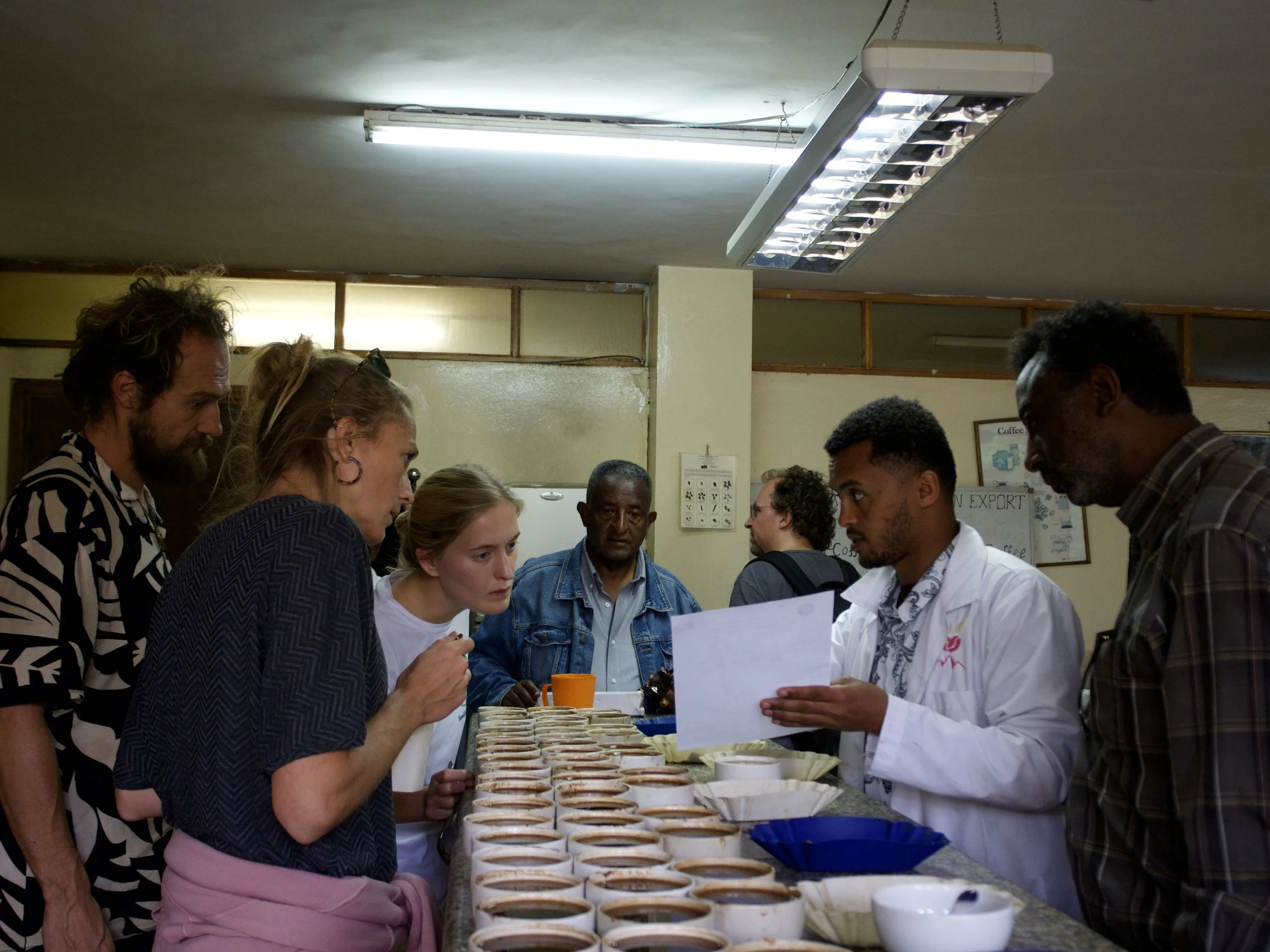
A natural community
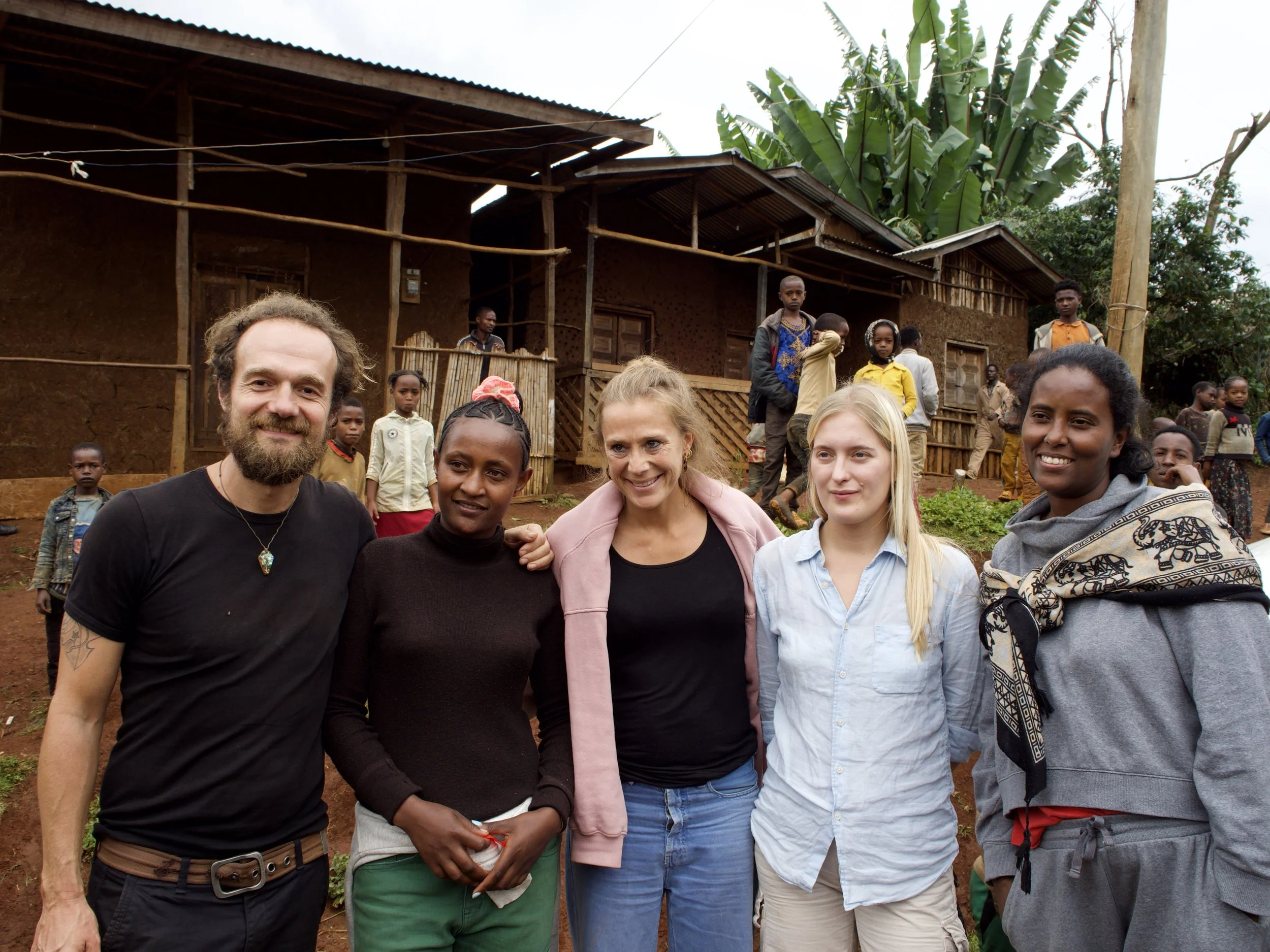
Puns aside,our natural coffees now come exclusively from Yirgacheffe and Guji, sourced through Tsedenia and Altayen of Mocca.Run by Tsedenia and Altayen,who come from a family that has been in the coffee trade since the 1990s.Mocca builds on deep-rooted experience of both their own family and the producers it works with.Before starting Mocca, Tsedenia specialised in coffee processing and export for over five years, while Altayen brings over 15 years of experience running a coffee shop.
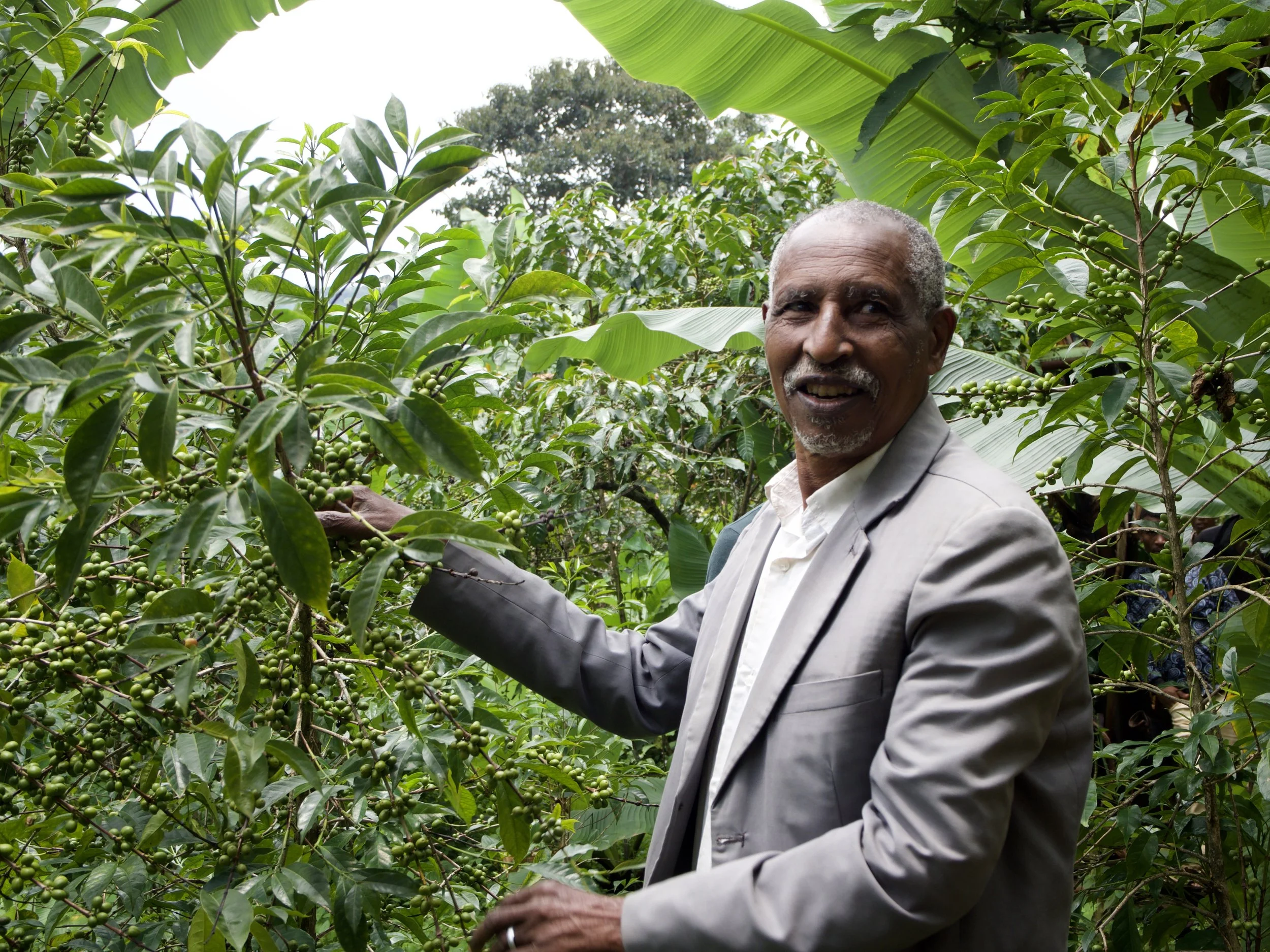
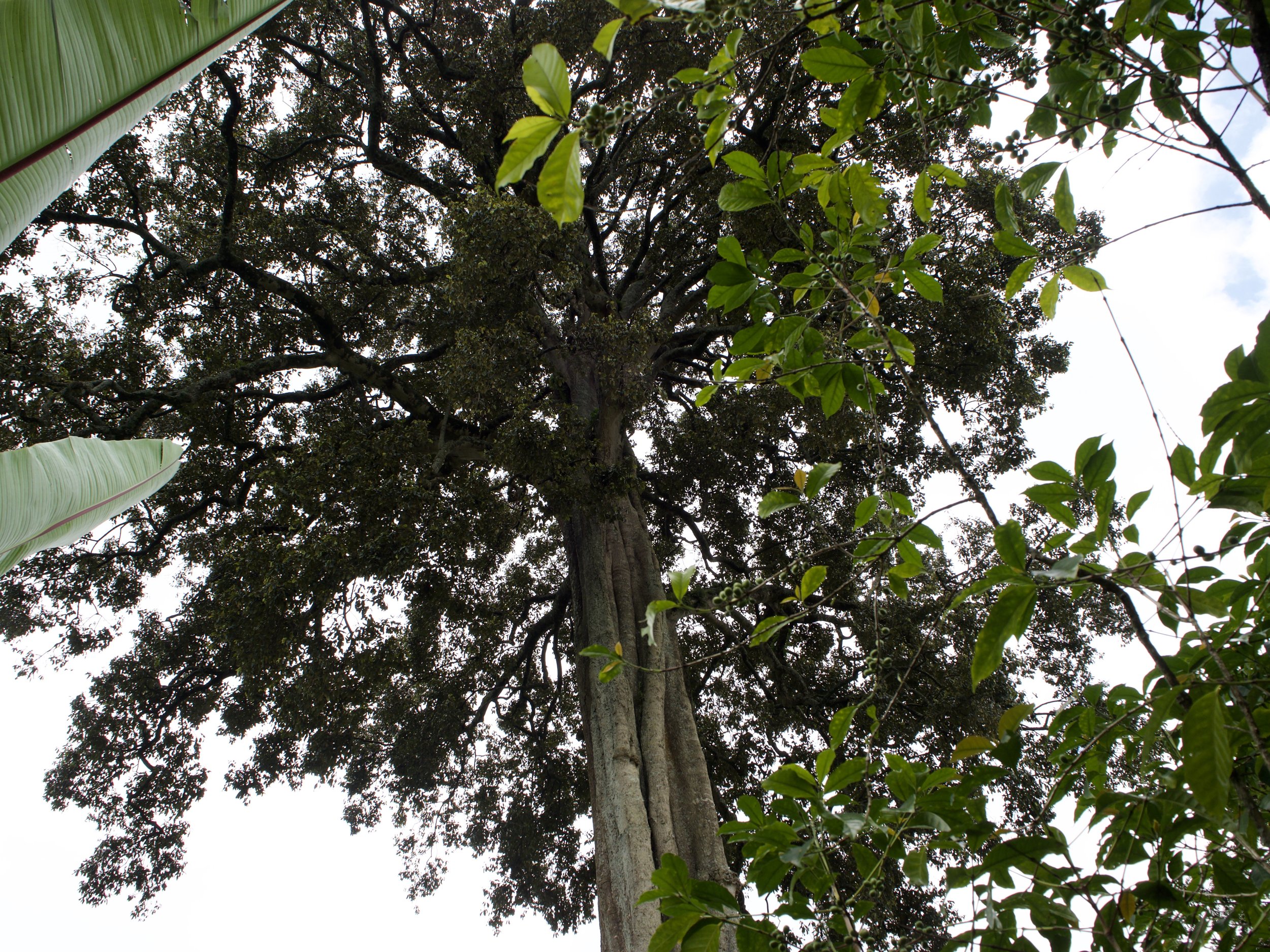
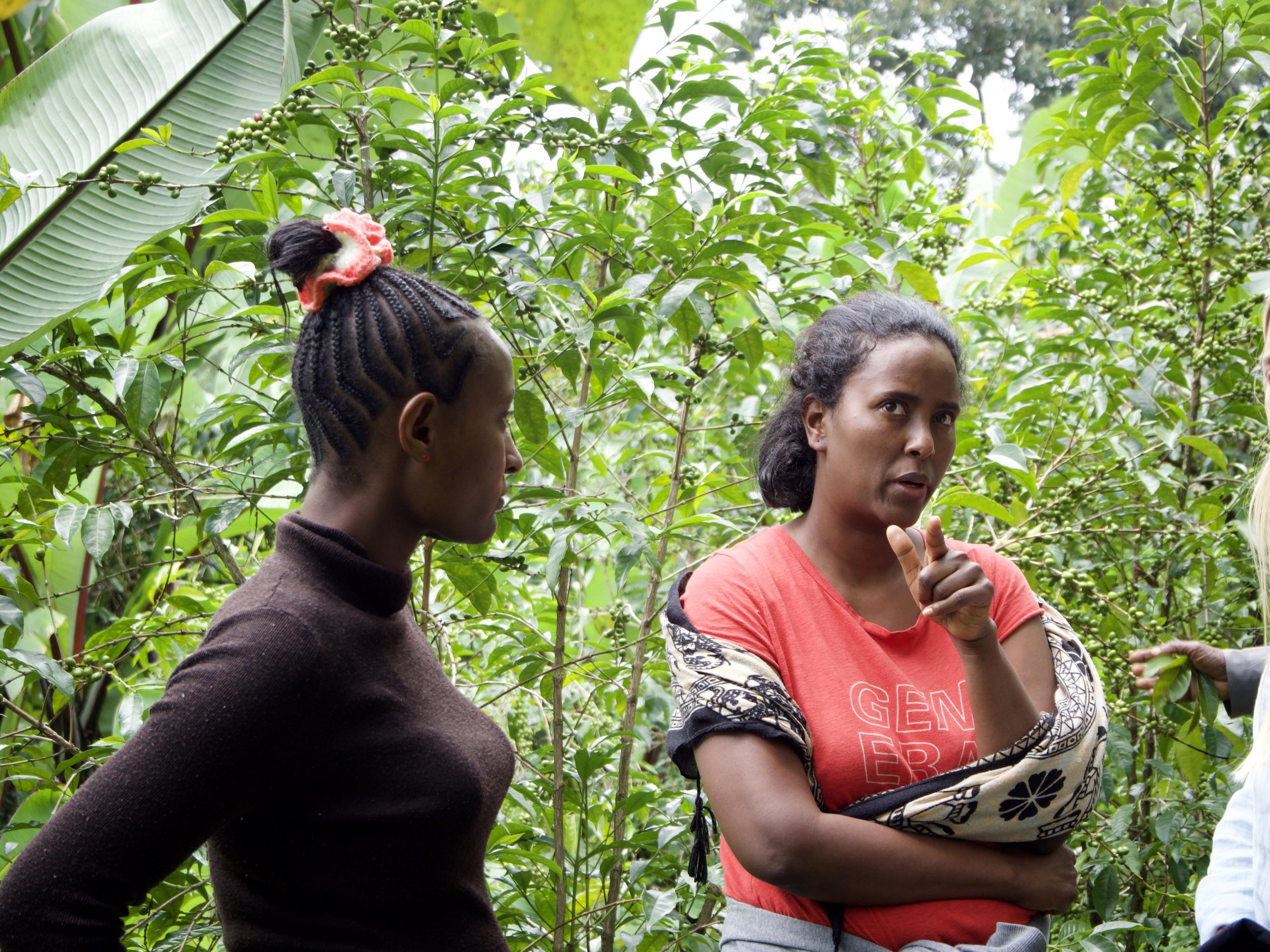
They work closely with smallholder farmers making each lot fully traceable and who carry generations of knowledge, where coffee and nature go hand in hand and remains a ceremonial drink for many who grow and consume it. Farmers cultivate coffee under agroforestry systems, and through Mocca’s dry and wet mills in Guji and Yirgacheffe, different processing methods are used to bring out the depth and diversity of Ethiopian flavours.
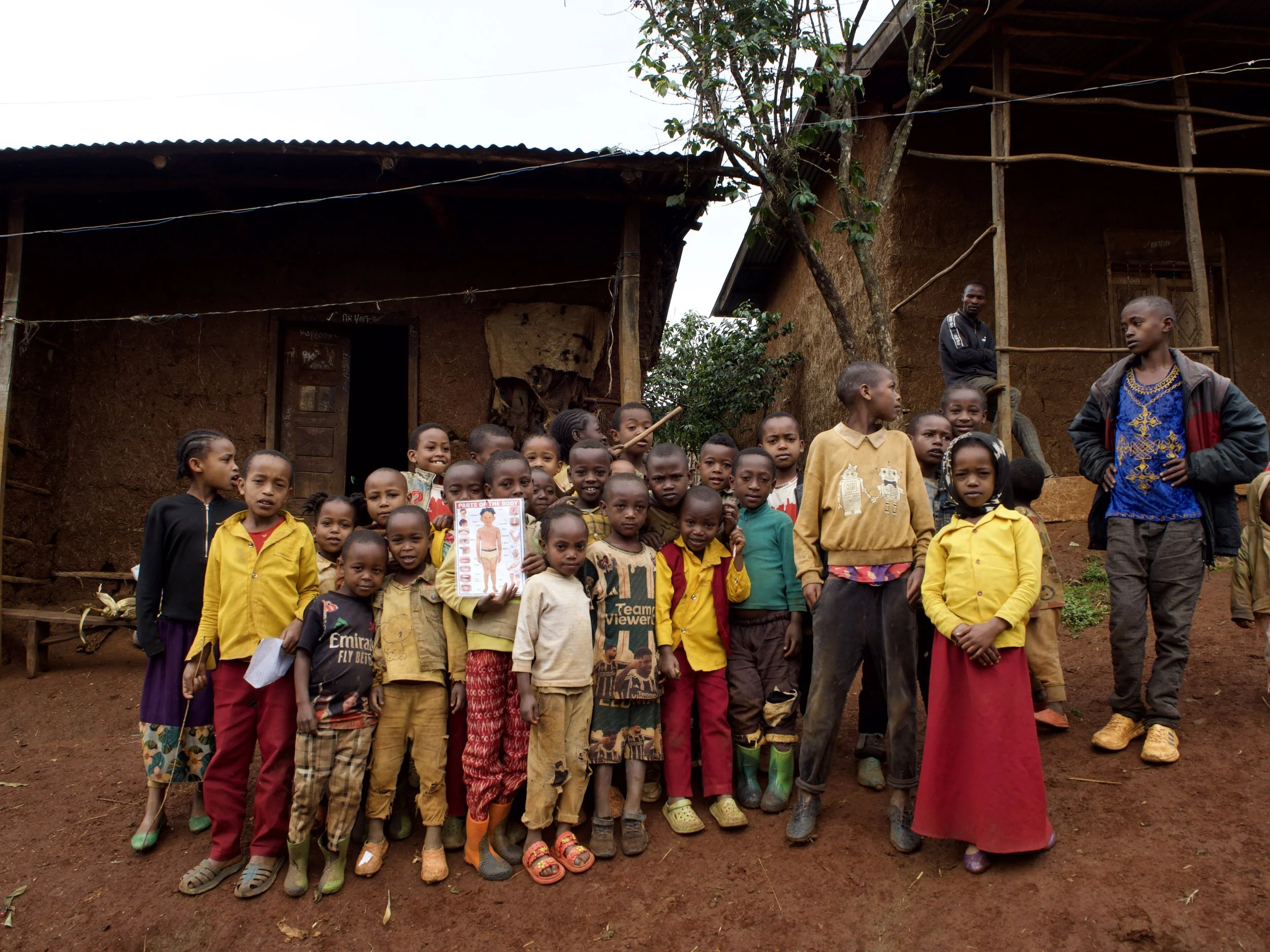
By returning year after year, she builds long-term relationships that add real value to farmers’ lives, mirroring our role and values on the other side of the chain. Through this continuity, she helps shape both single-farmer and community lots that can command premium prices—working with producers she trusts not only for their coffee, but for how they reinvest those premiums to improve quality of life within their communities.
CULTIVARS
Guji : 74110/74112/GUDBA/WOLISHO/KURUME
Yirgacheffe :74110/74112
elevation
Guji 2100-2250m
YIRGACHEFFE : 1800-2000m
NOTABLE
. Their natural Guji Derikidame comes from smallholder farmers in the villages of Derikidame and Bisanfugu in Hambela wamena district of Guji zone. Derikidame is the name of the small village where their dry mill that we call “Abayneh Kebede” after their father who set it up. And their Yirgacheffe comes from smallholder farmers in the villages of Foge, Hafursa Waro, and Haru in Yirgacheffe and Abaya districts.
PROCESSING
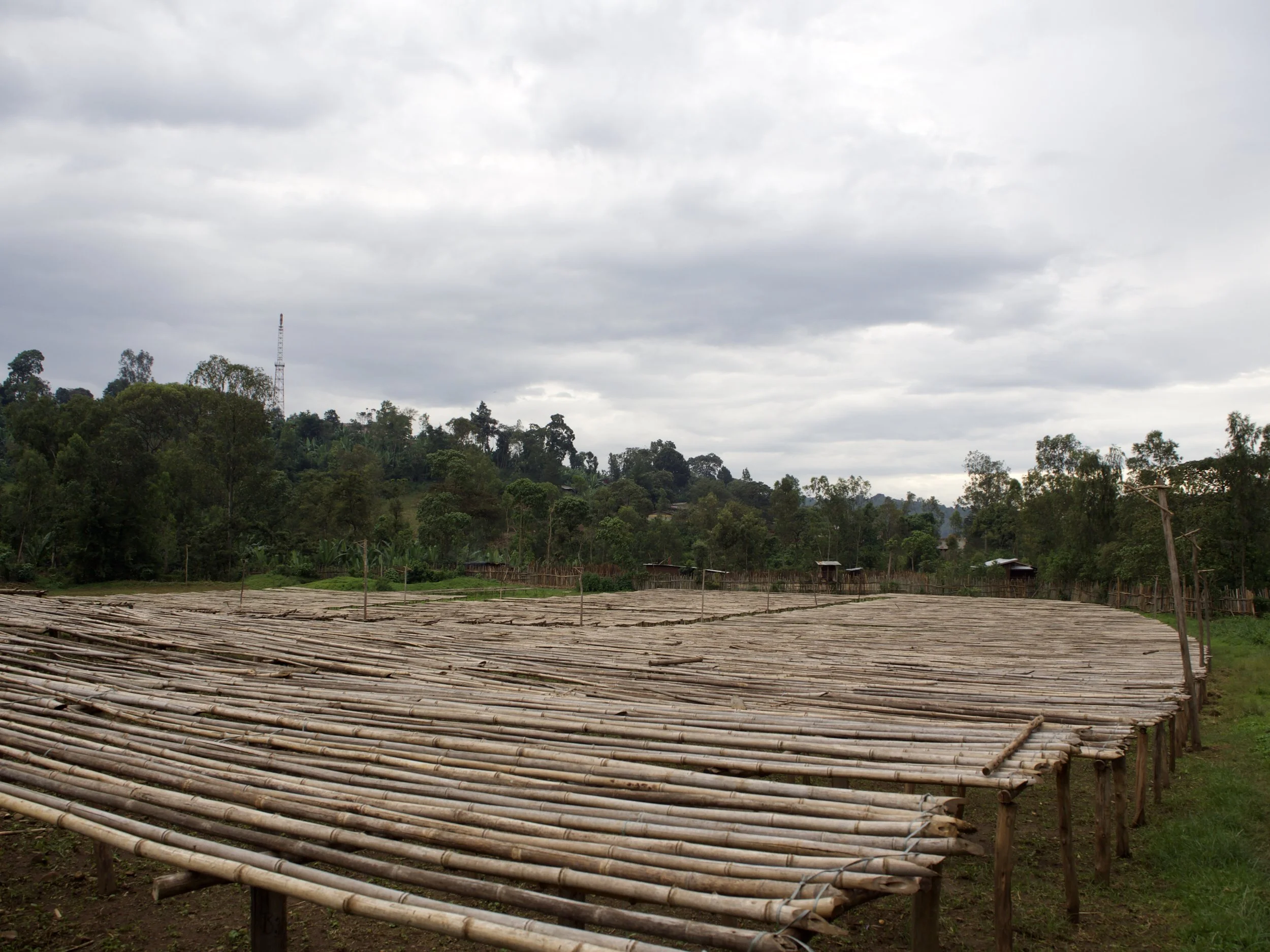
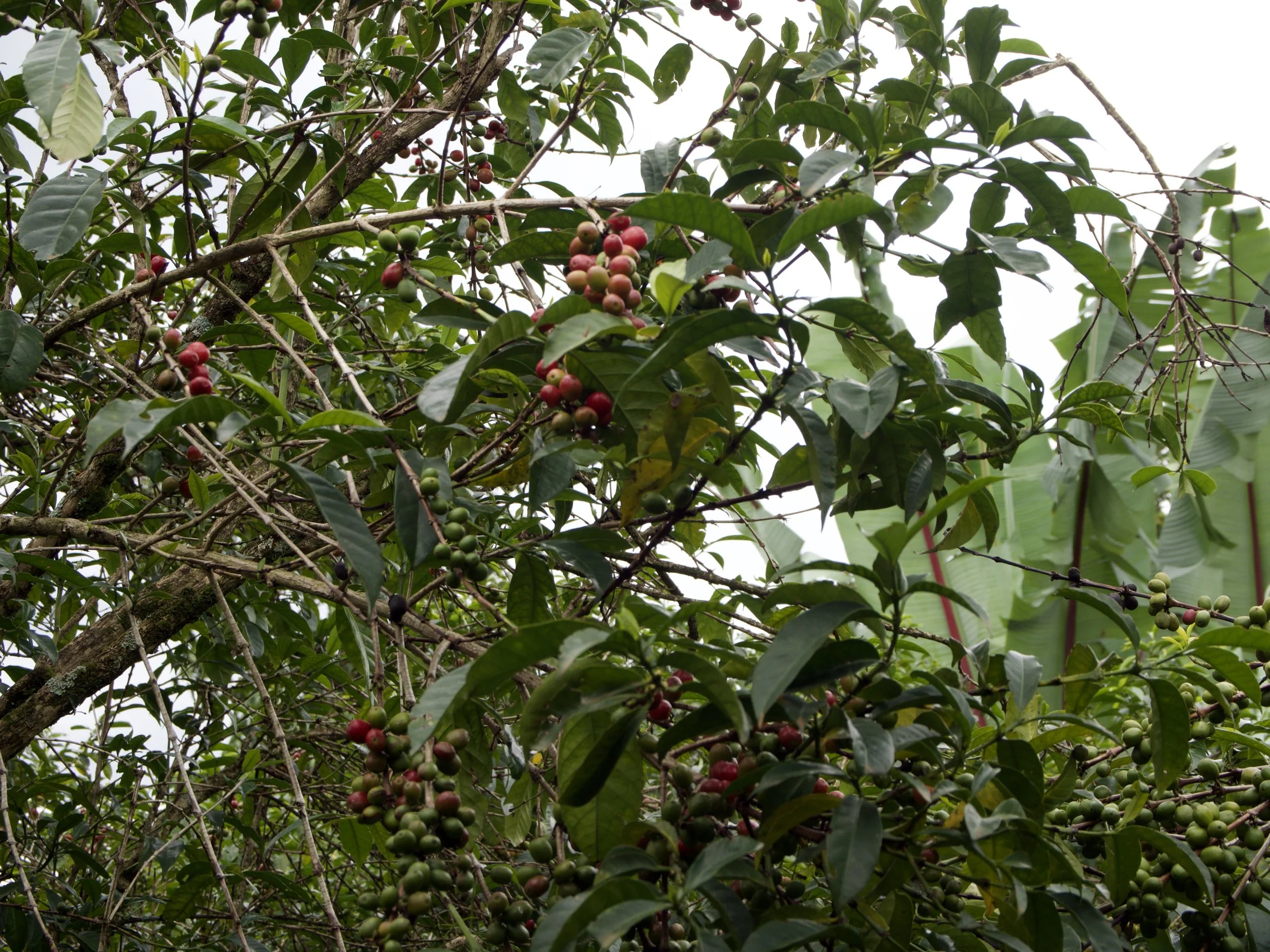
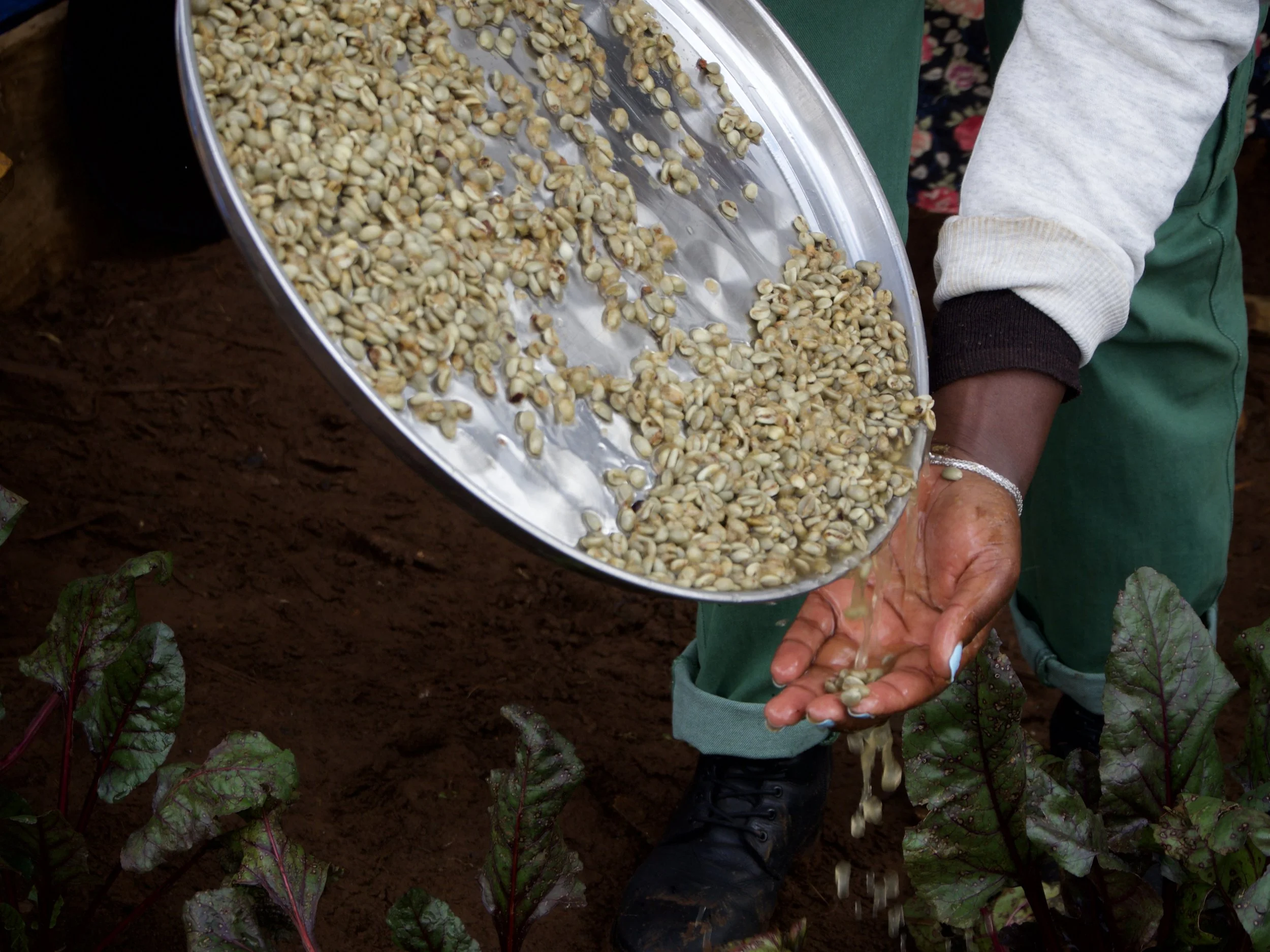
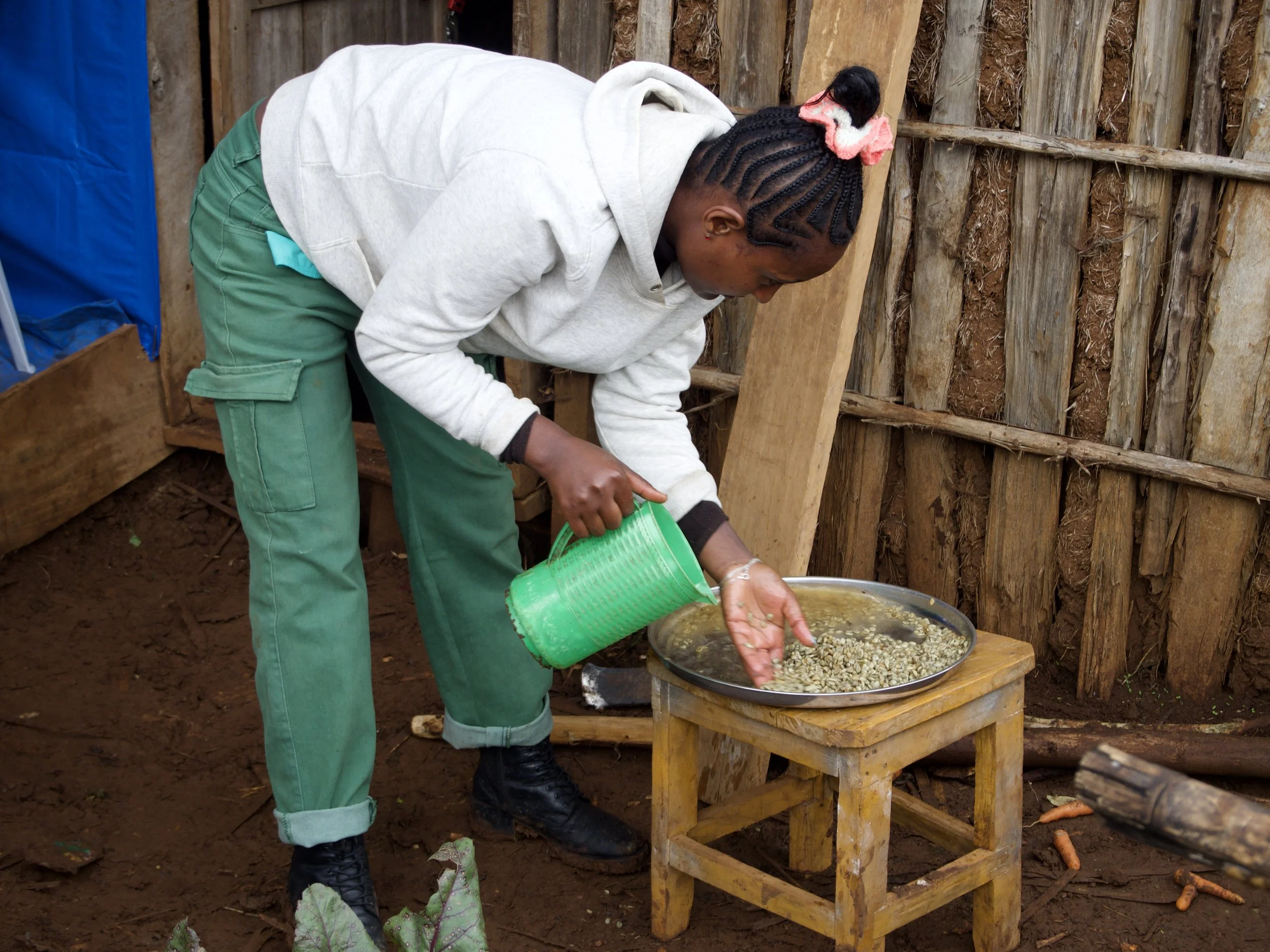
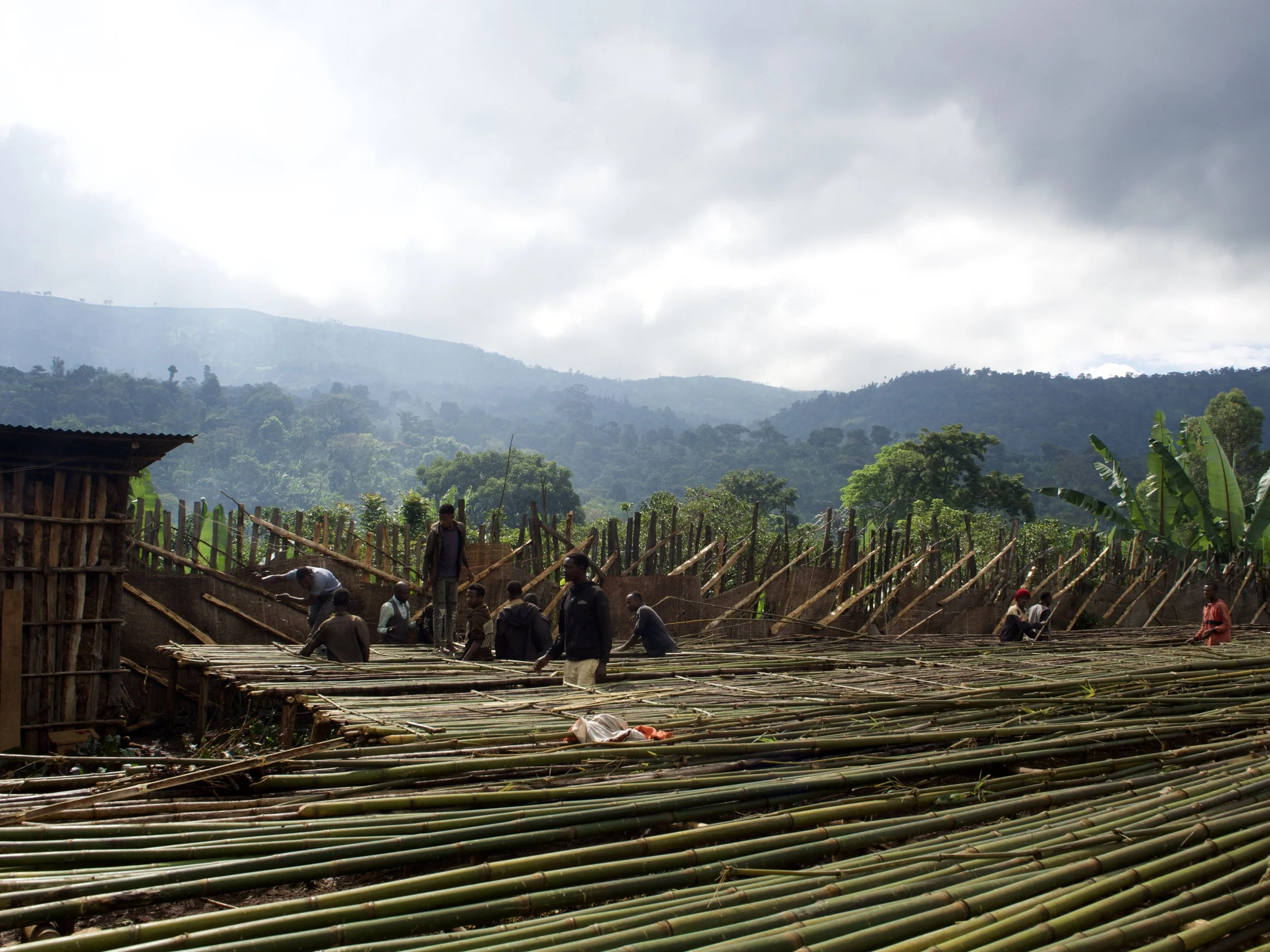
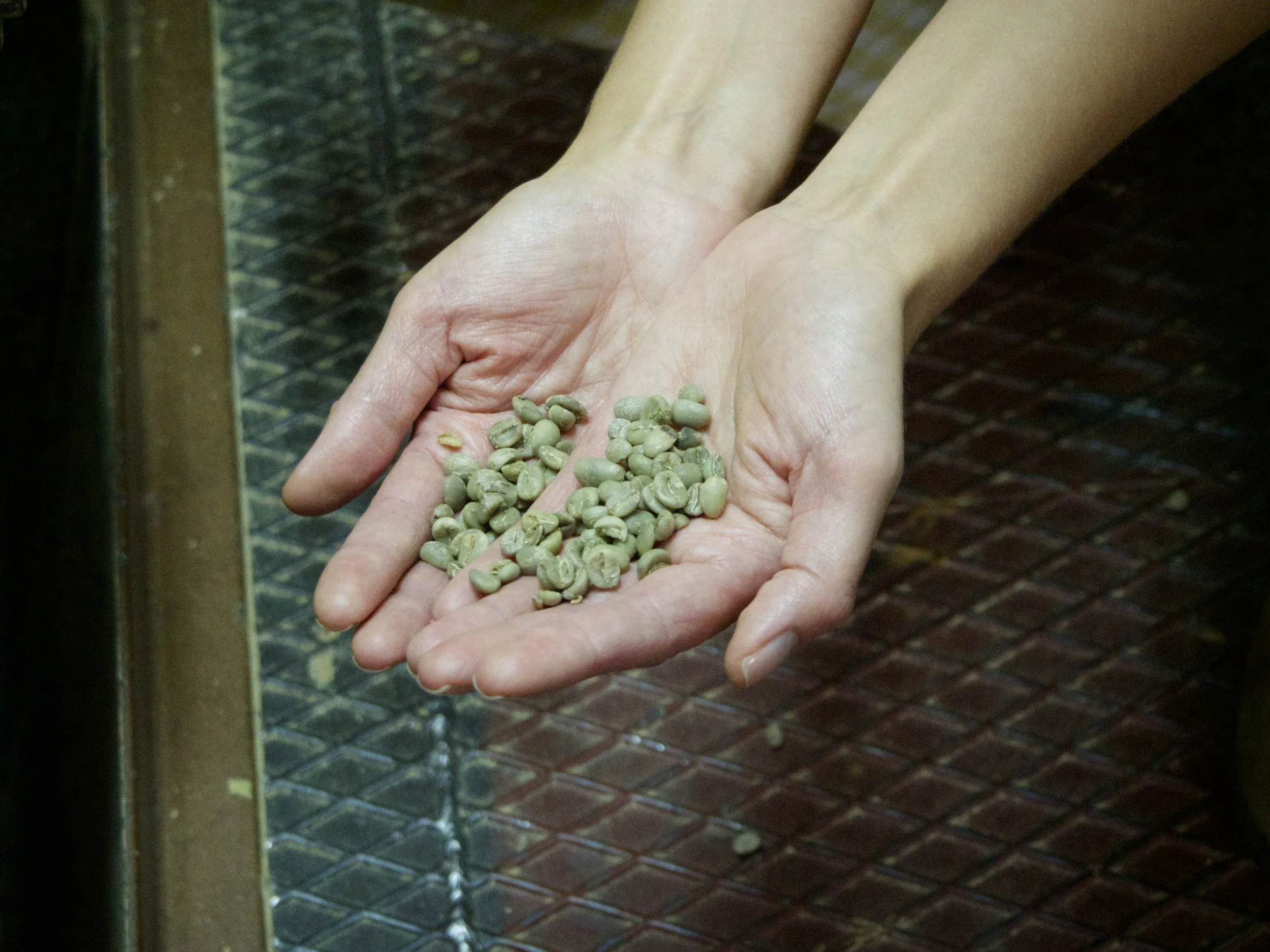
Naturals : They buy freshly harvested red coffee cherries that are handpicked from farmers around the dry mill. The selected red cherries will be put on natural drying raised beds usually for 21 days or more depending on the temperature. After the coffee finalized it drying on the natural sun, it will go through under huller for removal of the outer skin cover or cascara in the dry mill.
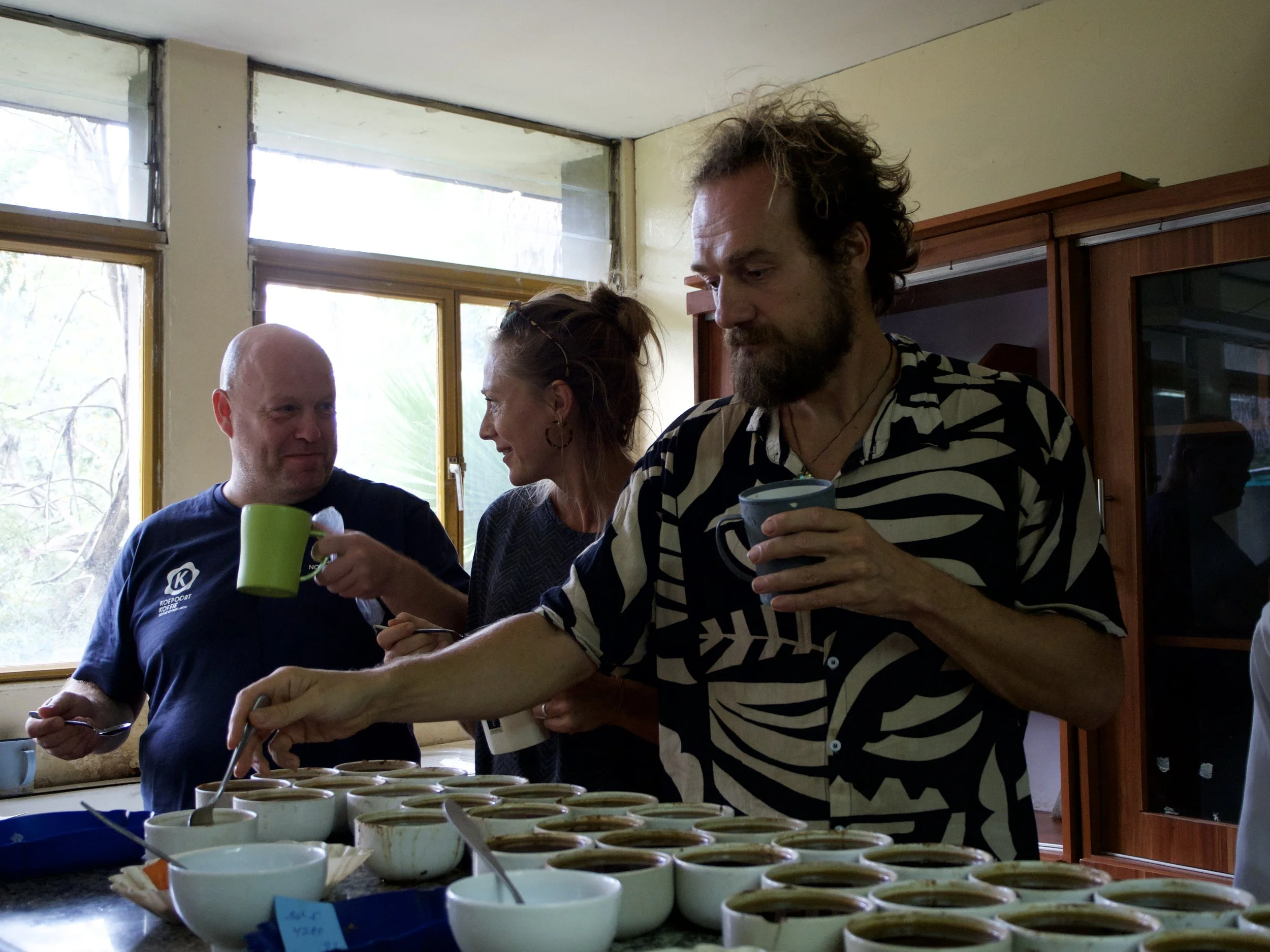
TASTIFY™ CUPPING NOTES
2026
Mocca -Gersie - Aklilu Gobena - grade 1 - natural
Mocca -Gersie - Alemayew Gosaye - grade 1 - natural
Mocca - Guji- Dimtu - grade 1 - natural
-
The price you pay for Dimtu grade A1 p/kg. We agreed on this price directly with the farmers, disregarding the volatile US Coffee C price.
-
This includes the cost of farming, harvesting until it’s export quality.
-
Limmu Kossa helps Bawari with technical assistance, providing seedlings and also for coordinating the entire export process.
-
International shipping from Corinto,Nicaragua to Rotterdam, Netherlands. It is inclusive of freight, customs, insurance and warehousing costs. In this case, it was coordinated by our partners at Covoya.
-
Average financing cost owed to (mostly social) lenders. This ensures immediate payment to the farmers when the coffee leaves the farm or port.
-
A standard TSU premium on all coffees designated exclusively to accelerate farmers’ own regenerative agriculture project. Read more about the regenerative projects done by Silivo here (Link coming soon).
-
This Side Up compensation for spending time and resources importing this coffee. Our work includes year-round contact with producers, managing export, shipping, import, warehousing, grading, sampling, finding and keeping roasting partners for Dimtu € 1,55 is This Side Up’s Model 1 markup. For a full overview of our modular margin construction, see the Trade Models page