

We are connected through trust
We do not depend on bureaucratic structure to justify cooperation with any of our partners but work together on the basis of trust, which we earn and deepen with every interaction, devising ever more ambitious social and ecological goals together as the "marriage" develops. We work together because we can make the biggest impact as a group. This brings us together naturally, but without obligation.
This also means daring to make ourselves redundant. If producers or customers get opportunities for development outside of our sphere of control, we will not try to stay in control at all costs, but instead put the interests of the system before our own.
2. We are accountable through transparency
An open and connected world means the producers of our coffee are no longer invisible. They have the right to be seen and to be contacted by whoever buys their coffee. We are not secretive about who our producer partners are and encourage communication within the chain and between chains. We not only pledge to, but are proud to show our direct relationship with the producers and the distribution of revenue throughout the chain. We also shed light on the complicated coffee trade process itself.
The direct result of accountability through transparency is that we cut out all middlemen that do not add value and that no one in the chain can get away with greed. We always provide a full breakdown of our coffee prices down to the payments to the farmers - available for everyone to see and backed up with official documentation.

3. Farmers are equal partners
The old development model is based on white folks telling coffee farmers how to run their lives. Instead of demanding a certain development path, we simply ask our producer partners what they would invest an extra premium in. Whether they want to become independent of banks or buy rural health insurance - if that's what your trusted partner wants, it's the right choice.
Ask yourself this: why do we talk about “living income” when talking about farmers and about bonuses when talking about coffee companies? We strive to confront the world with the inequality that is still rife in coffee, but instead of wining about it, provide a real alternative. We create a truly equal say in the coffee value chain for everyone we work with: coffee farmers become exporters, storytellers, marketeers, social media experts - everything you would expect from an equal partner.

4. We cooperate instead of compete.
We think a healthy business can grow simply by being true to a vision and by showing the world what it does, and thus attract the right customers. Only if you actively try to take customers from others, or fear that others will take your customers, will you feel competition - arising from fear and the illusion of scarcity. Without this fear, there is just cooperation with likeminded people, just community. By framing our message truthfully and boldly, our new customers switch from companies who consciously destroy livelihoods and ecosystems, thus fulfilling our objective without negative effort.
We built This Side Up not as a company, but rather a community inspired by the will to open up, share and create true relationships along the value chain.

5. We are inspired by nature.
We believe that when you respect the pace of nature, it will reward you with abundance. In the short run, a farmer might think that chemical pesticides and fertilisers will give better yields and more income, but in fact their farm slowly gets degraded and addicted to these inputs, resulting in even more problems in the long run. When everyone, farmers and roasters alike, understands and respects the natural way coffee wants to grow, we believe we can reeducate the market to consume less, but higher quality coffee.
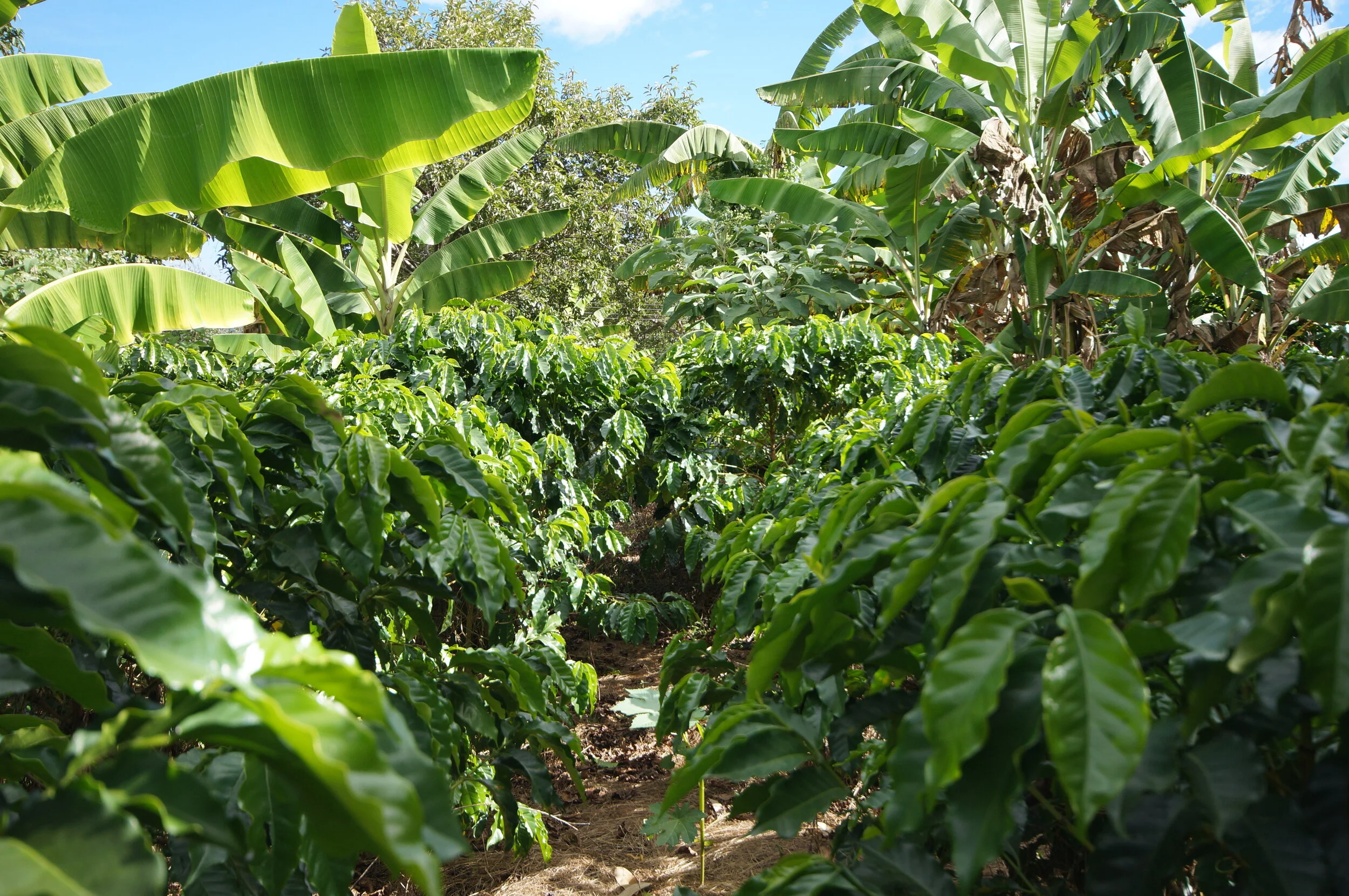
We help farmers transfer to regenerative systems that make use of the land’s local species and features to make the best possible habitat for the coffee tree. Such a system is very knowledge-intensive but when done right requires less care, restores soils and biodiversity, balances the micro-climate, gives higher quality coffee, generates additional income and attracts more loyal buyers.
As for waste, this does not exist in nature. Although we realise that we still create waste and emissions, we strive to mimic natural cycles by using either compostable materials or by finding creative ways to repurpose undegradable packaging. We always try to rethink the value and waste flow in our own company and encourage all chain partners we work with to do the same.