Collective Roots, Growing Futures
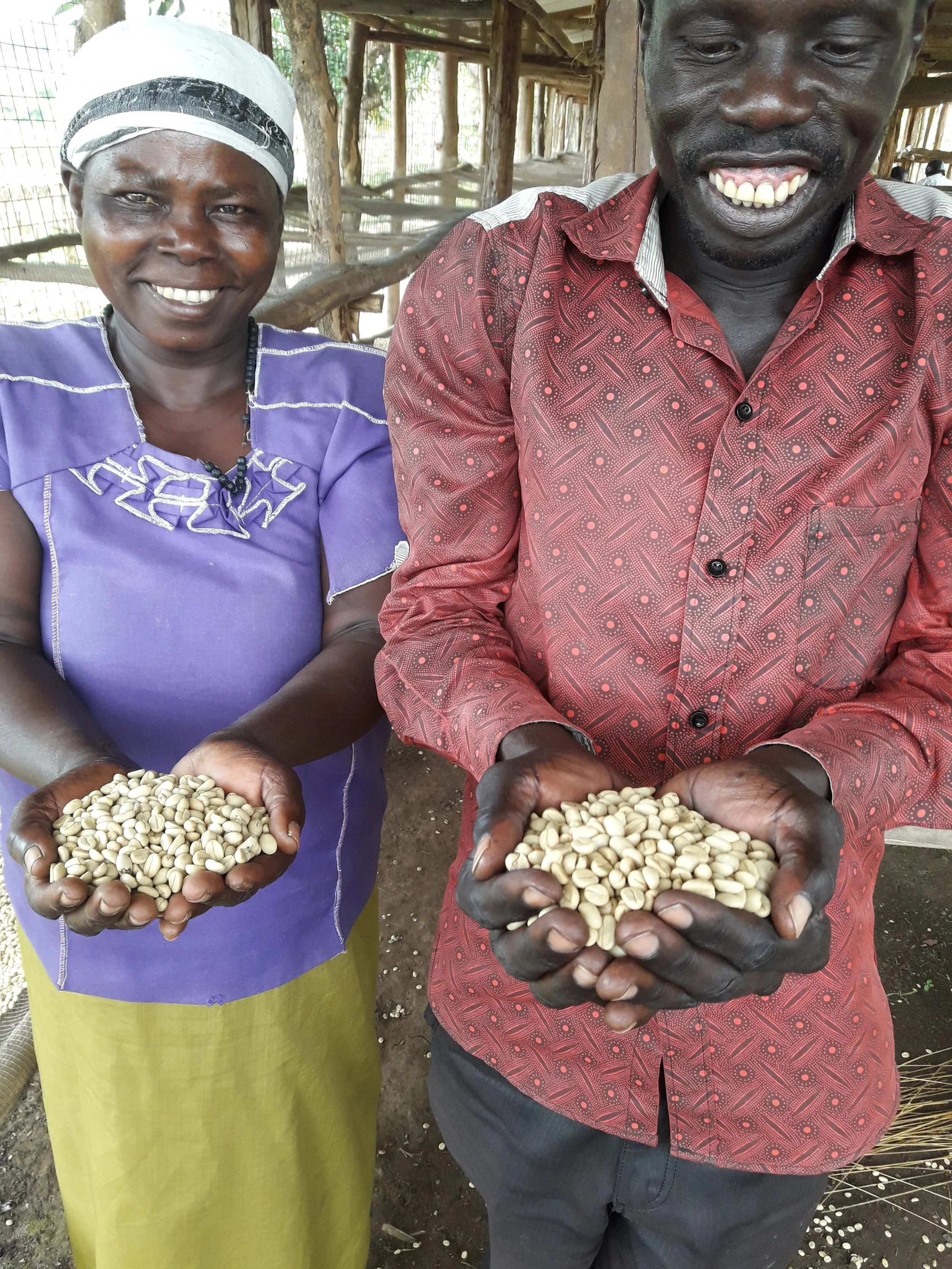
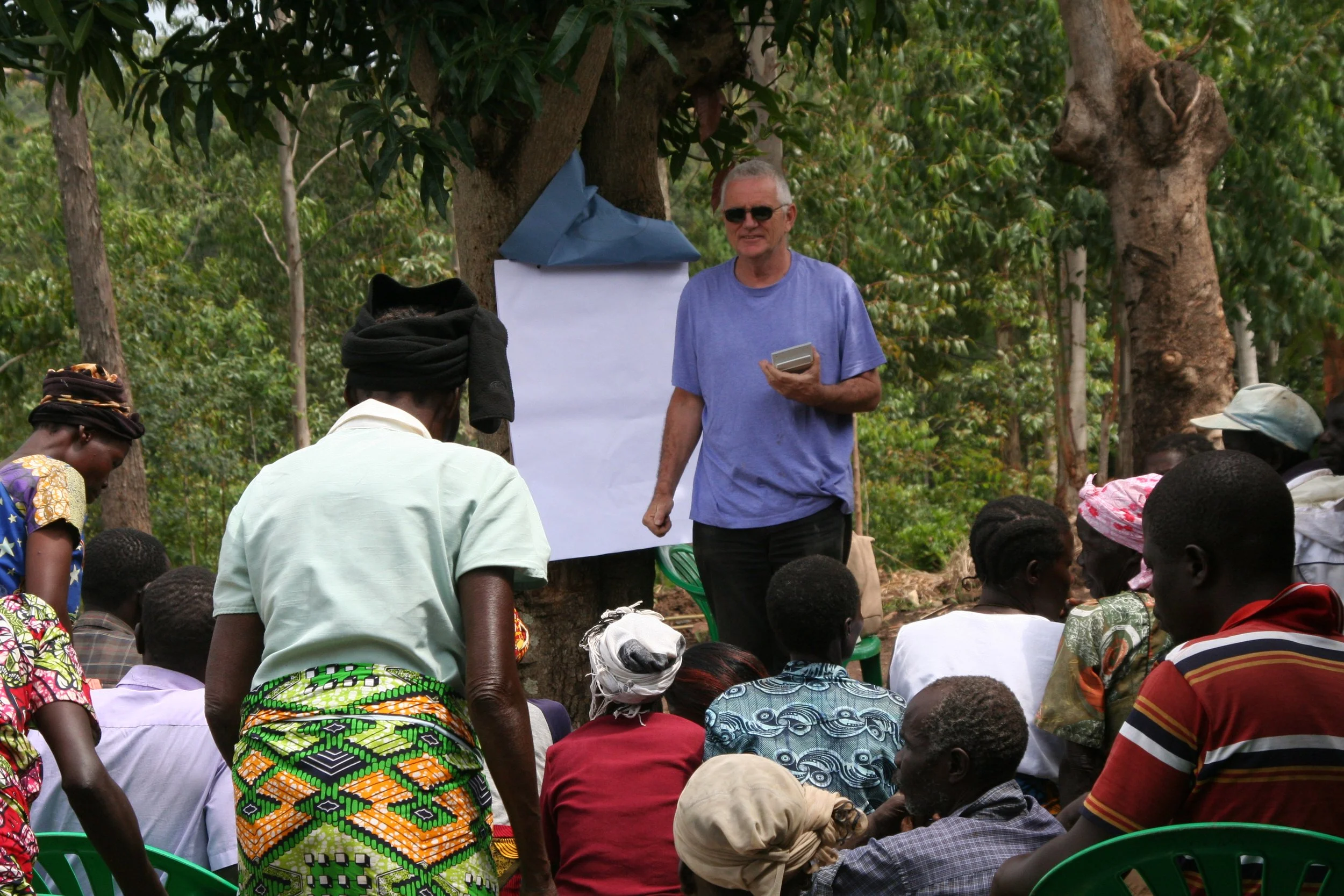
The micro‑station was established in 2015 by a diverse group of 300 youth, women, and men who came together with a shared mission: to achieve better prices and produce higher-quality coffee in larger volumes through collective effort, bringing the market closer to smallholders. United by the goal of promoting gender equality, they pooled their resources to learn good agronomic practices and build a supportive, cooperative community. Their aspirations include expanding membership to 1,000 farmers, acquiring transport, constructing new storage, fencing the facility, installing power for safety during coffee season, and one day offering member loans. Yet, they continue to face significant challenges: unpredictable weather affecting drying; distant members struggling to access the station; limited processing and storage space; insecurity due to lack of fencing and electricity; and water scarcity hindering processing tasks such as floating. Despite these hurdles, their motivation remains strong—fair prices and bonuses from Zombo Coffee Partners, practical knowledge gained at the station, strong social bonds, and the tangible improvements in their livelihoods keep them united. They grow coffee not only for its cultural and health value but also for financial security, household consumption, and as a climate-smart crop, given the shade trees that help adapt to environmental changes.
CULTIVARS
Most of the coffee grown in the Alur Highlands of north-west Uganda is SL14, a variety developed by Scott Laboratories in Kenya and promoted by the Uganda Coffee Development Authority. There is also some Bourbon, which comes from nearby DR Congo, where it dominates.
elevation
1506 meters
NOTABLE
Most farmers grow coffee since the income allows them to pay the school fees every year without fail. Working with Zombo ensures they get a good price for their coffees.
PROCESSING
-
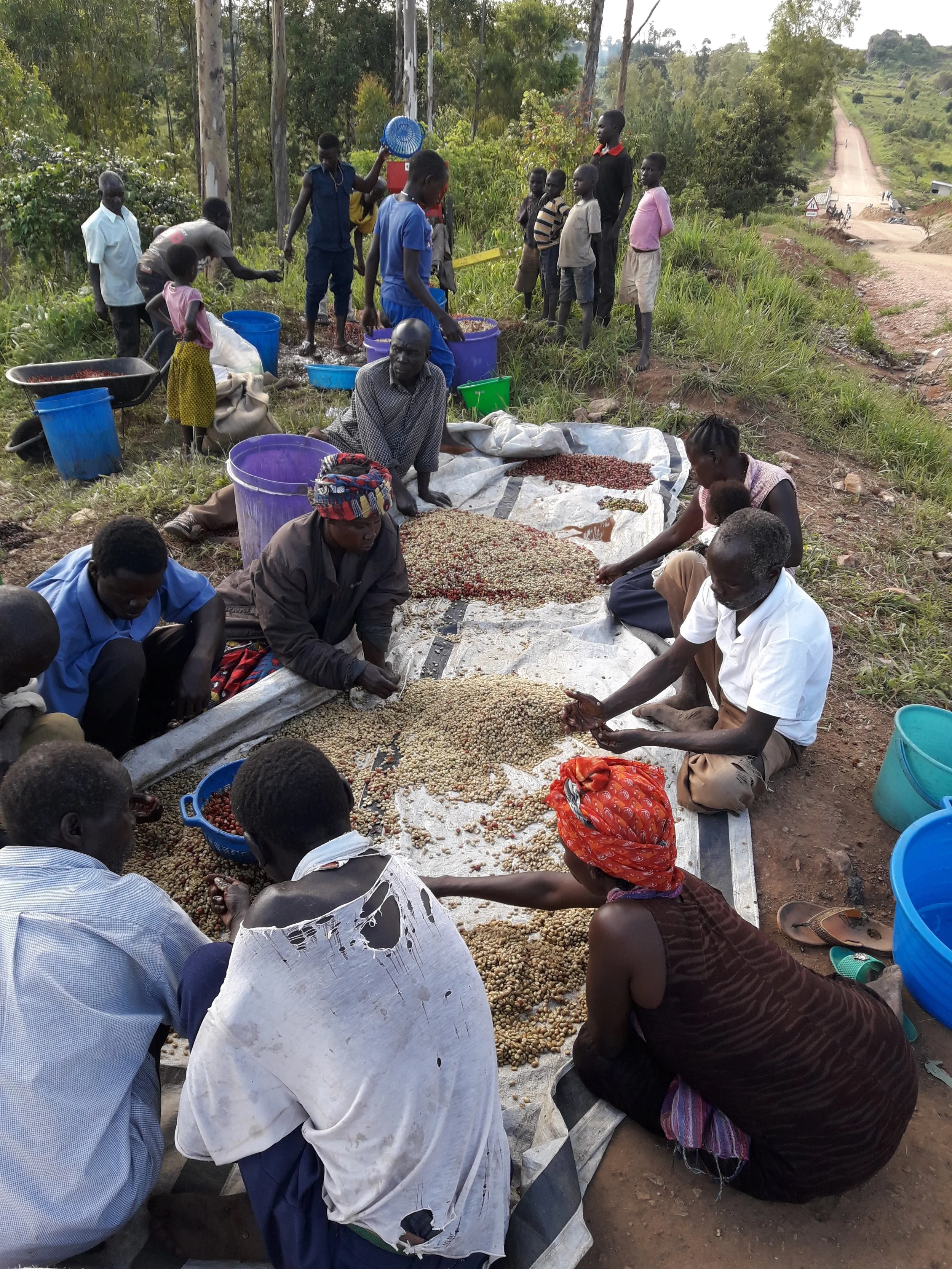
When coffee is ready, farmers hand-pick only fully ripe cherries. These are placed on a quality table where overripe, diseased, or otherwise bad cherries are removed, and then the remaining cherries are weighed. Next, floating is used to separate quality cherries from floaters. After floating, the quality cherries are spread on drying tables and turned daily. Under normal conditions this takes about five days; during the rainy season, drying into naturals can take up to two weeks. Finally, once the cherries reach a moisture content of 13%, they are bagged and stored, ready for transport to Jukia.
Photo gallery
You may use these images freely to promote Culamuk coffee amongst your customers.